
Your baby fusses after a feed, struggles to settle at bedtime, or just seems a little tense. You want to help, but you’re not sure how. Learning how to massage a baby gives you a simple, calming tool you can reach for any day.

Baby massage is exactly what it sounds like: gentle, loving touch designed to soothe and connect. You don’t need special training or fancy gear. In this guide, you’ll learn why it helps, what you need, how to do it step by step, and how to adjust for your baby’s age.
Why This Matters for New Parents
Touch is one of the first ways your baby understands the world. A calm, gentle massage tells your baby, “You’re safe, and I’m here.” That reassurance matters as much for you as it does for them.
Studies suggest baby massage may help little ones relax, sleep a bit better, and feel less fussy. It can also ease the discomfort of gas and trapped wind for some babies. These effects vary from baby to baby, so think of massage as one helpful habit, not a guaranteed fix.
There’s a benefit for you, too. Slowing down for a few quiet minutes can lower your own stress and deepen the bond you’re building. If you’ve felt unsure or disconnected in these early weeks, this is a gentle way back to each other.
A common worry: “What if I do it wrong and hurt my baby?” The truth is, gentle touch is hard to get wrong. Your baby will guide you, and you’ll learn their cues quickly.
What You’ll Need
You probably have most of this already. Keep it simple.
- A warm, quiet room: Babies lose heat fast, so warmth keeps them comfortable and relaxed.
- A soft towel or blanket: Lay it on the floor, a bed, or a changing mat so your baby has a cozy surface.
- A baby-safe oil (optional): A small amount helps your hands glide. More on choosing one below.
- A clean diaper: Massage can sometimes trigger a pee or poo, so have one ready.
- Your full attention: Put your phone aside. This time is just for the two of you.
Choosing a massage oil
You don’t have to use oil at all. If you’d like to, pick something gentle and unscented.
- Good options: Plain, edible oils like coconut, sunflower, or grapeseed oil are often recommended because babies sometimes get oily hands near their mouth.
- Patch test first: Rub a tiny amount on your baby’s leg and wait a day to check for redness or irritation.
- Skip these: Avoid mustard oil, peanut oil, and heavily fragranced products, which can irritate delicate skin.
Step-by-Step Guide on How to Massage a Baby
Aim for a time when your baby is calm and alert, not hungry or overtired. After a bath or before bed often works well. Keep the whole session short at first, around 5 to 10 minutes.
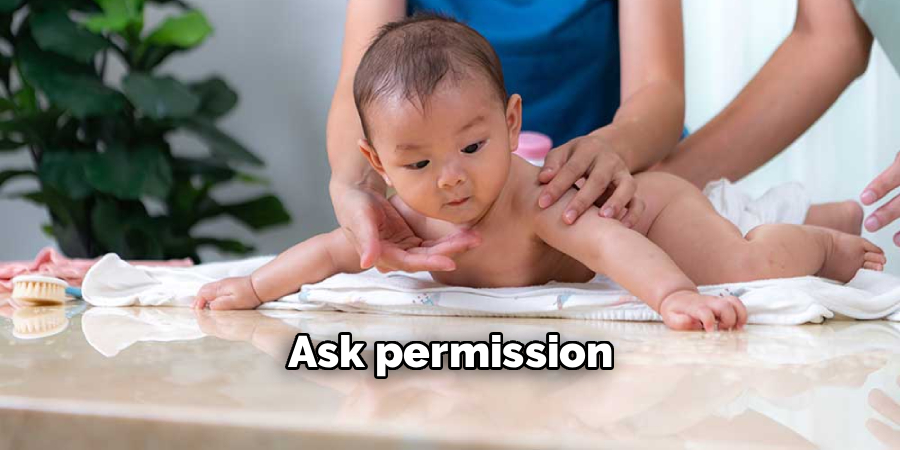
- Ask permission. Make eye contact, rub a little oil between your hands, and say something like, “Would you like a massage?”This sounds small, but it teaches your baby that touch comes with respect, and it helps you read their mood.
- Start with the legs. Legs are less sensitive, so they’re a gentle place to begin. Wrap your hands around one thigh and stroke down toward the foot, like gently milking the leg. Repeat a few times, then switch legs.
- Move to the feet. Stroke the soles with your thumbs, then gently circle each tiny toe. Tip: Watch your baby’s face here, as some love it and some pull away.
- Massage the tummy. Using flat fingers, stroke in slow, clockwise circles around the belly button. This follows the direction of digestion and may help with gas. Tip: Always go clockwise, and skip the tummy if the cord stump hasn’t fully healed.
- Work the chest and arms. Place both hands at the center of the chest and stroke outward, as if smoothing the pages of a book. Then stroke each arm from shoulder to hand, the same way you did the legs.
- Gently do the hands and fingers. Open each little fist and circle the palm with your thumb. Many babies find this surprisingly calming.
- Finish with the back. Turn your baby onto their tummy across your lap or the towel. Stroke from the shoulders down to the bottom with long, slow movements. Tip: Stay off the spine itself; stroke the soft areas on either side instead.
- End with stillness. Rest your hands gently on your baby for a moment, then wrap them up warm. This quiet close signals that the massage is over.

Age-Specific Advice
Your approach should shift as your baby grows. Here’s how to adapt.
Newborns (0–4 weeks)
Keep it very gentle and very short. Newborns get overstimulated easily, so a few minutes of light stroking is plenty. Wait until the umbilical cord stump has healed before massaging the tummy, and check with your doctor first if your baby was premature.
1–3 months
Your baby can usually handle a slightly longer session now, perhaps 10 minutes. You’ll start to recognize which strokes they enjoy. This is a lovely age to settle into a regular routine, such as a massage before bedtime.
3–6 months
Babies this age are more alert and interactive. Add eye contact, soft talking, and gentle singing to turn massage into playful bonding time. They may also be more wriggly, so follow their lead and keep it relaxed.
6+ months
Once your baby is rolling, crawling, and on the move, massage becomes a moving target, and that’s fine. Shorter, flexible sessions work best. Many older babies enjoy a calming foot or back rub as part of winding down for sleep.
Common Mistakes to Avoid
A few simple adjustments make a big difference. Here’s what to watch for.
- Pressing too hard. Babies need feather-light pressure, not a deep-tissue rub. Imagine you’re stroking something fragile, and let your hands stay soft and slow.
- Massaging at the wrong time. A hungry, full, or overtired baby won’t enjoy it. Choose a moment when your baby is calm and content instead.
- Ignoring your baby’s cues. Turning away, crying, or stiffening means “not now.” Stop, comfort your baby, and try again another time.
- Using the wrong oil. Heavily scented lotions or nut-based oils can irritate skin. Stick to plain, baby-safe oils and patch test first.
- Letting the room get cold. A chilly baby will tense up and fuss. Keep the space warm and only uncover one body part at a time if needed.
Safety Tips
Massage is gentle by nature, but a few precautions keep it that way.
- Wait if your baby is unwell. Skip massage if your baby has a fever, a fresh vaccination on a sore spot, or any infection.
- Never massage over the spine, broken skin, or rashes. Work around these areas, not on them.
- Keep oil away from eyes and mouth. Use only small amounts and wipe your baby’s hands before they touch their face.
- Always support the head. Newborns can’t hold their own head yet, so guide it gently during any position change.
- Mind the surface. Never massage on a raised surface without a hand on your baby. Floors are safest for wriggly babies.
- Stop if anything seems painful. Crying that doesn’t settle is your sign to pause.
Signs You’re Doing It Right
Wondering whether it’s working? Your baby will show you.
- Relaxed body: Loose limbs, open hands, and soft shoulders mean your baby feels at ease.
- Calm, steady breathing: A peaceful rhythm is a good sign.
- Eye contact and cooing: Your baby looking at you or making soft sounds shows they’re enjoying the connection.
- Easier settling: If your baby drifts toward sleep or seems calmer afterward, you’re on the right track.
And if your baby fusses one day? That’s normal too. Some days simply aren’t massage days, and that says nothing about your skill as a parent.
Frequently Asked Questions
How often should I massage my baby?
Once a day is a great target, but there’s no strict rule. Even a few times a week brings benefits, so fit it around your routine rather than forcing it.
What’s the best time of day for baby massage?
Many parents like the wind-down before bed or the calm after a bath. The real answer is whenever your baby is settled and you’re not rushed.
Do I really need to use oil?
No. Oil helps your hands glide and can feel soothing, but dry massage over clothing or skin works fine, especially for very young newborns.
Can I massage my baby after feeding?
Wait around 30 to 45 minutes after a feed. Pressing on a full tummy too soon may cause spit-up or discomfort.
My baby cries during massage. Am I doing something wrong?
Almost certainly not. Crying usually means your baby is tired, hungry, or just not in the mood. Stop, comfort them, and try again another time.
Final Thoughts
Learning how to massage a baby isn’t about getting every stroke perfect. It’s about slowing down, tuning in, and sharing a few quiet, loving minutes together. Your baby doesn’t need an expert; they just need you.
Start small, follow your baby’s lead, and let the routine grow naturally. Some days will be calm and connected, others a bit wriggly, and both are completely okay. Trust yourself: your gentle hands already know more than you think.

About
Joann Meril didn’t plan on becoming a parenting writer — it found her. After spending several years working as a certified nursing assistant in a pediatric clinic, Joann saw firsthand how anxious and under-informed new parents could feel, even with a hospital full of resources around them. When she had her own two children, that gap became personal. Suddenly she was the one googling things at 2 a.m., comparing baby monitors, and wondering if the swaddle she bought was actually safe.
That experience is what shaped her approach to writing. Joann believes parenting advice should be practical, honest, and free of unnecessary jargon or guilt. She tests products herself whenever possible, reads the actual safety standards instead of just the marketing copy, and isn’t afraid to say when something isn’t worth the money.
Today, Joann writes full-time, covering everything from newborn sleep routines to gear reviews to the small everyday wins that make parenting feel a little less overwhelming. When she’s not researching or writing, she’s usually chasing her own kids around the backyard or drinking coffee that’s gone cold for the third time that morning.
Joann lives in [City/State] with her husband and two children.
Credibility
- Background in pediatric caregiving (CNA)
- Mom of two, hands-on parenting experience
- Hand-tests baby gear before recommending it
- Focus: infant sleep, feeding, gear safety, early development