

Helping your baby settle without constant rocking, feeding, or bouncing can feel both hopeful and confusing. You want longer stretches of sleep, but you also want your baby to feel safe, loved, and understood. If you are learning how to teach baby to self soothe, the goal is not to ignore cries or force independence before your baby is ready.
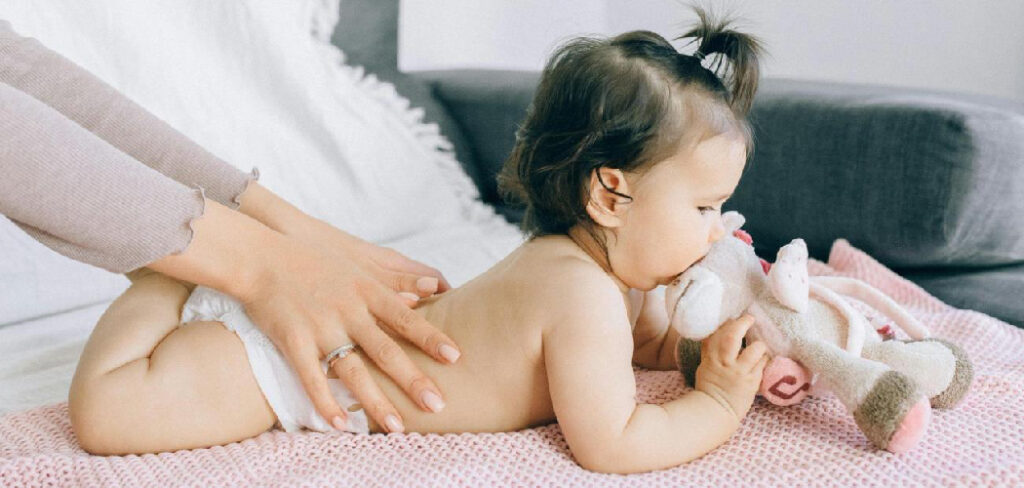
Self-soothing means your baby starts building small settling skills, such as relaxing in the crib, sucking fingers, turning the head, or drifting back to sleep with less help over time. It works best with a calm bedtime routine, age-appropriate expectations, and responsive parenting. This guide will show you how to support self-soothing in a safe, gentle, beginner-friendly way.
Why Learning Self-Soothing Helps Babies and Parents
Self-soothing helps babies build predictable sleep habits. When a baby learns familiar cues, like dim lights, a soft voice, and a steady bedtime rhythm, their body starts to understand that sleep is coming. Over time, these patterns can reduce bedtime battles and make night wakings easier to manage.
For first-time parents, this skill can bring more confidence. You learn to tell the difference between a baby who needs help and a baby who is lightly fussing while settling. That can reduce stress during naps and nighttime sleep.
Self-soothing does not mean your baby never needs you. It means you guide them toward independent sleep while still offering comfort, safety, and connection.
Tools and Materials You’ll Need
You do not need expensive products to support better sleep. Start with a safe sleep space, such as a firm crib mattress with a fitted sheet and no loose blankets, pillows, bumpers, or toys. A dark, quiet room can help your baby notice the difference between day and night.
A simple bedtime routine also matters. You may use pajamas, a sleep sack, a clean diaper, feeding time, a short book, and a soft goodnight phrase. These repeated cues help your baby feel secure.
White noise is optional, but many parents find it convenient. Keep it at a low, steady volume and place it away from the crib. The best tools are safe, consistent, and easy to repeat every night.
8 Step-by-Step Guide on How to Teach Baby to Self Soothe
Step 1 – Check Your Baby’s Readiness
Before you begin, look at your baby’s age, health, and sleep patterns. Many babies start building settling skills around 4 to 6 months, though every baby develops at a different pace. Newborns still need frequent feeding, close comfort, and help regulating their bodies.
The first part of how to teach baby to self soothe is knowing when to start. Watch for signs like a more predictable sleep rhythm, longer alert windows, and the ability to calm with familiar routines. If your baby was premature, has reflux, struggles with weight gain, or has medical concerns, ask your pediatrician before changing sleep habits.
Readiness keeps the process gentler for everyone.
Step 2 – Create a Calm Sleep Environment
Your baby’s crib environment sends strong sleep signals. Keep the room cool, dim, and quiet enough to feel peaceful. The air should feel comfortable, not stuffy, and the light should be low enough that your baby is not distracted by shadows, toys, or movement.
Place your baby on their back in a safe sleep space. Use a fitted sheet and keep the crib clear. If your baby uses a sleep sack, choose one that fits well and allows free hip movement.
A steady environment helps your baby relax faster. When the room feels the same each night, your baby begins to connect those details with sleep.
Step 3 – Build a Predictable Bedtime Routine
A bedtime routine does not need to be long. In fact, simple routines are often easier to keep. Try a pattern like feeding, diaper change, pajamas, a short book, a cuddle, and the same goodnight phrase each night.
Keep your voice low and your movements slow. The soft snap of pajamas, the warm weight of a sleep sack, and the quiet rhythm of your words all become sleep cues. Babies learn through repetition, so the order matters more than perfection.
Aim for 20 to 30 minutes. A routine that drags on too long can make an overtired baby more upset instead of calmer.
Step 4 – Put Baby Down Drowsy but Awake
The phrase “drowsy but awake” can sound simple, but it takes practice. It means your baby is calm, sleepy, and relaxed, yet not fully asleep in your arms. Their eyelids may look heavy, their body may feel loose, and their sucking may slow if they just finished feeding.
Lay your baby in the crib gently and keep your hand on their chest for a moment. Let them feel the mattress under their body and hear your steady breathing nearby.
If they fuss, pause before rushing in. A little grunting, wiggling, or brief protest can be part of learning settling skills.
Step 5 – Respond With Gentle Reassurance
Self-soothing works best when your baby trusts that you will respond. If your baby cries hard, sounds distressed, or cannot calm after a short pause, offer comfort. You can pat the mattress, rest a hand on their belly, speak softly, or pick them up briefly if needed.
This step is central to how to teach baby to self soothe without making sleep feel scary. You are not removing comfort. You are slowly changing how comfort happens.
Try to soothe in the crib first when possible. If your baby needs to be picked up, keep the room dark and calm, then place them back down when they settle.
Step 6 – Separate Feeding From Falling Asleep
Feeding is comforting, and many babies naturally drift off while nursing or taking a bottle. That is normal. Still, if your baby always falls asleep while feeding, they may look for the same help during night wakings.
You can gently shift the timing. Feed earlier in the bedtime routine, then add a small step afterward, such as a diaper check, lullaby, or short book. This creates space between a full tummy and falling asleep.
Keep the feed calm and connected. You are not taking away comfort; you are helping your baby learn another path to sleep. Over time, this can reduce strong sleep associations.
Step 7 – Practice During Naps and Night Wakings
Bedtime is often the easiest place to start because sleep pressure is higher. Once your baby gets used to the routine, you can practice similar soothing strategies at naps. Use the same room, sleep sack, sound, and phrase when possible.
Night wakings need a gentle balance. First, check whether your baby may be hungry, uncomfortable, sick, or in need of a diaper change. If those needs are met, give them a brief chance to resettle before stepping in.
Keep nighttime care boring in the best way. Use low light, quiet words, and slow movements so your baby learns that night is for sleeping.
Step 8 – Stay Consistent but Flexible
Consistency helps babies learn, but flexibility protects your sanity. Try to keep the same sleep cues most nights, even if bedtime shifts a little. Babies feel safer when they know what comes next.
At the same time, growth spurts, teething, travel, illness, and separation anxiety can affect sleep. During those times, your baby may need more support. Offer it without guilt, then return to your routine when things settle.
Progress may look uneven. Your baby might fall asleep with less help one night and need extra comfort the next. That does not mean you failed. It means your baby is learning.
Common Mistakes When Teaching Baby to Self Soothe
One common mistake is starting too early. Young babies do not have mature sleep cycles or strong self-regulation skills yet. If your baby still needs frequent feeds or has no steady sleep rhythm, focus on safe sleep, comfort, and gentle routines first.
Another mistake is keeping bedtime too stimulating. Bright lights, loud toys, screens, and energetic play can make it harder for your baby’s body to wind down. A calm routine should feel boring, warm, and predictable.
Some parents also wait until their baby is overtired. An overtired baby may cry harder, arch, rub their face, or struggle to settle because their body has moved past the ideal sleep window. Watch for early sleep cues, such as staring, yawning, slower movements, or fussiness.
A fourth mistake is changing the plan every night. Babies learn through patterns. If you rock to sleep one night, let them cry for a long stretch the next, and feed to sleep the night after, they may feel confused. Choose a gentle method you can repeat.
Finally, avoid treating self-soothing as a test. Your baby still needs comfort, closeness, and help at times.
Expert Tips
Start small. Choose one sleep period, usually bedtime, and practice there before changing every nap and night waking. This makes the process easier for both you and your baby.
Use a consistent phrase like “It’s sleep time, I love you.” Say it in the same calm tone each night. Over time, your voice becomes part of the bedtime routine and helps your baby feel secure.
Track sleep for a few days if you feel lost. Write down wake times, naps, bedtime, feeds, and night wakings. Patterns often appear quickly. You may discover your baby needs an earlier bedtime, a longer wake window, or a calmer final hour before sleep.
Frequently Asked Questions
What Age Can Babies Learn to Self-Soothe?
Many babies begin developing early self-soothing skills around 4 to 6 months, but readiness varies. Newborns need frequent comfort, feeding, and help regulating their bodies. Look for signs like more predictable sleep, stronger head control, and the ability to calm with familiar routines. If your baby has medical needs or was born early, ask your pediatrician for guidance.
Does Self-Soothing Mean Letting My Baby Cry It Out?
No. Self-soothing does not have to mean leaving your baby to cry alone for long periods. Many families use gentle, responsive methods that include checking in, patting, shushing, or briefly picking up the baby. The goal is to reduce sleep help gradually while keeping your baby emotionally safe and supported.
How Long Does It Take for a Baby to Learn Settling Skills?
Some babies respond within a few nights, while others need several weeks of steady practice. Temperament, age, routine, feeding needs, and sleep environment all matter. Progress may not be perfectly smooth. You may see improvement, then a setback during teething, illness, or a growth spurt. Consistency helps, but patience matters just as much.
What If My Baby Still Wakes Up at Night?
Night wakings are normal, even for babies who can fall asleep independently. Babies may wake because they are hungry, wet, cold, uncomfortable, teething, or between sleep cycles. Check basic needs first. If everything seems fine, use your usual calming techniques and give your baby a chance to resettle with gentle support.
Can I Teach Self-Soothing While Room Sharing?
Yes, you can support self-soothing while room sharing. Keep your baby in a safe sleep space, use a consistent bedtime routine, and respond calmly during wake-ups. You may need to stay quieter and limit movement so your baby is not fully stimulated. A white noise machine can help soften household sounds and create a steadier sleep environment.
Conclusion
Teaching self-soothing is not about pushing your baby to grow up faster. It is about building small, safe sleep habits that help your baby feel calm, secure, and ready for rest. A predictable bedtime routine, a safe crib environment, and gentle responses can all support better settling over time.
Remember to watch your baby’s cues. Start when they show readiness, keep the routine simple, and offer comfort when they truly need it. Some nights will feel easy, and others may feel messy. That is normal.
When you understand how to teach baby to self soothe, you can guide your baby with confidence instead of pressure. Try one step tonight, repeat it for several days, and give your baby time to learn at their own pace.

About
Joann Meril didn’t plan on becoming a parenting writer — it found her. After spending several years working as a certified nursing assistant in a pediatric clinic, Joann saw firsthand how anxious and under-informed new parents could feel, even with a hospital full of resources around them. When she had her own two children, that gap became personal. Suddenly she was the one googling things at 2 a.m., comparing baby monitors, and wondering if the swaddle she bought was actually safe.
That experience is what shaped her approach to writing. Joann believes parenting advice should be practical, honest, and free of unnecessary jargon or guilt. She tests products herself whenever possible, reads the actual safety standards instead of just the marketing copy, and isn’t afraid to say when something isn’t worth the money.
Today, Joann writes full-time, covering everything from newborn sleep routines to gear reviews to the small everyday wins that make parenting feel a little less overwhelming. When she’s not researching or writing, she’s usually chasing her own kids around the backyard or drinking coffee that’s gone cold for the third time that morning.
Joann lives in [City/State] with her husband and two children.
Credibility
- Background in pediatric caregiving (CNA)
- Mom of two, hands-on parenting experience
- Hand-tests baby gear before recommending it
- Focus: infant sleep, feeding, gear safety, early development