
Watching your baby wobble, lean, and finally sit with pride is one of those milestones that feels small and huge at the same time. If you are searching for how to teach baby to sit up, you are likely wondering when to start, what is safe, and how much help your baby really needs.
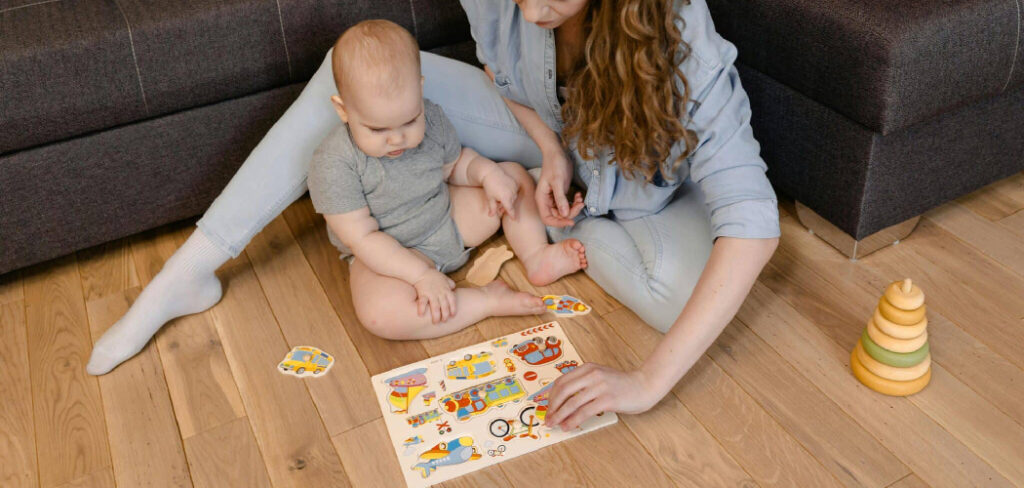
Sitting is not just about balance. It depends on head control, core strength, trunk stability, and plenty of floor play. Your baby builds these skills slowly through daily movement, not through forcing a position before the body is ready.
This guide will show you safe, simple steps to help your baby practice sitting with confidence and support.
Why Learning to Sit Up Helps Baby Development
Learning to sit up gives your baby a new view of the world. From an upright position, babies can look around, reach for toys, turn toward sounds, and interact more easily with you. This supports gross motor skills, hand-eye coordination, balance, and early problem-solving.
For first-time parents, sitting also makes daily care feel a little easier. Once your baby develops better posture and control, playtime, feeding readiness, and social interaction often become more engaging. You can place toys in front of your baby and watch them explore with both hands.
Sitting is also connected to other developmental milestones, such as rolling, crawling, and reaching. It helps your baby learn how to shift weight and control movement.
Tools and Materials You’ll Need
You do not need special equipment to help your baby practice sitting. A clean, firm floor space is the best place to start because it gives your baby room to move, roll, lean, and adjust. A soft play mat or blanket can make the area more comfortable while still allowing safe movement.
Use a few lightweight toys that are easy to grasp. Rattles, soft blocks, textured teethers, and small board books can encourage reaching and turning. Your hands, voice, and face are also powerful tools because babies love responding to you.
A nursing pillow or rolled towel is optional for short supported sitting practice. Use it only while you stay close and alert, never as a place to leave your baby unattended.
8 Step-by-Step Guide on How to Teach Baby to Sit Up
Step 1 – Start With Tummy Time Every Day
Tummy time builds the foundation for sitting. When your baby lies on their belly, they practice lifting the head, pressing through the arms, and strengthening the neck, shoulders, back, and core. These muscles help your baby hold an upright posture later.
A safe starting point for how to teach baby to sit up is short, happy sessions on the floor. Place your baby on a mat when they are awake and alert. Get down at eye level so they can see your face, hear your voice, and feel encouraged.
If your baby fusses, try one or two minutes at a time. Several short sessions each day work better than one long, stressful session.
Step 2 – Build Head Control Before Sitting Practice
Before babies can sit well, they need steady head control. Watch how your baby holds their head during tummy time, when carried upright, and when supported against your chest. A baby who can lift and turn the head with less wobbling is usually getting closer to supported sitting.
Hold your baby upright against your shoulder and let them look around the room. The soft light, familiar voices, and gentle movement help them practice control while feeling secure. Keep one hand behind the neck and upper back if they still wobble.
Do not rush this stage. Strong head control protects your baby and makes sitting practice safer.
Step 3 – Use Supported Sitting on Your Lap
Your lap is one of the safest places to introduce sitting. Sit on the floor or a firm chair and place your baby facing outward or facing you. Support their chest and ribs with your hands while their bottom rests securely on your legs.
This position lets your baby feel upright without needing full balance yet. They can see toys, your face, or the movement of your hands. You may feel their body gently sway as they try to adjust.
Keep sessions brief and positive. If your baby slumps, arches, or gets tired, return to a reclined cuddle or floor play. Sitting practice should feel like play, not a workout.
Step 4 – Practice the Tripod Sitting Position
Tripod sitting happens when your baby sits with legs forward and hands on the floor for support. This position often appears before independent sitting because the arms help stabilize the body. It may look wobbly at first, and that is normal.
Place your baby on a firm mat with their legs in a wide V shape. Gently guide their hands to the floor between their legs or near their knees. Stay close enough to catch them if they tip forward or sideways.
Put an interesting toy just in front of them. The color, sound, or texture can encourage them to lift their head and engage their core.
Step 5 – Encourage Reaching From a Supported Position
Reaching helps your baby learn balance. When babies reach for a toy, they shift weight, tighten their core, and use small muscles along the trunk. These tiny movements prepare them for steadier sitting.
Sit behind your baby and support them around the hips or lower ribs. Place a toy slightly to one side, close enough to touch but not so far that they topple. Let them lean, grab, and return to center with your help.
The second key part of how to teach baby to sit up is giving your baby chances to move while supported. Balance grows through safe wobbling, reaching, and correcting.
Step 6 – Strengthen Balance With Side-to-Side Play
Once your baby tolerates supported sitting, add gentle side-to-side movement. Sit behind them with your hands at their hips. Slowly shift their weight a little to the left, then back to center, then a little to the right.
This helps your baby learn what balance feels like. Their body may stiffen at first, then relax as they understand the rhythm. Keep your voice calm and playful so the practice feels safe.
This is where how to teach baby to sit up becomes less about placing your baby in position and more about helping them control small changes. The goal is not perfect stillness. It is active balance.
Step 7 – Let Baby Practice Falling Safely
Learning to sit includes learning how to tip, roll, and recover. Babies often fall sideways or forward during practice. With a safe setup, these small tumbles teach body awareness and protective reactions.
Use a firm play mat and clear the area of hard toys, furniture edges, and clutter. Sit close, but try not to hold your baby so tightly that they cannot move. If they start to tip, guide them gently rather than snapping them upright right away.
Your baby may look surprised after a soft fall. Smile, reassure them, and continue if they seem comfortable. Safe practice builds confidence for both of you.
Step 8 – Add Short Practice Sessions Throughout the Day
Babies learn best through repetition. Instead of one long sitting session, add small moments of practice during normal play. Try a minute after a diaper change, a few minutes before story time, or a short supported sit while you sing.
Watch your baby’s signals. If they rub their eyes, slump, turn away, cry, or arch their back, they may be tired or overstimulated. End the session before frustration takes over.
Keep floor play varied. Mix tummy time, rolling practice, supported sitting, reaching, and cuddles. These movements work together to build strength and coordination. Over time, your baby will sit with less help and more control.
Common Mistakes When Teaching Baby to Sit Up
One common mistake is starting before your baby has enough head control. If the head still flops forward or backward often, spend more time on tummy time, upright carrying, and supported play. Sitting practice should match your baby’s current strength.
Another mistake is using seats, cushions, or containers for too long. Baby seats may hold your baby upright, but they do not always build the same core strength and balance as active floor play. Short use is fine, but the floor gives your baby more freedom to move.
Some parents also place toys too far away. Reaching is helpful, but stretching too much can cause frustration or frequent falls. Keep toys close at first, then slowly move them farther as balance improves.
A fourth mistake is comparing your baby to others. Sitting milestones vary. Some babies sit earlier, while others need more time, especially if they were born early or have low muscle tone.
Finally, avoid leaving a practicing sitter alone. Even babies who seem steady can tip suddenly.
Expert Tips
Think of sitting as a skill your baby builds from the ground up. Tummy time, rolling, reaching, and supported sitting all matter. If you only practice the final sitting position, your baby may miss the strength and control that make the milestone stable.
Use your baby’s happiest windows for practice. Many babies do best after a nap and feeding, when they feel alert but not overly full. Keep the room calm, the toys simple, and your hands ready.
If you notice stiffness, strong side preference, constant flopping, or delays that worry you, talk with your pediatrician. Early guidance can help you support your baby’s motor development with confidence.
Frequently Asked Questions
What Age Do Babies Usually Sit Up?
Many babies begin supported sitting around 4 to 6 months and sit independently around 6 to 8 months. Some babies need more time, and that can still be normal. Look for signs such as steady head control, pushing up during tummy time, and interest in upright play. If you feel concerned, ask your pediatrician at your next visit.
Is It Safe to Prop My Baby Up With Pillows?
You can use pillows or rolled towels for brief, supervised support during floor play, but never leave your baby propped up alone. Babies can slump, slide, or tip into unsafe positions quickly. A firm floor surface with your hands nearby is safer. Avoid using soft cushions as a replacement for active practice and natural movement.
What If My Baby Hates Tummy Time?
Many babies dislike tummy time at first. Try shorter sessions, such as one or two minutes, several times a day. Place your baby on your chest, use a rolled towel under the upper chest, or get face-to-face on the floor. Toys, songs, and mirrors can help. Stop before your baby becomes very upset, then try again later.
Can Sitting Practice Help With Crawling?
Yes, sitting practice can support crawling because both skills use core strength, balance, weight shifting, and body control. When your baby reaches from sitting or moves between tummy time and side play, they learn how to shift weight. These movements prepare the body for crawling, pulling forward, and eventually moving from one position to another.
When Should I Worry About My Baby Not Sitting?
Talk with your pediatrician if your baby is not showing improving head control by around 4 months, cannot sit with support by around 6 months, or is not sitting independently by around 9 months. Also ask for help if your baby feels very floppy, very stiff, or uses one side much more than the other.
Conclusion
Teaching your baby to sit up is a gradual process, not a single moment. Your baby needs time to build head control, core strength, trunk stability, and balance through daily movement. Tummy time, supported sitting, reaching games, and safe floor play all help your baby move toward independent sitting.
Stay close, keep practice short, and follow your baby’s cues. Some days your baby may sit taller and reach with confidence. Other days they may wobble, slump, or want a cuddle instead. Both are part of learning.
When you understand how to teach baby to sit up, you can support this milestone with patience and safety instead of pressure. Try one short practice session today, keep it playful, and let your baby grow stronger at their own pace.

About
Joann Meril didn’t plan on becoming a parenting writer — it found her. After spending several years working as a certified nursing assistant in a pediatric clinic, Joann saw firsthand how anxious and under-informed new parents could feel, even with a hospital full of resources around them. When she had her own two children, that gap became personal. Suddenly she was the one googling things at 2 a.m., comparing baby monitors, and wondering if the swaddle she bought was actually safe.
That experience is what shaped her approach to writing. Joann believes parenting advice should be practical, honest, and free of unnecessary jargon or guilt. She tests products herself whenever possible, reads the actual safety standards instead of just the marketing copy, and isn’t afraid to say when something isn’t worth the money.
Today, Joann writes full-time, covering everything from newborn sleep routines to gear reviews to the small everyday wins that make parenting feel a little less overwhelming. When she’s not researching or writing, she’s usually chasing her own kids around the backyard or drinking coffee that’s gone cold for the third time that morning.
Joann lives in [City/State] with her husband and two children.
Credibility
- Background in pediatric caregiving (CNA)
- Mom of two, hands-on parenting experience
- Hand-tests baby gear before recommending it
- Focus: infant sleep, feeding, gear safety, early development