

Cold little fingers can worry any new parent, especially when the rest of your baby seems peaceful and asleep. Babies often have cool hands because their circulation is still developing, and their bodies focus warmth around the core. Still, you want to know the difference between normal cool hands and a baby who needs better overnight comfort.
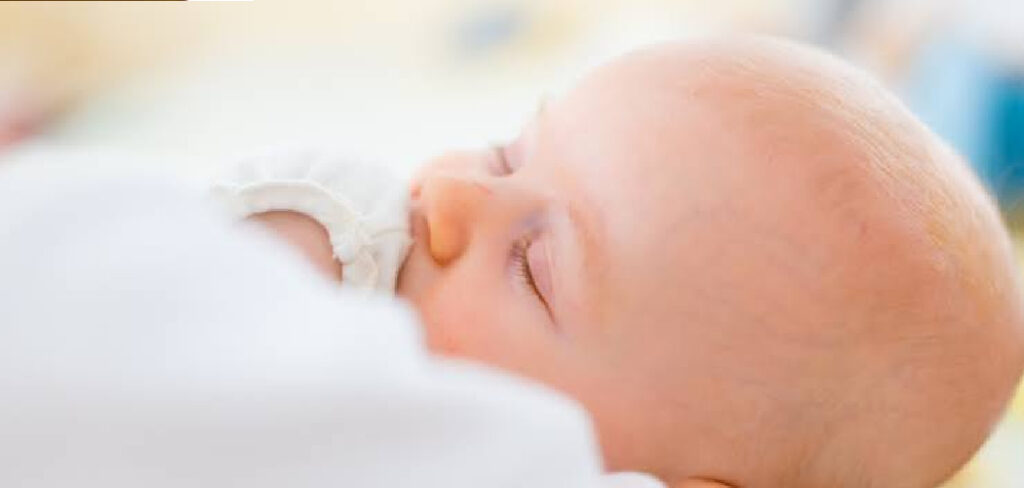
If you are learning how to keep baby hands warm at night, the safest approach is not piling on blankets. It is choosing the right sleepwear, checking your baby’s chest or back, and managing the room temperature with care. This guide shows you how to keep your baby comfortable overnight while following safe sleep guidance.
Why Keeping Baby Hands Warm at Night Matters for Beginners
Keeping your baby comfortable at night helps support better sleep for everyone. For beginners, this skill matters because babies cannot tell you when they feel chilly, and their hands may cool faster than their chest or back. Learning what to check helps you respond calmly instead of guessing.
It also helps campers and outdoor beginners. Nighttime temperature changes can feel sudden in a tent, cabin, camper, or drafty travel room. Safe layering becomes more important when the air cools after sunset. With the right sleep sack, breathable fabric, and simple warmth checks, you can protect your baby’s overnight comfort without overheating them or using unsafe loose bedding.
Tools and Materials You’ll Need
- A room thermometer to track nursery temperature or the sleeping area in a camper, cabin, or tent.
- Soft cotton pajamas or footed pajamas that fit well and do not bunch around the neck.
- A wearable blanket or sleep sack suited to the room temperature.
- Breathable fabric layers, such as cotton or bamboo, for gentle warmth without trapping too much heat.
- Baby-safe mittens for sleep, if they fit securely and your pediatrician agrees they are appropriate.
- A firm, flat sleep surface with no loose blankets, pillows, or stuffed items.
- Optional: a small night-light for quick warmth checks without fully waking your baby.
8 Step-by-Step Guide on How to Keep Baby Hands Warm at Night
Step 1 – Assess the Sleep Environment
Start by checking the space where your baby sleeps. Feel the air near the crib, bassinet, travel cot, or campsite sleep area. A room can feel warm at adult height but cooler near the floor or beside a window.
Use a room thermometer instead of guessing. Many babies sleep comfortably in a room that feels cool but not cold to a lightly dressed adult. If you are outdoors, check for drafts around tent doors, camper vents, or thin cabin walls. The first part of how to keep baby hands warm at night is understanding the temperature around your baby before adding layers.
Step 2 – Check Your Baby’s Core Temperature
Your baby’s hands are not the best sign of overall warmth. Instead, place two fingers on the chest, upper back, or back of the neck. These areas tell you more about baby sleep temperature because they reflect core warmth.
Your baby should feel warm, not sweaty, clammy, or hot. Cool hands can be normal if the chest and back feel comfortable. If the skin on the chest feels cool, your baby may need a warmer layer. If the neck feels damp or flushed, remove a layer. This simple check helps you avoid both chilling and overheating.
Step 3 – Choose the Right Pajamas
Pick sleepwear that matches the room temperature and feels soft against your baby’s skin. Cotton pajamas work well in many homes because they are breathable and gentle. Footed pajamas add warmth to the legs and feet, which can help your baby feel cozy through the night.
Make sure the pajamas fit close to the body without being tight. Loose fabric can bunch, twist, or ride up during sleep. In a cold room, you may choose slightly warmer pajamas under a sleep sack. In a mild room, a lighter layer may be enough. The goal is steady warmth, not heavy heat.
Step 4 – Use a Sleep Sack Safely
A sleep sack or wearable blanket can keep your baby warm without loose bedding. It covers the body while leaving the head and face clear. This makes it a safer choice than blankets, which can shift during the night.
Choose the warmth level based on the nursery temperature. Many sleep sacks list a warmth rating, which can help you match the garment to the room. The fabric should feel soft, smooth, and breathable. Zip it fully, then check that the neck and arm openings fit well. Your baby should have room to move their hips and legs, but the sack should not slide over the face.
Step 5 – Add Hand Coverage With Care
Some pajamas have fold-over cuffs that cover the hands. These can help with cool hands while keeping the layer attached to the sleepwear. If you use separate mittens for sleep, choose a pair that fits securely and does not have strings, beads, or loose parts.
A safe approach to how to keep baby hands warm at night focuses on fitted layers instead of loose items. Check that the cuffs or mittens do not feel tight around the wrists. Baby fingers should look pink or their usual skin tone, not pale, blue, or swollen. If hand covers keep slipping off, skip them and warm the core instead.
Step 6 – Layer Without Overheating
Layering works best when you use thin, breathable pieces rather than one heavy outfit. A simple setup might include cotton pajamas and a sleep sack. In a colder space, footed pajamas under a warmer wearable blanket may be better.
Avoid hats for routine indoor sleep unless a medical professional tells you otherwise. Babies release heat through the head, and hats can raise overheating risk during sleep. Also avoid loose blankets, quilts, and extra bedding in the crib. If your baby’s chest feels warm and dry, the layering is likely working. If your baby sweats, breathes fast, or feels hot, remove a layer.
Step 7 – Make Gentle Overnight Checks
If you are worried about a cold night, check your baby during a normal wake-up or feeding. Keep the room dim and quiet so you do not fully wake them. Touch the chest or upper back first, then notice the hands.
A baby may have cool hands and still feel warm enough overall. If the core feels comfortable, avoid changing the outfit just because the fingers feel cool. If the chest feels cold, add a safe layer at the next change. If the baby feels sweaty, loosen the setup by removing one layer. Small adjustments work better than big changes in the middle of the night.
Step 8 – Build a Consistent Sleep Routine
A steady routine helps you learn what works for your baby. Dress your baby around the same time each night, check the room thermometer, and choose pajamas and a sleep sack based on the temperature. Over time, you will notice patterns.
Travel and camping may require extra planning. Pack one lighter sleep option and one warmer option so you can adjust as the night air changes. Keep the sleep space dry and away from direct drafts. Write down what worked if you are still learning. A simple note about the room temperature, layers, and your baby’s comfort can guide the next night.
Common Mistakes When Trying to Keep Baby Hands Warm at Night
One common mistake is judging warmth by hands alone. Baby hands often feel cool because circulation to the fingers is still maturing. The chest, back, or neck gives you a better reading. If those areas feel warm and dry, your baby may not need more layers.
Another mistake is using loose blankets to warm the hands. Blankets can move over a baby’s face or bunch around the body. A fitted sleep sack or wearable blanket offers warmth without the same loose-bedding concern.
Some parents overdress their baby because they fear a cold room. Too many layers can cause sweating, damp clothes, and overheating. This can disturb sleep and may create safety concerns. Choose breathable fabric and check the core temperature before adding more.
A fourth mistake is ignoring drafts. A crib near a window, tent wall, floor vent, or door may feel colder than the rest of the room. Move the sleep space when possible, but keep it firm, flat, and clear.
Finally, parents sometimes use mittens that do not fit well. Loose mittens can slip off, while tight ones can restrict comfort. When in doubt, warm the body safely first.
Expert Tips
Think of your baby’s warmth in layers: room, clothing, sleep sack, and core check. When these pieces work together, you do not need to rely on guesswork. A room thermometer gives you a clear starting point, and your baby’s chest or back tells you whether the setup works.
Choose breathable fabric whenever possible. Cotton pajamas and a well-fitted wearable blanket help manage warmth without trapping too much heat. For camping or travel, pack extra dry sleepwear because damp clothing feels cold fast. If your baby was premature, has medical concerns, or seems unusually cold or hot, ask your pediatrician for personal guidance.
Frequently Asked Questions
Is It Normal for Baby Hands to Feel Cold at Night?
Yes, cool hands are often normal in babies. Their circulation is still developing, and their bodies keep the core warm first. Check the chest, back, or neck instead of relying only on the hands. If those areas feel warm and dry, your baby is likely comfortable. If they feel cold, adjust clothing or the sleep sack safely.
Should My Baby Wear Mittens While Sleeping?
Some babies can wear secure, baby-safe mittens during sleep, but they must fit well and have no loose parts. Fold-over pajama cuffs are often simpler because they stay attached to the outfit. If mittens slip off or leave marks around the wrists, do not use them. Focus on safe sleepwear and core warmth first.
What Room Temperature Is Best for Baby Sleep?
Many babies sleep well in a room that feels comfortably cool to an adult, often around the upper 60s to low 70s Fahrenheit. A room thermometer helps you avoid guessing. The right setup also depends on pajamas, sleep sack warmth, and air movement. Always check your baby’s chest or back to confirm comfort.
Can I Use a Blanket to Warm My Baby’s Hands?
Loose blankets are not recommended in a baby’s sleep space because they can shift and create a safety risk. Use fitted pajamas, a sleep sack, or a wearable blanket instead. These options help keep your baby warm while keeping the crib or bassinet clear. If hands remain cool but the core feels warm, extra hand warming may not be needed.
How Do I Keep My Baby Warm While Camping?
Use a safe, flat sleep surface, a room or tent thermometer, fitted pajamas, and a suitable sleep sack. Keep the baby away from drafts and damp areas. Pack extra dry layers because nighttime air can turn chilly fast. Check the chest or upper back during wake-ups, and adjust clothing with breathable layers instead of loose blankets.
Conclusion
Keeping your baby comfortable through the night takes practice, but the basics are simple. Start with the sleep environment, check the temperature near your baby, and dress them in soft, fitted layers. Use a sleep sack or wearable blanket instead of loose bedding, and rely on the chest or back to judge warmth more than the hands.
Cool hands do not always mean your baby is cold. What matters most is steady core warmth, safe layering, and a sleep space that stays clear and secure. This approach works at home, during travel, and in outdoor settings where temperatures can shift after dark.
Once you understand how to keep baby hands warm at night, you can respond with confidence, protect your baby’s comfort, and build a calmer sleep routine for the whole family.

About
Joann Meril didn’t plan on becoming a parenting writer — it found her. After spending several years working as a certified nursing assistant in a pediatric clinic, Joann saw firsthand how anxious and under-informed new parents could feel, even with a hospital full of resources around them. When she had her own two children, that gap became personal. Suddenly she was the one googling things at 2 a.m., comparing baby monitors, and wondering if the swaddle she bought was actually safe.
That experience is what shaped her approach to writing. Joann believes parenting advice should be practical, honest, and free of unnecessary jargon or guilt. She tests products herself whenever possible, reads the actual safety standards instead of just the marketing copy, and isn’t afraid to say when something isn’t worth the money.
Today, Joann writes full-time, covering everything from newborn sleep routines to gear reviews to the small everyday wins that make parenting feel a little less overwhelming. When she’s not researching or writing, she’s usually chasing her own kids around the backyard or drinking coffee that’s gone cold for the third time that morning.
Joann lives in [City/State] with her husband and two children.
Credibility
- Background in pediatric caregiving (CNA)
- Mom of two, hands-on parenting experience
- Hand-tests baby gear before recommending it
- Focus: infant sleep, feeding, gear safety, early development