
Those tiny, sweet blueberries sitting in your fridge might just become your baby’s new favorite food. They’re soft, naturally sweet, and packed with goodness that growing little ones love. If you’re starting solids and wondering how to make blueberry baby food the right way, you’re in exactly the right place.
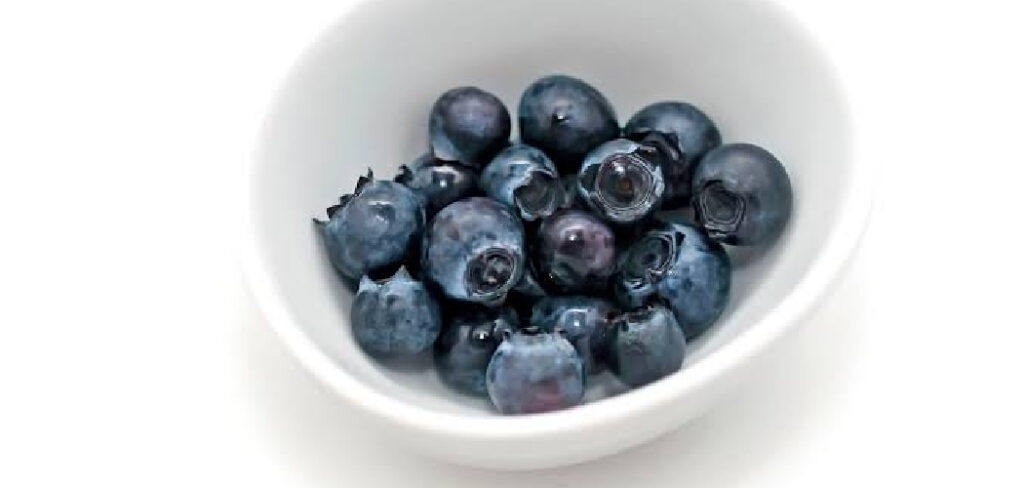
In this guide, we’ll walk through everything together. You’ll learn when your baby can start eating blueberries, what you need to prepare them safely, and how to cook and blend them into a smooth puree. We’ll also cover how to change the texture as your baby grows, smart storage tips, and the safety details that matter most. By the end, you’ll feel confident serving up this little blue gem.
Let’s get started.
Benefits of Blueberries for Babies
Blueberries are tiny but mighty. They deliver a surprising amount of nutrition in every spoonful, which makes them a wonderful early food for your little one.
Here’s why blueberries are such a great choice:
- Antioxidants: Blueberries are loaded with antioxidants, which are natural compounds that help protect your baby’s cells. These give blueberries their deep blue color and support overall health.
- Vitamin C: This vitamin helps your baby absorb iron and supports a healthy immune system. It also keeps skin and tissues strong.
- Fiber: Blueberries contain fiber, which helps keep your baby’s digestion smooth and comfortable.
- Natural sweetness: Babies tend to love the gentle, sweet flavor, so blueberries are often an easy “yes” at mealtime.
Because they’re soft when cooked or mashed, blueberries are also gentle on tiny tummies. That mix of taste and nutrition is hard to beat.
Now that you know why they’re worth adding to the menu, let’s talk about timing.
When Can Babies Start Eating Blueberries
Most babies can start eating blueberries around 6 months of age, once they begin solids. This lines up with general weaning guidance, which suggests introducing first foods at about 6 months.
Before you offer blueberries, look for signs your baby is ready for solids. These include sitting up with good head control, showing interest in your food, and being able to move food to the back of their mouth.
Blueberries are not a common allergen, so they’re considered a safe and friendly first food. The main thing to watch is texture, since whole blueberries can be a choking hazard. We’ll cover that in detail later.
Ready to roll up your sleeves? Here’s what you’ll need.
What You’ll Need
Making blueberry baby food at home is refreshingly simple. You likely already have most of what you need in your kitchen.
Ingredients
- Fresh or frozen blueberries (about 1 to 2 cups)
- Water or breast milk/formula (optional, for thinning)
Equipment
- A colander or strainer for washing
- A small saucepan or steamer
- A blender, food processor, or immersion blender
- A fork (for mashing in later stages)
- Ice cube trays or small storage containers for freezing
- A spoon and a small bowl for serving
If you’re using frozen blueberries, no need to thaw them first. They cook down beautifully straight from the freezer.
With everything ready, let’s make some puree.
5 Step-by-Step Preparation Guide on How to Make Blueberry Baby Food
This is the fun part. Follow these simple steps and you’ll have fresh blueberry puree in no time.
Step 1: Wash the Blueberries
Rinse fresh blueberries thoroughly under cool running water. Use a colander and gently move them around to remove any dirt. Pick out any stems or mushy berries. (Skip this step if using frozen.)
Step 2: Cook the Blueberries
Add the blueberries to a small saucepan with a splash of water. Heat over medium-low and let them simmer for about 5 to 10 minutes. They’ll soften and burst, releasing their juices.
You can also steam them for around 5 minutes if you prefer. Cooking softens the skins, which makes blending smoother and digestion easier for young babies.
Step 3: Cool Slightly
Let the cooked blueberries cool for a few minutes. This protects your blender and keeps things safe to handle.
Step 4: Blend
Pour the blueberries into your blender or food processor. Blend until smooth. If the puree is too thick, add a little water, breast milk, or formula until you reach a texture your baby can handle.
Step 5: Strain (Optional)
For very young babies, you can pass the puree through a fine strainer. This removes any remaining skin bits and creates an ultra-smooth result.
That’s it. You’ve made blueberry baby food. Now let’s adjust it for your baby’s stage.
How to Serve Blueberry Baby Food by Age and Stage
As your baby grows, their ability to handle texture changes too. Matching the texture to their stage keeps mealtime safe and enjoyable.
Around 6 Months: Smooth Puree
Start with a thin, smooth puree. Blend well and strain if needed. You can also mix blueberry puree into other foods like baby oatmeal, banana, or apple for a gentle introduction.
Around 8 Months: Mashed With Lumps
At this stage, your baby can handle a little more texture. Mash cooked blueberries with a fork instead of blending. The small soft lumps help your baby practice chewing.
Around 9 to 12 Months and Up: Soft Finger Foods
Now your baby may be ready to self-feed. You can offer cooked, softened blueberries that are mashed or quartered. Always cut blueberries into small pieces to reduce choking risk, since whole blueberries are round and firm.
Once your baby is around 12 months and chewing confidently, you can offer larger pieces, but keep cutting whole blueberries until you’re sure they can manage them safely.
Made a big batch? Here’s how to keep it fresh.
Storage and Freezing Tips
Homemade blueberry puree stores well, which means you can prep once and serve for days. A little planning saves you time during busy mealtimes.
Fridge Storage
Store blueberry puree in an airtight container in the fridge. It stays fresh for up to 3 days. Give it a sniff and a look before serving; if anything seems off, toss it.
Freezer Storage
For longer storage, freeze the puree. Spoon it into ice cube trays, then transfer the frozen cubes into a labeled freezer bag once solid. Frozen blueberry puree keeps for up to 3 months.
Reheating Tips
- Thaw a cube in the fridge overnight or gently warm it in a saucepan.
- Stir well and check the temperature before serving so it’s warm, not hot.
- Never refreeze puree that has already been thawed.
A few smart habits go a long way. Speaking of which, let’s avoid some common slip-ups.
Common Mistakes to Avoid
Even simple recipes come with a few easy-to-miss details. Here are the most common mistakes parents make and how to sidestep them.
- Serving whole blueberries too early. Whole blueberries are a choking hazard. Always cook, mash, or cut them into small pieces for young babies.
- Skipping the wash. Fresh blueberries can carry dirt or residue. Rinse them well before cooking.
- Making the puree too thick. A thick puree can be hard for a 6-month-old to swallow. Thin it with water, breast milk, or formula.
- Adding sugar or honey. Blueberries are naturally sweet, so there’s no need for extra sugar. Honey should never be given to babies under 12 months.
- Storing for too long. Puree only lasts about 3 days in the fridge. When in doubt, freeze it instead.
Avoid these, and you’re well on your way. Now let’s talk safety.
Allergy Information and Safety Tips
Good news: blueberries are not a common allergen. Allergic reactions to blueberries are rare, which is part of why they make such a friendly first food.
That said, any new food can occasionally cause a reaction. When introducing blueberries for the first time, offer a small amount and watch your baby for a day or two before serving more. This makes it easier to spot any reaction.
The bigger concern with blueberries is choking, not allergies. Their small, round, firm shape can block a tiny airway. To serve them safely:
- Cook and mash them for younger babies.
- Cut whole blueberries into quarters for older babies and toddlers.
- Always supervise your baby while they eat.
- Make sure your baby is sitting upright during meals.
With safety covered, here’s how to tell your baby is loving the experience.
Signs Baby Is Ready and Enjoying It
Watching your baby explore new flavors is one of the sweetest parts of weaning. A few happy signs tell you things are going well.
Your baby is likely enjoying blueberries if they:
- Open their mouth for the next spoonful
- Swallow the puree without much fuss
- Reach for the food or get excited at mealtime
- Show no rash, swelling, or tummy upset afterward
A little mess and some funny faces are totally normal. New tastes take time, so don’t worry if the first try gets a mixed reaction.
Of course, it helps to know when something needs more attention.
When to Call a Doctor
Most babies handle blueberries with no problem at all. Still, it’s smart to know the warning signs that need medical help.
Call your doctor or seek medical care if your baby shows:
- Signs of an allergic reaction: hives, swelling of the lips or face, vomiting, or trouble breathing. Severe breathing difficulty is an emergency, so call for help right away.
- Ongoing digestive issues: persistent diarrhea, constipation, or signs of tummy pain after eating.
- Choking: if your baby is choking and can’t breathe, cough, or cry, get emergency help immediately.
Trust your instincts. If something feels wrong, it’s always okay to check with your doctor.
Frequently Asked Questions
Can I give my baby raw blueberries?
For young babies, it’s best to cook or mash blueberries first. Raw whole blueberries are firm and round, which makes them a choking risk. Older babies can have them cut into small soft pieces.
Do I need to peel blueberries for baby food?
You don’t have to peel them. Cooking softens the skins, and blending or straining smooths out any leftover bits for younger babies.
Can I mix blueberry puree with other foods?
Absolutely. Blueberry puree pairs beautifully with banana, apple, pear, oatmeal, or plain yogurt for babies over 6 months. It’s a great way to add flavor and nutrition.
Will blueberries change my baby’s diaper color?
Yes, and it’s nothing to worry about. Blueberries can give stools a darker or bluish tint, which is completely normal and harmless.
Can I use frozen blueberries instead of fresh?
Definitely. Frozen blueberries work just as well and are often more affordable. You can cook them straight from frozen, no thawing needed.
Conclusion
Learning how to make blueberry baby food is one of those small wins that feels really good as a new parent. With a quick wash, a gentle cook, and a smooth blend, you’ve got a nutritious meal your baby will likely adore. From smooth purees at 6 months to soft little pieces later on, blueberries can grow right along with your child.
Remember to keep textures age-appropriate, store your batches safely, and always supervise mealtimes. Introducing new foods is a journey full of funny faces, happy messes, and plenty of learning, for both of you. Trust yourself, take it one spoonful at a time, and enjoy these special first bites together. You’ve got this.

About
Joann Meril didn’t plan on becoming a parenting writer — it found her. After spending several years working as a certified nursing assistant in a pediatric clinic, Joann saw firsthand how anxious and under-informed new parents could feel, even with a hospital full of resources around them. When she had her own two children, that gap became personal. Suddenly she was the one googling things at 2 a.m., comparing baby monitors, and wondering if the swaddle she bought was actually safe.
That experience is what shaped her approach to writing. Joann believes parenting advice should be practical, honest, and free of unnecessary jargon or guilt. She tests products herself whenever possible, reads the actual safety standards instead of just the marketing copy, and isn’t afraid to say when something isn’t worth the money.
Today, Joann writes full-time, covering everything from newborn sleep routines to gear reviews to the small everyday wins that make parenting feel a little less overwhelming. When she’s not researching or writing, she’s usually chasing her own kids around the backyard or drinking coffee that’s gone cold for the third time that morning.
Joann lives in [City/State] with her husband and two children.
Credibility
- Background in pediatric caregiving (CNA)
- Mom of two, hands-on parenting experience
- Hand-tests baby gear before recommending it
- Focus: infant sleep, feeding, gear safety, early development