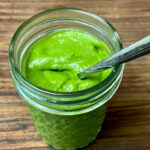

Starting solids is a big milestone, and green beans are one of the friendliest first foods you can offer. They’re mild, packed with good nutrients, and easy to turn into a smooth puree your baby can manage. If you’ve ever wondered how to make green bean baby food at home without any fuss, you’re in the right place.
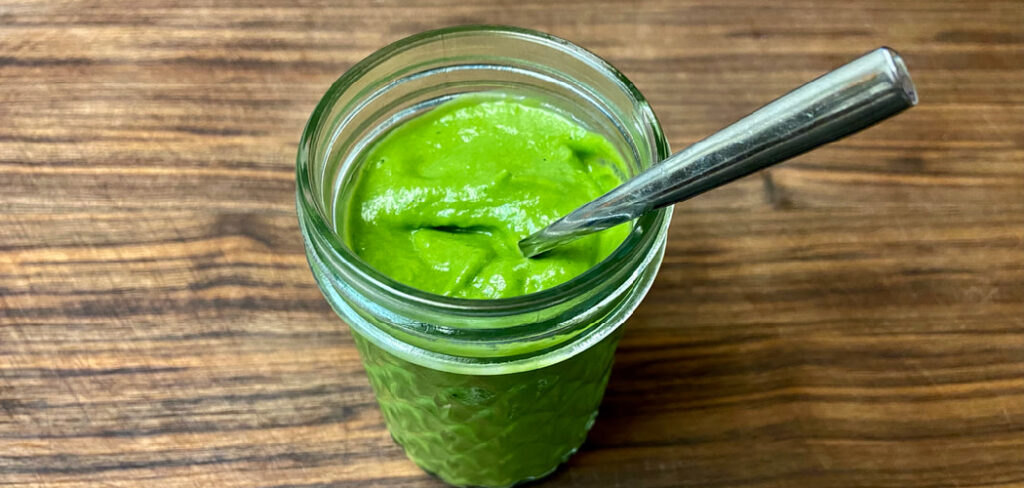
This guide walks you through everything you need: the tools, the steps, age-based tips, common slip-ups to avoid, and how to know things are going well. By the end, you’ll feel ready to whip up a fresh batch with confidence.
Why This Matters for New Parents
Making your own green bean baby food gives you control over what goes into your little one’s first meals. There are no added salts, sugars, or preservatives — just real, simple food.
It’s also gentler on your wallet. A bag of fresh or frozen green beans costs a fraction of store-bought jars and makes several servings.
Many new parents worry they’ll get it “wrong.” Take a breath. Homemade purees are forgiving, and green beans are one of the lowest-allergy first foods out there. You don’t need to be a chef to do this well.
What You’ll Need
You probably already have most of these in your kitchen. Here’s the short list:
- Green beans: Fresh or frozen both work great. About 1 pound makes several servings.
- A pot with a steamer basket: Steaming keeps the most nutrients in. A regular pot with a little water also works.
- A blender or food processor: Either one creates a smooth puree. An immersion (stick) blender works too.
- Clean water: For thinning the puree to the right texture.
- A fine mesh strainer (optional): This catches tough skins for an extra-smooth result, which younger babies appreciate.
- Ice cube trays or small containers: Perfect for freezing single-serving portions.
A quick tip: choose beans that are bright green and firm. Limp or spotted beans are past their best.
6 Step-by-Step Guide to Making Green Bean Baby Food
Here’s the whole process, broken into simple steps. Set aside about 20 minutes.
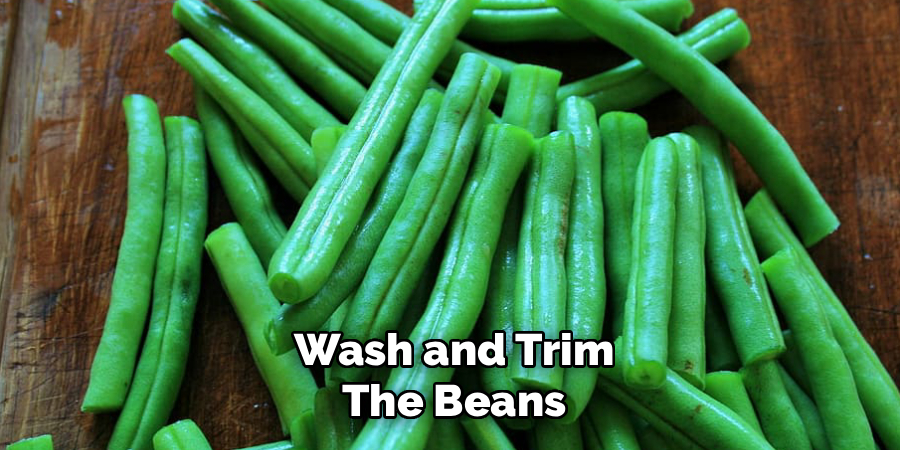
Step 1: Wash and Trim the Beans
Rinse the green beans under cool running water to remove any dirt. Then snap or cut off the stem ends.
Tip: If you’re using frozen beans, you can skip the trimming — they’re usually prepped already.
Step 2: Steam Until Tender
Add a couple inches of water to your pot, set the steamer basket on top, and bring it to a gentle boil. Add the beans, cover, and steam for 6 to 8 minutes.
You’ll know they’re ready when a fork slides in easily. Soft beans blend into a smoother puree.
Tip: Save a little of the steaming water. You’ll use it to thin the puree, and it holds some of the nutrients that cook out.
Step 3: Cool Slightly
Let the beans cool for a few minutes so they’re warm, not hot. This protects your blender and keeps things safe.
Step 4: Blend Until Smooth
Add the beans to your blender or food processor. Pulse a few times, then blend continuously until smooth.
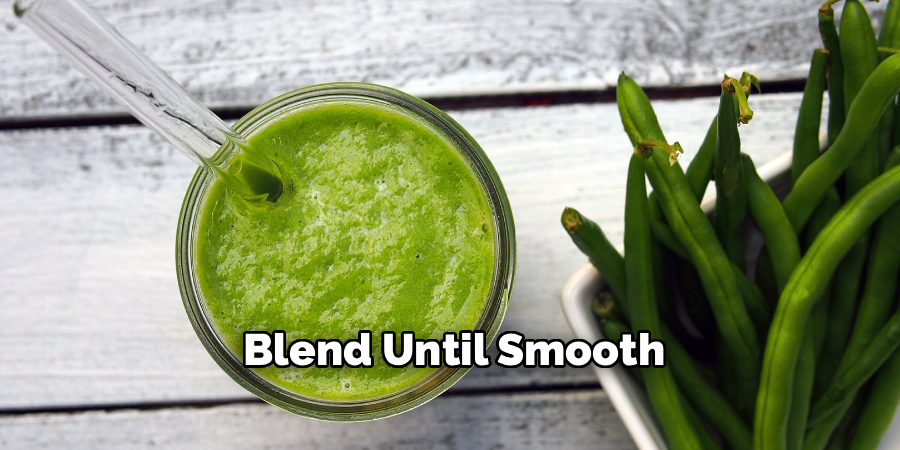
Add the reserved cooking water a tablespoon at a time until you reach the texture you want. Younger babies need a thinner, runnier puree.
Step 5: Strain for Extra Smoothness (Optional)
Green bean skins can stay slightly stringy even after blending. Pushing the puree through a fine mesh strainer removes them.
Tip: This step matters most for babies just starting solids. Older babies can usually handle a little texture.
Step 6: Serve or Store
Serve a small amount warm right away. For the rest, pour the puree into ice cube trays, freeze, then pop the cubes into a labeled freezer bag.
Frozen cubes keep for up to three months. Fresh puree lasts about three days in the fridge.
Age-Specific Advice
When you introduce green beans depends on your baby’s readiness, not just their age. Here’s what to keep in mind.
Around 4 to 6 Months
Most babies are ready for solids around 6 months, though some start closer to 4 months. Look for signs of readiness: good head control, sitting with support, and interest in your food.
At this stage, keep the puree thin and silky. A first serving might be just one or two teaspoons.
Tip: Always check with your pediatrician before starting solids, especially if your baby was born early.
6 to 8 Months
By now, your baby can handle a slightly thicker puree. You can blend the beans a little less and skip the straining step.
This is also a good time to mix green beans with other purees, like pear or potato, for variety.
8 Months and Beyond
Many babies start exploring soft finger foods at this point. You can offer well-cooked green beans cut into small, soft pieces.
Mashing instead of blending creates more texture, which helps your baby learn to chew. Always supervise closely.
Common Mistakes to Avoid
A few small missteps can affect taste, texture, or safety. Here’s what to watch for.
- Adding salt or seasoning: Babies don’t need salt, and their kidneys can’t handle much of it. Let the natural flavor shine instead.
- Boiling instead of steaming: Boiling leaches nutrients into the water. Steaming keeps more of the good stuff in the beans.
- Making the puree too thick too soon: A thick texture can be hard for new eaters to swallow. Start thin and build up gradually.
- Skipping the strain step for young babies: Tough skins can feel stringy. For early eaters, straining makes the puree easier to manage.
- Storing for too long: Homemade puree has no preservatives. Stick to three days in the fridge or three months in the freezer.
Safety Tips
A little care goes a long way when preparing food for your baby. Keep these reminders in mind.
- Wash your hands and tools before you start. Clean surfaces lower the risk of contamination.
- Cook beans until fully soft. Firm pieces can be a choking hazard for young babies.
- Test the temperature before serving. Warm is ideal; hot can burn delicate mouths.
- Introduce one new food at a time. Wait three to five days before adding another. This helps you spot any reaction.
- Never reheat puree more than once. Reheating repeatedly raises the risk of bacteria growing.
- Thaw frozen cubes safely in the fridge or under cool water, not on the counter.
When you first offer green beans, watch for any signs of a reaction, such as rash, swelling, or unusual fussiness. Green beans rarely cause allergies, but it’s smart to stay alert with any new food.
Signs You’re Doing It Right
Wondering if your homemade green bean baby food is hitting the mark? These are good signs.
- The puree is smooth and lump-free for younger eaters, or pleasantly soft for older ones.
- Your baby opens up for more, or at least seems curious rather than upset.
- The color stays bright green after blending, which means you didn’t overcook the beans.
- Your baby’s digestion seems normal, with no signs of discomfort after eating.
Keep in mind that many babies make funny faces at new flavors. A scrunched nose doesn’t always mean dislike — it often just means “this is new.” It can take 8 to 10 tries before a baby accepts a new food, so don’t give up after one frown.
Frequently Asked Questions
Can I use canned green beans for baby food?
Fresh or frozen beans are the better choice. Canned green beans often contain added salt, which babies should avoid. If canned is your only option, look for a no-salt-added variety and rinse the beans well.
When can my baby eat green beans?
Most babies are ready around 6 months, once they can sit up with support and show interest in food. Some pediatricians give the go-ahead as early as 4 months. Always confirm with your doctor first.
How long does homemade green bean puree last?
In the fridge, it stays fresh for about three days in a sealed container. In the freezer, it keeps for up to three months. Label your containers with the date so you can track them easily.
Do I have to strain the puree?
Not always. Straining removes the slightly stringy skins, which helps young beginners. Once your baby is comfortable with thicker textures, you can skip this step.
Can I mix green beans with other foods?
Yes, and it’s a lovely way to add variety. Green beans pair well with pear, apple, potato, or carrot. Just introduce each new food on its own first so you can watch for any reaction.
Final Thoughts on How to Make Green Bean Baby Food
Learning how to make green bean baby food is one of those small wins that feels surprisingly good. With a few simple tools and a little steaming, you can offer your baby a fresh, wholesome meal you made yourself.
Don’t stress about perfection. Some days the puree will be silkier than others, and some days your baby will turn away — and that’s all completely normal. Trust yourself, take it one spoonful at a time, and enjoy this messy, wonderful stage. You’ve got this.

About
Joann Meril didn’t plan on becoming a parenting writer — it found her. After spending several years working as a certified nursing assistant in a pediatric clinic, Joann saw firsthand how anxious and under-informed new parents could feel, even with a hospital full of resources around them. When she had her own two children, that gap became personal. Suddenly she was the one googling things at 2 a.m., comparing baby monitors, and wondering if the swaddle she bought was actually safe.
That experience is what shaped her approach to writing. Joann believes parenting advice should be practical, honest, and free of unnecessary jargon or guilt. She tests products herself whenever possible, reads the actual safety standards instead of just the marketing copy, and isn’t afraid to say when something isn’t worth the money.
Today, Joann writes full-time, covering everything from newborn sleep routines to gear reviews to the small everyday wins that make parenting feel a little less overwhelming. When she’s not researching or writing, she’s usually chasing her own kids around the backyard or drinking coffee that’s gone cold for the third time that morning.
Joann lives in [City/State] with her husband and two children.
Credibility
- Background in pediatric caregiving (CNA)
- Mom of two, hands-on parenting experience
- Hand-tests baby gear before recommending it
- Focus: infant sleep, feeding, gear safety, early development