

Finding a dark spot, white patch, or small hole on your child’s tooth can feel worrying, especially when your child is too young to explain pain clearly. Many caregivers search for how to treat cavities in baby teeth naturally because they want gentle, safe options before problems get worse. The key is understanding what natural support can and cannot do.
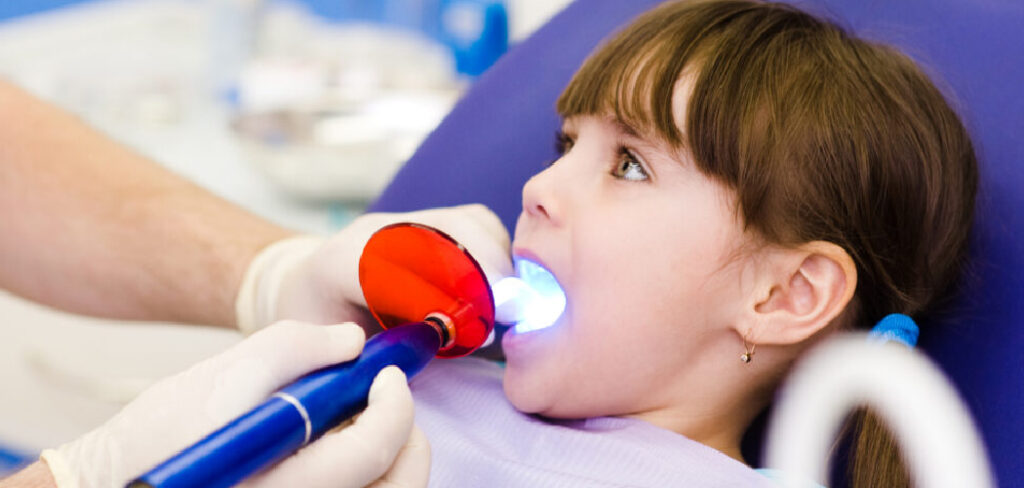
Early enamel demineralization may sometimes improve with better hygiene, diet changes, and professional guidance. But a true cavity with a hole cannot be cured at home. Baby teeth still matter because they help with chewing, speech, comfort, and guiding adult teeth into place. This guide will help you respond wisely, support oral health, and know when to call a pediatric dentist.
Why Early Action for Baby Tooth Decay Matters
Baby tooth decay can move faster than many parents expect. The enamel on primary teeth is thinner than adult enamel, so early childhood caries may progress from white spots to brown areas, sensitivity, or tooth pain in a short time. Early action protects your child’s comfort during meals, sleep, and daily play.
Treating problems early can also help prevent infection, swelling, bad breath, gum irritation, and trouble eating. Baby teeth hold space for permanent teeth, so losing them too soon can affect future alignment. When you learn what to watch for, you can support healthier habits at home and get dental care before a small concern becomes a bigger one.
Tools and Materials You’ll Need
You do not need complicated supplies to support your child’s oral health. A few reliable basics can help you clean gently, spot changes early, and build a routine your child accepts.
- A soft-bristled baby or toddler toothbrush
- Fluoride toothpaste, if recommended for your child’s age and risk level
- Hydroxyapatite toothpaste, if you want to discuss a fluoride-free option with a dentist
- Clean water for rinsing the brush and encouraging healthy sipping
- A small flashlight to check teeth in good light
- A simple food and drink log to track sugary drinks, sticky snacks, and grazing
- Contact information for a pediatric dentist
- Optional: a timer or brushing song to help your child brush for the right length of time
Step-by-Step Guide on How to Treat Cavities in Baby Teeth Naturally
Step 1 – Check for Early Signs in Good Light
Start by looking at your child’s teeth in a bright, calm setting. Lift the lip gently and check along the gumline, between teeth, and on chewing surfaces. Early enamel demineralization may look like chalky white spots on teeth, especially near the gums.
Brown spots, black marks, rough areas, or visible holes suggest decay may have moved deeper. Bad breath, food traps, sensitivity, or chewing on one side can also signal trouble. A careful look helps you describe what you see, but it does not replace a dental exam.
Step 2 – Understand What Natural Support Can Do
A responsible approach to how to treat cavities in baby teeth naturally starts with knowing the difference between early mineral loss and a true cavity. Very early white spots may sometimes be stabilized with better brushing, diet changes, saliva support, and professional preventive care.
A cavitated tooth is different. Once the enamel breaks and a hole forms, food and plaque can collect inside. Natural habits can slow risk and support gum health, but they cannot fill the hole or remove infected tooth structure. That is when a pediatric dentist needs to evaluate the tooth.
Step 3 – Brush Gently Twice a Day
Brush your child’s teeth twice daily with a soft toothbrush and a tiny amount of toothpaste appropriate for their age and dental risk. Use small circles near the gumline, where plaque often collects. The goal is gentle, steady cleaning, not hard scrubbing.
If your child resists, keep the tone calm and predictable. You can sit them on your lap, use a mirror, or sing a short song. Brushing before bed matters most because saliva flow drops during sleep, giving acids more time to weaken enamel.
Step 4 – Review Snacks and Drinks
Sugar exposure is often about frequency, not just amount. Sipping juice, milk, sweet tea, or flavored drinks throughout the day keeps teeth coated in sugars. Sticky snacks like gummies, dried fruit, crackers, and sweet cereals can cling to grooves and feed plaque bacteria.
Offer water between meals when possible. Keep sweet foods with meals instead of letting your child graze for hours. You do not need a perfect diet, but you do need regular breaks so saliva can help neutralize acids and support remineralization.
Step 5 – Avoid Bedtime Milk or Juice Habits
Bedtime bottles or sippy cups with milk, formula, or juice can raise the risk of cavities in toddlers, especially on the upper front teeth. During sleep, liquids pool around teeth and saliva slows down. That creates a long acid attack on enamel.
If your child needs comfort at night, ask your pediatrician or dentist how to shift the habit safely. Water is usually the safest drink after brushing unless a medical professional gives different advice. Small changes here can make a big difference in baby tooth decay risk.
Step 6 – Support Saliva and Mouth Comfort
Saliva helps wash away food, buffer acids, and bring minerals back to enamel. Encourage regular water drinking, especially after snacks. If your child breathes through their mouth, snores, or often has a dry mouth, mention it to a healthcare provider or dentist.
Chewing age-safe foods with meals can also support saliva flow. Avoid giving hard, sticky, or choking-risk foods to young children. When thinking about how to treat cavities in baby teeth naturally, saliva support is one of the safest and most useful daily habits.
Step 7 – Schedule a Pediatric Dental Exam
If you see white spots, brown areas, sensitivity, a hole, swelling, or pain, schedule a visit with a pediatric dentist. Do not wait for your child to complain. Young children may avoid chewing, cry at night, or act irritable instead of saying a tooth hurts.
A dentist can tell whether you are seeing early demineralization, staining, enamel defects, or an active cavity. They may discuss preventive dental care, fluoride varnish, sealants, fillings, or other options based on the tooth and your child’s age. Early care often means simpler care.
Step 8 – Follow the Dentist’s Plan at Home
After the exam, follow the care plan closely. If the dentist says the area is an early enamel change, home care may focus on brushing, diet, fluoride or hydroxyapatite discussions, and regular checks. If the tooth has a cavity, the plan may include dental treatment to stop decay from spreading.
Ask questions if you feel unsure. You can ask what stage the decay is in, whether the tooth has a hole, and what signs mean you should return sooner. Your home routine matters, but professional guidance keeps your child safe and comfortable.
Common Mistakes When Trying to Manage Baby Tooth Decay
One common mistake is believing that baby teeth do not matter because they will fall out. In reality, primary teeth help children chew, speak clearly, sleep comfortably, and save space for adult teeth. Ignoring decay can lead to pain, infection, and early tooth loss.
Another mistake is trying to heal a visible cavity with diet alone. Better food choices and brushing help reduce future risk, but they cannot rebuild a tooth once a hole has formed. A cavitated tooth needs a dentist’s evaluation.
Some parents also avoid fluoride without discussing their child’s cavity risk. Others use too much toothpaste or choose products without knowing what is age-appropriate. Fluoride toothpaste and hydroxyapatite toothpaste are both topics worth discussing with a pediatric dentist, especially if your child already has signs of decay.
A final mistake is brushing harder when spots appear. Hard scrubbing can irritate gums and make brushing stressful. Gentle, consistent brushing works better than force.
Expert Tips
Think of natural support as risk control, not a home cure for established cavities. Your strongest tools are early detection, daily plaque removal, smart feeding habits, and timely dental care. If you notice white spots near the gumline, act before they turn brown or rough.
Keep routines simple and repeatable. Brush in the same place, at the same times, and use the same short phrase so your child knows what to expect. If your child has frequent cavities, ask about the full picture: snack timing, drinks, brushing help, enamel strength, saliva, mouth breathing, and family cavity history.
Frequently Asked Questions
Can a cavity in a baby tooth heal naturally?
A true cavity with a hole cannot heal naturally at home. Once tooth structure breaks down, a dentist must evaluate it and may need to repair it. Very early white spots from enamel demineralization may sometimes be stabilized with professional guidance, better brushing, diet changes, and mineral support. The earlier you act, the more options you may have.
Are white spots on baby teeth always cavities?
No, white spots are not always cavities, but they can be an early warning sign. They may show enamel demineralization, enamel defects, or areas where plaque has weakened the tooth surface. A pediatric dentist can check whether the spot is active decay. If you notice chalky white areas near the gums, schedule an exam soon.
Should I use fluoride toothpaste for my toddler?
Many dentists recommend a small, age-appropriate amount of fluoride toothpaste for children, especially those at higher risk for cavities. The right amount depends on your child’s age, ability to spit, and cavity risk. If you prefer hydroxyapatite toothpaste or have concerns about fluoride, ask your pediatric dentist for guidance instead of guessing.
What foods make baby tooth decay worse?
Frequent sugary drinks, juice, candy, gummies, dried fruit, sweet crackers, and sticky snacks can raise cavity risk. Foods that cling to teeth give plaque bacteria more time to make acid. The timing matters too. Constant grazing is harder on enamel than eating snacks at set times followed by water.
When should I call a pediatric dentist?
Call a pediatric dentist if you see brown spots, black marks, holes, swelling, bad breath that does not improve, sensitivity, or tooth pain. You should also schedule a visit for chalky white spots, especially near the gumline. If your child has facial swelling, fever, or severe pain, seek urgent dental or medical care.
Conclusion
Learning how to treat cavities in baby teeth naturally means learning how to support oral health safely while knowing the limits of home care. Natural habits can help reduce plaque, protect saliva, support remineralization, and lower the risk of new decay. They matter every day.
Still, an established cavity is not something to manage alone. If you see a hole, pain, swelling, spreading discoloration, or signs your child avoids chewing, a pediatric dentist should evaluate the tooth. Baby teeth play an important role in eating, speech, sleep, and guiding adult teeth, so early care is worth it.
Start with gentle brushing, better snack and drink timing, water between meals, and a dental visit when anything looks suspicious. With calm action and the right guidance, you can protect your child’s smile and build habits that support long-term oral health.

About
Joann Meril didn’t plan on becoming a parenting writer — it found her. After spending several years working as a certified nursing assistant in a pediatric clinic, Joann saw firsthand how anxious and under-informed new parents could feel, even with a hospital full of resources around them. When she had her own two children, that gap became personal. Suddenly she was the one googling things at 2 a.m., comparing baby monitors, and wondering if the swaddle she bought was actually safe.
That experience is what shaped her approach to writing. Joann believes parenting advice should be practical, honest, and free of unnecessary jargon or guilt. She tests products herself whenever possible, reads the actual safety standards instead of just the marketing copy, and isn’t afraid to say when something isn’t worth the money.
Today, Joann writes full-time, covering everything from newborn sleep routines to gear reviews to the small everyday wins that make parenting feel a little less overwhelming. When she’s not researching or writing, she’s usually chasing her own kids around the backyard or drinking coffee that’s gone cold for the third time that morning.
Joann lives in [City/State] with her husband and two children.
Credibility
- Background in pediatric caregiving (CNA)
- Mom of two, hands-on parenting experience
- Hand-tests baby gear before recommending it
- Focus: infant sleep, feeding, gear safety, early development