

Cold weather can make even a short drive feel stressful when you have a baby. You want your little one to feel cozy, but you also need the car seat harness to work the way it was designed. Thick coats, puffy snowsuits, and bulky blankets under the straps may seem warm, yet they can create unsafe space between your baby and the harness.
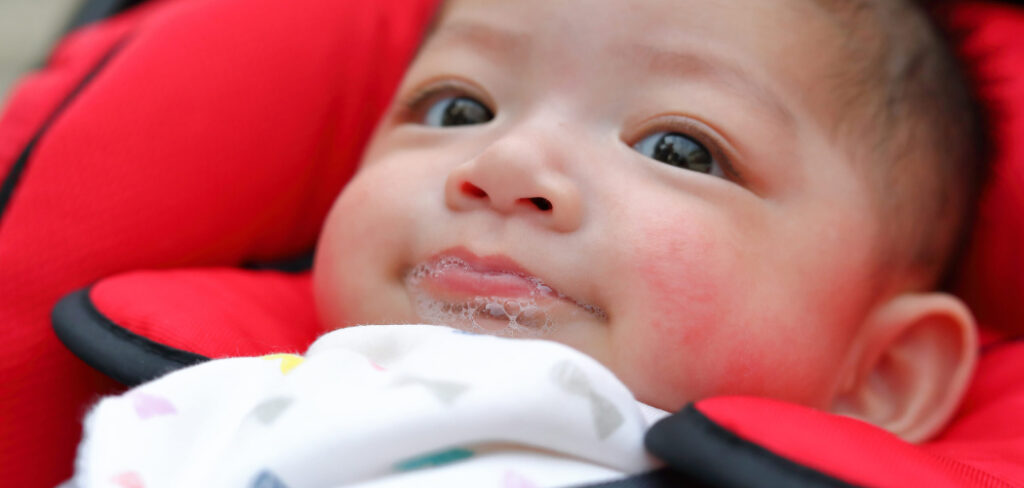
Learning how to keep baby warm in car seat helps you make smart choices before winter travel, daycare drop-off, doctor visits, or holiday trips. With the right layers and a few simple habits, you can protect your baby from both cold air and unsafe car seat use.
This guide will show you safe, beginner-friendly ways to keep your baby warm while keeping car seat safety first.
Why Keeping a Baby Warm in a Car Seat Matters
Babies lose heat faster than adults, especially through their head, hands, and feet. In cold weather, this can make caregivers worry about every draft, icy buckle, or chilly ride. At the same time, a car seat must hold your baby snugly against the seat shell to protect them during a sudden stop or crash.
That is why warmth and harness fit have to work together. A bulky coat or thick infant outerwear can compress under crash forces, leaving the harness too loose when it matters most. Thin layers, warm socks, mittens, and a blanket over the buckled harness provide warmth without blocking the straps from doing their job.
When you understand safe winter travel with baby, you can act calmly, dress your baby well, and avoid risky cold-weather shortcuts.
Tools and Materials You’ll Need
You do not need fancy gear to keep your baby warm in a rear-facing seat. Focus on items that add warmth without sitting between your baby and the harness. Keep everything clean, soft, and easy to remove if your baby gets too warm.
- Thin clothing layers, such as a long-sleeve bodysuit, fleece sleeper, or fitted sweater
- Warm socks or soft booties that stay on well
- Mittens for little hands during cold walks to and from the car
- A fitted hat for outside use, if age-appropriate and safe for your baby
- A car seat-safe blanket placed over the harness after buckling
- The car seat manual for fit and accessory guidance
- Optional: a shower-cap style car seat cover that goes over the seat and never behind the baby
Avoid bulky coats, thick snowsuits, sleeping bag inserts, and products that route behind your baby’s back.
8 Step-by-Step Guide on How to Keep Baby Warm in Car Seat
Step 1 – Warm the Car Before You Buckle
If you can do so safely, warm the car before placing your baby in the seat. Start the vehicle only in a well-ventilated area, never in a closed garage. A slightly warmer cabin makes the buckling process easier because your baby is not lying against a freezing seat shell.
Touch the buckle and straps with your hand before putting your baby in. If they feel icy, give them a minute to warm. You can also bring an infant seat indoors between trips if your car seat manual allows it and the seat is not left somewhere unsafe.
The safest answer to how to keep baby warm in car seat starts before the harness clicks. A warm car lowers the need for bulky clothing.
Step 2 – Dress Your Baby in Thin Layers
Thin layers trap warmth without adding dangerous bulk under the harness. Start with a soft base layer, such as a cotton bodysuit or footed sleeper. Add a fitted fleece layer if the weather is very cold. The fabric should feel warm and flexible, not thick, stiff, or puffy.
Run your fingers over your baby’s shoulders and chest after dressing them. If the outfit creates large folds under the straps, it may be too bulky for safe car seat use. Smooth, close-fitting clothing helps the harness rest where it should.
Think of layers as small pockets of warmth. They keep your baby cozy while still allowing the straps to lie flat and snug against the body.
Step 3 – Skip Bulky Coats and Snowsuits
Puffy jackets and thick snowsuits can look perfect for winter, but they are not safe under car seat straps. The problem is compression. In a crash, the soft filling can flatten, leaving extra room between your baby and the harness.
A good way to test this is to buckle your baby in the coat, tighten the harness, then remove the coat without loosening the straps. Buckle your baby again in regular clothing. If the straps are now loose, the coat added unsafe space.
Use the coat outside the car, then remove it before buckling. If you need extra warmth, place the coat backward over your baby after the harness is secured, like a blanket.
Step 4 – Buckle the Harness Snugly
Place your baby in the car seat with their back and bottom flat against the seat. Pull the harness straps over the shoulders without twists. Buckle the crotch buckle, then tighten the harness until it feels snug and even.
Use the pinch test at the collarbone area. If you can pinch extra strap webbing between your fingers, the harness is too loose. A snug harness should lie flat against your baby’s chest and shoulders while still allowing comfortable breathing.
The chest clip should sit at armpit level, not on the belly or neck. This small plastic clip helps keep the shoulder straps in the right place during travel.
Step 5 – Add Warmth Over the Buckled Harness
Once your baby is buckled correctly, add warmth on top. A blanket over harness is one of the simplest safe choices. Tuck it around your baby’s sides and legs, but keep it away from the face and avoid placing it under the back, bottom, or straps.
The blanket should feel warm but not heavy. If it slides up toward your baby’s mouth or nose, adjust it right away. For older babies who kick, choose a blanket size that covers the body without bunching.
This method keeps the harness fit secure while still blocking cold air. It also makes it easy to remove a layer if the car warms up.
Step 6 – Use Car Seat Covers Carefully
Some car seat covers are safer than others. A shower-cap style cover fits over the outside rim of an infant seat and does not go under your baby, behind their back, or between the harness straps. This style can help block wind during quick walks from the house to the car.
Avoid covers with thick padding that sits behind the baby or changes the harness path. These may interfere with car seat safety and may not be approved by the manufacturer.
A key part of how to keep baby warm in car seat is knowing where warmth belongs. Warm items can go over the secured harness, but they should not change how the harness touches your baby.
Step 7 – Check Hands, Feet, Neck, and Chest
Babies can have cool hands and feet even when their core is warm. Instead of judging comfort only by fingers or toes, check the back of the neck or upper chest. The skin should feel warm, not sweaty, clammy, or hot.
If your baby’s chest feels cool, add a safe top layer over the harness. If your baby is sweating, flushed, breathing fast, or unusually fussy, remove a blanket or open the cover. Overheating signs can be easy to miss in winter because caregivers focus so much on the cold.
During longer drives, check at safe stops. Never adjust your baby while the car is moving.
Step 8 – Follow the Car Seat Manual Every Time
Your car seat manual tells you how the harness, inserts, recline angle, and approved accessories should be used. Keep it nearby or save a digital copy on your phone. The manual matters because each seat has different rules for newborn support, strap height, padding, and covers.
Use only products that came with the seat or that the manufacturer approves. Aftermarket products may look soft and helpful, but they can change how your baby fits in the seat.
If you are unsure, ask a certified child passenger safety technician to check the setup. A short fit check can give you peace of mind for many cold-weather trips.
Common Mistakes When Keeping a Baby Warm in a Car Seat
One of the biggest mistakes is buckling a baby while they are wearing a puffy jacket or thick snowsuit. These items create hidden space under the harness. The straps may feel tight at first, but the padding can compress during a crash, making the harness too loose.
Another common mistake is loosening the harness to make room for winter clothing. A harness should fit the baby, not the outfit. If the straps need major loosening because of a coat, the layer is probably too bulky for car seat use.
Caregivers also sometimes overheat a baby by using too many layers, a heavy blanket, a warm car, and a cover all at once. Watch for sweating, flushed cheeks, damp hair, or unusual fussiness. Warm is good; hot is not.
Relying on aftermarket cold weather baby gear can also cause problems. Inserts, padded liners, sleeping bag covers, or strap pads that did not come with the car seat may interfere with fit.
Finally, keeping hats on too long indoors or in a heated car can trap excess heat. Use hats wisely outside, then reassess once the cabin feels warm.
Expert Tips
Build a simple cold-weather routine before you are running late. Dress your baby in thin layers, carry the bulky coat separately, buckle the harness snugly, then add a blanket over the straps. Repeating the same order helps you avoid rushed mistakes.
Keep an extra blanket, mittens, and socks in your diaper bag or car. Babies often kick off small items, and wet socks can make feet cold fast. Choose soft fabrics that feel warm without being thick under the harness.
For newborns, pay close attention to airway position. Your baby’s chin should not slump down onto the chest. Warmth matters, but clear breathing, proper recline, and a snug harness matter even more.
Frequently Asked Questions
Can My Baby Wear a Coat in the Car Seat?
Your baby should not wear a bulky coat or puffy snowsuit under the harness. These items can compress and create unsafe slack. A thin fleece jacket or fitted sweater may be fine if the harness still passes the pinch test. When in doubt, buckle your baby in regular layers and place the coat or blanket over the secured straps.
What Is the Safest Blanket Method?
Buckle and tighten your baby first, then place the blanket over the harness. Keep the blanket below the chin and away from the face. Tuck it lightly around the sides and legs, not behind the back or under the straps. This keeps your baby warm while allowing the harness to stay snug and flat.
How Do I Know If My Baby Is Too Cold?
Check your baby’s chest, back, or neck instead of relying only on hands and feet. Cool fingers can be normal, but a cold chest may mean your baby needs another safe layer. Look for shivering, pale skin, or unusual fussiness. Add warmth over the harness, then check again after the car begins to warm.
How Do I Know If My Baby Is Overheating?
Overheating signs include sweating, damp hair, flushed cheeks, rapid breathing, heat rash, or unusual sleepiness. Your baby may also seem restless or fussy. If the car is warm and your baby has several layers, remove the blanket or open the cover. Check the neck or chest to see if the skin feels hot or clammy.
Are Car Seat Covers Safe in Winter?
Some covers are safer than others. A shower-cap style cover that fits over the outside of an infant seat and does not go behind the baby can be useful in cold air. Avoid padded inserts, thick liners, or anything that sits under your baby or changes the harness fit. Always check your car seat manual first.
Conclusion
Keeping your baby warm during winter travel does not have to mean choosing between comfort and safety. The safest approach is simple: use thin layers under the harness, avoid bulky coats and snowsuits, tighten the straps properly, place the chest clip at armpit level, and add warmth over the buckled harness.
Small habits make a big difference. Warm the car when possible, keep extra socks and blankets nearby, check your baby’s neck or chest for temperature, and remove layers if you see overheating signs. Use only accessories approved by your car seat manufacturer, and review the manual when you are unsure.
Once you know how to keep baby warm in car seat, cold-weather trips feel much less intimidating. You can keep your baby cozy, secure, and ready for the ride by putting harness fit first and adding warmth in safe, flexible ways.

About
Joann Meril didn’t plan on becoming a parenting writer — it found her. After spending several years working as a certified nursing assistant in a pediatric clinic, Joann saw firsthand how anxious and under-informed new parents could feel, even with a hospital full of resources around them. When she had her own two children, that gap became personal. Suddenly she was the one googling things at 2 a.m., comparing baby monitors, and wondering if the swaddle she bought was actually safe.
That experience is what shaped her approach to writing. Joann believes parenting advice should be practical, honest, and free of unnecessary jargon or guilt. She tests products herself whenever possible, reads the actual safety standards instead of just the marketing copy, and isn’t afraid to say when something isn’t worth the money.
Today, Joann writes full-time, covering everything from newborn sleep routines to gear reviews to the small everyday wins that make parenting feel a little less overwhelming. When she’s not researching or writing, she’s usually chasing her own kids around the backyard or drinking coffee that’s gone cold for the third time that morning.
Joann lives in [City/State] with her husband and two children.
Credibility
- Background in pediatric caregiving (CNA)
- Mom of two, hands-on parenting experience
- Hand-tests baby gear before recommending it
- Focus: infant sleep, feeding, gear safety, early development