

A baby who cries the moment the buckle clicks can make even a short drive feel stressful. For first-time parents, this can be confusing because the car seat is non-negotiable for safety, yet your baby may arch, fuss, sweat, or scream during every car ride. If you are learning how to get baby to like car seat, the goal is not to “force” comfort but to build calm, safe, familiar routines around travel.
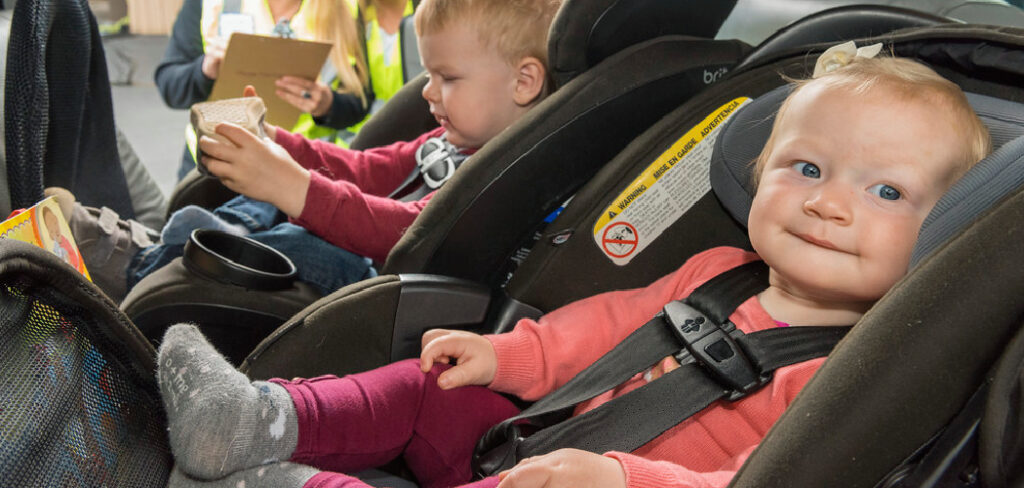
Small changes often make a big difference: better harness fit, softer timing, calmer transitions, and a predictable soothing routine. This guide will show you safe, practical ways to help your baby feel more settled in an infant car seat.
Why Helping Your Baby Feel Comfortable in a Car Seat Matters
Car seat comfort matters because your baby’s safety depends on consistent, correct use. A rear-facing seat protects your child best when the harness, chest clip, buckle, and shoulder straps fit as the manufacturer manual directs. If your baby cries in the car seat often, you may feel rushed, distracted, or tempted to loosen straps, add padding, or pull over repeatedly.
Helping your baby adjust also supports calmer daily routines. Doctor visits, daycare drop-offs, grocery trips, and family visits become less stressful when your baby learns that the car seat is a normal, safe place during travel. Comfort does not replace safety, but it makes safe travel easier to maintain every time.
Tools and Materials You’ll Need
You do not need many products to help your baby settle. Start with safety-approved basics and avoid aftermarket inserts, pillows, strap covers, or head supports unless your car seat manufacturer allows them.
- Your infant car seat or convertible rear-facing seat
- The manufacturer manual for fit and installation checks
- A thin, weather-appropriate outfit without bulky coats
- A pacifier, if your baby already uses one
- A soft muslin blanket for warmth after buckling, not under the harness
- A small approved toy for older babies who can safely hold it
- White noise from the car, a portable sound machine, or your phone at a safe volume
- Optional convenience item: a stroller travel system for smoother transfers when appropriate
8 Step-by-Step Guide on How to Get Baby to Like Car Seat
Step 1 – Check the Seat Fit Before Every Ride
Start with the basics: your baby may dislike the seat because something feels tight, crooked, or unsupported. Check that the harness straps come from the correct slot for rear-facing use, usually at or below the shoulders. The chest clip should sit at armpit level, not near the belly or neck.
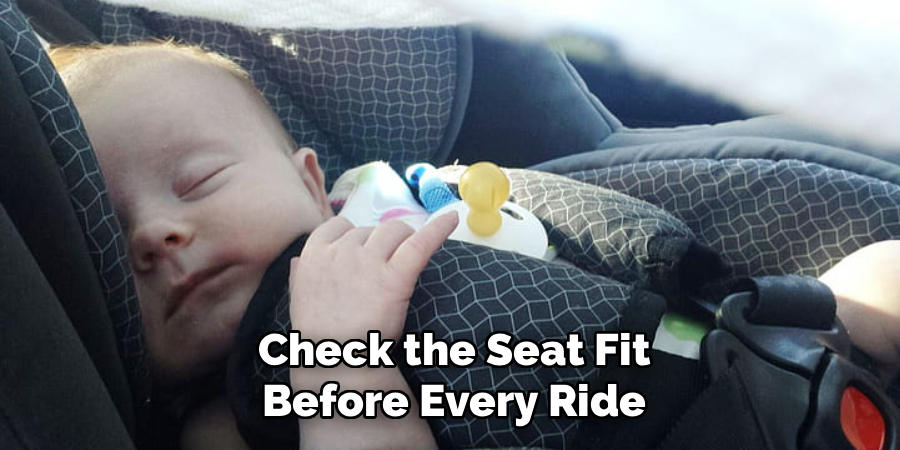
The harness should pass the pinch test, meaning you cannot pinch extra webbing at the shoulder. It should feel snug, not harsh. Make sure the buckle lies flat and no fabric bunches under your baby’s thighs. A clean, smooth fit can reduce pressure points and help your baby feel secure instead of trapped.
Step 2 – Create Calm Practice Time Outside the Car
Let your baby see the car seat when you are not rushing out the door. Place it on the floor only if the manual allows that use, and stay right beside your baby. Keep practice short, calm, and supervised.
Sit near the seat, smile, talk, and let your baby touch the fabric or buckle area without strapping in at first. Then try a brief buckle session for one or two minutes. This gentle exposure is a key part of how to get baby to like car seat because it builds familiarity without the stress of motion, traffic, or a tight schedule.
Step 3 – Time Rides Around Feeding and Sleepy Cues
A hungry, overtired, or gassy baby often has less patience for any restraint. Try to leave after a feeding and burp, but avoid buckling your baby immediately after a large meal if reflux is an issue. Give your baby a few minutes upright first.
Watch for sleepy cues like slower blinking, yawning, or turning away from noise. A short car ride near nap routine time can work well for some babies because the steady motion feels soothing. For others, travel right after waking is better. Track patterns for a week and adjust the timing.
Step 4 – Dress Baby for Temperature and Harness Safety
Temperature can cause big reactions in a small body. A baby who feels hot against the seat padding may cry, sweat, or squirm. A baby who feels cold may tense up and resist the buckle.
Use thin layers that work safely under the harness. Skip bulky coats, puffy suits, or thick blankets under the straps because they can compress in a crash and create unsafe slack. Buckle your baby first, then place a blanket over the harness if needed. In warm weather, cool the car before loading your baby and check that the seat fabric is not hot to the touch.
Step 5 – Build a Predictable Buckling Routine
Babies often respond well to repetition. Use the same simple steps each time: soft voice, seat placement, shoulder straps, buckle, chest clip, then a short phrase like “All safe, time to ride.” Your calm tone matters because babies notice tension in your face, hands, and voice.
Move slowly when you can. Let the buckle click without making it feel like a sudden event. If your baby cries, pause for a breath but keep the routine steady. A predictable sequence can turn a stressful moment into something your baby begins to recognize.
Step 6 – Use Safe Soothing During the Ride
For many families, how to get baby to like car seat depends on finding the right soothing cue. White noise, soft humming, gentle conversation, or a familiar song can help your baby settle into the motion of the car. Keep sounds low enough that you can still focus on driving.
If another adult rides with you, they can sit where your baby can see them and offer reassurance. A pacifier may help if your baby uses one. Avoid loose items that could become unsafe in a sudden stop. Keep comfort simple, secure, and easy to repeat.
Step 7 – Start With Short, Successful Trips
Do not make your baby’s first calm practice ride a long errand day. Begin with a five- to ten-minute drive around familiar streets. Choose a time when traffic is light and you feel calm.
End the ride before your baby becomes overwhelmed when possible. If your baby stays peaceful for even a few minutes, that counts as progress. Over time, stretch the ride by small amounts. The goal is to help your baby connect the rear-facing seat with safe, manageable experiences rather than long periods of distress.
Step 8 – Respond to Ongoing Discomfort With Care
Some crying in car seat situations need a closer look. Check for reflux, gas, tight clothing, a poor recline angle, or a harness position that rubs the neck. Also check whether your baby has outgrown the newborn settings or needs a different approved adjustment.
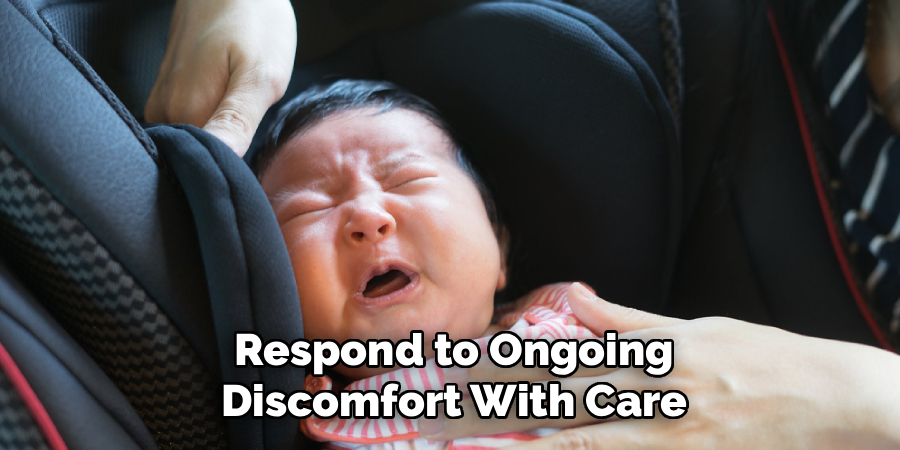
Never add aftermarket inserts or extra head support unless your seat manual clearly allows them. If your baby cries intensely during most rides despite careful changes, ask your pediatrician for guidance. Your baby may have a medical issue, sensory sensitivity, or positioning concern that needs professional support.
Common Mistakes When Helping a Baby Adjust to a Car Seat
One common mistake is loosening the harness to stop crying. A loose harness may seem kinder in the moment, but it reduces crash protection. The straps should stay snug, flat, and correctly placed every ride.
Another mistake is adding soft padding, strap covers, pillows, or head supports that did not come with the seat. These products may change how the car seat performs. Use only items approved by the manufacturer manual.
Parents also sometimes overlook temperature. A baby in a fleece outfit, thick hat, or warm car may fuss because they feel sweaty and trapped. Choose thin layers and adjust the car temperature before leaving.
It is also easy to wait until the last second to buckle. Rushing can make your baby tense before the ride even starts. Build in a few extra minutes so your hands, voice, and movements stay calm.
Finally, avoid letting your baby sleep in the car seat after travel ends. Car seats are made for transportation, not routine safe sleep outside the car or stroller travel system use as directed.
Expert Tips
Think of car seat comfort as a habit, not a one-time fix. Babies learn through repeated, safe experiences. Keep your routine simple enough to use on hard days: check fit, manage temperature, buckle calmly, add a soothing cue, and start with short trips when possible.
If your baby suddenly hates the seat after weeks of tolerating it, inspect the setup again. Growth can change harness fit quickly. Shoulder straps, head support settings, recline angle, and buckle position may need adjustment. When in doubt, read the manual, visit a certified car seat technician, or call your pediatrician if distress seems unusual or severe.
Frequently Asked Questions
Why does my baby cry as soon as I buckle the car seat?
Your baby may cry because of hunger, gas, fatigue, temperature, tight clothing, or an uncomfortable harness position. Some babies also dislike the feeling of being restrained. First, check fit and safety settings. Then work on calm practice sessions, better timing, and a predictable soothing routine so the buckle feels less surprising.
Can I use extra padding to make the infant car seat softer?
Only use padding, inserts, strap covers, or head support that came with your car seat or that the manufacturer specifically approves. Extra products can affect harness fit and crash performance. If the seat seems uncomfortable, check the recline, strap height, clothing layers, and manual-approved settings before adding anything.
What should my baby wear in a rear-facing seat?
Dress your baby in thin, fitted layers that allow the harness to sit close to the body. Avoid bulky coats, thick snowsuits, or heavy fleece under the straps. In cold weather, buckle first and place a blanket over the harness. In warm weather, cool the car and check the seat fabric before loading your baby.
Is it okay if my baby falls asleep during a car ride?
Yes, babies often fall asleep during travel because motion and white noise can feel soothing. The key is to use the car seat for travel, not as a regular sleep space after the ride. When you arrive, move your baby to a safe sleep surface, such as a firm crib or bassinet, as soon as practical.
When should I ask a pediatrician for help?
Ask your pediatrician if your baby cries intensely during nearly every ride, vomits often, arches in pain, has breathing concerns, or seems unusually distressed in the car seat. Medical issues like reflux, ear discomfort, or body tension can make travel harder. You can also ask a certified car seat technician to check installation and harness fit.
Conclusion
Learning how to get baby to like car seat takes patience, but you do not have to guess your way through it. Start with safety: correct harness fit, proper chest clip placement, no bulky coats, and no unapproved aftermarket products. Then focus on comfort cues your baby can learn, such as calm practice, short rides, steady white noise, better timing, and a simple buckling routine.
Progress may look small at first. A quieter buckle, a shorter crying spell, or one peaceful drive around the block all count. If distress continues, use your manual, seek a car seat fit check, and talk with your pediatrician. With steady, safe practice, your baby can learn that the car seat is part of normal travel—and you can feel more confident every time you leave home.

About
Joann Meril didn’t plan on becoming a parenting writer — it found her. After spending several years working as a certified nursing assistant in a pediatric clinic, Joann saw firsthand how anxious and under-informed new parents could feel, even with a hospital full of resources around them. When she had her own two children, that gap became personal. Suddenly she was the one googling things at 2 a.m., comparing baby monitors, and wondering if the swaddle she bought was actually safe.
That experience is what shaped her approach to writing. Joann believes parenting advice should be practical, honest, and free of unnecessary jargon or guilt. She tests products herself whenever possible, reads the actual safety standards instead of just the marketing copy, and isn’t afraid to say when something isn’t worth the money.
Today, Joann writes full-time, covering everything from newborn sleep routines to gear reviews to the small everyday wins that make parenting feel a little less overwhelming. When she’s not researching or writing, she’s usually chasing her own kids around the backyard or drinking coffee that’s gone cold for the third time that morning.
Joann lives in [City/State] with her husband and two children.
Credibility
- Background in pediatric caregiving (CNA)
- Mom of two, hands-on parenting experience
- Hand-tests baby gear before recommending it
- Focus: infant sleep, feeding, gear safety, early development