
Tiny hands touch everything they can reach: blankets, toys, your shirt, their face, and sometimes a surprise smear of mashed banana. Because babies also put their hands in their mouths often, clean hands are a simple part of daily baby hygiene. Learning how to clean baby hands helps you manage sticky fingers, drool, lint, diaper changes, and mealtime messes without irritating delicate skin.
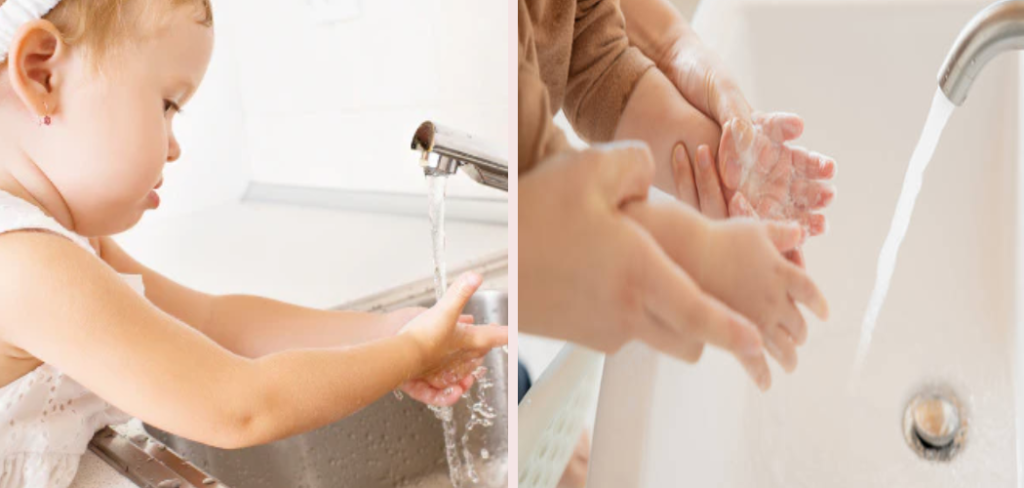
The good news is that you do not need a complicated routine. Most of the time, gentle cleansing with lukewarm water and a soft cloth is enough. Baby-safe soap can help when hands are visibly dirty, greasy, or exposed to germs.
This guide will show you a safe, simple routine for keeping your baby’s hands clean, soft, and comfortable.
Why Clean Baby Hands Regularly Matters
Clean baby hands matter because babies explore the world through touch. Their fingers collect milk, drool, food, dust, pet hair, and germs throughout the day. Since those same fingers often go straight into the mouth, hand cleaning can help reduce germ spread for both your baby and caregivers.
Regular gentle cleansing also supports skin comfort. Dried drool, food, and formula can settle between fingers or around nails, where they may cause redness, odor, or skin irritation. A calm hand washing routine helps you notice dry skin, small scratches, tight nails, or rashes early.
You do not need to scrub often or use strong products. The goal is simple: remove mess, protect sensitive skin, and make hand care feel calm and normal.
Tools and Materials You’ll Need
Gather everything before you start so you can keep one hand near your baby and move calmly. Simple supplies work best for gentle cleansing.
- Soft washcloths or cotton cloths
- Lukewarm water
- Mild baby soap or baby-safe soap
- Clean towel
- Fragrance-free moisturizer or lotion if needed
- A small bowl of clean water for quick wiping
- Nail brush only for older babies, used very gently if approved by your pediatrician
- A safe changing pad, towel, or stable surface
- Optional convenience item: pre-moistened, fragrance-free baby wipes for travel or quick cleanups
Choose products made for sensitive skin when possible. Avoid harsh soaps, alcohol-based sanitizers, strong fragrances, and rough towels unless a healthcare provider gives specific guidance.
Step-by-Step Guide on How To Clean Baby Hands
Step 1 – Gather Your Supplies First
Before you touch your baby’s hands, set up your supplies within arm’s reach. Place a soft washcloth, a small bowl of lukewarm water, mild baby soap, a clean towel, and lotion nearby if your baby’s skin tends to get dry. This keeps the process smooth and prevents you from walking away mid-clean.
If you are learning how to clean baby hands, preparation matters more than speed. Babies wiggle, curl their fingers, and grab at anything close by. A ready setup lets you respond gently instead of rushing.
Choose a safe spot, such as a changing table with a hand on your baby, a towel on the floor, or your lap. Keep the mood quiet and steady.
Step 2 – Choose the Right Moment
Timing can make hand cleaning easier. Try to clean your baby’s hands when they are calm, alert, and not overly hungry or tired. After feeding, after diaper changes, after playtime, and before naps can be good moments, depending on your baby’s routine.
If your baby is crying hard, give comfort first. Hold them close, speak softly, and wait for their body to relax. A tense baby may clench their fists, making it harder to wipe between fingers without pulling.
Watch your baby’s cues. Bright eyes, relaxed arms, and soft babbling usually mean they may tolerate a quick clean. If they turn away or fuss, work slowly and pause when needed.
Step 3 – Check the Water Temperature
Use lukewarm water, not hot water. Test it on the inside of your wrist before touching your baby’s skin. It should feel comfortably warm or neutral, never sharp, steamy, or cold enough to startle them.
Babies have sensitive skin, and their hands can react quickly to temperature changes. Water that feels only slightly hot to you may feel too warm for them. If your baby pulls back, stiffens, or cries when the cloth touches their hand, check the temperature again.
Dip the washcloth into the water and wring it out well. The cloth should feel damp and soft, not dripping. A light touch is usually enough to loosen drool, lint, and everyday grime.
Step 4 – Wipe the Palms and Fingers
Start with the palm. Open your baby’s hand gently by placing your finger in their palm and letting their grip relax naturally. Avoid forcing the hand open. Babies often curl their fingers tightly, especially when sleepy or surprised.
Wipe from the wrist toward the fingertips with slow, smooth strokes. Pay attention to sticky fingers after meals, milk residue, or dried drool. You may notice a faint sweet smell from milk or a tacky feel from fruit or cereal.
Clean one hand at a time so your baby does not feel overwhelmed. Smile, talk, or sing while you wipe. Your calm voice helps turn hand washing into a familiar care routine rather than a struggle.
Step 5 – Clean Between Fingers and Around Nails
The spaces between fingers can hold food, lint, and moisture. Wrap the damp cloth over your fingertip and gently slide it between each finger. Use small motions and avoid rubbing hard, especially if the skin looks red or dry.
Next, look around the nails. Baby nails can trap tiny bits of food or dirt, even when the hands look clean at first glance. Wipe along the nail edges with the corner of the cloth. Do not dig under the nails with anything sharp.
If nails are long, make a note to trim them later when your baby is calm or sleeping. Short, smooth nails help reduce scratching and make daily hand care easier.
Step 6 – Use Soap Only When Needed
Water is enough for many quick cleanups. Use mild baby soap when hands are visibly dirty, greasy, sticky from food, or after contact with stool, pet mess, or public surfaces. A tiny amount is usually plenty.
A key part of how to clean baby hands is knowing when not to overdo it. Too much soap can strip natural oils and lead to dry skin, especially in cold weather or after frequent wiping. Choose fragrance-free or baby-safe soap when you can.
Lather gently with the cloth or your clean fingers. Rinse well with a fresh damp cloth so no slippery soap stays between fingers. Leftover soap can cause irritation or make your baby rub their eyes.
Step 7 – Dry the Hands Gently
After cleaning, dry your baby’s hands right away. Use a clean, soft towel and pat the skin instead of rubbing. Pay special attention between the fingers, where trapped moisture can lead to redness or chapping.
Drying also gives you a moment to check the skin. Look for rough patches, peeling, tiny cracks, rash, or areas that seem tender. Babies who drool a lot or suck on their fingers may have extra moisture on the hands, which can bother sensitive skin.
Keep the room warm if possible. A baby with wet hands may feel chilly, especially after a bath or diaper change. Gentle drying helps them stay comfortable and relaxed.
Step 8 – Moisturize and Monitor for Irritation
If your baby’s hands look dry, apply a small amount of fragrance-free baby lotion or moisturizer. Smooth it over the back of the hands and fingers, using only a thin layer. Avoid heavy amounts on the palms right before play, since slippery hands can make gripping toys harder.
Watch how your baby’s skin responds over time. If redness, cracking, swelling, or rash appears, simplify the routine. Use plain water, avoid scented products, and ask your pediatrician for advice if irritation continues.
Hand care should feel gentle and predictable. With regular cleaning, careful drying, and light moisturizing when needed, your baby’s hands can stay clean without losing softness.
Common Mistakes When Cleaning Baby Hands
One common mistake is using adult soap or strong scented products. These may smell fresh, but they can be too harsh for sensitive skin. Babies need mild cleansing, especially when you clean their hands several times a day.
Another mistake is scrubbing sticky spots too hard. Food, drool, or dried milk may take a few extra wipes, but firm rubbing can cause redness. Let a damp cloth rest on the sticky area for a moment, then wipe again gently.
Some caregivers forget to dry between the fingers. Moisture can hide in skin folds and around tiny knuckles, which may lead to irritation or a sour smell. A soft towel and light patting can prevent that problem.
It is also easy to rely only on wipes. Fragrance-free baby wipes are useful, especially away from home, but plain water and a cloth are often gentler for frequent use. Use wipes when they make sense, but do not make them your only method.
Finally, avoid cleaning only when hands look dirty. Baby hands can carry germs after diaper changes, shared toys, or public outings even when they look clean.
Expert Tips
Make hand cleaning part of natural transition points. Clean after diaper changes, before feeding, after messy meals, and after play with shared toys. A simple rhythm helps you stay consistent without feeling like you are constantly wiping.
Use the least irritating method that gets the job done. Plain lukewarm water works for light drool and lint, while mild baby soap helps with bigger messes and germ exposure.
Keep your touch slow and confident. Babies often react to your energy, so a relaxed tone can reduce squirming. If your baby hates having their hands cleaned, try warming the cloth, singing the same short song, or cleaning one hand at a time with a cuddle break between.
Frequently Asked Questions
How Often Should I Clean My Baby’s Hands?
Clean your baby’s hands when they are visibly dirty, after diaper changes, before meals, after meals, after outings, and after touching shared toys or pets. You do not need to wash constantly. Focus on key moments when germs, food, drool, or sticky residue are most likely. Gentle, consistent cleaning is better than harsh or frequent scrubbing.
Can I Use Hand Sanitizer on Baby Hands?
Hand sanitizer is not the best everyday choice for babies because they often put their hands in their mouths. Alcohol-based products can dry the skin and may be unsafe if swallowed. Use soap and water when possible. If you must use sanitizer in a special situation, ask your pediatrician for guidance and keep hands away from the mouth until fully dry.
Is Baby Soap Necessary Every Time?
No. Mild baby soap is helpful when hands are greasy, sticky, visibly dirty, or exposed to germs after diaper changes or public surfaces. For light drool, lint, or everyday touching, lukewarm water and a soft cloth may be enough. Using soap too often can dry the skin, so choose a gentle balance based on the mess.
What Should I Do If My Baby’s Hands Get Dry?
Use lukewarm water, reduce soap use, and pat the hands dry instead of rubbing. Apply a thin layer of fragrance-free baby moisturizer if the skin looks dry or rough. If you notice cracks, bleeding, swelling, or a rash that does not improve, call your pediatrician. Persistent dry skin may need a different product or medical advice.
How Do I Clean Under Baby’s Nails Safely?
Wipe around the nails with a damp washcloth, using light pressure. Do not use sharp tools to dig under the nails. If dirt remains, soften it with a warm, damp cloth and try again gently. Keep nails trimmed and smooth to reduce trapped grime and scratching. Trim them when your baby is calm, sleepy, or resting.
Conclusion
Clean hands are a small habit with a big role in baby care. Babies touch toys, blankets, food, skin, and surfaces all day, then bring their fingers to their mouths. A gentle routine helps reduce germs, remove sticky messes, protect sensitive skin, and keep your baby more comfortable.
The best approach is simple. Gather supplies first, choose a calm moment, use lukewarm water, wipe palms and fingers carefully, clean around nails, use baby-safe soap only when needed, dry well, and moisturize if the skin looks dry. Watch for irritation and adjust the routine if your baby’s hands become red, rough, or chapped.
Learning how to clean baby hands is not about perfection. It is about steady, gentle care that fits into real life. With practice, you will get faster, more confident, and better at keeping those tiny hands clean and soft.

About
Joann Meril didn’t plan on becoming a parenting writer — it found her. After spending several years working as a certified nursing assistant in a pediatric clinic, Joann saw firsthand how anxious and under-informed new parents could feel, even with a hospital full of resources around them. When she had her own two children, that gap became personal. Suddenly she was the one googling things at 2 a.m., comparing baby monitors, and wondering if the swaddle she bought was actually safe.
That experience is what shaped her approach to writing. Joann believes parenting advice should be practical, honest, and free of unnecessary jargon or guilt. She tests products herself whenever possible, reads the actual safety standards instead of just the marketing copy, and isn’t afraid to say when something isn’t worth the money.
Today, Joann writes full-time, covering everything from newborn sleep routines to gear reviews to the small everyday wins that make parenting feel a little less overwhelming. When she’s not researching or writing, she’s usually chasing her own kids around the backyard or drinking coffee that’s gone cold for the third time that morning.
Joann lives in [City/State] with her husband and two children.
Credibility
- Background in pediatric caregiving (CNA)
- Mom of two, hands-on parenting experience
- Hand-tests baby gear before recommending it
- Focus: infant sleep, feeding, gear safety, early development