
A cool room can make newborn sleep feel stressful, especially when your baby’s hands feel chilly or the night temperature drops. As a first-time parent, you may wonder whether your baby needs another layer, a warmer sleep sack, or a change in the nursery setup.
If you are learning how to keep baby warm in bassinet, the key is balancing comfort with safe sleep. Babies need warmth, but they also need a clear, firm, flat sleep space without loose blankets, pillows, quilts, heating pads, or positioning devices.
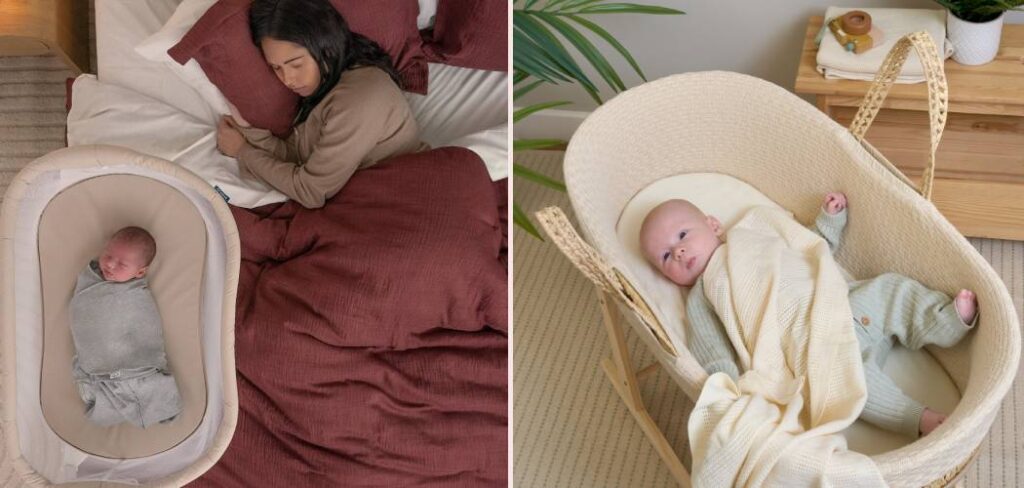
The safest approach uses room-temperature control, fitted infant sleepwear, and wearable blankets made for sleep. This guide explains how to keep your baby comfortably warm in a bassinet while following safe sleep principles.
Why Keeping Your Baby Warm in a Bassinet Matters
Keeping your baby warm in a bassinet supports better sleep, calmer nights, and more confident caregiving. Babies cannot regulate body temperature as well as adults, so cooler rooms, winter weather, air conditioning, and overnight drafts can affect their comfort.
This skill helps new parents manage nighttime sleep, naps, seasonal temperature changes, and cooler bedrooms without adding unsafe items to the bassinet. It is especially useful during the newborn stage, when feeding, diaper changes, and wake windows already require a lot of attention.
Warmth should never come at the cost of safe sleep. When you understand infant sleepwear layers, room temperature for baby, and safe bassinet setup, you can respond with simple, low-risk changes instead of guessing in the middle of the night.
Tools and Materials You’ll Need
You do not need a complicated nursery setup to keep your baby warm. Focus on items that support safe sleep, steady room temperature, and easy nighttime checks.
- Firm, flat bassinet mattress with a snug fitted sheet
- Breathable cotton pajamas or footed sleepers
- Properly sized sleep sack or wearable blanket
- Thermostat or room thermometer for checking nursery temperature
- Extra dry pajamas for spit-up, leaks, or diaper changes
- Bassinet placed away from windows, vents, heaters, and drafts
- Optional convenience item: a sleep sack with a TOG rating guide for seasonal layering
Always choose sleep products that fit your baby’s age, size, and developmental stage. Avoid weighted sleep products, loose blankets, pillows, quilts, hot water bottles, heating pads, and positioners in the bassinet.
Step-by-Step Guide on How to Keep Baby Warm in Bassinet
Step 1 – Check the Room Temperature
Start with the room, not the bassinet. A comfortable nursery temperature often falls around the range that feels pleasant to a lightly dressed adult, but your baby’s needs can vary with age, clothing, and humidity.
Use a thermostat or simple room thermometer near the sleeping area, away from direct heat or cold air. If you are learning how to keep baby warm in bassinet, this first check helps you avoid over-layering when the room is already comfortable.
Notice how the room feels at mattress level. Cool air can settle lower, while heat from vents may collect in one corner.
Step 2 – Choose Safe Sleep Clothing Layers
Dress your baby in fitted, breathable layers that match the room temperature. A cotton bodysuit under footed pajamas may work well in a cooler room, while one warm sleeper may be enough in mild weather.
Avoid thick hats for indoor sleep unless your pediatrician gives specific advice. Babies release heat through the head, and indoor hats can raise the risk of overheating.
Feel the fabric before bedtime. Soft cotton, bamboo, or other breathable infant sleepwear should feel dry and smooth against the skin. If clothing feels bulky, tight, or sweaty, choose a simpler layer.
Step 3 – Use a Sleep Sack Correctly
A sleep sack, also called a wearable blanket, can keep your baby warm without loose bedding. Choose the right size so the neck opening does not ride up and the armholes do not let your baby slip inside.
Check the TOG rating if the product includes one. A higher TOG usually means more warmth, while a lower TOG suits warmer rooms.
Zip or fasten the sleep sack fully, then make sure your baby can move their hips and legs comfortably. The fabric should feel cozy, not heavy. Stop using swaddle-style products once your baby shows signs of rolling.
Step 4 – Pre-Warm the Room Instead of the Bed
If the room feels cold before bedtime, warm the air safely rather than warming the mattress. Adjust the thermostat before sleep or use safe household heating under adult supervision while your baby is not in the room.
Do not place heating pads, electric blankets, hot water bottles, or warmed objects in the bassinet. These can create burns, overheating, or unsafe sleep conditions.
The room should feel steady and calm when you bring your baby in. A gentle, even warmth is safer than a hot spot under your baby’s body.
Step 5 – Set Up the Bassinet Safely
Keep the bassinet simple. Use only a firm, flat mattress and a tight fitted sheet made for that exact bassinet model. The sleep space should stay free of blankets, pillows, stuffed animals, bumpers, wedges, and positioners.
Place the bassinet away from drafty windows, exterior doors, space heaters, radiators, and air vents. A nearby cold draft can make your baby uncomfortable, while direct heat can cause overheating.
This safe setup is a core part of how to keep baby warm in bassinet because it protects warmth without adding risky items. Clear space helps your baby breathe and sleep safely.
Step 6 – Check Baby’s Temperature by Touch
Hands and feet often feel cool, even when a baby’s body temperature is fine. Instead of checking fingers or toes first, feel the back of the neck, chest, or upper back.
Your baby’s torso should feel warm, dry, and comfortable. If the skin feels cool there, add a safe clothing layer or use a warmer sleep sack. If it feels sweaty, hot, or clammy, remove a layer or lower the room temperature.
This simple touch check supports how to keep baby warm in bassinet without relying on guesswork. Watch baby sleep cues, too, such as restlessness, fussing, or trouble settling.
Step 7 – Adjust for Nighttime Feeds and Diaper Changes
Night feeds and diaper changes can cool your baby quickly, especially in winter. Before you start, gather wipes, diapers, and feeding supplies so your baby spends less time uncovered.
Keep the room dim and comfortable. If you unzip a sleep sack, open only what you need and close it again once the diaper is changed. Dry clothing matters because damp pajamas can feel cold against the skin.
After feeding, burping, and changing, check your baby’s chest or neck before placing them back in the bassinet. Small adjustments help maintain overnight warmth.
Step 8 – Review Conditions as Weather Changes
Your baby’s sleep setup may need changes from week to week. A spring night, a winter cold snap, or a new air-conditioning setting can all affect the bassinet sleep environment.
Review the nursery temperature before bed, especially when seasons shift. Rotate sleep sacks and pajamas so you have lighter and warmer options ready.
Also consider your baby’s growth. A sleep sack that fit last month may now feel tight across the chest or short in length. Safe warmth depends on both the room and the fit of each layer.
Common Mistakes When Trying to Keep Baby Warm in a Bassinet
One common mistake is adding loose blankets or quilts to the bassinet. They may seem comforting, but loose bedding can cover a baby’s face or interfere with safe breathing. A wearable blanket is a safer way to add warmth.
Another mistake is using direct heat near the sleep space. Space heaters, heating pads, hot water bottles, and heated blankets can make one area too hot and increase burn or overheating risks. Warm the room evenly instead, then remove unsafe heat sources from the bassinet area.
Parents also sometimes overdress babies because their hands or feet feel cold. Cool hands warm torso is a normal pattern for many babies. Always check the chest, back, or neck before adding more layers.
A fourth mistake is ignoring signs that a baby may be unwell. Persistent coldness, poor feeding, unusual sleepiness, fever, or lethargy deserves medical guidance. If your baby does not seem like themselves, contact your pediatrician instead of only changing clothing or room temperature.
Expert Tips For New Moms
Think of warmth as a safe sleep system: room temperature, fitted clothing, a suitable sleep sack, and a clear bassinet all work together. No single product should replace careful checks.
Keep two or three sleep sack weights available if your climate changes often. A light TOG option can work for mild nights, while a warmer one may help during winter newborn sleep. Labeling drawers by season can make 2 a.m. changes easier.
Trust your baby’s torso, not just hands or feet. If your baby feels warm and dry at the chest, feeds normally, and settles well, you likely do not need extra layers.
Frequently Asked Questions
What Room Temperature Is Best for a Baby in a Bassinet?
Many babies sleep comfortably in a room that feels comfortable to a lightly dressed adult. A room thermometer can help you track the nursery temperature, but your baby’s clothing and sleep sack also matter. Check your baby’s chest or neck to confirm they feel warm, dry, and comfortable.
Can I Put a Blanket Over My Baby in the Bassinet?
No. Loose blankets, quilts, comforters, and pillows do not belong in a baby’s bassinet. They can move over the face or create unsafe sleep conditions. Use a properly fitted sleep sack or wearable blanket instead. It gives warmth while keeping the sleep space clear and safer.
How Do I Know If My Baby Is Too Cold at Night?
Check your baby’s chest, upper back, or back of the neck. If those areas feel cool, your baby may need a warmer layer or a warmer sleep sack. Cool hands and feet alone do not always mean your baby is cold. Watch for poor feeding, lethargy, or unusual behavior, and call your pediatrician if concerned.
Are Sleep Sacks Safe for Newborns?
Sleep sacks can be safe when they fit properly and match your baby’s size, age, and development. The neck opening should not slip over the face, and the fabric should not feel too tight. If using a swaddle-style sack, stop once your baby shows signs of rolling.
Should My Baby Wear a Hat While Sleeping Indoors?
Most babies should not wear hats during indoor sleep unless a healthcare professional gives specific advice. Hats can make it harder for babies to release heat and may increase overheating risk. Use appropriate pajamas, a safe sleep sack, and room-temperature management instead of covering the head during bassinet sleep.
Conclusion
Keeping your baby warm at night does not mean filling the bassinet with extra bedding. The safest approach is simple: manage the room temperature, choose breathable infant sleepwear layers, use a properly fitted sleep sack, and keep the bassinet clear.
Check your baby’s chest, back, or neck when you are unsure. If your baby feels warm and dry, feeds well, and settles normally, you may already have the right setup. If your baby has persistent coldness, fever, lethargy, feeding issues, or signs of illness, contact your pediatrician.
Learning how to keep baby warm in bassinet gives you confidence during chilly nights, seasonal changes, and newborn sleep routines. Start with safe sleep first, then adjust warmth gently based on your baby’s body cues and the room around them.

About
Joann Meril didn’t plan on becoming a parenting writer — it found her. After spending several years working as a certified nursing assistant in a pediatric clinic, Joann saw firsthand how anxious and under-informed new parents could feel, even with a hospital full of resources around them. When she had her own two children, that gap became personal. Suddenly she was the one googling things at 2 a.m., comparing baby monitors, and wondering if the swaddle she bought was actually safe.
That experience is what shaped her approach to writing. Joann believes parenting advice should be practical, honest, and free of unnecessary jargon or guilt. She tests products herself whenever possible, reads the actual safety standards instead of just the marketing copy, and isn’t afraid to say when something isn’t worth the money.
Today, Joann writes full-time, covering everything from newborn sleep routines to gear reviews to the small everyday wins that make parenting feel a little less overwhelming. When she’s not researching or writing, she’s usually chasing her own kids around the backyard or drinking coffee that’s gone cold for the third time that morning.
Joann lives in [City/State] with her husband and two children.
Credibility
- Background in pediatric caregiving (CNA)
- Mom of two, hands-on parenting experience
- Hand-tests baby gear before recommending it
- Focus: infant sleep, feeding, gear safety, early development