
You want to move your body again, but there’s a tiny human who needs you every few minutes. Finding time to exercise as a new parent can feel impossible. The good news? You don’t have to choose between caring for your baby and caring for yourself.
Learning how to workout with a baby is easier than you might think. Your little one can be your workout buddy, your gentle weight, and your biggest cheerleader all at once. In this guide, you’ll find simple steps, age-specific tips, and reassurance that you’re doing just fine.
Here’s what you’ll walk away with:
- A clear list of what you actually need (it’s less than you’d guess)
- Beginner-friendly moves you can do at home with your baby
- Advice tailored to your baby’s age, from newborn to crawler
Why This Matters for New Parents
Movement helps your body recover and lifts your mood. After having a baby, gentle exercise can ease stress, boost your energy, and help you feel more like yourself again. Studies suggest that regular activity may also improve sleep quality — something every new parent could use more of.
You might worry that working out is selfish when your baby needs so much. It isn’t. Taking care of your body helps you show up stronger for your little one.
Another common fear is doing too much, too soon. That’s a fair concern. The key is starting slow and listening to your body, which we’ll cover in detail below.
The takeaway: Moving your body isn’t taking away from your baby — it’s part of being a healthy, present parent.
What You’ll Need
You don’t need a gym membership or fancy equipment to get started. Most of what you need is already in your home. Here’s a short list to set you up.
- A clear, soft space: A rug, yoga mat, or carpeted floor works perfectly.
- A baby carrier or wrap: Great for walks and standing moves once your baby has good head control.
- A firm blanket or play mat: A safe spot to lay your baby while you exercise nearby.
- Comfortable clothes: Whatever lets you move freely and, if needed, nurse easily.
- A water bottle: Staying hydrated matters, especially if you’re breastfeeding.
Optional extras: A stroller for outdoor walks and a couple of light resistance bands if you want a bit more challenge. Neither is required to begin.
Step-by-Step Guide to Working Out With Your Baby
Ready to move? Here’s a simple way to build a workout into your day with your baby close by. Start with whatever feels doable — even five minutes counts.
- Get cleared first. If you had a baby recently, check with your doctor before starting. Most people get the green light around six weeks, but everyone heals at a different pace.
- Pick a safe spot. Lay your baby on a firm blanket or play mat where you can see them at all times. Tip: Place a favorite toy nearby to keep them happy.
- Warm up gently. Spend two to three minutes doing slow marches, arm circles, and shoulder rolls. This wakes up your muscles and lowers your risk of strain.
- Add your baby in. Try simple moves that include your little one. Lay them on your shins for “airplane” lifts, or hold them close for slow squats. Tip: Narrate what you’re doing — babies love your voice.
- Keep it short and steady. Aim for 10 to 20 minutes to start. You can always do two short sessions in a day instead of one long one.
- Cool down. Finish with gentle stretches for your back, hips, and shoulders. This helps you feel loose rather than sore the next day.
- Celebrate the win. You did it. Consistency matters far more than intensity in these early months.
Quick win: A baby-wearing walk around the block counts as a full workout. Don’t underestimate it.
Age-Specific Advice
Your baby’s age changes what’s safe and what’s fun. Here’s how to adjust as your little one grows.
Newborn (0–6 Weeks)
Rest is your priority right now. Focus on deep breathing, gentle pelvic floor exercises, and short, slow walks once your doctor says it’s okay. Your body is healing, so go easy.
1–3 Months
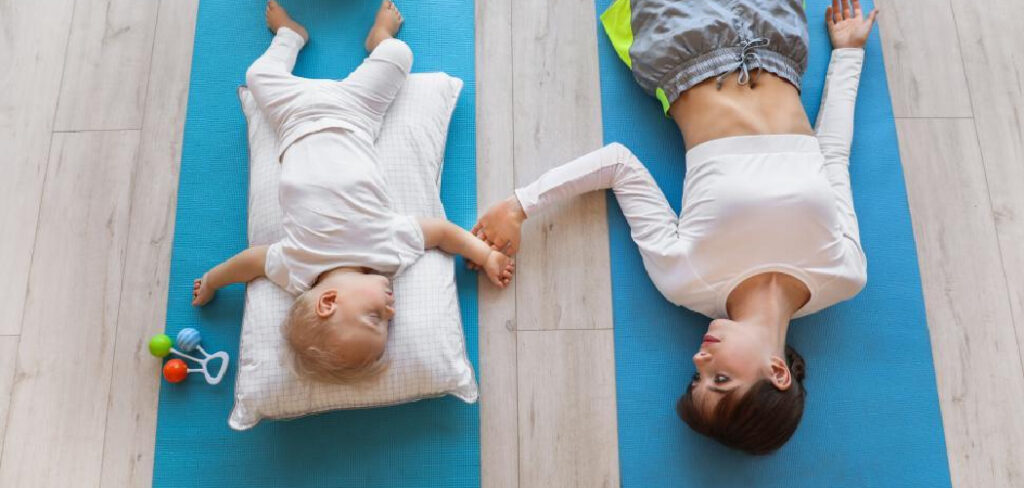
Your baby still needs head support, so keep moves low-impact and gentle. Try floor exercises with your baby lying beside you on a mat. Slow walks with a carrier or stroller work well too.
3–6 Months
By now, many babies have stronger head and neck control. This opens the door to baby-wearing squats, gentle lunges, and “tummy time” alongside your own floor moves. Always check your carrier’s weight and age guidelines first.
6+ Months
Your baby is more interactive and may love being part of the action. Lift them gently for overhead presses, do floor exercises while they play next to you, or crawl together. Sitting and grabbing babies make great (giggly) workout partners.
The takeaway: Match the movement to your baby’s stage, and the workout grows along with them.
Common Mistakes to Avoid
Even with the best intentions, it’s easy to slip into a few habits that work against you. Here are the most common ones — and how to fix them.
- Doing too much, too soon. Jumping into intense workouts before your body is ready can slow your recovery. Start gentle and build up over weeks, not days.
- Skipping the pelvic floor. Many parents rush to crunches and forget these deep core muscles. Gentle pelvic floor exercises rebuild your foundation and protect your back.
- Forgetting to hydrate and eat. Working out on empty leaves you drained, especially if you’re nursing. Keep water close and have a snack beforehand.
- Comparing yourself to others. Social media makes recovery look fast and easy. Your journey is your own, and progress at any pace is still progress.
- Holding your baby without support. Lifting your baby with a rounded back can strain you. Engage your core and keep your back straight during every lift.
Safety Tips
A few simple habits keep both you and your baby safe while you exercise. Keep these in mind every session.
- Never lift your baby above your head if you feel dizzy or weak. Wait until you feel steady.
- Support your baby’s head and neck until they have full control, usually around three to four months.
- Check carrier guidelines for the right age, weight, and positioning before baby-wearing workouts.
- Stop if you feel pain, heavy bleeding, or sharp discomfort. These are signs to rest and check in with your doctor.
- Keep your baby secure on a firm surface, never on a couch or bed where they could roll off.
The takeaway: Slow, steady, and secure beats fast and risky every time.
Signs You’re Doing It Right
Wondering if you’re on the right track? These positive signs mean things are going well.
- You feel energized, not wiped out, after most sessions.
- Your baby seems calm or happy during your workouts.
- You’re staying consistent, even if it’s just a few minutes a day.
- Soreness is mild and fades within a day or two.
- You look forward to moving rather than dreading it.
If most of these ring true, you’re doing great. Recovery isn’t a race, and showing up at all is a real victory.
Frequently Asked Questions
When can I start working out after having a baby?
Most people can begin gentle movement around six weeks postpartum, but timing varies. If you had a C-section or any complications, you may need more time. Always get your doctor’s okay first.
Is it safe to exercise while breastfeeding?
Yes, exercise is generally safe and won’t harm your milk supply. Just stay hydrated and eat enough to fuel both your body and feeding. Many parents nurse before a workout to stay comfortable.
Can I really get a good workout with my baby at home?
Absolutely. Bodyweight moves, baby-wearing walks, and floor exercises can build strength and stamina without any equipment. Your baby even adds a little natural resistance as they grow.
What if my baby cries the whole time?
That happens, and it’s okay. Try shorter sessions during a calm window, like after a nap or feeding. Some days you’ll only get five minutes in, and that still counts.
How often should I work out with my baby?
Aim for short sessions most days of the week if you can. Even 10 to 15 minutes a few times a week makes a difference. Consistency matters more than long, intense workouts.
Final Thoughts on How to Workout With a Baby
Figuring out how to workout with a baby doesn’t require perfect timing, expensive gear, or hours you simply don’t have. It takes a soft spot on the floor, a few spare minutes, and a willingness to start small. Your baby gets to be right there with you, which makes the whole thing sweeter.
Be patient with your body as it heals and changes. Some days will feel strong, and others won’t — both are completely normal. You’re learning two new things at once: how to care for your baby and how to care for yourself again.
So roll out that mat, scoop up your little one, and take it one gentle movement at a time. You’ve got this, and you’re doing better than you think.

About
Joann Meril didn’t plan on becoming a parenting writer — it found her. After spending several years working as a certified nursing assistant in a pediatric clinic, Joann saw firsthand how anxious and under-informed new parents could feel, even with a hospital full of resources around them. When she had her own two children, that gap became personal. Suddenly she was the one googling things at 2 a.m., comparing baby monitors, and wondering if the swaddle she bought was actually safe.
That experience is what shaped her approach to writing. Joann believes parenting advice should be practical, honest, and free of unnecessary jargon or guilt. She tests products herself whenever possible, reads the actual safety standards instead of just the marketing copy, and isn’t afraid to say when something isn’t worth the money.
Today, Joann writes full-time, covering everything from newborn sleep routines to gear reviews to the small everyday wins that make parenting feel a little less overwhelming. When she’s not researching or writing, she’s usually chasing her own kids around the backyard or drinking coffee that’s gone cold for the third time that morning.
Joann lives in [City/State] with her husband and two children.
Credibility
- Background in pediatric caregiving (CNA)
- Mom of two, hands-on parenting experience
- Hand-tests baby gear before recommending it
- Focus: infant sleep, feeding, gear safety, early development