

Six months can feel like a turning point. Your baby may be rolling, babbling, reaching for toys, and showing stronger likes and dislikes. If the pacifier has become part of every nap, bedtime, car ride, or fussy moment, you may wonder whether it is time to gently reduce the habit.
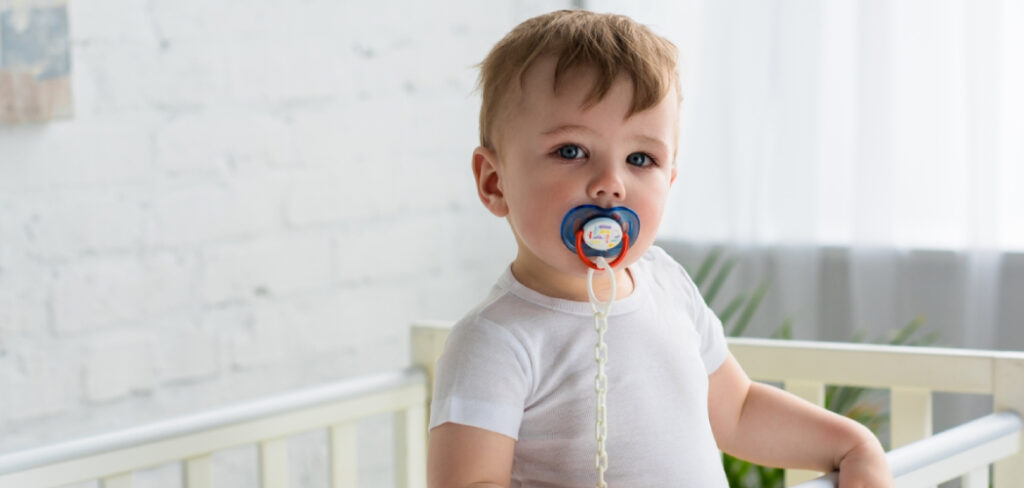
Many first-time parents search for how to wean baby off pacifier at 6 months because they want better sleep routines, fewer wake-ups, and more confidence with baby soothing. The good news is that pacifier weaning does not have to feel harsh or confusing.
This guide will walk you through a practical, gentle plan to reduce pacifier dependence while supporting comfort, sleep, and your baby’s development.
Why Learning to Wean Off the Pacifier at 6 Months Matters
At 6 months, babies often start building stronger sleep associations. If your baby uses a pacifier to fall asleep, they may wake when it falls out and need help replacing it. That can turn one small comfort habit into several night wakings.
Learning to reduce pacifier use helps you build other soothing skills. You can support self-soothing with a steady bedtime routine, calm touch, soft voice, and predictable sleep cues.
This age can also be a practical window for gradual weaning. Your baby is still young enough to adapt, but old enough to respond to patterns. You are not just removing a pacifier; you are teaching new ways to settle.
Tools and Materials You’ll Need
You do not need much to start pacifier weaning. Simple, consistent tools work best because babies respond to familiar routines and calm repetition.
- A few pacifiers, so you can control when and where they appear
- A sleep sack or wearable blanket, if your baby uses one safely
- A consistent bedtime routine with feeding, diaper change, story, song, or cuddle
- White noise machine or soft background sound
- Teething toy approved for your baby’s age
- Clean burp cloth or small comfort item for supervised soothing time
- A notebook or phone note to track naps, wake-ups, fussiness, and progress
- Optional convenience item: a pacifier clip for daytime only, used with close supervision and never during sleep
Keep the setup calm, safe, and easy to repeat.
8 Step-by-Step Guide on How to Wean Baby Off Pacifier at 6 Months
Step 1 – Decide Whether Your Baby Is Ready
Start by looking at your baby’s current routine. Notice when the pacifier helps most. Is it mainly for falling asleep, or does your baby want it all day? Does fussiness spike during teething, overtired moments, or crib transitions?
If your baby is sick, traveling, starting daycare, or going through a major sleep change, wait a little. Weaning works best when life feels steady. Parents often ask how to wean baby off pacifier at 6 months, but timing matters as much as the method.
Choose a week when you can be consistent. Calm energy from you helps your baby feel safe.
Step 2 – Pick Gradual Weaning or Cold Turkey
There are two common paths: gradual weaning and cold turkey. Gradual weaning means you slowly limit pacifier use by time, place, or situation. Cold turkey means you stop offering it completely.
For many 6-month-old babies, gradual weaning feels gentler. It gives your baby time to learn new comfort habits without a sudden shock. You might start by removing the pacifier during playtime, then move on to naps, then bedtime.
Cold turkey can work for some families, especially if the pacifier causes constant wake-ups. However, expect more crying for a few nights. Choose the plan you can follow with confidence.
Step 3 – Limit Pacifier Use During Awake Time
Begin with the easiest part of the day. If your baby reaches for the pacifier during play, try offering a toy, song, or change of scenery first. Sit on the floor, shake a soft rattle, or bring your baby near a window for a new view.
This step helps your baby learn that comfort can come from connection, movement, and curiosity. You may hear short bursts of protest at first. Stay warm and steady.
Keep the pacifier out of sight between sleep times. Babies have strong visual memory. If they see it on the table, they may want it even when they were calm a moment ago.
Step 4 – Build a Strong Bedtime Routine
A predictable bedtime routine gives your baby new cues for sleep. Keep it short and repeat it in the same order each night. Dim the lights, change the diaper, feed if that fits your routine, read a small book, sing softly, and cuddle.
Use sensory cues your baby can recognize. The hum of white noise, the feel of a sleep sack, and your quiet voice can all signal that sleep is near. These cues help replace the pacifier as the main sleep association.
If your baby fusses, pause before offering the pacifier. Try gentle patting, slow rocking, or a calm phrase first.
Step 5 – Reduce Pacifier Help at Nap Time
Nap time can be harder than bedtime because daytime sleep pressure is lighter. Start with the first nap of the day, when babies are often less overtired. Watch for sleepy cues like red eyebrows, slower movements, eye rubbing, or a distant stare.
Place your baby in the crib drowsy but awake if that is part of your routine. If you are learning how to wean baby off pacifier at 6 months, remember that naps may take longer for a few days.
Keep the room calm and dark. If your baby protests, offer comfort without immediately replacing the pacifier. Progress may look small, but small steps count.
Step 6 – Create a Plan for Night Wakings
Night wakings are often where pacifier dependence shows up most. Your baby may stir, turn their head, make soft grunting sounds, and search for the pacifier before fully waking.
Decide ahead of time how you will respond. You might wait a short moment to see if your baby resettles. If crying grows, go in calmly, place a hand on their belly, and use your usual soothing phrase.
Try not to turn on bright lights or start a long interaction. Keep the room boring and sleepy. Your goal is to comfort your baby while teaching that the pacifier is no longer the only way back to sleep.
Step 7 – Offer Pacifier Alternatives With Care
Pacifier alternatives should match your baby’s age and safety needs. During awake time, a chilled teething toy, tummy time, cuddling, singing, or a walk outside can help with fussiness. Your voice and touch are powerful soothing tools.
For sleep, follow safe sleep guidance. Keep the crib clear of loose blankets, pillows, and unsafe items. If you use a sleep sack, make sure it fits well and allows safe movement.
Some babies need extra closeness during weaning. That does not mean you failed. It means your baby is adjusting to a new rhythm, and you are helping them through it.
Step 8 – Stay Consistent and Track Progress
Pacifier weaning usually works best when you track what happens. Write down when your baby used the pacifier, how long crying lasted, how naps went, and how many times they woke overnight. This helps you see progress even when you feel tired.
Expect a few uneven days. One nap may go smoothly, while the next feels noisy and hard. Teething, growth spurts, and overtiredness can all affect the process.
Stay calm and keep your response predictable. If you change the plan every few hours, your baby may feel confused. Consistency helps new sleep associations take root.
Common Mistakes When Weaning a Baby Off a Pacifier at 6 Months
One common mistake is removing the pacifier during a stressful week. If your baby is sick, cutting teeth, adjusting to a new caregiver, or sleeping in a new place, weaning may feel much harder. Choose a calmer time when routines are easier to repeat.
Another mistake is using the pacifier sometimes and refusing it other times without a clear pattern. Babies learn through repetition. If the rules change each night, your baby may cry longer because they are trying to understand what to expect.
Some parents also replace the pacifier with unsafe sleep items. A soft toy or blanket may seem comforting, but many items do not belong in a 6-month-old’s crib. Use safe sleep practices and ask your pediatrician if you are unsure.
A fourth mistake is expecting instant results. Even gentle weaning can bring fussiness. Your baby is not being difficult on purpose. They are learning a new comfort skill, and that takes practice.
Expert Tips
Start small if you feel nervous. Removing the pacifier during awake play can build your confidence before you change sleep routines. Once your baby handles that well, move to naps or bedtime.
Use your voice as a soothing anchor. Repeat the same calm phrase during crib transitions, night wakings, and moments of fussiness. Over time, your baby may connect that phrase with safety and sleep.
Watch wake windows closely. An overtired baby has a harder time settling without a pacifier. If weaning suddenly feels impossible, your schedule may need a small adjustment.
Finally, stay flexible but not random. A clear plan can still include compassion.
Frequently Asked Questions
Is 6 months too early to wean from a pacifier?
Six months is not too early for many babies, especially if the pacifier is disrupting sleep or becoming a strong sleep association. Some families choose to keep it longer, and that can be fine too. The best choice depends on your baby’s needs, your routine, and your pediatrician’s guidance if there are feeding, sleep, or medical concerns.
Should I wean the pacifier gradually or go cold turkey?
Gradual weaning often feels easier for a 6-month-old because it gives your baby time to adjust. You can limit pacifier use during play, then naps, then bedtime. Cold turkey may work faster, but it can bring more crying at first. Choose the method you can follow consistently for several days.
What if my baby needs the pacifier for sleep?
If your baby depends on the pacifier for sleep, build other sleep cues before removing it. Use a steady bedtime routine, white noise, dim lights, and calm cuddling. Then reduce how often you offer the pacifier at sleep times. Your baby may fuss at first, but repeated soothing patterns can help them learn a new way to settle.
Can pacifier weaning make naps worse?
Yes, naps can temporarily get shorter or harder during pacifier weaning. Daytime sleep is sensitive to light, noise, hunger, and overtiredness. Start with one nap, keep the room quiet, and watch sleepy cues closely. If every nap falls apart, slow down the process and focus on bedtime first.
What can I use instead of a pacifier for comfort?
During awake time, try cuddling, singing, teething toys, gentle movement, or a change of scenery. At sleep time, focus on safe options like a consistent routine, white noise, and a well-fitted sleep sack if your baby uses one. Avoid loose blankets, stuffed animals, or items that are not safe for your baby’s sleep space.
Conclusion
Learning how to wean baby off pacifier at 6 months is less about taking comfort away and more about building new comfort skills. Your baby can learn to settle with a steady bedtime routine, calm touch, familiar sounds, and predictable responses from you.
Start with the easiest moments, such as awake playtime, then move toward naps and nighttime sleep. Choose gradual weaning or cold turkey based on your baby’s temperament and your own ability to stay consistent. Expect some fussiness, especially during teething or overtired days, and keep your approach safe and gentle.
You do not need a perfect plan to make progress. You need a clear next step, patience, and a routine you can repeat. Which part of pacifier weaning feels hardest for your family right now: naps, bedtime, or night wakings?

About
Joann Meril didn’t plan on becoming a parenting writer — it found her. After spending several years working as a certified nursing assistant in a pediatric clinic, Joann saw firsthand how anxious and under-informed new parents could feel, even with a hospital full of resources around them. When she had her own two children, that gap became personal. Suddenly she was the one googling things at 2 a.m., comparing baby monitors, and wondering if the swaddle she bought was actually safe.
That experience is what shaped her approach to writing. Joann believes parenting advice should be practical, honest, and free of unnecessary jargon or guilt. She tests products herself whenever possible, reads the actual safety standards instead of just the marketing copy, and isn’t afraid to say when something isn’t worth the money.
Today, Joann writes full-time, covering everything from newborn sleep routines to gear reviews to the small everyday wins that make parenting feel a little less overwhelming. When she’s not researching or writing, she’s usually chasing her own kids around the backyard or drinking coffee that’s gone cold for the third time that morning.
Joann lives in [City/State] with her husband and two children.
Credibility
- Background in pediatric caregiving (CNA)
- Mom of two, hands-on parenting experience
- Hand-tests baby gear before recommending it
- Focus: infant sleep, feeding, gear safety, early development