
Trimming a newborn’s tiny nails ranks high on the list of things that make new parents sweat. Those nails are paper-thin, your baby won’t hold still, and the thought of nicking that soft skin is enough to put off the whole job. If you’ve picked up a Frida Baby nail buffer hoping for a calmer way to handle it, you’ve made a smart choice.
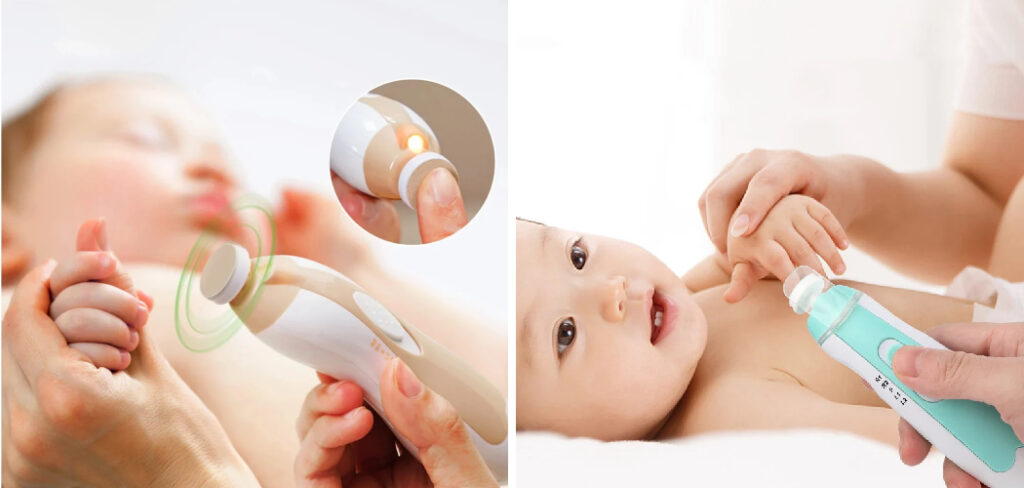
The Frida Baby nail buffer is a battery-powered electric file that gently sands down nails instead of cutting them. There’s no sharp edge, which removes the biggest fear most parents have. This guide walks you through how to use the Frida Baby nail buffer from start to finish, with age-specific tips, common mistakes to skip, and clear signs you’re getting it right.
Why This Matters for New Parents
Baby nails grow fast, and sharp little nails cause real problems. Your baby can scratch their own face, their eyes, or you — often without meaning to.
Here’s the core issue: Newborn nails are soft and thin, which makes traditional clippers feel risky. One small slip and you can catch the skin underneath. That fear is completely normal, and it’s exactly why a buffer feels like such a relief.
The Frida Baby nail buffer works differently. Instead of a cutting blade, it uses a spinning sanding pad to file the nail down slowly. Because there’s no sharp edge, the risk of cutting skin drops dramatically.
It’s also quiet and low-powered. The gentle hum and soft vibration are usually mild enough not to wake a sleeping baby, which means you can do nails during a nap if you’d rather skip the wiggling.
What You’ll Need
A little prep makes the whole job smoother. Gather these before you start so you’re not fumbling mid-file.
- Your Frida Baby nail buffer: Check that it’s charged or has working batteries.
- The included buffer pads: The kit comes with different grits — coarser pads for filing, finer pads for smoothing.
- Good lighting: A bright lamp or daylight helps you see those tiny nails clearly.
- A calm spot: A changing table, your lap, or a couch where your baby is comfortable.
- A distraction (optional): A toy, a song, or feeding time can keep an alert baby relaxed.
- A soft cloth: Handy for wiping away the fine nail dust afterward.
One quick note on the pads: each one is usually color-coded by grit. Start with a medium pad for shaping and finish with the fine pad for a smooth edge.
7 Step-by-Step Guide: How to Use the Frida Baby Nail Buffer
Follow these steps in order. The first time may feel slow, but it gets quicker once you find your rhythm.
Step 1: Pick the Right Moment
Choose a time when your baby is calm — after a feed, during a nap, or while they’re drowsy. A relaxed baby holds still, which makes filing far easier.
Tip: Many parents find that filing during sleep works best for newborns. The buffer is quiet enough that it rarely disturbs them.
Step 2: Attach the Correct Pad
Snap the medium-grit pad onto the buffer for shaping. Save the fine pad for the final smoothing pass.
Tip: Press the pad on firmly so it doesn’t wobble or pop off mid-use. A loose pad files unevenly.
Step 3: Hold the Hand or Foot Securely
Gently hold your baby’s hand and isolate one finger at a time. Press the soft fingertip pad down slightly so the nail is clear of the surrounding skin.
Tip: Holding just below the nail keeps the skin out of the way and gives you better control over each tiny nail.
Step 4: Turn It On and File Lightly
Switch on the buffer and rest the pad against the nail with the lightest touch. Move it slowly across the edge — let the sanding pad do the work rather than pressing hard.
Tip: Use short, gentle passes and check your progress often. You can always file more, but you can’t undo filing too much.
Step 5: Work One Nail at a Time
File each nail until the edge feels smooth and rounded. Take your time and pause whenever your baby fusses or pulls away.
Tip: If your baby gets restless, stop and finish later. There’s no rule that says all ten nails must be done in one sitting.
Step 6: Switch to the Fine Pad
Once shaped, swap to the fine-grit pad and lightly smooth each nail edge. This removes any rough spots that could still snag skin or fabric.
Tip: Run your fingertip over the edge to check for sharpness. A smooth edge means you’re done.
Step 7: Wipe Away the Dust
Filing creates a little fine nail dust. Wipe your baby’s hands and feet with a soft cloth, and brush off the buffer pad too.
Tip: Keeping the pads clean helps them last longer and file more evenly next time.
Age-Specific Advice
Your baby’s nails — and their patience — change as they grow. Here’s how to adjust at each stage.
Newborns (0–1 Month)
Newborn nails are extremely thin and soft, almost like tissue paper. The buffer is ideal here because filing avoids the risk that comes with clippers on such delicate nails.
Best approach: File during sleep. Newborns can’t hold still on purpose, and the quiet buffer lets you work without waking them.
1–3 Months
Nails are still soft but growing quickly. You may need to file every few days to keep up and prevent scratches.
Tip: Your baby may be more alert now. Try filing right after a feed when they’re content and sleepy.
3–6 Months
Your baby gets more curious and grabby, which makes holding their hands trickier. The nails also start to firm up a little.
Tip: A toy or song can hold their attention while you work. Distraction is your best friend at this stage.
6+ Months and Beyond
Older babies wiggle a lot and may want to “help.” Filing can become a quick game if you keep it light and playful.
Tip: Let your baby touch the buffer (while off) so it feels familiar, not scary. Familiarity reduces fuss.
Common Mistakes to Avoid
A few easy missteps trip up many parents. Knowing them ahead of time saves you frustration.
Pressing too hard. The buffer works on the lightest contact. Pressing down can over-file the nail or irritate the skin beneath, so let the pad do the work.
Filing too long in one spot. Holding the buffer on one nail too long can make it sore. Use short passes and move on.
Skipping the fine pad. Stopping after the medium pad leaves rough edges that can still scratch. The fine pad gives that smooth finish.
Forcing all ten nails at once. A fussy baby plus a rushed parent is a recipe for stress. Break the job into smaller sessions whenever you need to.
Using it on a squirming, upset baby. A moving target raises the chance of catching skin. Wait for a calm moment instead.
Safety Tips
The buffer is gentle by design, but a few steady habits keep every session safe.
- Hold the skin clear: Press the fingertip pad down so only the nail touches the buffer.
- Use the lightest touch: Let the pad sand slowly rather than pressing into the nail.
- Stop if your baby pulls away: A sudden jerk is your cue to pause and reset.
- Keep pads clean and secure: A loose or dirty pad files unevenly and less safely.
- Store it out of reach: Once your baby is older and grabby, keep the buffer somewhere they can’t grab it.
- Check the nail as you go: Frequent checks help you stop at the right length.
If anything feels off — a wobbly pad, a restless baby, poor lighting — pause and fix it. A few extra seconds of care are always worth it.
Signs You’re Doing It Right
Wondering if you’ve got the hang of it? These signs tell you things are going well.
Smooth, snag-free edges. Run your finger over each nail. If it glides without catching, you’ve filed it just right.
Your baby stays calm. A relaxed baby — or one who sleeps right through — means your touch is gentle and the buffer isn’t bothering them.
No red or sore skin. Healthy fingertips with no irritation mean you’re keeping pressure light and the skin clear.
The routine feels faster each time. As your confidence grows, the whole job takes less time and less worry.
If most of these ring true, you’re doing a great job. Like everything in early parenthood, it gets easier with practice.
Frequently Asked Questions
At what age can I start using the Frida Baby nail buffer?
You can use it from birth. In fact, the early newborn weeks are when many parents find it most helpful, since soft newborn nails are tricky and risky to clip. Just keep your touch light and file when your baby is calm or asleep.
Does the buffer hurt my baby?
No, not when used correctly. The pad gently sands the nail rather than cutting it, and the light touch means it shouldn’t reach or irritate the skin. If your baby seems uncomfortable, you may be pressing too hard or filing one spot too long.
How often should I file my baby’s nails?
Newborn and young baby nails grow fast, so every two to three days is common in the early months. Fingernails usually need more frequent attention than toenails, which grow more slowly.
Which pad should I use?
Start with the medium-grit pad to shape and shorten the nail, then switch to the fine-grit pad to smooth the edge. The kit color-codes the pads, so you can match the grit to the step.
Can I use it while my baby is sleeping?
Yes, and many parents prefer it. The buffer is quiet and low-powered, so it rarely wakes a sleeping baby. A sleeping baby holds perfectly still, which makes the job much easier.
Final Thoughts on How to Use the Frida Baby Nail Buffer
Learning how to use the Frida Baby nail buffer comes down to a simple, low-stress routine: pick a calm moment, attach the right pad, hold the skin clear, and file with the lightest touch. A little prep and a finishing pass with the fine pad give you smooth, snag-free nails every time.
The first few sessions may feel slow and a touch nerve-wracking, and that’s completely normal. With each round, your hands grow steadier and the whole thing starts to feel routine.
You’re learning so much all at once, and conquering the dreaded nail trim is a real win. Take it one tiny nail at a time, trust your instincts, and soon this little task will feel like just another easy part of your day.

About
Joann Meril didn’t plan on becoming a parenting writer — it found her. After spending several years working as a certified nursing assistant in a pediatric clinic, Joann saw firsthand how anxious and under-informed new parents could feel, even with a hospital full of resources around them. When she had her own two children, that gap became personal. Suddenly she was the one googling things at 2 a.m., comparing baby monitors, and wondering if the swaddle she bought was actually safe.
That experience is what shaped her approach to writing. Joann believes parenting advice should be practical, honest, and free of unnecessary jargon or guilt. She tests products herself whenever possible, reads the actual safety standards instead of just the marketing copy, and isn’t afraid to say when something isn’t worth the money.
Today, Joann writes full-time, covering everything from newborn sleep routines to gear reviews to the small everyday wins that make parenting feel a little less overwhelming. When she’s not researching or writing, she’s usually chasing her own kids around the backyard or drinking coffee that’s gone cold for the third time that morning.
Joann lives in [City/State] with her husband and two children.
Credibility
- Background in pediatric caregiving (CNA)
- Mom of two, hands-on parenting experience
- Hand-tests baby gear before recommending it
- Focus: infant sleep, feeding, gear safety, early development