

Your baby is suddenly hot, fussy, and not eating like usual. Their little nose is stuffy, and you’re wondering if this is “just a cold” or something more. When it’s the flu, that worry can feel overwhelming, especially the first time around.
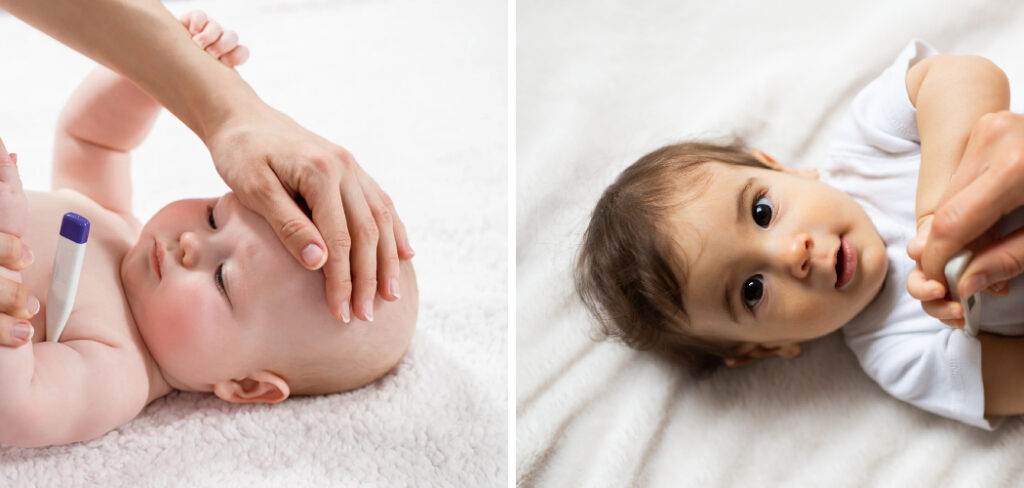
Here’s the good news: most babies recover from the flu at home with rest, fluids, and gentle care. This guide walks you through how to treat flu in babies step by step, from managing a fever to soothing a stuffy nose. You’ll also learn the warning signs that mean it’s time to call your doctor, so you can act with confidence instead of guesswork.
Why Treating Flu in Babies Matters for New Parents
The flu hits babies harder than older kids and adults. Their immune systems are still developing, and their tiny bodies have less reserve to fight off illness and stay hydrated.
The numbers back this up. According to the CDC, children younger than 5 are at higher risk of serious flu complications, and those younger than 2 face even greater risk. Babies under 6 months have the highest chance of being hospitalized from the flu, partly because they’re too young for a flu vaccine.
That sounds scary, but knowledge is your best tool here. Complications like pneumonia (a lung infection) and dehydration (when the body loses too much fluid) are uncommon, and they’re far easier to catch early when you know what to watch for. Most babies get through the flu just fine with good home care and a watchful eye.
How to Treat Flu in Babies: 5 Step-by-Step Guide
There’s no cure that makes the flu disappear overnight. Treatment focuses on keeping your baby comfortable, hydrated, and rested while their body does the work of recovering. Here’s how to do that well.
1. Prioritize Rest
Your baby’s body needs energy to fight the virus. Let them sleep as much as they want, and keep the day calm and low-key.
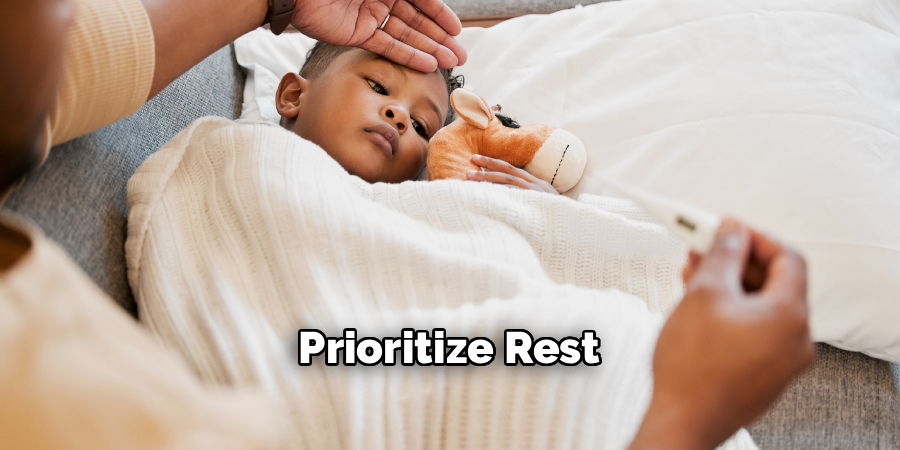
Skip outings, busy errands, and visitors for now. A quiet, cozy environment helps your little one recover faster and reduces the chance of spreading the flu to others.
2. Offer Plenty of Fluids
Staying hydrated is the single most important part of flu care at home. Fever, congestion, and reduced appetite all increase the risk of dehydration.
For breastfed or formula-fed babies: Offer the breast or bottle more often, even in smaller amounts. Frequent feeds keep fluids coming in steadily.
For babies over 6 months: You can add small sips of water alongside milk feeds. Ask your pediatrician before offering anything else, like an oral rehydration solution.
Keep an eye on wet diapers. A baby who’s drinking enough should produce a wet diaper at least every six to eight hours.
3. Manage the Fever Gently
A fever is a normal sign that your baby’s body is fighting the infection. It isn’t dangerous on its own for most babies over 3 months, but it can make them uncomfortable.
If your baby is over 3 months, you can give acetaminophen to ease the discomfort. For babies 6 months and older, ibuprofen is another option. Always use the correct dose for your baby’s weight, and check with your pediatrician if you’re unsure.
Important: Never give fever medicine to a baby under 3 months without talking to your doctor first. A fever in a newborn needs medical attention, not home treatment.
4. Ease Nasal Congestion
A stuffy nose makes feeding and sleeping hard, since babies breathe mostly through their nose. A few simple tools can bring real relief.

- Saline drops: A few drops of saline (saltwater) in each nostril loosen thick mucus.
- Bulb syringe or nasal aspirator: Gently suction the loosened mucus, especially before feeds and bedtime.
- Cool-mist humidifier: Running one in your baby’s room adds moisture to the air and soothes irritated airways.
Skip over-the-counter cold and cough medicines. They aren’t safe or recommended for babies and young children.
5. Ask About Antiviral Medication
Antiviral drugs can shorten the flu and lower the risk of complications, and they’re approved for use in babies. Because young children are at higher risk, the CDC recommends starting treatment quickly when a doctor decides it’s appropriate.
The catch: these medicines work best when started within the first day or two of symptoms. That’s why it’s worth calling your pediatrician early, rather than waiting to see how things unfold. They’ll decide whether your baby needs a prescription based on age, symptoms, and overall health.
Age-Specific Advice for Treating Flu in Babies
Your baby’s age changes how cautious you need to be. Here’s a quick breakdown.
Newborns (Under 3 Months)
Treat any flu symptom in a newborn as a reason to call the doctor right away. A fever of 100.4°F (38°C) or higher in this age group always needs prompt medical attention.
Don’t give any medication on your own. Newborns are the most vulnerable group, so professional guidance comes first.
1 to 3 Months
The same rule applies: call your pediatrician at the first sign of flu, including fever, poor feeding, or unusual sleepiness. Home fever medicine isn’t appropriate yet without a doctor’s go-ahead.
Focus on frequent feeds and close monitoring while you wait for medical advice.
3 to 6 Months
You have a little more room here. Acetaminophen can be used for fever with your pediatrician’s okay, and saline drops help with congestion.
Still, this age group remains high-risk, so call your doctor if symptoms are more than mild or if you feel uncertain.
6 Months and Older
Babies this age can usually be cared for at home with rest, fluids, and fever management. You can offer small sips of water alongside milk, and both acetaminophen and ibuprofen are options at the correct dose.
This is also the age when your baby can get a flu vaccine, which is the best way to prevent the flu in future seasons.
Common Mistakes to Avoid
Even loving, attentive parents make these missteps. Knowing them ahead of time helps you sidestep trouble.
- Giving aspirin: Never give aspirin to a baby or child with a viral illness. It’s linked to Reye’s syndrome, a rare but serious condition affecting the brain and liver. Stick to acetaminophen or ibuprofen.
- Over-bundling a feverish baby: Piling on blankets to “sweat out” a fever can trap heat and raise body temperature. Dress your baby in light layers instead.
- Using cold and cough medicines: These products aren’t recommended for babies and can cause harmful side effects. Use saline and suction instead.
- Waiting too long to call: Because babies are high-risk, delaying that first call can mean missing the window for antiviral treatment. When in doubt, reach out.
- Skipping fluids: Assuming a sleepy, sick baby will catch up later is risky. Offer feeds often, even in small amounts.
Safety Tips While Your Baby Recovers
Good care goes beyond treatment. These habits keep your baby safer and help the household stay healthy.
- Wash your hands before feeding, changing, or holding your baby. Flu spreads through droplets and contaminated surfaces.
- Keep your baby home and away from other people while they’re contagious, which can last up to five to seven days after symptoms start.
- Clean shared surfaces like countertops, doorknobs, and toys regularly.
- Always place your baby on their back to sleep, even when sick, and keep the crib free of pillows and loose blankets.
- Double-check every dose of medication against your baby’s weight and your pediatrician’s instructions.
Signs You’re Doing It Right
It’s normal to second-guess yourself when your baby is sick. Look for these reassuring signs that your care is working.
- Your baby is having wet diapers every six to eight hours.
- They’re alert and responsive when awake, even if more tired than usual.
- Their fever responds to medicine and comes down for a while.
- They’re feeding, even in smaller or more frequent amounts.
- They have moments of comfort, like calming after a feed or a cuddle.
Recovery isn’t a straight line. Some hours will be rougher than others, and that’s expected. Steady fluids and rest, plus a baby who perks up between symptoms, are good signs you’re on track.
When to Call a Doctor
Trust your instincts. If something feels wrong, call your pediatrician, even if your baby’s symptoms aren’t on this list. For babies under 3 months, any flu symptom warrants a call.
Get emergency care right away if your baby shows any of these warning signs:
- Trouble breathing, fast breathing, or ribs pulling in with each breath
- Bluish lips or skin
- Unresponsiveness or being very hard to wake
- Seizures
- Severe dehydration: no wet diaper for more than eight hours, dry mouth, sunken eyes, or crying without tears
- A fever above 104°F that won’t come down with medicine
- Symptoms that improve, then return or get worse
For newborns specifically, seek help if your baby isn’t eating, has trouble breathing, cries without tears, has far fewer wet diapers, or has any fever while under 3 months old.
Call your pediatrician (rather than the ER) if your baby is unusually sleepy and hard to rouse, has a fever lasting more than three days, refuses to drink, or shows any symptom that worries you. Your pediatrician knows your baby’s history and can guide your next step.
Frequently Asked Questions
How long does the flu last in babies?
Most flu symptoms ease within five to seven days, though a cough or tiredness can linger a bit longer. Your baby may be contagious from a day before symptoms appear until about five to seven days after.
Can I give my baby medicine to bring down a fever?
Yes, if your baby is over 3 months, you can use acetaminophen at the correct dose. Ibuprofen is an option for babies 6 months and older. For babies under 3 months, call your doctor before giving anything.
Is it a cold or the flu?
Colds tend to come on slowly with mild symptoms. The flu usually appears suddenly with a higher fever, more fussiness, and sometimes vomiting or diarrhea. When you’re unsure, your pediatrician can help you tell the difference.
Should I still feed my baby if they don’t seem hungry?
Yes. Offer the breast or bottle frequently in smaller amounts. Keeping fluids coming in matters more than the size of each feed, since dehydration is the biggest home-care risk.
Can I prevent my baby from getting the flu?
You can lower the risk. Make sure everyone in the household over 6 months gets a yearly flu vaccine, wash hands often, and keep your baby away from sick people. Babies 6 months and older can get the flu vaccine themselves.
A Final Word of Reassurance
Learning how to treat flu in babies comes down to a few steady habits: plenty of rest, regular fluids, gentle fever care, and a close eye on the warning signs. You don’t need to be perfect. You just need to keep your baby comfortable and know when to reach out for help.
Sick days are hard on everyone, and the worry you feel is a sign of how much you care. Trust yourself, lean on your pediatrician when you need to, and know that most babies bounce back quickly. You’ve got this, and your little one is lucky to have you in their corner.

About
Joann Meril didn’t plan on becoming a parenting writer — it found her. After spending several years working as a certified nursing assistant in a pediatric clinic, Joann saw firsthand how anxious and under-informed new parents could feel, even with a hospital full of resources around them. When she had her own two children, that gap became personal. Suddenly she was the one googling things at 2 a.m., comparing baby monitors, and wondering if the swaddle she bought was actually safe.
That experience is what shaped her approach to writing. Joann believes parenting advice should be practical, honest, and free of unnecessary jargon or guilt. She tests products herself whenever possible, reads the actual safety standards instead of just the marketing copy, and isn’t afraid to say when something isn’t worth the money.
Today, Joann writes full-time, covering everything from newborn sleep routines to gear reviews to the small everyday wins that make parenting feel a little less overwhelming. When she’s not researching or writing, she’s usually chasing her own kids around the backyard or drinking coffee that’s gone cold for the third time that morning.
Joann lives in [City/State] with her husband and two children.
Credibility
- Background in pediatric caregiving (CNA)
- Mom of two, hands-on parenting experience
- Hand-tests baby gear before recommending it
- Focus: infant sleep, feeding, gear safety, early development