
Your baby finished a round of antibiotics for an ear infection, and now their diaper looks very different. Loose, frequent, sometimes a little explosive — and you’re wondering if something’s wrong. Take a breath: this is common, and in most cases, it’s nothing to panic about.
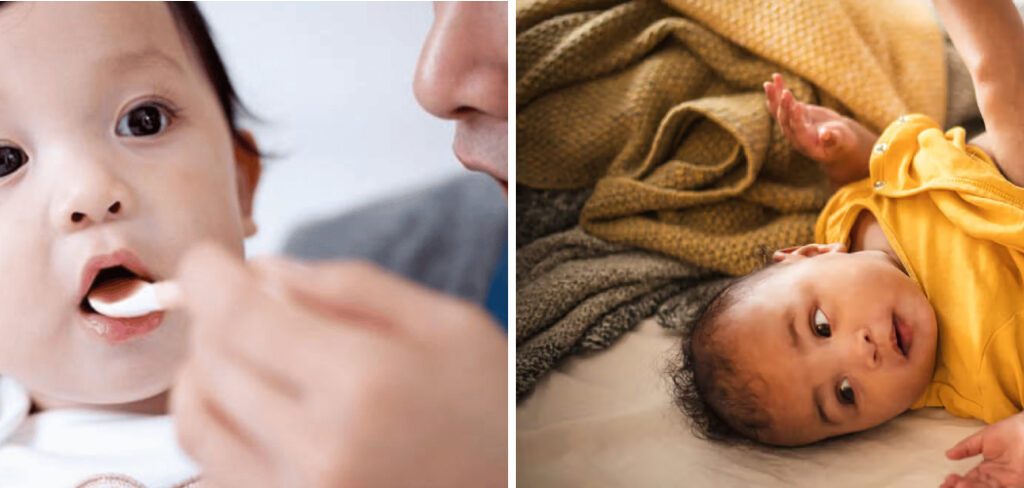
Antibiotics fight infection, but they can also disrupt the friendly bacteria in your baby’s gut. That disruption often shows up as runny poop. In this guide, you’ll learn how to treat baby diarrhea from antibiotics step by step, how to keep your little one comfortable, and exactly when to call your doctor.
Why This Matters for New Parents
Diarrhea isn’t just messy — it can drain fluids quickly from a small body. Babies are tiny, so they don’t have much reserve. That’s why staying on top of hydration matters more than it would for an older child or adult.
Here’s the reassuring part: antibiotic-related diarrhea is usually mild and short-lived. It often clears up within a few days of finishing the medicine. Knowing what’s normal helps you tell the difference between “wait and watch” and “time to call someone.”
You may also worry whether you should stop the antibiotic. In most cases, you shouldn’t — but more on that below. The goal here is simple: keep your baby hydrated, comfortable, and gently support their gut while it recovers.
How Antibiotics Cause Diarrhea (The Quick Version)
Your baby’s gut is home to trillions of helpful bacteria — sometimes called the gut flora — that help digest food and keep the system balanced. Antibiotics can’t tell the difference between harmful bacteria and helpful ones. They wipe out both.
When the helpful bacteria drop in number, digestion gets thrown off. The result is looser, more frequent stools. Once the medicine is finished and the good bacteria rebuild, things usually return to normal.
Step-by-Step Guide on How to Treat Baby Diarrhea From Antibiotics
Here’s a clear, practical order to follow. Move through these steps and adjust based on your baby’s age and how they’re feeling.
1. Keep giving the antibiotic unless your doctor says otherwise.
It’s tempting to stop the medicine to stop the diarrhea. Don’t — at least not without asking first. Stopping early can let the original infection come back stronger.
Tip: Call your pediatrician’s office if the diarrhea worries you. They may adjust the dose, switch medicines, or simply reassure you.
2. Focus on fluids first.
Hydration is the single most important thing. For breastfed babies, nurse more often. For formula-fed babies, offer their usual formula in regular amounts.
Tip: Smaller, more frequent feedings are often easier on an upset tummy than large ones.
3. Don’t dilute formula or switch foods on your own.
Watered-down formula doesn’t give your baby enough nutrition. Stick to their normal feeding routine unless your doctor recommends a change.
4. Ask about probiotics.
Probiotics — supplements containing helpful bacteria — may shorten antibiotic-related diarrhea. Studies suggest certain strains can help, but always check with your pediatrician before giving anything new to a baby.
5. Keep that little bottom protected.
Frequent loose stools can irritate the skin fast. Change diapers promptly and apply a thick barrier cream at each change.
Tip: A pea-sized blob of zinc-oxide cream creates a protective layer that wipes off more easily next time.
6. Watch and track.
Keep a rough count of wet and dirty diapers. This gives you — and your doctor — a clear picture of whether your baby is staying hydrated.
Age-Specific Advice
Your baby’s age changes how cautious you need to be. Younger babies have less margin for error, so the threshold for calling a doctor is lower.
Newborns (0–4 weeks)
Newborns are the most fragile when it comes to fluid loss. Any diarrhea in a baby this young deserves a call to your doctor, even if your baby seems fine otherwise. Keep breastfeeding or formula-feeding on demand, and don’t wait long if anything seems off.
1–3 Months
At this age, hydration is still the priority and your doctor should know about ongoing diarrhea. Feed frequently and watch wet diapers closely. Do not give water, juice, or rehydration drinks unless your pediatrician specifically tells you to.
3–6 Months
Babies here have a bit more resilience, but the rules stay similar. Stick to breast milk or formula as the main source of fluids. If your doctor approves an oral rehydration solution — a special drink that replaces lost fluids and salts — follow their dosing exactly.
6+ Months
Once your baby eats solids, gentle foods can help firm things up. Bananas, rice cereal, applesauce, and plain mashed potatoes are easy on the gut. Keep milk feedings going as usual, and avoid sugary drinks, which can make diarrhea worse.
Common Mistakes to Avoid
A few well-meaning moves can backfire. Here are the ones parents make most often.
- Stopping the antibiotic early. This lets the infection rebound. Always ask before quitting a prescribed course.
- Giving anti-diarrhea medicine. Adult products like loperamide are not safe for babies. Never give them without explicit medical direction.
- Diluting formula or switching to water. Babies need full-strength nutrition and the right balance of salts. Plain water can actually upset that balance.
- Ignoring diaper rash until it’s severe. Loose stools irritate skin quickly. Protect early rather than treating a painful rash later.
- Waiting too long to ask for help. When in doubt, call. A two-minute phone call beats a sleepless night of worry.
Safety Tips
- Wash your hands often. Diarrhea can sometimes be contagious, so wash thoroughly after every diaper change.
- Store antibiotics correctly. Some need refrigeration. Check the label and keep them out of reach.
- Measure medicine precisely. Use the syringe or cup that came with it, not a kitchen spoon.
- Skip home remedies for now. Herbal teas, honey, and over-the-counter products aren’t safe for babies. Honey, in particular, should never be given before age one.
- Keep your doctor’s number handy. Quick access removes one layer of stress when you’re tired and worried.
Signs You’re Doing It Right
It helps to know what progress looks like. These signs mean things are heading in the right direction.
- Your baby is still having wet diapers — at least every six hours or so.
- They’re feeding normally and seem interested in milk or food.
- Their mood is steady — playful, alert, and comforted by your usual routine.
- The diarrhea is staying the same or improving, not getting noticeably worse.
- Their bottom looks protected, with little to no raw or broken skin.
If you’re seeing these, you’re handling it well. Most antibiotic-related diarrhea fades within a few days, and you’re giving your baby exactly what they need: fluids, comfort, and gentle care.
When to Call a Doctor
Some signs mean it’s time to reach out right away. Trust your instincts — you know your baby best.
Call your pediatrician promptly if you notice:
- Signs of dehydration: fewer wet diapers, a dry mouth, no tears when crying, or a sunken soft spot on the head.
- Blood or mucus in the stool.
- Diarrhea lasting more than a few days or clearly getting worse.
- A fever, especially in a baby under three months.
- Vomiting alongside the diarrhea.
- Unusual sleepiness, floppiness, or a baby who’s hard to wake.
- Refusing to feed or showing belly pain.
For newborns and very young babies, don’t wait — call at the first sign of diarrhea. It’s always okay to check in, even just for peace of mind.
Frequently Asked Questions
How long does diarrhea from antibiotics last in babies?
It usually lasts a few days and often clears up within a week of finishing the medicine. If it stretches longer than that or gets worse, give your doctor a call.
Can I stop the antibiotic to make the diarrhea go away?
No, not on your own. Stopping early can let the infection return. Always talk to your pediatrician first — they may adjust things if needed.
Are probiotics safe for my baby during antibiotics?
Often, yes, and studies suggest they may help shorten the diarrhea. Still, check with your doctor before starting, and ask which type and dose are right for your baby’s age.
Should I give my baby water for the diarrhea?
Not unless your doctor tells you to. Breast milk or formula is the best fluid for babies. Plain water can throw off the salt balance in their small bodies.
What foods help with antibiotic-related diarrhea in older babies?
For babies on solids, bananas, rice cereal, applesauce, and plain mashed potatoes are gentle choices. Keep milk feedings going and skip sugary drinks and juices.
Final Thoughts
Learning how to treat baby diarrhea from antibiotics really comes down to a few calm, steady steps: keep the fluids flowing, finish the medicine unless your doctor advises otherwise, protect that little bottom, and watch for warning signs.
This phase is temporary. As your baby’s gut rebuilds its helpful bacteria, the diapers will settle back to normal. You’re doing a wonderful job simply by paying attention and showing up.
And remember — you’re never bothering your pediatrician by calling. A quick question today can save you a worried night, and your baby is lucky to have someone watching over them so closely. You’ve got this.

About
Joann Meril didn’t plan on becoming a parenting writer — it found her. After spending several years working as a certified nursing assistant in a pediatric clinic, Joann saw firsthand how anxious and under-informed new parents could feel, even with a hospital full of resources around them. When she had her own two children, that gap became personal. Suddenly she was the one googling things at 2 a.m., comparing baby monitors, and wondering if the swaddle she bought was actually safe.
That experience is what shaped her approach to writing. Joann believes parenting advice should be practical, honest, and free of unnecessary jargon or guilt. She tests products herself whenever possible, reads the actual safety standards instead of just the marketing copy, and isn’t afraid to say when something isn’t worth the money.
Today, Joann writes full-time, covering everything from newborn sleep routines to gear reviews to the small everyday wins that make parenting feel a little less overwhelming. When she’s not researching or writing, she’s usually chasing her own kids around the backyard or drinking coffee that’s gone cold for the third time that morning.
Joann lives in [City/State] with her husband and two children.
Credibility
- Background in pediatric caregiving (CNA)
- Mom of two, hands-on parenting experience
- Hand-tests baby gear before recommending it
- Focus: infant sleep, feeding, gear safety, early development