
That first trip with your little one can feel like a giant leap. You picture forgotten bottles, a meltdown on the freeway, or a packed flight with a crying baby and dozens of eyes on you. Take a breath, because plenty of parents make these trips every single day, and so can you.
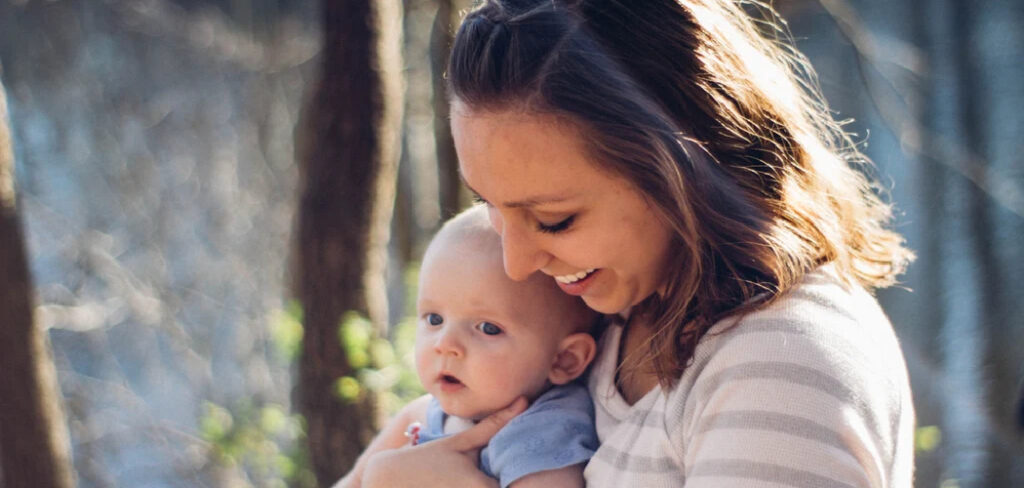
This guide walks you through how to travel with a baby from start to finish. We’ll cover what to pack, how to plan each step, what changes with your baby’s age, and the small habits that keep everyone calmer. Think of it as a friend handing you a checklist and a reassuring pat on the back.
Why Traveling With a Baby Matters for New Parents
Travel is not just about getting from one place to another. It’s how you visit grandparents, take that long-promised vacation, or simply get out of the house when the walls feel close.
Here’s the honest truth: babies are more flexible than we give them credit for. They don’t need a perfect schedule to thrive. They need you, their food, and a safe place to rest, and most of that travels with you.
It’s normal to feel anxious before your first trip. That worry usually comes from the unknown, not from any real danger. Once you’ve done it once, the second trip feels far easier, because you’ll know what to expect.
What You’ll Need: A Baby Travel Packing List
The right gear makes the difference between a smooth trip and a stressful one. You don’t need to buy everything new, but a few key items will save you again and again.
Feeding supplies:
- Bottles, formula, or a nursing cover if you prefer privacy
- A small cooler bag for milk
- Burp cloths and bibs
- Snacks and a sippy cup for older babies
Diapering kit:
- More diapers than you think you’ll need (pack at least one per hour of travel)
- Wipes and a portable changing pad
- Sealable bags for dirty diapers
- Diaper cream
Comfort and sleep:
- A favorite blanket or sleep sack
- A pacifier or comfort toy
- A lightweight, travel-friendly stroller or carrier
- A portable crib or bassinet for overnight stays
Health and safety:
- A small first-aid kit
- Baby-safe sunscreen for babies over six months
- A change of clothes for baby (and a spare top for you)
- Any prescribed medication
Documents:
- Your baby’s ID or passport for flights
- Insurance details and your pediatrician’s contact number
A quick tip: pack a “first reach” bag with diapers, wipes, and one feeding ready to go. You’ll want those items within arm’s reach, not buried at the bottom of a suitcase.
7 Step-by-Step Guide to Traveling With Your Baby
Breaking the trip into stages keeps it manageable. Here’s how to move from planning to arrival without losing your cool.
Step 1: Plan around your baby’s rhythm.
Book travel during a time your baby is usually calm, such as right after a feed or near nap time. A full, sleepy baby is a happy traveler. Avoid scheduling departures during their fussiest hour if you can help it.
Step 2: Pack the day before.
Last-minute packing leads to forgotten essentials. Lay everything out the night before and check it against your list. Keep the diaper bag separate so it’s easy to grab.
Step 3: Feed before you go.
A feeding right before departure settles your baby and buys you quiet time. For flights, feeding during takeoff and landing helps with ear pressure, since swallowing eases the discomfort.
Step 4: Dress in easy layers.
Cars, planes, and buildings shift between hot and cold. Layers let you adjust quickly without a full outfit change. Pick clothes with simple snaps for fast diaper swaps.
Step 5: Build in extra time.
Everything takes longer with a baby. Give yourself a generous buffer so a surprise diaper blowout doesn’t make you miss your window. Rushing raises stress for both of you.
Step 6: Take breaks on long trips.
On a road trip, stop every two to three hours to feed, change, and let your baby stretch. Babies shouldn’t stay in a car seat for hours at a time without a break.
Step 7: Settle in at your destination.
When you arrive, set up a familiar sleep spot first. A known blanket or sleep sack signals that it’s safe to rest, even in a new place.
Age-Specific Advice for Traveling With a Baby
Your baby’s needs shift quickly in the first year. Here’s what to expect at each stage.
Newborns (0–4 weeks)
Newborns sleep a lot, which can make travel surprisingly smooth. Their main needs are feeding, warmth, and clean diapers.
Keep trips short and simple if possible. A newborn’s immune system is still developing, so crowded, enclosed spaces carry more germs. Frequent feeds matter most, so plan for stops or breaks every couple of hours.
1–3 Months
At this stage your baby is more alert but still naps often. You can usually time travel around naps with good results.
Pack a familiar comfort item now, since babies begin noticing changes in their surroundings. A predictable feeding routine helps them stay settled in new places.
3–6 Months
Your baby is now more curious and social. Travel becomes more interactive, which is fun but means you’ll need entertainment on hand.
Bring a few small toys to keep busy hands occupied. Naps may shorten, so don’t worry if sleep looks a little different on the road. Babies of this age may also start teething, so a chilled teether can help.
6 Months and Older
Older babies sit up, grab things, and eat solids, which opens new options and new challenges. They have more energy and stronger opinions.
Pack mess-free snacks and a sippy cup. Movement matters more now, so plan plenty of breaks for crawling or stretching. Distraction is your best tool when a wiggly baby gets restless.
Common Mistakes to Avoid
A few simple missteps trip up most new parents. Knowing them ahead of time saves you the headache.
Overpacking the wrong things. Many parents bring five outfits but forget enough diapers. Focus on essentials you’ll use often rather than “just in case” extras.
Ignoring your baby’s schedule. Booking travel during their fussiest hour almost guarantees a rough ride. Work with their natural rhythm instead of against it.
Not feeding during flight pressure changes. Skipping a feed during takeoff and landing can leave your baby with painful ear pressure. A bottle, breast, or pacifier eases it.
Leaving the diaper bag out of reach. A blowout at 30,000 feet or on a busy highway is no time to dig through luggage. Keep your first-reach bag close.
Expecting perfection. Setting the bar at a flawless trip sets you up to feel like you failed. A few tears, yours or the baby’s, are part of the process.
Safety Tips for Traveling With a Baby
A handful of safety habits cover most situations. None of them require special skills, just a little attention.
- Use a properly installed car seat every time. Never hold your baby on your lap in a moving vehicle. Check that the seat is rear-facing and snug.
- Keep your baby out of direct sun. For babies under six months, shade and light clothing are safer than sunscreen.
- Stay hydrated, especially in warm weather. Offer feeds more often if it’s hot.
- Wash hands and wipe surfaces. Travel exposes your baby to new germs, and clean hands cut the risk.
- Never leave your baby unattended. Not in a car, a hotel bed, or a stroller, even for a moment.
These habits become second nature fast. Soon you’ll do them without a second thought.
Signs You’re Doing It Right
Worried you’re not getting this right? Watch for these reassuring signs.
- Your baby feeds and sleeps reasonably well, even if not perfectly.
- They calm down after a feed, a cuddle, or a diaper change.
- You’re staying flexible and adjusting when plans shift.
- You packed the essentials and can reach them quickly.
- You’re handling the bumps without losing your patience for long.
Here’s the thing: a baby who cries sometimes is not a sign of failure. Crying is how babies communicate. If you respond with care, you’re doing exactly what you should.
Frequently Asked Questions
How old should my baby be before traveling?
There’s no single right age. Many parents travel within the first few months, while others wait until their baby is older and more settled. Short, local trips are fine early on; for longer journeys, do what feels comfortable for your family.
What’s the best way to keep a baby calm on a flight?
Feeding during takeoff and landing eases ear pressure and soothes most babies. Beyond that, a familiar comfort item, gentle rocking, and a calm parent go a long way.
How do I manage feeding times while traveling?
Stick to your usual feeding rhythm as closely as you can. Pack ready-to-go feeds within reach, and feed on demand rather than forcing a strict clock.
Will travel mess up my baby’s sleep schedule?
It might shift things for a day or two, and that’s normal. Bring a familiar sleep item to signal rest, and your baby will usually settle back into routine soon after you return home.
Do I really need a car seat for short trips?
Yes, every time. A properly installed, rear-facing car seat is the single most important safety step in any vehicle, no matter how short the drive.
Final Thoughts on How to Travel With a Baby
Traveling with a baby asks for a little more planning and a lot of patience, but it’s far more doable than it first appears. With the right packing list, a flexible mindset, and a few safety habits, you’ve got everything you need to make the trip work.
Remember that no trip goes perfectly, and it doesn’t have to. Your baby mostly needs you, their food, and a safe place to rest, all of which travel with you wherever you go.
So take a deep breath and trust yourself. You’re more ready for this than you think, and the memories waiting on the other side are worth every diaper bag you’ll ever pack.

About
Joann Meril didn’t plan on becoming a parenting writer — it found her. After spending several years working as a certified nursing assistant in a pediatric clinic, Joann saw firsthand how anxious and under-informed new parents could feel, even with a hospital full of resources around them. When she had her own two children, that gap became personal. Suddenly she was the one googling things at 2 a.m., comparing baby monitors, and wondering if the swaddle she bought was actually safe.
That experience is what shaped her approach to writing. Joann believes parenting advice should be practical, honest, and free of unnecessary jargon or guilt. She tests products herself whenever possible, reads the actual safety standards instead of just the marketing copy, and isn’t afraid to say when something isn’t worth the money.
Today, Joann writes full-time, covering everything from newborn sleep routines to gear reviews to the small everyday wins that make parenting feel a little less overwhelming. When she’s not researching or writing, she’s usually chasing her own kids around the backyard or drinking coffee that’s gone cold for the third time that morning.
Joann lives in [City/State] with her husband and two children.
Credibility
- Background in pediatric caregiving (CNA)
- Mom of two, hands-on parenting experience
- Hand-tests baby gear before recommending it
- Focus: infant sleep, feeding, gear safety, early development