
Your little one woke up with a stuffy nose, a slight fever, and that worried-parent feeling kicked in fast. You’re wondering if it’s COVID, and now you need to know how to test a baby for covid without making the whole thing more stressful than it has to be. Take a breath — you’ve got this.
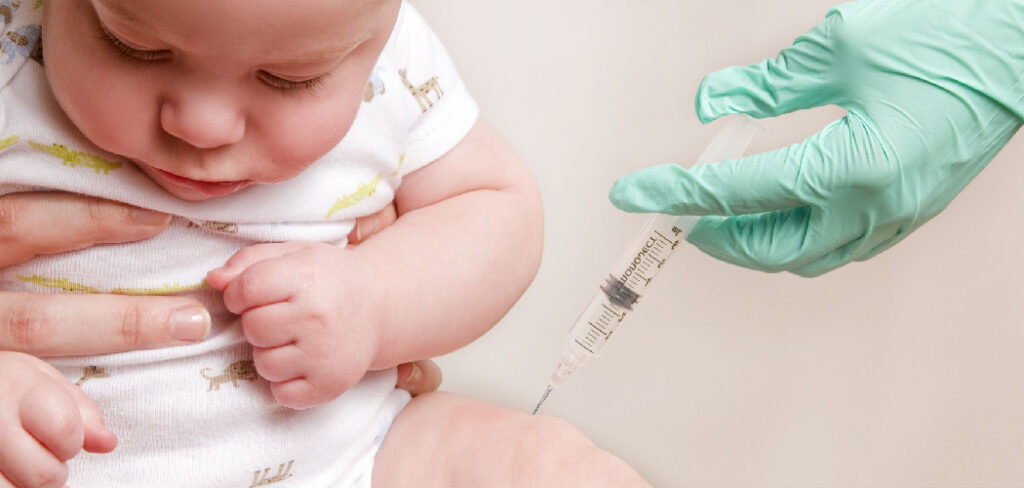
Testing a baby is gentler and simpler than most parents expect. In this guide, you’ll learn exactly how to do it safely, what mistakes to avoid, and when it’s time to call your doctor. Let’s walk through it together.
Why This Matters for New Parents
Babies can’t tell you how they feel. They can only cry, fuss, or seem “off,” which leaves you guessing — and worrying. Knowing how to test a baby for covid gives you a clear answer instead of an anxious night of wondering.
A test result helps you make smart choices quickly. You’ll know whether to keep your baby home, watch certain symptoms more closely, or check in with a doctor. That clarity protects your baby and the people around them.
Here’s the reassuring part: most babies and young children handle COVID well. Studies suggest infants usually have mild symptoms, similar to a common cold. Testing isn’t about expecting the worst — it’s about staying informed so you can respond calmly.
You may also feel nervous about the test itself. The idea of swabbing a tiny nose can feel intimidating. The good news is that at-home tests use a short, shallow swab that’s gentle enough for little ones when done correctly.
How to Test a Baby for COVID: Step-by-Step Guide
Most parents use a rapid antigen test at home — the kind sold over the counter that gives results in about 15 minutes. Antigen test: a test that detects pieces of the virus from a nasal sample. Here’s how to do it smoothly.
- Read the instructions first. Every test brand is slightly different. Check the box to confirm it’s approved for your baby’s age, and follow the timing exactly. Tip: lay out everything you need before you start so you’re not scrambling mid-swab.
- Wash your hands. Clean hands keep the sample accurate and your baby safe. Soap and water for 20 seconds does the job.
- Get your baby settled. Pick a calm moment, not right after feeding. Hold your baby securely on your lap or have a second person gently steady their head. A snug hold prevents sudden movements.
- Insert the swab gently. Slide the soft swab about a half-inch into one nostril — just past the nostril opening, not deep. You’re collecting from the lower part of the nose, not way up inside.
- Swab in soft circles. Rotate the swab against the inside of the nostril for the time the instructions specify, usually 10 to 15 seconds. Repeat in the other nostril with the same swab if the directions say to.
- Process the sample. Place the swab in the test solution and follow the steps on the box exactly. Skipping a step here can give you a false result.
- Wait and read the result. Set a timer for the exact wait time. Reading too early or too late can be misleading. Tip: distract yourself — checking every 30 seconds only stretches the minutes.
A little crying during the swab is normal and won’t hurt your baby. Sing, offer a favorite toy, or have someone make silly faces to help everyone stay relaxed.
Common Mistakes to Avoid
Small errors can lead to a wrong result, which causes unnecessary worry or false comfort. Here are the slip-ups parents make most often.
- Swabbing too deep. You don’t need to reach the back of the nose. A shallow swab in the lower nostril works and feels far gentler for your baby.
- Rushing the timer. Reading the result before the full wait time is up is one of the most common mistakes. A faint line at three minutes might disappear or change — wait for the time on the box.
- Testing too early. If your baby was just exposed, the test may not pick up the virus yet. Testing works best once symptoms appear or a few days after a known exposure.
- Skipping the second nostril. Many tests ask you to swab both sides. Skipping one reduces the amount of sample collected and can weaken accuracy.
- Using an expired or heat-damaged test. Tests stored in a hot car or past their date may not work. Check the expiration date and store kits at room temperature.
Safety Tips
Testing is low-risk when you keep a few simple habits in mind. These steps protect your baby and keep your results trustworthy.
- Use the right swab. Only use the swab that comes in the kit. Cotton buds or other swabs aren’t designed for this and can be unsafe.
- Never force the swab. If your baby twists away hard, pause and reposition. Gentle and steady beats fast and forceful every time.
- Keep small parts away. Caps, swabs, and test cassettes are choking hazards. Clear them off the changing table or counter the moment you’re done.
- Store the liquid solution safely. The test fluid is not for drinking. Keep it out of reach and dispose of used kits in the trash, away from curious hands.
- Wash up afterward. Clean your hands and wipe down the surface once you’ve read the result.
If your baby is under three months old, check with your doctor before testing at home. Very young infants sometimes need professional evaluation rather than a home swab.
When to Call a Doctor
A test result is only part of the picture. Your baby’s symptoms and behavior matter just as much, and some signs need a doctor’s attention no matter what the test says.
Call your pediatrician or seek care if your baby shows any of these:
- Fever in a young infant. A temperature of 100.4°F (38°C) or higher in a baby under three months is always worth a call, COVID or not.
- Trouble breathing. Watch for fast breathing, flared nostrils, grunting, or the skin pulling in around the ribs with each breath.
- Poor feeding or fewer wet diapers. Refusing to feed or noticeably fewer wet diapers can signal dehydration.
- Unusual sleepiness or limpness. A baby who is very hard to wake or seems floppy needs prompt evaluation.
- Bluish lips or face. This is an emergency. Call your local emergency number right away.
Trust your instincts here. You know your baby better than anyone, and if something feels wrong, it’s always okay to call. Doctors would rather reassure a worried parent than miss something early.
Frequently Asked Questions
Can I use a regular adult COVID test on my baby?
In most cases, yes — the same rapid antigen tests are used for all ages. The difference is technique: you insert the swab less deeply and hold your baby more securely. Always check the box to confirm the test is suitable for infants.
How accurate are at-home tests for babies?
Rapid tests are fairly accurate when symptoms are present, though they’re less reliable than lab tests. A positive result is usually trustworthy. A negative result with ongoing symptoms may need a repeat test in a day or two, or a call to your doctor.
My baby has symptoms but tested negative. What now?
Test again in 24 to 48 hours, since the virus may not show up early. Keep watching symptoms and comfort your baby with rest and fluids. If symptoms worsen or you’re unsure, reach out to your pediatrician.
Does swabbing hurt my baby?
It shouldn’t. A gentle, shallow swab feels more ticklish or surprising than painful. Some babies cry simply because it’s unfamiliar, not because it hurts.
How often should I test my baby?
Test when symptoms appear or a few days after a known exposure. There’s no need to test a healthy baby with no symptoms. Repeat testing makes sense if symptoms continue and the first result was negative.
Final Thoughts on How to Test a Baby for COVID
Learning how to test a baby for covid turns a stressful moment into a manageable one. With a gentle swab, a steady hold, and a little patience, you can get a clear answer at home and decide what to do next with confidence.
Remember that most babies recover from COVID with rest, fluids, and plenty of cuddles. The fact that you’re here, learning how to care for your little one, shows what a thoughtful parent you already are. You’ve got the tools and the instincts — and your baby is lucky to have you looking out for them.

About
Joann Meril didn’t plan on becoming a parenting writer — it found her. After spending several years working as a certified nursing assistant in a pediatric clinic, Joann saw firsthand how anxious and under-informed new parents could feel, even with a hospital full of resources around them. When she had her own two children, that gap became personal. Suddenly she was the one googling things at 2 a.m., comparing baby monitors, and wondering if the swaddle she bought was actually safe.
That experience is what shaped her approach to writing. Joann believes parenting advice should be practical, honest, and free of unnecessary jargon or guilt. She tests products herself whenever possible, reads the actual safety standards instead of just the marketing copy, and isn’t afraid to say when something isn’t worth the money.
Today, Joann writes full-time, covering everything from newborn sleep routines to gear reviews to the small everyday wins that make parenting feel a little less overwhelming. When she’s not researching or writing, she’s usually chasing her own kids around the backyard or drinking coffee that’s gone cold for the third time that morning.
Joann lives in [City/State] with her husband and two children.
Credibility
- Background in pediatric caregiving (CNA)
- Mom of two, hands-on parenting experience
- Hand-tests baby gear before recommending it
- Focus: infant sleep, feeding, gear safety, early development