
Babies learn long before they can speak. They listen to your voice, watch your face, notice pictures, and begin connecting sounds with meaning. That is why learning how to teach your baby to read is less about flashcards and pressure, and more about building warm, playful early literacy habits from the start.
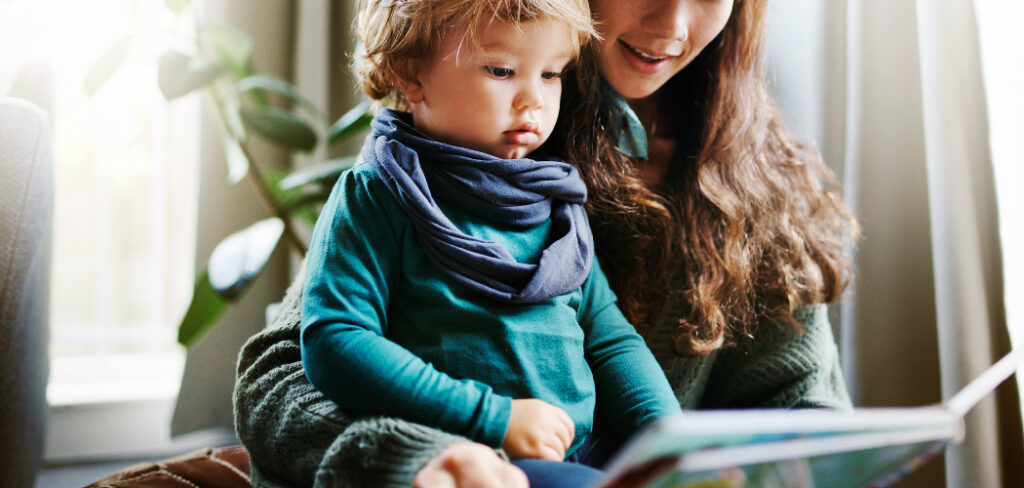
You do not need a formal lesson plan. Simple read-aloud time, songs, pointing, naming, and storytelling can support language development and parent-child bonding. Over time, your baby starts to understand that books hold pictures, sounds, stories, and words.
This guide will show you how to build your baby’s early reading skills through calm, age-appropriate steps you can use every day.
Why Early Reading Habits Matter for Babies and New Parents
Early reading habits help babies build the foundation for later literacy. When you read, sing, and talk with your baby, you expose them to rhythm, sound patterns, vocabulary, and emotional connection. These small moments support listening skills, memory, and attention.
For new parents and caregivers, reading also creates a steady routine. Babies feel safe when they hear familiar words and see familiar books. A short board book before nap time or bedtime can become a comforting cue.
This skill matters because you are not just teaching letters. You are helping your baby enjoy language. That joy can make books feel natural, fun, and connected to love rather than pressure.
Tools and Materials You’ll Need
You only need a few simple materials to support early literacy. Choose items that are safe, sturdy, and easy for your baby to explore.
- Board books with thick pages
- Soft cloth books for young babies
- High-contrast picture books
- Books with simple rhymes and repeated phrases
- A cozy reading spot with good light
- A small basket for baby-safe books
- Songs, nursery rhymes, and finger plays
- Everyday objects for naming games
- A calm daily read-aloud routine
- Optional convenience item: a small book light for bedtime reading
Keep books within reach when your baby is supervised. Babies learn through touching, mouthing, grabbing, and turning pages, so choose books that can handle real use.
8 Step-by-Step Guide on How to Teach Your Baby to Read
Step 1 – Start With Your Voice
Your voice is your baby’s first reading tool. Long before your baby understands words, they respond to tone, rhythm, pauses, and emotion. Read slowly, smile often, and let your voice rise and fall with the story.
The first step in how to teach your baby to read is helping your baby connect language with comfort. Hold them close, let them hear your heartbeat, and read even if they wiggle or look away.
A few minutes matter. Your baby may stare at your mouth, grab the book, or kick with excitement. These are early signs of attention and engagement.
Step 2 – Choose Simple, Baby-Friendly Books
Pick books that match your baby’s stage. Young babies often enjoy bold pictures, faces, strong contrast, and short text. Older babies may like lift-the-flap books, animal sounds, textures, and simple stories with repeated words.
Do not worry about finishing every page. Your baby may want to chew the corner, pat the picture, or turn backward through the book. That is still learning.
Book handling builds print awareness. Your baby starts to notice that books open, pages turn, and pictures connect to your words. Keep the mood light, and follow your baby’s interest.
Step 3 – Read Aloud Every Day
Daily read-aloud time gives your baby repeated exposure to language. Try reading after breakfast, before naps, or during your bedtime routine. A predictable time helps reading become part of family life.
Read the same books often. Repetition may feel boring to you, but it helps babies learn sound patterns and word meaning. Your baby may smile before a favorite page or bounce when they hear a familiar phrase.
Keep sessions short. Two to five minutes can be enough for a young baby. The goal is not a long lesson. The goal is a positive reading habit.
Step 4 – Point, Name, and Pause
Pointing helps your baby connect spoken words with images. Touch a picture and say, “Dog,” “Ball,” or “Baby.” Use clear, simple words, then pause so your baby has time to look, listen, or respond.
This supports vocabulary growth and joint attention. Joint attention happens when you and your baby focus on the same thing together. It is a key part of early communication.
If your baby babbles, treat it like conversation. Answer warmly with, “Yes, that’s the dog!” These small back-and-forth moments help your baby learn that sounds carry meaning.
Step 5 – Add Songs, Rhymes, and Sound Play
A gentle plan for how to teach your baby to read should include songs and rhymes. Babies learn a lot from rhythm. Nursery rhymes, clapping games, and silly sound play help build phonemic awareness over time.
You can sing during diaper changes, walks, baths, or car rides. Try stretching sounds like “mmmmama” or making animal noises while looking at pictures. Your baby may laugh, copy sounds, or move their body to the beat.
These playful sounds prepare the brain for later reading. Before children read words, they learn to hear the smaller sounds inside language.
Step 6 – Connect Books to Real Life
Books become more meaningful when they connect to your baby’s world. If a book shows a banana, point to a real banana at snack time. If a story has a bath, talk about it during your baby’s bath.
These connections support word recognition and comprehension. Your baby starts to understand that words are not just sounds. They stand for people, objects, actions, and feelings.
Use simple language during the day. Say, “You see the cat,” or “We are putting on socks.” Everyday talk builds the background knowledge your baby will use later as a reader.
Step 7 – Let Your Baby Lead
Babies learn best when reading feels safe and enjoyable. Let your baby choose between two books, turn pages, touch pictures, or stop when they lose interest. If they crawl away, try again later.
Avoid forcing attention. A baby who gets tired, hungry, or overstimulated cannot focus well. Watch for cues like rubbing eyes, arching away, fussing, or looking around the room.
When you follow your baby’s lead, books stay positive. That emotional connection matters. A baby who enjoys sitting with you and a book is building a strong early literacy foundation.
Step 8 – Build a Reading-Rich Home
You do not need hundreds of books. A small, rotating collection can work well. Keep a few board books in the living room, near the feeding chair, or beside your baby’s play area.
Let your baby see you reading too. You can read a recipe, a note, a label, or your own book nearby. Babies watch what adults value.
Visit the library if you can. New books, story time, and songs can add variety. Over time, your baby learns that reading belongs in many places, not just at bedtime.
Common Mistakes When Teaching Early Reading Skills
One common mistake is treating baby reading like formal schoolwork. Babies do not need drills, tests, or pressure to memorize words. They need warm interaction, repetition, and playful exposure to language.
Another mistake is focusing only on letters too early. Letter names can be useful later, but babies first need rich listening, talking, singing, and book-sharing experiences. Sound patterns, vocabulary, and print awareness create a stronger base.
Some parents also stop reading when their baby seems distracted. Babies may look away, wiggle, chew, or crawl while still listening. Keep sessions short, but do not assume movement means failure.
A fourth mistake is using screens as the main reading tool. Digital books can have a place for older children, but babies benefit most from your face, voice, touch, and shared attention. Real books give them a sensory experience they can feel, see, and explore.
Expert Tips
Focus on connection before skill. Your baby learns more when reading feels warm, relaxed, and responsive. Sit close, use facial expressions, and let your baby hear joy in your voice.
Repeat favorite books often. Repetition strengthens memory and helps babies predict what comes next. Prediction is an early thinking skill that supports later comprehension.
Use parentese, the warm sing-song speech many adults naturally use with babies. It highlights sounds and keeps your baby engaged. Also, talk about pictures instead of only reading the printed words. Saying, “That puppy looks sleepy,” adds vocabulary and meaning.
Most of all, stay patient. Early literacy grows through hundreds of tiny moments, not one perfect reading session.
Frequently Asked Questions
Can babies really learn to read?
Babies usually do not learn to read in the formal sense. They are not decoding printed words like older children. Instead, they build early literacy skills, including listening, vocabulary, sound awareness, and book familiarity. These skills prepare them for later reading. Think of baby reading time as planting seeds rather than expecting full reading right away.
What age should I start reading to my baby?
You can start reading from birth, and some parents even read during pregnancy. Newborns enjoy hearing familiar voices, even if they do not understand the words. In the early months, focus on rhythm, closeness, and tone. As your baby grows, add pointing, naming, songs, and simple questions to make reading more interactive.
How long should I read to my baby each day?
Start with a few minutes at a time. Many babies do well with two to five minutes, several times a day. Older babies may enjoy longer sessions, especially with favorite books. Follow your baby’s cues. If they seem engaged, continue. If they fuss, turn away, or get tired, stop and try again later.
Are flashcards helpful for baby reading?
Flashcards are not necessary for most babies. Some babies may enjoy looking at simple cards, but they learn best through real interaction. Shared reading, songs, naming games, and everyday conversation are usually more useful. If you use flashcards, keep them playful and brief. Do not turn them into tests or pressure-based lessons.
What types of books are best for babies?
Board books, cloth books, high-contrast books, and simple picture books are great choices. Look for sturdy pages, clear images, rhymes, repeated phrases, and familiar topics like animals, faces, food, bedtime, and family. Babies also enjoy books with textures or flaps when used safely. The best book is one you can enjoy together often.
Conclusion
Learning how to teach your baby to read starts with simple, loving habits. You read aloud, sing, point, name, repeat, and connect books to daily life. These small actions help your baby build language development, print awareness, vocabulary, and a positive bond with books.
You do not need to rush or measure progress by word recognition. Your baby is learning through your voice, your attention, and the comfort of shared routines. Some days they may sit still and listen. Other days they may chew the book or crawl away. Both can be part of the process.
Start with one short reading moment today. Choose a sturdy book, hold your baby close, and read with warmth. Over time, those minutes can grow into a lifelong love of language and stories.

About
Joann Meril didn’t plan on becoming a parenting writer — it found her. After spending several years working as a certified nursing assistant in a pediatric clinic, Joann saw firsthand how anxious and under-informed new parents could feel, even with a hospital full of resources around them. When she had her own two children, that gap became personal. Suddenly she was the one googling things at 2 a.m., comparing baby monitors, and wondering if the swaddle she bought was actually safe.
That experience is what shaped her approach to writing. Joann believes parenting advice should be practical, honest, and free of unnecessary jargon or guilt. She tests products herself whenever possible, reads the actual safety standards instead of just the marketing copy, and isn’t afraid to say when something isn’t worth the money.
Today, Joann writes full-time, covering everything from newborn sleep routines to gear reviews to the small everyday wins that make parenting feel a little less overwhelming. When she’s not researching or writing, she’s usually chasing her own kids around the backyard or drinking coffee that’s gone cold for the third time that morning.
Joann lives in [City/State] with her husband and two children.
Credibility
- Background in pediatric caregiving (CNA)
- Mom of two, hands-on parenting experience
- Hand-tests baby gear before recommending it
- Focus: infant sleep, feeding, gear safety, early development