

That first juicy, sweet bite of orange can be such a joy to share with your little one. If you’re wondering how to serve orange to baby safely, you’re definitely not alone. Oranges are bright, tasty, and packed with goodness, but they also come with a few quirks every parent should know about.
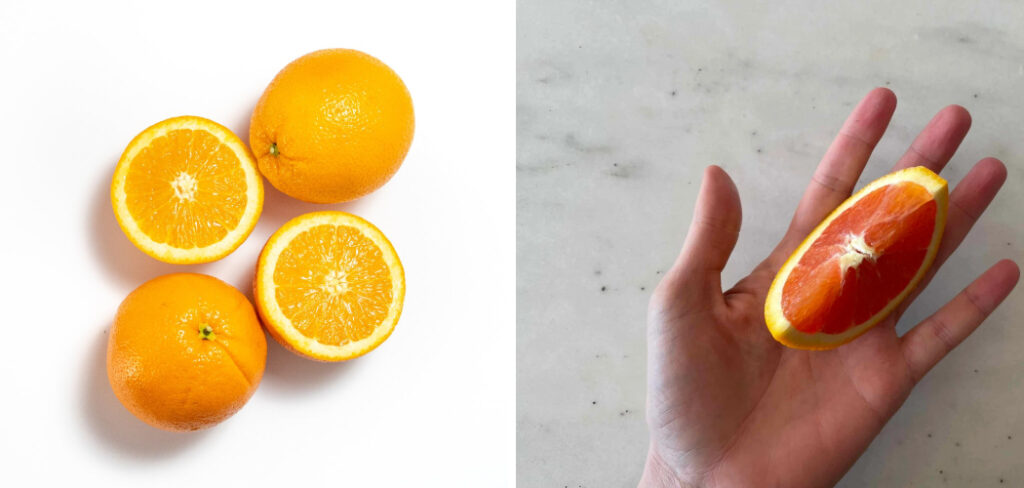
In this guide, we’ll walk through everything together: the benefits, the right age to start, how to prepare oranges step by step, and how to keep mealtime safe. Let’s make this part of your weaning journey simple and fun.
Benefits of Oranges for Babies
Oranges are little powerhouses of nutrition, and your baby can gain a lot from them. They’re especially well known for vitamin C, which supports a healthy immune system and helps the body absorb iron from other foods.
That iron connection matters more than you might think. Pairing oranges with iron-rich foods like lentils or fortified cereals can help your baby get the most out of every meal.
Oranges also contain fiber, which keeps your baby’s tummy moving comfortably. The natural water content helps with hydration too, especially on warm days.
On top of that, oranges bring folate and potassium to the table. These nutrients support healthy growth, brain development, and steady energy. Plus, that naturally sweet, tangy flavor introduces your baby to a brand-new taste experience.
When Can Babies Start Eating Orange
Most babies are ready for solid foods around 6 months of age. Oranges can be part of that exciting first round of foods, as long as your baby shows clear signs of readiness.
Those signs include sitting up with good head control, showing interest in your food, and being able to move food to the back of their mouth to swallow. If your baby checks these boxes, oranges can join the menu.
You may have heard that citrus can sometimes cause a mild skin rash around the mouth. This isn’t a true allergy, just a reaction to the natural acids in oranges. We’ll cover this more below, but it’s nothing to lose sleep over.
If your family has a history of food allergies, it’s always smart to chat with your pediatrician first. Otherwise, oranges are generally a safe and welcome addition once your baby hits the 6-month mark.
What You’ll Need
The good news? Serving oranges doesn’t require fancy gear. Here’s a simple list to get you started:
- Fresh, ripe oranges (navel oranges are great because they’re seedless and sweet)
- A sharp knife and cutting board for peeling and slicing
- A small bowl for serving
- A blender or food processor (only if you’re making puree)
- A fine mesh strainer to catch pulp and seeds
- A clean spoon for feeding
That’s really it. Oranges are one of the easiest foods to prep, which makes them perfect for busy parents.
Step-by-Step Preparation Guide on How to Serve Orange to Baby
Getting an orange ready for your baby takes just a few minutes. Follow these steps for a safe, smooth result.
- Wash the orange. Rinse it well under running water, even though you’ll peel it. This removes dirt and any residue from the skin.
- Peel completely. Remove all the outer peel and as much of the white pith as you can. The pith can taste bitter and is harder to chew.
- Separate the segments. Gently pull the orange apart into individual sections.
- Remove the membrane. This is the thin, tough skin around each segment. It’s a choking risk and tricky for little mouths, so peel it away to reveal the soft fruit inside.
- Check for seeds. Even seedless varieties sometimes hide a stray seed. Remove every one you find.
- Prepare based on age. For younger babies, blend the fruit into a puree. For older babies, cut the flesh into small, soft pieces.
For a smooth puree, blend the segments and pass the mixture through a strainer. This catches any pulp or membrane bits and gives you a silky texture your baby will love.
How to Serve Orange to Baby by Age and Stage
Your baby’s needs change as they grow, so the way you serve oranges should change too. Here’s how to adjust the texture at each stage.
Around 6 Months: Smooth Puree
At this early stage, smooth is the way to go. Blend the orange flesh and strain out any pulp or membrane.
Offer a few small spoonfuls on their own, or mix the puree into oatmeal or yogurt to soften the tangy flavor. Start slow and let your baby explore the new taste.
8 to 9 Months: Mashed or Small Soft Bits
As your baby gets more confident, you can introduce a little more texture. Mash the orange flesh lightly so there are some soft, gummable pieces.
This stage helps your baby practice moving food around their mouth. Keep the pieces tiny and the membrane fully removed.
9 to 12+ Months: Soft Finger Pieces
Now your little one is ready to feed themselves. Cut the membrane-free orange flesh into small, manageable pieces they can pick up.
This builds hand-eye coordination and independence. Always stay close and supervise while they explore these self-feeding skills.
Common Mistakes to Avoid
Even simple foods come with a few easy-to-miss pitfalls. Here are the most common ones, plus what to do instead.
Leaving the membrane on. That thin skin around each segment is chewy and hard to break down. Always peel it off to keep your baby safe and comfortable.
Forgetting to check for seeds. Seeds are a choking hazard, and even “seedless” oranges can surprise you. Inspect every piece before serving.
Serving pieces that are too big. Large chunks can block a small airway. Cut everything into tiny, soft pieces sized for your baby’s stage.
Giving orange juice instead of whole fruit. Juice is high in sugar and low in the fiber that makes whole oranges so good for tummies. Stick with the fresh fruit.
Adding sugar or honey. Oranges are naturally sweet enough. Honey is also unsafe for babies under 12 months, so skip any extras.
Allergy Information and Safety Tips
Oranges aren’t considered a major allergen, which is reassuring. Still, it helps to know what to watch for so you can feel confident at every meal.
Citrus Sensitivity
Some babies develop a mild red rash around the mouth or chin after eating oranges. This is usually a reaction to the natural acid, not a true allergy.
The rash typically fades on its own and isn’t dangerous. To reduce it, you can pat your baby’s mouth dry after eating or mix the orange with a soothing food like yogurt.
If you ever notice signs of a real allergic reaction, such as swelling, hives, or trouble breathing, stop feeding oranges right away and seek help. We’ll cover those warning signs in the next section.
Choking Hazard Precautions
Oranges are soft, but a few parts can still pose a risk. The membrane, any seeds, and overly large pieces are the main culprits.
Always remove the membrane and seeds, and cut the fruit to suit your baby’s stage. Make sure your baby is sitting upright while eating, never lying down or reclined.
And one golden rule: always supervise mealtimes. Staying close gives you peace of mind and lets you respond quickly if needed.
Signs Baby Is Enjoying It
Watching your baby react to a new food is one of the best parts of weaning. Here are some happy signs that things are going well.
Your baby swallows the orange smoothly and opens up for more. They might smile, reach for the spoon, or babble with excitement between bites.
You may also notice them leaning forward or grabbing at the fruit. These are all good clues that your little one is curious and content.
Keep in mind that some babies make funny faces at the tangy flavor at first. That’s totally normal and doesn’t always mean they dislike it. Offer oranges a few times, and their taste buds may warm right up.
When to Call a Doctor
Most orange experiences are happy and uneventful, but it’s good to know when to reach out for help. Trust your instincts and act quickly if something feels off.
Call your doctor or seek urgent care if you notice any of these signs after your baby eats orange:
- Swelling of the lips, tongue, or face
- Hives or a spreading, raised rash
- Vomiting or diarrhea that’s severe or won’t stop
- Trouble breathing, wheezing, or persistent coughing
- Gagging or choking that doesn’t resolve on its own
If your baby ever struggles to breathe or shows signs of a severe reaction, treat it as an emergency and call for immediate help. For milder concerns, like ongoing tummy upset, a quick chat with your pediatrician can put your mind at ease.
Frequently Asked Questions
Can I give my 6-month-old orange juice?
It’s best to skip juice and offer whole orange instead. Juice is high in sugar and lacks the fiber found in the whole fruit, which can also be tough on tiny tummies and developing teeth.
Do oranges cause diaper rash in babies?
Sometimes, yes. The natural acid in oranges can occasionally lead to a mild diaper rash or rash around the mouth. It’s usually harmless and clears up quickly, but cut back if it bothers your baby.
How much orange can my baby eat?
Start with a few small spoonfuls or pieces and watch how your baby responds. There’s no need to rush; a small portion is plenty when introducing any new food.
Should I worry if my baby makes a sour face?
Not at all. That tangy flavor is brand new to your baby, so a funny face is a normal reaction. Keep offering oranges now and then, and your little one will likely grow to enjoy them.
Are mandarin oranges or clementines okay for babies?
Yes, and they’re often a great choice. They’re sweet, easy to peel, and usually seedless. Just remember to remove the membrane and check for seeds, exactly as you would with a regular orange.
Final Thoughts on How to Serve Orange to Baby
Learning how to serve orange to baby is easier than it might first seem. With a little prep, the right texture for your baby’s age, and a few safety habits, this bright fruit can become a delicious part of mealtime.
Remember that every baby is different. Some will gobble up oranges right away, while others need a few tries to warm up to that zesty taste, and both are perfectly fine.
Introducing new foods is a journey full of messy faces, happy giggles, and small victories. Trust yourself, take it one bite at a time, and enjoy every moment of watching your little one discover the world of flavors. You’ve got this!

About
Joann Meril didn’t plan on becoming a parenting writer — it found her. After spending several years working as a certified nursing assistant in a pediatric clinic, Joann saw firsthand how anxious and under-informed new parents could feel, even with a hospital full of resources around them. When she had her own two children, that gap became personal. Suddenly she was the one googling things at 2 a.m., comparing baby monitors, and wondering if the swaddle she bought was actually safe.
That experience is what shaped her approach to writing. Joann believes parenting advice should be practical, honest, and free of unnecessary jargon or guilt. She tests products herself whenever possible, reads the actual safety standards instead of just the marketing copy, and isn’t afraid to say when something isn’t worth the money.
Today, Joann writes full-time, covering everything from newborn sleep routines to gear reviews to the small everyday wins that make parenting feel a little less overwhelming. When she’s not researching or writing, she’s usually chasing her own kids around the backyard or drinking coffee that’s gone cold for the third time that morning.
Joann lives in [City/State] with her husband and two children.
Credibility
- Background in pediatric caregiving (CNA)
- Mom of two, hands-on parenting experience
- Hand-tests baby gear before recommending it
- Focus: infant sleep, feeding, gear safety, early development