

Starting solids is such an exciting milestone, and broccoli is one of the loveliest first foods to share with your little one. It’s gentle on tiny tummies, packed with goodness, and surprisingly easy to prepare at home. If you’ve been wondering how to puree broccoli for baby, you’re in exactly the right place.
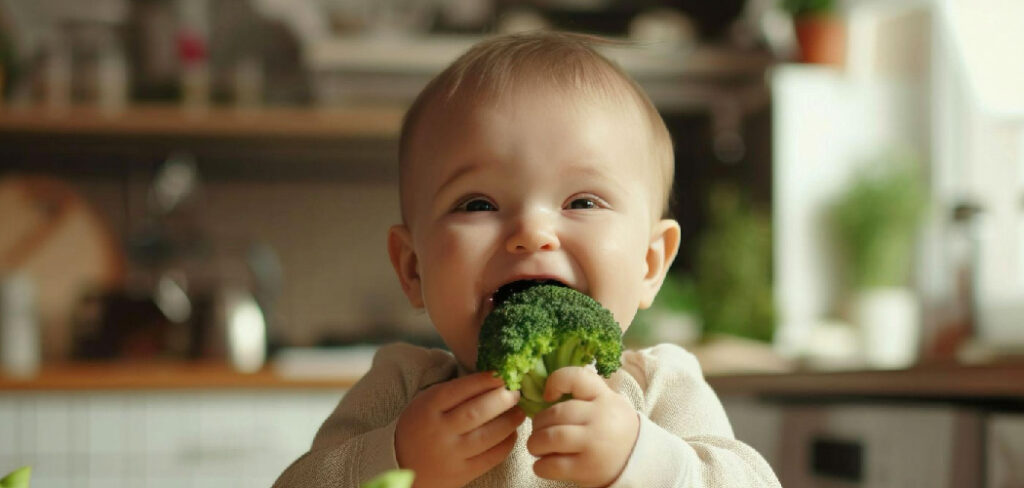
In this guide, we’ll walk through everything together — the benefits, the right age to start, step-by-step prep, serving ideas, storage tips, and how to keep your baby safe and happy. Take a deep breath. You’ve got this.
Benefits of Broccoli for Babies
Broccoli might be small, but it’s a true nutritional superstar for growing babies. It’s a great way to introduce your little one to green veggies early on.
Here’s what makes it so good:
- Iron to support healthy growth and energy, which becomes extra important from around 6 months.
- Vitamin C to boost the immune system and help your baby absorb iron from other foods.
- Fibre to keep digestion moving smoothly and support a happy tummy.
- Folate to help with healthy cell growth and development.
Broccoli also has a mild, slightly sweet flavor once cooked. Offering it early helps your baby get used to green veggies, which can make them more likely to enjoy a variety of foods later on.
When Can Babies Start Eating Broccoli
Most babies are ready to start solids at around 6 months of age. Broccoli is a wonderful choice for this stage because it purees beautifully into a smooth, easy-to-swallow texture.
By 6 months, your baby should be able to sit up with support, hold their head steady, and show interest in food. These are the green lights that they’re ready to begin.
Since broccoli is not a common allergen, you can introduce it fairly early in your weaning journey. There’s no need to wait beyond the 6-month mark unless your pediatrician has advised otherwise.
What You’ll Need
The beauty of broccoli puree is that you only need a few simple things. Chances are, you already have most of them in your kitchen.
Ingredients:
- Fresh or frozen broccoli (about 1 medium head, or 2 cups of florets)
- Water, breast milk, or formula for blending
Equipment:
- A steamer basket or a saucepan with a lid
- A blender, food processor, or hand blender
- A sharp knife and chopping board
- A bowl and spoon
- Ice cube trays or small freezer-safe containers (for storing extra)
That’s it. No fancy gadgets required — just everyday kitchen basics.
5 Step-by-Step Preparation Guide: How to Puree Broccoli for Baby
Learning how to puree broccoli for baby is genuinely simple once you’ve done it once. Follow these easy steps and you’ll have smooth, fresh puree ready in under 20 minutes.
Step 1: Wash the Broccoli
Rinse the broccoli well under cool running water. This removes any dirt or grit hiding in the florets. If you’re using frozen broccoli, you can skip this step.
Step 2: Cut Into Florets
Chop the broccoli into small, even florets. Smaller pieces cook faster and blend more smoothly.
Step 3: Steam or Boil
Steaming is the best method because it keeps more of the nutrients locked in.
- To steam: Place the florets in a steamer basket over boiling water. Cover and steam for 5 to 7 minutes, until the broccoli is soft enough to mash with a fork.
- To boil: Add the florets to a pot of boiling water and cook for about 6 to 8 minutes. Drain well, but save some of the cooking water for blending.
You’ll know it’s ready when a fork slides through the stem easily.
Step 4: Blend Until Smooth
Add the cooked broccoli to your blender or food processor. Blend until smooth, adding a little water, breast milk, or formula to reach the right consistency.
Start with a few spoonfuls of liquid and add more as needed. For young babies, you want a thin, lump-free puree.
Step 5: Cool and Serve
Let the puree cool to a safe, lukewarm temperature before offering it to your baby. Always test a small amount on the inside of your wrist first.
How to Serve Broccoli by Age and Stage
As your baby grows, their ability to handle different textures grows too. Here’s how to adjust broccoli to match each stage.
6+ Months: Smooth Puree
At this early stage, keep things silky and smooth. Blend the broccoli with enough liquid so there are no lumps. You can also mix it with other mild purees like sweet potato, apple, or pear if your baby finds the flavor strong at first.
8+ Months: Mashed With Soft Lumps
Once your baby is comfortable with smooth textures, you can start mashing the broccoli with a fork instead of blending. A few soft lumps help your baby learn to chew and move food around their mouth.
9–12+ Months: Soft Finger Foods
Around this stage, many babies love to feed themselves. Steamed broccoli florets make a brilliant finger food because the “tree” shape is easy for little hands to grip. Make sure the pieces are soft enough to squash gently between your fingers.
Storage and Freezing Tips
Making a big batch of broccoli puree saves so much time, and it stores beautifully. Here’s how to keep it fresh and safe.
In the fridge: Store puree in an airtight container for up to 48 hours. Always give it a quick smell check before serving.
In the freezer: Spoon the puree into ice cube trays and freeze. Once solid, pop the cubes into a labeled freezer bag. They’ll keep for up to 3 months, and the cube size is perfect for small portions.
Reheating: Thaw a cube or two in the fridge overnight, or gently warm in a saucepan or microwave. Stir well and check the temperature before serving so there are no hot spots.
One important note: never refreeze puree that has already been thawed, and don’t save leftovers from your baby’s bowl. Saliva from the spoon can cause bacteria to grow.
Common Mistakes to Avoid
A few small tweaks can make a big difference. Here are the most common slip-ups parents make — and how to sidestep them easily.
- Overcooking the broccoli. Boiling for too long washes away nutrients and dulls the flavor. Steam when you can, and stop cooking as soon as it’s fork-tender.
- Making the puree too thick. A thick puree can be hard for young babies to swallow. Add liquid gradually until it’s smooth and runny for the early stages.
- Adding salt or seasoning. Babies under 1 year don’t need added salt, and their kidneys can’t handle it. Let the natural flavor of the broccoli shine.
- Serving it too hot. Always test the temperature first. Lukewarm is just right.
- Giving up too soon. Some babies need to try a new food many times before they accept it. Keep offering with a smile, and don’t take a scrunched-up face personally.
Allergy Information and Safety Tips
Here’s some reassuring news: broccoli is not a common allergen, so allergic reactions are rare. That makes it a low-stress first food for most families.
That said, broccoli is a cruciferous vegetable, which can sometimes cause a little extra gas or tummy bloating. This is completely normal and usually settles as your baby’s digestion adjusts. If you notice fussiness, simply offer a smaller amount next time.
When it comes to choking, the key is texture. For young babies, keep the puree smooth and lump-free. As you move to finger foods, always make sure broccoli florets are cooked until soft and easy to squash.
Stay close and supervise every meal. Never leave your baby alone while eating, and always have them sitting upright rather than reclined.
Signs Baby Is Ready and Enjoying It
It’s natural to wonder if your baby is taking to broccoli well. Happily, the signs are usually easy to spot.
Look out for:
- Opening their mouth eagerly when the spoon comes near
- Swallowing the puree rather than pushing it all back out
- Leaning in or reaching for more
- A relaxed, happy mood during the meal
- No rash, swelling, or unusual fussiness afterward
Remember, some mess and a few funny faces are all part of the fun. Exploring new tastes takes practice.
When to Call a Doctor
Most babies handle broccoli without any trouble, but it’s always good to know the warning signs. Trust your instincts — you know your baby best.
Contact your doctor if you notice any of the following:
- Signs of an allergic reaction, such as hives, swelling around the face or lips, or difficulty breathing. Seek emergency help immediately for breathing problems.
- Ongoing digestive issues, like persistent vomiting, diarrhea, or severe tummy discomfort after eating.
- Any choking episode where your baby struggles to breathe or cough.
When in doubt, it’s always okay to call your pediatrician for peace of mind. That’s what they’re there for.
Frequently Asked Questions
Can I mix broccoli puree with other foods?
Yes, absolutely. Broccoli pairs wonderfully with sweet potato, carrot, apple, pear, or peas. Mixing helps soften the flavor and adds variety to your baby’s meals.
Is steaming or boiling broccoli better for babies?
Steaming is the better choice. It keeps more of the vitamins and nutrients intact, while boiling can wash some of them away into the water.
Why does my baby get gassy after eating broccoli?
Broccoli is a cruciferous veggie, which can naturally cause a bit of extra gas. This is harmless and usually eases as your baby’s digestion gets used to it.
Can I use frozen broccoli to make puree?
Yes, frozen broccoli works perfectly. It’s just as nutritious as fresh, often more affordable, and saves you the prep of washing and chopping.
How much broccoli puree should I give my baby?
Start with just one or two teaspoons and follow your baby’s lead. There’s no need to push a full portion early on — these first tastes are all about learning and exploring.
Final Thoughts on How to Puree Broccoli for Baby
Learning how to puree broccoli for baby is one of those small, joyful steps in the bigger adventure of weaning. With a little steaming, a quick blend, and a lot of love, you’re giving your little one a nourishing start full of iron, vitamin C, and goodness.
Go easy on yourself along the way. Some days will be messy, some tastes will be rejected, and that’s all perfectly normal. Every spoonful is a chance for your baby to learn — and for you to enjoy the ride. You’re doing a wonderful job.

About
Joann Meril didn’t plan on becoming a parenting writer — it found her. After spending several years working as a certified nursing assistant in a pediatric clinic, Joann saw firsthand how anxious and under-informed new parents could feel, even with a hospital full of resources around them. When she had her own two children, that gap became personal. Suddenly she was the one googling things at 2 a.m., comparing baby monitors, and wondering if the swaddle she bought was actually safe.
That experience is what shaped her approach to writing. Joann believes parenting advice should be practical, honest, and free of unnecessary jargon or guilt. She tests products herself whenever possible, reads the actual safety standards instead of just the marketing copy, and isn’t afraid to say when something isn’t worth the money.
Today, Joann writes full-time, covering everything from newborn sleep routines to gear reviews to the small everyday wins that make parenting feel a little less overwhelming. When she’s not researching or writing, she’s usually chasing her own kids around the backyard or drinking coffee that’s gone cold for the third time that morning.
Joann lives in [City/State] with her husband and two children.
Credibility
- Background in pediatric caregiving (CNA)
- Mom of two, hands-on parenting experience
- Hand-tests baby gear before recommending it
- Focus: infant sleep, feeding, gear safety, early development