

Seeing tiny hairs on the crib sheet, bath towel, or inside a baby hat can feel alarming when you are a new parent. The good news is that infant hair shedding is often normal, especially in the first months of life, as hormones shift and your baby spends long stretches lying down. Still, gentle care can help protect the scalp and reduce breakage from rubbing, washing, brushing, and tight fabrics.
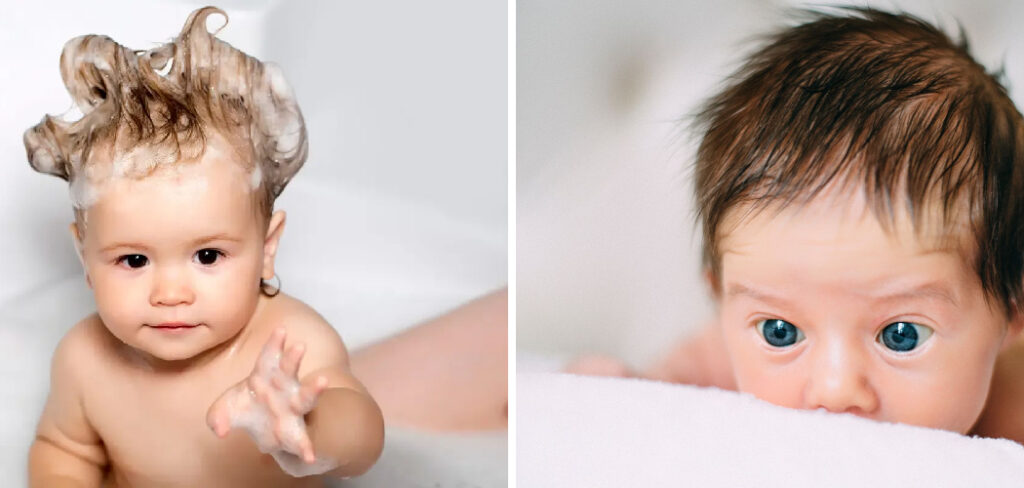
If you are learning how to prevent baby hair loss, the goal is not to stop every strand from falling out. Instead, you want to support healthy baby scalp care, limit avoidable friction, and recognize signs that need pediatrician advice. This guide will show you simple, safe steps for caring for your baby’s hair and scalp with confidence.
Why Gentle Baby Hair Care Matters
A baby’s scalp is delicate, and their hair can be very fine. Rough towels, frequent scrubbing, tight hats, and sleeping position friction can all contribute to breakage or friction bald spots. While newborn hair loss is common, a calmer routine can make shedding less noticeable and keep your baby’s scalp comfortable.
Gentle hair care also helps you tell the difference between normal infant hair shedding and symptoms worth discussing with a pediatrician. For example, even thinning on the back of the head often comes from rubbing against the mattress. Red, scaly, swollen, or irritated skin may need closer attention. When you know what to look for, you can care for your baby without over-washing, over-treating, or worrying about every loose hair.
Tools and Materials You’ll Need
You do not need many products to support healthy baby hair and scalp care. Start with a soft baby brush that has flexible bristles and a mild fragrance-free baby shampoo made for infants. Choose soft cotton crib sheets that feel smooth against your wrist, since rough fabrics can increase rubbing during naps and nighttime sleep.
Keep a clean, absorbent towel nearby for bath time so you can pat the scalp dry instead of rubbing it. If your baby has dry patches, use a baby-safe moisturizer or scalp oil only if needed and approved by your pediatrician. Avoid scented oils, adult dandruff treatments, and heavy styling products. As an optional convenience item, a small handheld mirror can help you check the back of your baby’s scalp without repositioning them too much.
8 Step-by-Step Guide on How to Prevent Baby Hair Loss
Step 1 – Observe Normal Shedding Patterns
Start by watching when and where the hair comes out. You may notice fine strands after a bath, on the crib sheet, or in the area where your baby’s head rests most often. This can look surprising, but many babies lose some or even most of their birth hair during the first several months.
The first part of how to prevent baby hair loss is learning what normal shedding looks like. Soft, even thinning without redness, swelling, broken skin, or discomfort usually points to a normal stage. Take a quick photo every week in the same light if you want to track changes. This helps you see patterns instead of reacting to each loose strand.
Step 2 – Check Common Friction Points
Next, look at the places where your baby’s head touches surfaces the most. The back of the head, sides above the ears, and crown can show thinning because babies spend so much time lying on their backs. This type of hair loss often appears as a smooth patch rather than scattered irritation.
Run your fingers over the crib sheet, stroller liner, car seat head area, and baby lounger cover. The fabric should feel soft, not scratchy, stiff, or pilled. Check hats too, especially seams and elastic edges. If a spot feels rough to your skin, it may be too harsh for your baby’s scalp. Reducing friction supports scalp health without adding complicated treatments.
Step 3 – Wash the Scalp Gently
Wash your baby’s hair only as often as needed. Many babies do well with a gentle wash two or three times a week, though spit-up, sweat, or cradle cap may change the routine. Use lukewarm water that feels comfortable on your inner wrist, not hot.
Place a small amount of mild baby shampoo in your palm and smooth it over the scalp with light fingertips. Do not scrub with your nails. Think of loosening surface oil, not deep cleaning adult hair. The shampoo should rinse away easily and leave the scalp feeling clean, not squeaky or dry. After rinsing, pat the head with a soft towel. Rubbing the towel back and forth can pull fine hairs and irritate tender skin.
Step 4 – Brush Lightly and Slowly
A soft baby brush can help smooth hair and loosen small flakes, but pressure matters. Hold the brush loosely and move it in short, slow strokes. The bristles should glide over the scalp like a soft feather, not press into the skin.
Brush when your baby is calm, such as after a bath or during a quiet morning routine. If your baby turns away, fusses, or the scalp looks red, stop and try again later. You do not need to brush many times a day. Too much brushing can cause more breakage, especially when hair is damp. A light touch keeps the routine soothing and helps you care for delicate baby hair without tugging.
Step 5 – Manage Cradle Cap Carefully if Present
Cradle cap can cause greasy, yellowish, or flaky patches on the scalp. It is common and often harmless, but picking at it can pull out hair and irritate the skin. If you see thick flakes, resist the urge to scrape them off with your fingernail or a firm comb.
Instead, ask your pediatrician what approach fits your baby’s skin. Some babies benefit from a small amount of approved moisturizer or scalp oil before a bath, followed by gentle brushing and mild shampoo. Others need no treatment at all. If the area smells unusual, bleeds, spreads beyond the scalp, or looks inflamed, call your doctor. Careful cradle cap management protects both comfort and baby hair regrowth.
Step 6 – Rotate Head Position and Add Tummy Time
Sleeping on the back is important for safe sleep, but your baby’s head can still rest in the same spot for long periods. During awake time, gently vary how your baby looks and turns. Place toys or your face on different sides so they naturally shift their head without force.
Supervised tummy time also reduces constant pressure on the back of the head. Start with short sessions if your baby is young or still building strength. A few minutes on a firm, safe surface can help over time. This supports neck development and reduces sleeping position friction. A balanced daily routine helps your baby spend less time rubbing the same patch of hair against fabric.
Step 7 – Choose Soft Fabrics and Hats Wisely
Fabric choices can make a real difference. Use breathable cotton sheets, soft sleepwear, and hats that fit loosely without sliding over the scalp. A hat should feel warm and gentle, not tight around the hairline or rough along the seams.
Wash new fabrics before use to soften them and remove residues. Avoid heavy detergents or strong fragrances if your baby’s skin reacts easily. If your baby often sweats in hats, use them only when needed for warmth or sun protection. Damp fabric can rub more and may irritate the scalp. As you refine how to prevent baby hair loss, small fabric changes can reduce daily friction without changing your whole routine.
Step 8 – Know When to Call the Pediatrician
Most baby hair thinning improves with time and gentle care. Still, some signs deserve medical guidance. Call your pediatrician if hair loss appears suddenly in round patches, the scalp looks red or swollen, your baby seems itchy or uncomfortable, or you notice oozing, crusting, or broken skin.
You should also ask for advice if shedding comes with poor feeding, low energy, fever, or other changes in your baby’s health. A safe plan for how to prevent baby hair loss includes knowing when home care is not enough. Your doctor can check for skin conditions, infection, nutritional concerns, or other causes. Getting help early can ease worry and protect your baby’s scalp.
Common Mistakes When Trying to Prevent Baby Hair Loss
One common mistake is over-washing. New parents often think more shampoo will keep the scalp healthier, but frequent washing can dry the skin and make irritation worse. A mild, simple routine usually works better than daily scrubbing.
Another mistake is using adult hair products, essential oils, or dandruff treatments without medical guidance. A baby’s scalp absorbs and reacts differently than adult skin. Products that seem gentle to you may sting, clog, or irritate your baby’s skin.
Some parents brush too firmly when they see cradle cap or flakes. This can loosen scales, but it can also pull out hair and leave the scalp tender. Gentle brushing should never cause redness or distress.
A fourth mistake is ignoring friction. If your baby always rests on the same side, rough sheets or tight hats can keep rubbing the same area. Adjust fabrics, vary awake-time positions, and use supervised tummy time rather than blaming the hair itself.
Finally, do not assume every patch is normal. Smooth friction bald spots are common, but irritated skin, ring-shaped patches, or rapid shedding need pediatrician advice.
Expert Tips
Keep your baby’s hair routine simple and consistent. Use mild shampoo, soft touch, smooth fabrics, and careful observation. These basics often do more than extra products.
Think of scalp care as comfort care. If a brush, towel, hat, or shampoo would feel scratchy on your eyelid or inner wrist, it may be too harsh for your baby’s head. Choose textures that feel soft, light, and breathable.
Track changes with photos rather than daily worry. Baby hair can shed, pause, and regrow in uneven stages. Many babies develop thicker or different-textured hair later, so early thinning does not predict long-term hair growth. If something looks painful, inflamed, or unusual, trust your instincts and call the pediatrician.
Frequently Asked Questions
Is baby hair loss normal?
Yes, baby hair loss is often normal, especially during the first six months. Hormone changes after birth can cause newborn hair loss, and rubbing against sheets or mattresses can create thinning on the back of the head. Most babies regrow hair over time. Call your pediatrician if the scalp looks red, swollen, scaly, painful, or if hair loss appears in sudden round patches.
When does baby hair grow back?
Baby hair regrowth varies. Some babies start growing new hair within a few months, while others stay thin-haired for longer. The new hair may look lighter, darker, straighter, or curlier than the hair they had at birth. As long as your baby’s scalp looks healthy and your pediatrician has no concerns, uneven growth usually needs patience rather than treatment.
Can cradle cap cause baby hair loss?
Cradle cap can contribute to temporary hair loss if flakes cling to hair or if the scalp gets rubbed and picked. The condition itself is common and often harmless, but rough removal can irritate the skin. Use gentle washing, a soft baby brush, and pediatrician-approved care if needed. Avoid scraping thick scales or using adult medicated products unless your doctor recommends them.
Should I shave my baby’s head to make hair grow thicker?
No, shaving your baby’s head will not make hair grow thicker. Hair thickness depends on follicles under the skin, not the trimmed ends above the scalp. Shaving can also nick delicate skin or cause irritation. If hair looks uneven, it is usually due to normal shedding, growth cycles, or friction. Gentle care and time are safer than shaving.
What kind of shampoo is best for baby scalp care?
Choose a mild, fragrance-free baby shampoo made for infants. Look for a simple formula that rinses easily and does not leave the scalp dry or sticky. You do not need strong cleansers, perfumes, or adult scalp treatments for routine care. If your baby has eczema, cradle cap, or sensitive skin, ask your pediatrician which shampoo is safest for their needs.
Conclusion
Baby hair loss can feel stressful at first, but most cases come from normal shedding, hormone changes, or friction from sleeping and daily contact. You can support scalp health by using gentle shampoo, soft towels, smooth crib sheets, loose hats, light brushing, and supervised tummy time during awake periods.
The main goal is to protect your baby’s delicate scalp while avoiding harsh products and over-care. Watch patterns, keep routines calm, and look for signs such as redness, swelling, itching, crusting, or sudden patchy loss. Those clues can help you decide when to ask for pediatrician advice.
Learning how to prevent baby hair loss gives you a clear, practical way to reduce avoidable shedding and feel more confident as a first-time parent. Start with one simple change today, such as switching to softer fabrics or brushing more lightly, and build a gentle routine from there.

About
Joann Meril didn’t plan on becoming a parenting writer — it found her. After spending several years working as a certified nursing assistant in a pediatric clinic, Joann saw firsthand how anxious and under-informed new parents could feel, even with a hospital full of resources around them. When she had her own two children, that gap became personal. Suddenly she was the one googling things at 2 a.m., comparing baby monitors, and wondering if the swaddle she bought was actually safe.
That experience is what shaped her approach to writing. Joann believes parenting advice should be practical, honest, and free of unnecessary jargon or guilt. She tests products herself whenever possible, reads the actual safety standards instead of just the marketing copy, and isn’t afraid to say when something isn’t worth the money.
Today, Joann writes full-time, covering everything from newborn sleep routines to gear reviews to the small everyday wins that make parenting feel a little less overwhelming. When she’s not researching or writing, she’s usually chasing her own kids around the backyard or drinking coffee that’s gone cold for the third time that morning.
Joann lives in [City/State] with her husband and two children.
Credibility
- Background in pediatric caregiving (CNA)
- Mom of two, hands-on parenting experience
- Hand-tests baby gear before recommending it
- Focus: infant sleep, feeding, gear safety, early development