

That moment when your little one is finally ready for their first tastes of real food is so exciting, isn’t it? If you’ve been wondering how to make butternut squash baby food, you’ve picked one of the best first foods out there. It’s naturally sweet, soft, and gentle on tiny tummies, which makes it a favorite for both babies and parents.
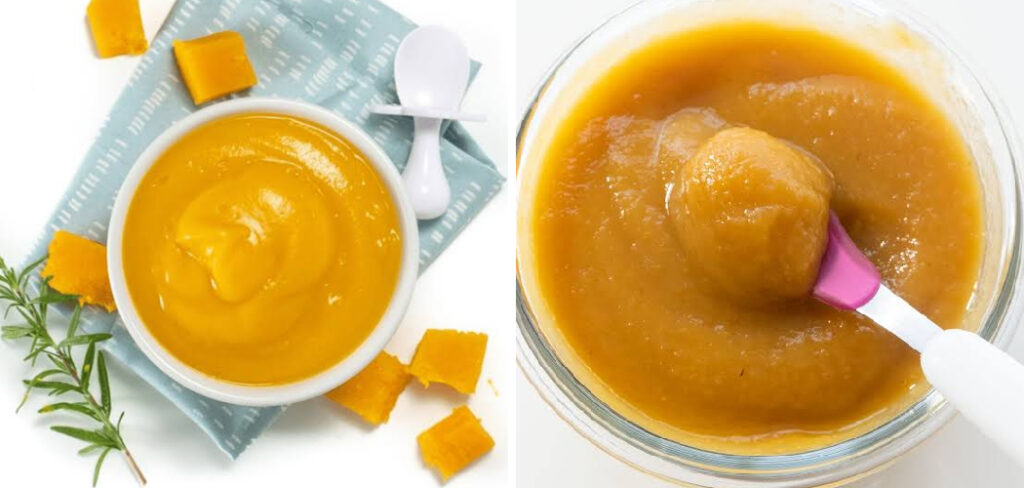
In this guide, we’ll walk you through everything together. You’ll learn why butternut squash is so good for your baby, when to start, exactly how to cook it, and how to serve it as your little one grows. Take a deep breath, you’ve got this.
Why Butternut Squash Is Great for Babies
Butternut squash is a bit of a nutritional superstar. It’s packed with beta-carotene, which your baby’s body turns into vitamin A. That vitamin supports healthy eyes, skin, and a strong immune system.
It also offers a good dose of vitamin C, which helps your baby absorb iron and fights off everyday germs. There’s potassium in there too, which keeps muscles and nerves working well.
On top of all that, butternut squash brings gentle fiber to help digestion stay smooth. And here’s the part babies love most: it’s naturally sweet. That mild, creamy flavor makes it an easy “yes” for most little eaters trying solids for the first time.
When Can Babies Start Eating Butternut Squash?
Most babies are ready to begin solid foods around 6 months of age. At this stage, butternut squash makes a wonderful first food because it’s smooth, soft, and easy to puree.
Before you start, look for signs your baby is developmentally ready. They should be able to sit up with support, hold their head steady, and show interest in what you’re eating.
Butternut squash is a low-allergy food, so it’s a safe and gentle choice early on. Always check with your pediatrician if your baby was born premature or has any health concerns, just to be sure the timing is right for them.
What You’ll Need
Good news: you don’t need fancy equipment to make butternut squash baby food. Most of these items are probably already in your kitchen.
Ingredients:
- 1 medium butternut squash
- Water (for steaming or boiling)
- Breast milk, formula, or extra water (optional, to thin the puree)
Equipment:
- A sharp knife and cutting board
- A vegetable peeler
- A steamer basket, pot, or baking tray
- A blender, food processor, or hand masher
- Ice cube trays or small freezer-safe containers (for storage)
- A spoon for serving
That’s it. Simple ingredients, simple tools, happy baby.
5 Step-by-Step Preparation Guide How to Make Butternut Squash Baby Food
Here’s where the fun begins. You can steam, boil, or bake your squash. Each method works beautifully, so pick whatever fits your day.
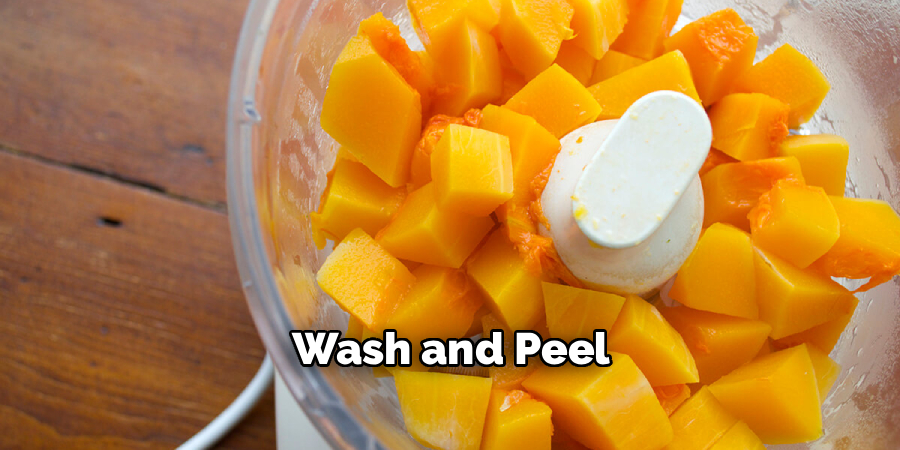
Step 1: Wash and Peel
Rinse the whole squash under running water to remove any dirt. Then peel off the tough skin with a vegetable peeler.
Step 2: Cut and Scoop
Carefully slice the squash in half lengthwise. Scoop out the seeds and stringy bits with a spoon, then chop the flesh into small, even cubes.
Step 3: Cook It
Steaming (best for keeping nutrients):
Place the cubes in a steamer basket over boiling water. Cover and steam for about 15 to 20 minutes, until the squash is fork-tender.
Boiling (quick and easy):
Add the cubes to a pot of boiling water. Cook for around 15 minutes, until soft, then drain.
Baking (deepens the sweetness):
Place squash halves cut-side down on a baking tray. Roast at 400°F (200°C) for 40 to 45 minutes, until the flesh is soft. Then scoop it out with a spoon.
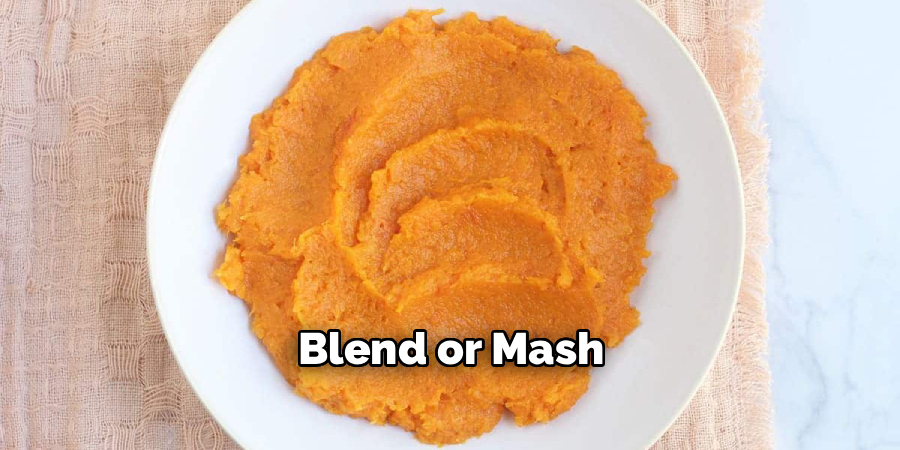
Step 4: Blend or Mash
Add the cooked squash to your blender and puree until silky smooth. If it’s too thick, add a splash of breast milk, formula, or cooking water until you reach the texture you want.
Step 5: Cool and Serve
Let the puree cool to a safe, lukewarm temperature. Always test a small spoonful on the inside of your wrist before feeding.
How to Serve by Age and Stage
Your baby’s needs will change as they grow, and so should the texture of their food. Here’s a simple roadmap.
Around 6 Months: Smooth Puree
Start with a thin, silky puree. This helps your baby learn to swallow new textures without feeling overwhelmed.
Around 8 Months: Mashed With Lumps
Now you can thicken things up. Mash the squash with a fork and leave a few soft lumps. This encourages chewing and helps develop those little jaw muscles.
Around 9 to 12 Months: Soft Finger Foods
Once your baby is grabbing things and feeding themselves, offer soft-cooked squash sticks or cubes. Make sure they’re easy to squish between your fingers so they’re safe to gum.
Every baby moves at their own pace. Follow your little one’s cues rather than the calendar.
Storage and Freezing Tips
Making a big batch saves you so much time, and butternut squash freezes wonderfully.
In the fridge: Store leftover puree in an airtight container for up to 3 days.
In the freezer: Spoon the puree into ice cube trays and freeze. Once solid, pop the cubes into a labeled freezer bag. They’ll keep for up to 3 months.
To reheat: Thaw a cube in the fridge overnight or warm it gently on the stove or in the microwave. Stir well and check the temperature before serving, since hot spots can sneak in.
Never refreeze puree that’s already been thawed, and toss any food your baby’s spoon has touched.
Common Mistakes to Avoid
Even the most careful parents hit a few bumps. Here are some easy ones to sidestep.
Adding salt or sugar. Your baby’s kidneys aren’t ready for salt, and squash is naturally sweet enough. Keep it plain and pure.
Serving food too hot. Always test the temperature first. Microwaves especially create uneven hot spots, so stir thoroughly.
Making the puree too thick at first. A thick texture can be hard for a new eater. Start thin and build up gradually.
Saving spoon-touched leftovers. Bacteria from saliva can grow quickly. Serve from a separate dish and store the rest before feeding.
Giving up after one rejection. Babies often need to try a food 10 or more times before they like it. Keep offering with a smile.
Allergy Information and Safety Tips
Here’s some reassuring news: butternut squash is considered a low-allergen food. Allergic reactions to it are rare, which is part of why it’s such a popular first food.
Still, it’s smart to introduce any new food on its own and wait 3 to 5 days before adding another. This way, if something does bother your baby, you’ll know exactly what caused it.
When it comes to choking, texture matters most. For young babies, keep the puree smooth and lump-free. As you move to finger foods, always cook the squash until it’s very soft, and cut it into pieces small enough to be safe.
Never leave your baby alone while eating, and always have them sitting upright in a high chair. Staying close gives you peace of mind and keeps mealtime safe.
Signs Your Baby Is Ready and Enjoying It
Wondering if mealtime is going well? Watch for these happy signals.
Your baby opens their mouth when the spoon comes near, leans in for more, and swallows the food rather than pushing it all back out. Some early tongue-pushing is totally normal as they learn.
Other good signs include smiling, reaching for the spoon, and showing curiosity about food. There should be no rash, no swelling, and no tummy upset afterward.
If your baby turns away or clamps their mouth shut, that’s okay too. They’re simply telling you they’re done, and there’s always tomorrow.
When to Call a Doctor
Most of the time, introducing butternut squash goes smoothly. But it helps to know the warning signs that need attention.
Call your pediatrician right away if your baby develops a rash, hives, swelling around the face or lips, or vomiting after eating. These could point to an allergic reaction.
Watch for digestive troubles too, like ongoing diarrhea, constipation, or noticeable discomfort. A quick call to your doctor can put your mind at ease.
Seek emergency help immediately if your baby struggles to breathe, makes high-pitched sounds, or appears to be choking. Trust your instincts, you know your baby best.
Frequently Asked Questions
Can I mix butternut squash with other foods?
Absolutely. Once your baby has safely tried squash on its own, mix it with apple, pear, carrot, or sweet potato for new flavors. Just introduce each new ingredient separately first.
Do I need to add water to the puree?
Sometimes. If the puree feels too thick, thin it with breast milk, formula, or a little cooking water. Aim for a texture that’s easy for your baby to swallow.
Is fresh or frozen butternut squash better?
Both work well. Fresh squash is great, but frozen pre-cut cubes save time and hold their nutrients nicely. Choose whatever fits your schedule.
How much should my baby eat?
Start with just a teaspoon or two and follow your baby’s lead. At this stage, solids are about learning and exploring, not filling up. Milk is still their main source of nutrition.
Can butternut squash cause constipation?
It’s actually more likely to help, thanks to its fiber and water content. If your baby does seem constipated, offer extra water and check with your pediatrician.
Final Thoughts on How to Make Butternut Squash Baby Food
Learning how to make butternut squash baby food is one of those small but mighty parenting wins. With a little squash, some simple tools, and a few easy steps, you’re giving your baby a nourishing, delicious start to solids.
Remember, feeding your little one is a journey, not a race. There will be messy faces, funny reactions, and plenty of love along the way. Trust yourself, follow your baby’s cues, and enjoy every spoonful of this special new adventure.

About
Joann Meril didn’t plan on becoming a parenting writer — it found her. After spending several years working as a certified nursing assistant in a pediatric clinic, Joann saw firsthand how anxious and under-informed new parents could feel, even with a hospital full of resources around them. When she had her own two children, that gap became personal. Suddenly she was the one googling things at 2 a.m., comparing baby monitors, and wondering if the swaddle she bought was actually safe.
That experience is what shaped her approach to writing. Joann believes parenting advice should be practical, honest, and free of unnecessary jargon or guilt. She tests products herself whenever possible, reads the actual safety standards instead of just the marketing copy, and isn’t afraid to say when something isn’t worth the money.
Today, Joann writes full-time, covering everything from newborn sleep routines to gear reviews to the small everyday wins that make parenting feel a little less overwhelming. When she’s not researching or writing, she’s usually chasing her own kids around the backyard or drinking coffee that’s gone cold for the third time that morning.
Joann lives in [City/State] with her husband and two children.
Credibility
- Background in pediatric caregiving (CNA)
- Mom of two, hands-on parenting experience
- Hand-tests baby gear before recommending it
- Focus: infant sleep, feeding, gear safety, early development