
Warm stroller outings can be lovely, but babies can heat up faster than adults because their bodies do not regulate temperature as well. A sunny walk, a humid errand, or a long park visit can become uncomfortable if the stroller traps heat or your baby is dressed too warmly.
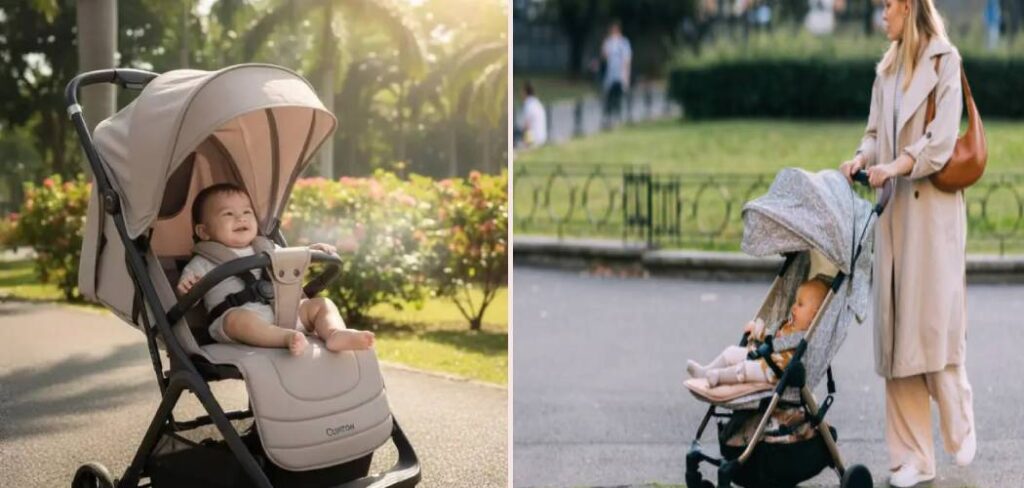
If you are learning how to keep baby cool in stroller, the goal is not to avoid every warm day. It is to plan smarter, check your baby often, and use shade, airflow, clothing, and breaks in the right way.
Small choices can make a big difference in infant comfort and safety. This guide explains practical, beginner-friendly steps to help your baby stay cooler during warm weather stroller trips.
Why Keeping Your Baby Cool in a Stroller Matters
Keeping your baby cool in a stroller helps protect them from heat discomfort, dehydration, and overheating. This matters during summer walks, quick errands, outdoor events, travel days, and park trips, especially when the heat index and humidity are high.
For first-time parents and outdoor beginners, stroller safety can feel confusing. A shaded stroller may still get hot inside, and a covered stroller may block airflow if set up the wrong way. Learning what helps and what does not can give you more confidence when you leave home.
This skill also helps you read your baby’s cues. When you understand clothing, stroller ventilation, feeding breaks, and signs of heat stress, you can adjust your plan before your baby becomes too uncomfortable.
Tools and Materials You’ll Need
You do not need a large collection of gear, but a few smart items can make warm weather stroller safety much easier. Choose products that improve shade, comfort, and airflow without covering your baby too tightly or trapping heat inside the stroller.
- Lightweight, breathable baby clothing
- A stroller with a working canopy and good ventilation
- A wide-brim baby sun hat, if age-appropriate
- Extra diapers, wipes, and a spare outfit
- Feeding supplies for bottle or breastfeeding breaks
- A small thermometer or weather app to check temperature and heat index
- A safe clip-on stroller fan with covered blades
- A light muslin cloth for supervised use away from the stroller opening
- Optional convenience item: a cooling stroller liner designed for babies
Always check that accessories attach securely and do not create choking, strangulation, or overheating risks.
Step-by-Step Guide on How to Keep Baby Cool in Stroller
Step 1 – Choose the Coolest Time of Day
Plan stroller outings for early morning or later in the evening when the air feels softer and the pavement has not stored as much heat. Midday sun can make sidewalks, parking lots, and stroller fabric feel hot to the touch.
Before leaving, check the temperature, humidity, and heat index. Humid air can make it harder for sweat to evaporate, so your baby may feel warmer than the number on the weather app suggests.
A smart starting point for how to keep baby cool in stroller is choosing a time when the sun is lower, shade is easier to find, and your baby is less likely to overheat.
Step 2 – Dress Baby in Breathable Layers
Choose lightweight clothing made from breathable fabrics such as cotton, bamboo, or moisture-wicking blends made for babies. A loose, light-colored onesie often works better than thick outfits, heavy socks, or tight layers.
Feel your baby’s chest, back, or neck instead of relying only on hands and feet. Tiny fingers and toes can feel cool even when your baby’s core is warm.
Avoid overdressing “just in case.” If you need a layer for an air-conditioned store, pack it in the stroller basket and add it only when needed. Clothing should help your baby stay comfortable, not hold heat against their skin.
Step 3 – Check Stroller Airflow and Canopy Use
A stroller canopy can block direct sunlight, but it should not turn the seat into a hot pocket of still air. Open any mesh panels, side vents, or peekaboo windows if your stroller has them.
Place your hand near your baby’s face and chest to feel the air. If the space feels stuffy, warm, or humid, adjust the canopy angle or move to a breezier spot.
Good stroller ventilation matters as much as shade. Your baby should have protection from the sun while still getting fresh airflow around their head and body. Keep checking, because the sun shifts as you walk.
Step 4 – Use Shade Safely Without Blocking Ventilation
Shade is helpful, but full stroller covers can be risky if they trap heat. Avoid draping a blanket over the entire stroller opening, even a thin muslin blanket, unless you can keep airflow open and supervise closely.
Look for natural shade from trees, buildings, awnings, or covered walkways. Move slowly through shaded paths when possible, and pause if the stroller seat feels warm.
If you use a sun shade accessory, choose one designed for stroller use with mesh panels or open sides. The goal is to reduce direct sunlight while letting warm air escape. Your baby needs shade and breathing room at the same time.
Step 5 – Pack Cooling Essentials
Pack before you leave so you are not trying to solve heat problems while your baby is already uncomfortable. Bring enough feeding supplies, extra clothing, diapers, and any safe stroller cooling accessories you plan to use.
When you think about how to keep baby cool in stroller, focus on simple items that support comfort without adding risk. A covered-blade stroller fan can help move air, but it should be clipped out of reach and checked often.
A spare outfit helps if your baby sweats through clothing or has a diaper leak. Dry, lightweight fabric feels much better against warm skin than damp clothes during a long outing.
Step 6 – Monitor Baby for Heat Discomfort
Check your baby often, even if they seem quiet. Some babies fuss when they are too hot, but others become unusually sleepy or less responsive. Look for flushed skin, damp hair, fast breathing, poor feeding, or unusual irritability.
Touch the back of the neck or chest to feel for warmth and sweat. Listen to changes in crying, breathing, or feeding patterns. Your baby’s cues matter more than your planned route.
If you notice worrying baby overheating signs such as lethargy, trouble breathing, poor feeding, or extreme fussiness, move to a cool place right away and contact a pediatrician or seek urgent care.
Step 7 – Take Breaks and Offer Feeds Appropriately
Warm weather outings should include breaks. Stop in a shaded area, air-conditioned building, or cool indoor space before your baby gets too warm. A short pause can help everyone reset.
Offer bottle or breastfeeding breaks based on your baby’s age, feeding schedule, and cues. Young babies should not be given water unless a pediatrician recommends it, so feeds are usually the main way to support hydration.
Use breaks to check the diaper, adjust clothing, and feel the stroller seat. If the fabric feels hot, move to shade or wait before placing your baby back inside.
Step 8 – Adjust the Outing Plan Based on Temperature and Baby Cues
Stay flexible. A short walk may be fine one day and too much the next, depending on humidity, nap timing, direct sunlight, and your baby’s mood. Warm weather plans should bend around your baby’s comfort.
If your baby seems flushed, sweaty, unusually fussy, or hard to settle, shorten the outing. Go home, step into a cool store, or sit in the shade while you reassess.
It is better to leave early than push through heat. Your baby does not need a long walk to benefit from fresh air, and you can always try again when conditions are cooler.
Common Mistakes To Avoid
One common mistake is covering the stroller with a blanket to block the sun. Even a thin blanket can reduce airflow and trap heat if it closes off the stroller opening. Shade should protect your baby from direct sunlight without sealing warm air inside.
Another mistake is trusting the weather number without checking humidity and heat index. A day that reads 82 degrees can feel much hotter when the air is damp and still. Pavement, car seats, and stroller fabric can also hold heat and raise your baby’s comfort level quickly.
Parents also sometimes overdress babies for outdoor walks. A baby does not always need socks, hats, and extra layers in warm weather. Lightweight clothing, shade, and airflow usually matter more.
A fourth mistake is ignoring early cues. Fussiness, sweating, flushed cheeks, poor feeding, or unusual sleepiness can all signal that your baby needs a cooler setting. When in doubt, stop, cool down, and seek medical advice if symptoms seem concerning.
Tips for New Mom
Think of stroller cooling as a system: timing, shade, airflow, clothing, and breaks all work together. No single product can replace careful planning and regular checks.
Choose routes with shade before you leave. Parks with trees, covered paths, and indoor stops are often easier than open sidewalks or parking lots. If you use a stroller fan, place it where it moves air gently without blowing too hard on your baby’s face.
Trust your instincts. If you feel hot and sticky, your baby may feel worse. When your baby seems off, go to a cool place and call your pediatrician if you notice lethargy, trouble breathing, poor feeding, or other worrying signs.
Frequently Asked Questions
Can I Cover the Stroller With a Muslin Blanket?
Use caution with muslin blankets. They may seem light, but they can still block ventilation and trap heat if placed over the stroller opening. If you need extra shade, use the stroller canopy, a stroller-safe sun shade, or natural shade instead. If you use any cloth, keep air flowing and check your baby often.
What Are the Signs My Baby Is Too Hot in a Stroller?
Common signs include flushed skin, sweating, damp hair, rapid breathing, fussiness, poor feeding, or seeming unusually sleepy. Your baby may also feel hot on the chest, back, or neck. If your baby is lethargic, hard to wake, breathing strangely, or refusing feeds, move to a cool place and seek medical help right away.
Is a Stroller Fan Safe for Babies?
A stroller fan can be helpful if it is designed safely and used with supervision. Choose one with covered blades, secure clips, and no loose cords within reach. Attach it where your baby cannot grab it. The fan should improve airflow, not replace shade, feeding breaks, or careful monitoring during hot weather.
Should My Baby Wear Sunscreen in the Stroller?
For babies under 6 months, many experts recommend shade and protective clothing first, so ask your pediatrician about sunscreen use for your baby’s age and skin. For older babies, baby-safe sunscreen may be used on exposed skin as directed. A canopy, hat, breathable clothing, and avoiding direct sunlight are still important.
How Hot Is Too Hot for a Stroller Walk?
There is no single number that fits every baby, because humidity, wind, shade, age, health, and outing length all matter. Check the heat index, not just the temperature. If conditions feel oppressive, the stroller seat feels hot, or your baby shows discomfort, skip the walk or choose an indoor option.
Conclusion
Warm weather stroller outings can still be safe and enjoyable when you plan with your baby’s comfort in mind. Choose cooler times of day, dress your baby in breathable fabrics, use the canopy wisely, protect against direct sunlight, and keep airflow moving through the stroller.
Pay close attention to your baby’s cues. Flushed skin, sweating, unusual fussiness, poor feeding, or extreme sleepiness are signs to take seriously. Stop early, move to a cooler place, and contact a pediatrician or seek urgent care if you feel concerned.
Learning how to keep baby cool in stroller is really about staying prepared, flexible, and observant. Start with short outings, build confidence, and adjust your plans as the weather and your baby’s needs change.

About
Joann Meril didn’t plan on becoming a parenting writer — it found her. After spending several years working as a certified nursing assistant in a pediatric clinic, Joann saw firsthand how anxious and under-informed new parents could feel, even with a hospital full of resources around them. When she had her own two children, that gap became personal. Suddenly she was the one googling things at 2 a.m., comparing baby monitors, and wondering if the swaddle she bought was actually safe.
That experience is what shaped her approach to writing. Joann believes parenting advice should be practical, honest, and free of unnecessary jargon or guilt. She tests products herself whenever possible, reads the actual safety standards instead of just the marketing copy, and isn’t afraid to say when something isn’t worth the money.
Today, Joann writes full-time, covering everything from newborn sleep routines to gear reviews to the small everyday wins that make parenting feel a little less overwhelming. When she’s not researching or writing, she’s usually chasing her own kids around the backyard or drinking coffee that’s gone cold for the third time that morning.
Joann lives in [City/State] with her husband and two children.
Credibility
- Background in pediatric caregiving (CNA)
- Mom of two, hands-on parenting experience
- Hand-tests baby gear before recommending it
- Focus: infant sleep, feeding, gear safety, early development