

Baby pajamas look tiny, but they can fill a drawer fast. Footed sleepers, zip sleepers, two-piece pajama sets, and soft cotton sleep gowns all have different shapes, which makes folding feel harder than it should. If you toss them into a pile after baby laundry, bedtime can turn into a search for the right size, zipper, or sleeve length.
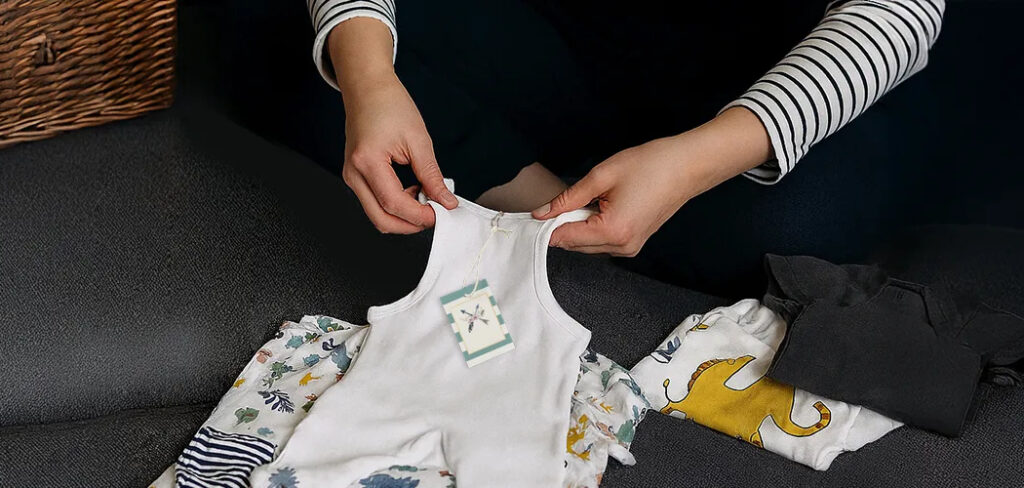
Learning how to fold baby pajamas helps you keep infant sleepwear neat, visible, and easy to grab when your baby needs a quick change. You will learn a simple folding method, how to handle different pajama styles, and how to store everything so your nursery drawers stay calm and useful.
This guide shows you a clear, beginner-friendly way to fold and organize baby pajamas with confidence.
Why Learning to Fold Baby Pajamas Efficiently Matters
Baby pajamas work hard. They go through spit-up, diaper leaks, late-night changes, and frequent washing, so they can quickly become the messiest part of a dresser. A simple folding system helps you save drawer space and keeps sizes visible before your baby outgrows them.
Neat pajamas also support a smoother bedtime routine. When footed pajamas, zipper sleepers, and two-piece sets have their own place, you can find the right sleepwear without digging through a wrinkled pile. That matters most when you are tired and trying not to wake your baby fully.
Efficient folding also reduces wrinkles, protects soft fabric, and makes baby clothes organization easier to maintain after every laundry load.
Things You’ll Need
You do not need special gear to fold baby pajamas well. A few simple items will help you work faster and keep the results neat inside drawers or bins.
- Clean, flat surface such as a bed, table, or changing pad
- Freshly laundered pajamas, including footed sleepers, zip sleepers, and two-piece sets
- Drawer dividers or small baskets for nursery drawers
- Storage bin for outgrown sizes or seasonal clothing rotation
- Dresser drawer, closet shelf, or labeled bin for everyday infant sleepwear
- Optional: labels for sizes, pajama types, or day-and-night clothing zones
Choose a surface with enough room to spread one pajama flat. Smooth space makes folding easier, especially when tiny sleeves, pant legs, feet, and zippers need attention.
8 Step-by-Step Guide on How to Fold Baby Pajamas
Step 1 – Sort Pajamas by Size or Type
Start by sorting the clean pajamas before you fold. Put newborn, 0–3 month, 3–6 month, and larger sizes into separate piles. If your baby is between sizes, keep the current size closest to your main folding area.
Then sort by pajama type. Place footed pajamas in one pile, zipper sleepers in another, and two-piece pajama sets together. This first step makes how to fold baby pajamas feel less overwhelming because you can repeat the same motions for similar items.
Sorting also helps you spot outgrown sleepwear. If the fabric looks too short, tight, or stretched, move it to a storage bin before it returns to the drawer.
Step 2 – Lay the Pajamas Flat
Place one pajama on your clean surface with the front facing down or up. For zipper sleepers, front-facing up helps you see the zipper line and smooth the fabric around it. For two-piece sets, lay the shirt above the pants so they stay paired.
Line up the shoulders, sleeves, legs, and feet. Baby pajamas are soft and stretchy, so they may twist after washing. Take a moment to return the garment to its natural shape.
This step gives you a clean starting point. When the fabric lies flat, the finished fold looks neater and takes up less room in dresser storage.
Step 3 – Smooth the Fabric and Straighten Details
Run your hands from the neckline down to the feet or hem. Use light pressure, like you are pressing air out of the fabric. Smooth sleeves, cuffs, waistbands, and ankle areas so they do not bunch inside the fold.
For zip sleepers, flatten the zipper gently with your palm. Do not force it into a hard crease. If the zipper pull sticks out, lay it flat so it does not create a bulky spot.
For footed pajamas, smooth the feet and toes. These areas often curl after drying, and a quick adjustment keeps the bottom of the fold soft and even.
Step 4 – Fold Sleeves or Pant Legs Inward
Fold each sleeve inward across the pajama body. Follow the shoulder seam and keep the fold relaxed. If the sleeves are long, angle them slightly downward so the cuffs stay inside the main shape.
For two-piece sets, fold the shirt sleeves first, then fold the pants legs toward the center. Keep the waistband flat and avoid rolling it unless you are storing the set in a travel bag.
For footed sleepers, bring the legs closer together if they spread outward. This creates a cleaner outline and keeps the feet from sticking out when you file fold the pajamas later.
Step 5 – Fold the Sides Toward the Center
Bring one side of the pajama toward the middle, using the shoulder and leg seam as your guide. Repeat on the other side until the pajamas form a long, narrow shape. The sides can meet or overlap slightly.
If you are folding a zip sleeper, keep the zipper line centered if possible. This helps the garment fold evenly and prevents one side from becoming thicker than the other.
This step works for most infant sleepwear styles. It gives wide pajamas a consistent shape, which makes nursery drawers easier to organize with drawer dividers or small baskets.
Step 6 – Bring the Bottom Up
Fold the bottom of the pajamas upward toward the neckline. For footed pajamas, bring the feet up first and tuck them neatly against the legs. The fabric should feel smooth, not lumpy.
For larger sleepers, fold the bottom up about one-third, then fold again. For smaller sizes, a single fold in half may be enough. Adjust based on the length and thickness of the fabric.
This is one of the key moves in how to fold baby pajamas because it turns long sleepwear into a compact shape. A good bottom fold helps the pajamas stay together when you lift them.
Step 7 – Make a Compact Rectangle or File Fold
Now fold the pajama once more into a compact rectangle. The final shape should feel stable in your hand, with no loose sleeves, feet, or waistbands hanging out. If it springs open, smooth it and refold with a little more overlap.
For file folding, stand the folded pajamas upright in the drawer. Keep the print, neckline, or size tag facing up or forward. This lets you see each pair without lifting a whole stack.
File folding works well for baby clothes organization because it saves space and keeps bedtime options visible. It also helps you notice when laundry is running low.
Step 8 – Check Consistency and Store Neatly
Before putting the pajamas away, compare the fold with the others in the same size or type. They do not need to match perfectly, but similar shapes help the drawer stay tidy. Consistency matters more than perfection.
Place folded pajamas in rows inside drawer dividers, baskets, or dresser sections. Keep footed pajamas together, two-piece sets together, and seasonal sleepwear in a separate area. Make sure prints, sizes, or zipper styles remain easy to see.
If a drawer feels too full, remove outgrown or off-season pajamas. A little open space makes it easier to grab one pair without disturbing the rest.
Common Mistakes When Folding Baby Pajamas
One common mistake is folding every pajama style the same way without sorting first. Footed sleepers, zipper sleepers, and two-piece sets all behave differently. When you separate them before folding, you avoid bulky shapes and make the drawer easier to use during tired nighttime changes.
Another mistake is stacking pajamas in tall piles. A flat stack may look neat right after laundry, but it often falls apart when you pull one pair from the middle. File folding usually works better because every pajama stays visible from above.
Many parents also fold pajamas while the fabric is twisted, damp, or bunched around the zipper. This causes wrinkles and makes the fold thicker than it needs to be. Smooth the fabric first, especially around cuffs, feet, waistbands, and closures.
A fourth mistake is overfilling nursery drawers. Even careful folds collapse when the drawer is packed too tightly. Leave enough space for your hand to slide in and remove one pair without dragging out three more.
Finally, parents often forget to remove outgrown sizes. Babies grow quickly, so check fit often and move small pajamas into a storage bin right away.
Expert Tips
Fold pajamas right after the dryer finishes if you can. Warm fabric smooths more easily, and you will avoid the wrinkled pile that forms when clean laundry sits too long.
Keep the most-used pajamas in the easiest drawer to reach. Your best spot is near diapers, wipes, sleep sacks, and other bedtime routine items. Put backup sizes, warmer layers, and special holiday prints in a less-used section.
Use drawer dividers to create simple zones. One divider can hold footed pajamas, another can hold zipper sleepers, and another can hold two-piece sets. If your baby has sensitive skin, separate fabric types too, such as cotton, bamboo, fleece, or ribbed sleepwear. A simple system is easier to repeat when you are tired.
Frequently Asked Questions
What Is the Best Way to Store Folded Baby Pajamas?
The best method for most parents is file folding inside a drawer with dividers or small baskets. This keeps each pajama visible, so you can see sizes, prints, and styles at a glance. Store current sizes in the front or top drawer. Place larger sizes, off-season fleece pajamas, or special outfits in a separate bin.
Should I Fold Footed Pajamas Differently?
Yes, footed pajamas need a little extra attention at the bottom. Smooth the feet first, then fold them upward with the legs so they do not stick out. If the feet are bulky, shift the fold slightly instead of pressing them into a hard lump. This keeps the sleeper flatter and easier to store.
How Do I Keep Two-Piece Baby Pajamas Together?
Lay the shirt and pants together before folding. Fold the shirt sleeves inward, place the pants on top or underneath, then fold both pieces into one rectangle. You can also tuck the folded pants lightly inside the shirt fold. Keep matching sets in the same drawer section so bedtime outfits stay paired and easy to find.
Is It Better to Hang or Fold Baby Pajamas?
Folding works better for most everyday baby pajamas because they are soft, small, and used often. Hanging can take up more closet space and may slow you down during nighttime changes. You can hang special outfits or delicate sleepwear if needed, but drawer storage is usually faster for daily infant sleepwear.
How Often Should I Reorganize Baby Pajama Drawers?
Check pajama drawers every two to four weeks during the first year, since babies grow quickly. Remove tight sleepers, rotate seasonal clothing, and bring the next size forward. You do not need a full reorganization each time. A quick five-minute check can keep the drawer useful and prevent outgrown pajamas from taking up space.
Conclusion
Folding baby pajamas becomes much easier when you follow the same simple routine after every laundry load. Sort by size and type, lay each piece flat, smooth the fabric, tuck sleeves or pant legs inward, fold the sides, bring the bottom up, and finish with a compact rectangle or file fold.
This method works for footed pajamas, zipper sleepers, and two-piece pajama sets. It saves drawer space, keeps prints and sizes visible, reduces wrinkles, and makes bedtime or nighttime changes feel less stressful.
Once you learn how to fold baby pajamas, your nursery drawers become easier to manage and quicker to use. Start with one clean pile of sleepwear today, fold it into visible rows, and adjust the system as your baby grows. A neat pajama drawer is a small habit, but it can make daily care feel smoother.

About
Joann Meril didn’t plan on becoming a parenting writer — it found her. After spending several years working as a certified nursing assistant in a pediatric clinic, Joann saw firsthand how anxious and under-informed new parents could feel, even with a hospital full of resources around them. When she had her own two children, that gap became personal. Suddenly she was the one googling things at 2 a.m., comparing baby monitors, and wondering if the swaddle she bought was actually safe.
That experience is what shaped her approach to writing. Joann believes parenting advice should be practical, honest, and free of unnecessary jargon or guilt. She tests products herself whenever possible, reads the actual safety standards instead of just the marketing copy, and isn’t afraid to say when something isn’t worth the money.
Today, Joann writes full-time, covering everything from newborn sleep routines to gear reviews to the small everyday wins that make parenting feel a little less overwhelming. When she’s not researching or writing, she’s usually chasing her own kids around the backyard or drinking coffee that’s gone cold for the third time that morning.
Joann lives in [City/State] with her husband and two children.
Credibility
- Background in pediatric caregiving (CNA)
- Mom of two, hands-on parenting experience
- Hand-tests baby gear before recommending it
- Focus: infant sleep, feeding, gear safety, early development