
Baby toys spend a lot of time on the floor, in diaper bags, under furniture, and, of course, in your baby’s mouth. That means cleaning them is not just about making them look nice. It helps reduce everyday germs, sticky buildup, dust, drool, and food residue that can collect during normal play.

If you are learning how to clean baby’s toys, the process may feel confusing at first because every toy seems to have different rules. Some can go in warm soapy water, some need a gentle wipe, and others should never be soaked. This guide will show you how to clean common baby toys safely, simply, and with confidence.
Why Keeping Baby’s Toys Clean Matters
Babies explore the world with their hands and mouths. They chew teething rings, drag plush toys across the floor, splash bath toys, and pass rattles from hand to hand. Regular cleaning helps lower the amount of germs, saliva, milk residue, and dirt that build up on these surfaces.
Clean toys also last longer. Moisture, grime, and harsh cleaning products can damage fabric, wood, batteries, paint, and seals. When you know the right method for each toy, you protect both your baby and the toy itself.
A simple hygiene routine also saves stress. You do not need to disinfect everything every day. You just need a clear, steady system that fits real family life.
Tools and Materials You’ll Need
Gather a few basic supplies before you start. Most baby toys do not need strong cleaners, and gentle products are usually best.
- Mild dish soap or baby-safe soap
- Warm water
- Clean microfiber cloths or soft sponges
- Small bowl or basin
- Soft-bristled brush for textured toys
- Clean towel or drying rack
- Laundry bag for machine-washable plush toys
- White vinegar for occasional odor control, if allowed by the care label
- Disinfecting wipes or spray marked safe for baby items, used only when needed
- Optional: a small mesh basket to keep washed toys together while they air-dry
Always check the toy’s care label or manufacturer instructions first. When in doubt, use the gentlest method.
7 Step-by-Step Guide on How to Clean Baby’s Toys
Step 1 – Sort Toys by Material and Care Needs
Learning how to clean baby’s toys starts with sorting. Place plastic, silicone, rubber, plush, wood, bath toys, and electronic toys into separate groups. This keeps you from accidentally soaking a battery toy or putting a delicate wooden rattle in the sink.
Next, look for care labels, tags, stamped symbols, or package instructions. Some toys say “surface clean only,” while others are dishwasher-safe or machine-washable. Use those directions as your first guide.
As you sort, check for cracks, loose parts, peeling paint, trapped moisture, or torn seams. Cleaning is also a good time to remove toys that no longer feel safe for your baby.
Step 2 – Wash Hard Plastic and Silicone Toys
Hard plastic toys, stacking cups, rattles, and silicone teething toys are often the easiest to clean. Fill a clean basin with warm water and a few drops of mild soap. The water should feel comfortably warm on your hands, not hot.
Wash each toy with a soft cloth or sponge. Use a small brush to clean grooves, bumps, handles, and textured spots where dried drool or snack crumbs can hide. Rinse well under running water until the toy no longer feels slippery.
Place the toys on a clean towel and let them air-dry fully. If water gets trapped inside a toy, shake it out and leave it with openings facing down.
Step 3 – Clean Bath Toys Carefully
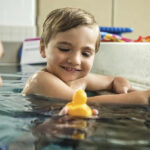
Bath toys need special attention because they sit in warm, wet places. Squeeze toys, floating animals, and cups can trap water inside, which may lead to mold or a sour smell. After each bath, squeeze out as much water as possible and let toys dry in open air.
For routine cleaning, wash bath toys with warm soapy water, then rinse them well. Pay close attention to holes, seams, and soft rubber edges. If a squeeze toy has dark flakes coming out, it is safest to throw it away.
Choose bath toys that open for cleaning when possible. Good airflow makes a big difference.
Step 4 – Freshen Plush and Fabric Toys
Plush toys, cloth books, soft blocks, and fabric dolls collect drool, lint, dust, and milk smells. Start by reading the tag. If the toy is machine-washable, place it in a laundry bag or pillowcase to protect seams, eyes, and small details.
Use a gentle cycle, mild detergent, and cold or warm water. Skip strong fragrances because babies often press soft toys against their face. After washing, air-dry the toy or use a low-heat dryer setting if the label allows it.
For surface-clean-only toys, dab with a damp cloth and mild soap. Avoid soaking, especially if the toy has music parts or crinkle paper inside.
Step 5 – Wipe Wooden Toys Without Soaking
Wooden toys need a light touch. Too much water can cause wood to swell, crack, roughen, or lose its finish. Instead of soaking them, wipe the surface with a cloth dipped in warm soapy water and wrung out well.
Clean corners, handles, and painted areas gently. The cloth should feel damp, not dripping. After wiping, use a second cloth with plain water to remove soap residue.
Dry wooden toys right away with a clean towel. Then let them sit in a well-ventilated spot until they feel completely dry. Never put wooden toys in the dishwasher or leave them in standing water.
Step 6 – Clean Electronic Toys Safely
Electronic toys need careful cleaning because water and batteries do not mix. Before you start, turn the toy off and remove the batteries if the design allows it. Never submerge toys with lights, sounds, buttons, or battery compartments.
Wipe the outside with a slightly damp cloth and mild soap. Clean around buttons, handles, and speaker areas without letting liquid drip inside. A cotton swab can help reach tight spots, but keep it only lightly damp.
After wiping, use a clean cloth to remove any soap. Let the toy air-dry completely before replacing batteries or giving it back to your baby.
Step 7 – Sanitize Only When Needed and Dry Fully
The final part of how to clean baby’s toys is knowing when to sanitize. Daily disinfecting is usually not needed for healthy babies. It may help after illness, playdates, daycare exposure, or when a toy has touched a dirty public surface.
Use a baby-safe disinfecting product and follow the contact time on the label. Some products need the surface to stay wet for a short period before being wiped or rinsed. Avoid bleach, strong fumes, and harsh chemicals unless the toy instructions clearly allow them.
Drying matters as much as washing. Toys should feel dry, clean, and free of odor before they go back into your baby’s hands.
Common Mistakes When Cleaning Baby’s Toys
One common mistake is using strong cleaners on every toy. Harsh sprays, heavy fragrances, and abrasive products can leave residue or damage surfaces your baby may chew. Mild soap and warm water work well for most routine cleaning.
Another mistake is soaking the wrong toys. Wooden toys, battery-operated toys, musical plush toys, and toys with small openings can hold moisture inside. That trapped water may cause mold, rust, swelling, or electrical damage.
Some caregivers also forget to rinse well. Soap left on teething toys, rattles, or plastic blocks can taste bitter and may irritate sensitive skin or mouths. Rinse until the toy feels smooth, not slick.
A fourth mistake is putting toys away too soon. Damp toys stored in bins or closed baskets can develop musty smells. Let toys dry in open air first, especially bath toys and plush items.
Finally, many parents clean only when toys look dirty. Drool, germs, and food residue are not always visible. A simple weekly routine helps keep things manageable.
Expert Tips
Create a small rotation system so you are not cleaning every toy at once. Keep a few favorites available, then place others in a “to wash” basket at the end of the day. This makes the job feel lighter and more realistic.
Clean mouthed toys more often than toys used only for looking, reaching, or tummy time. Teethers, pacifier clips, rattles, and bath toys usually need closer attention.
After illness, focus on the toys your baby touched most. Wash what you can, wipe what cannot be soaked, and let everything dry well. A steady routine matters more than perfection, so aim for safe and consistent habits.
Frequently Asked Questions
How Often Should I Clean Baby Toys?
Clean toys that go in your baby’s mouth every day or every few uses, especially teething toys and rattles. Wash bath toys weekly and dry them after each bath. Plush toys can usually be cleaned every one to two weeks, or sooner after spit-up or illness. Toys used outside or at daycare may need more frequent cleaning.
Can I Put Baby Toys in the Dishwasher?
Some hard plastic and silicone toys are dishwasher-safe, but you should always check the care instructions first. Avoid putting wooden toys, electronic toys, plush toys, or toys with trapped water spaces in the dishwasher. Use the top rack when allowed, and choose a gentle cycle. Make sure toys are fully dry before returning them to your baby.
Is Vinegar Safe for Cleaning Baby Toys?
White vinegar can help with odors and light buildup on some toys, but it is not right for every material. It may affect wood finishes, paint, rubber, or electronic parts. If you use it, dilute it with water and rinse the toy well afterward. For everyday cleaning, mild soap and warm water are usually enough.
Should I Disinfect Toys Every Day?
Most families do not need to disinfect baby toys every day. Regular washing removes dirt, drool, and many germs without overusing strong products. Disinfecting makes more sense after sickness, shared play, daycare exposure, or contact with dirty surfaces. Always use a product that is safe for baby items and follow the label directions carefully.
How Do I Prevent Mold in Bath Toys?
Squeeze out water after every bath and store toys where air can move around them. Avoid leaving them in a closed bucket while wet. Wash bath toys often with warm soapy water and inspect holes or seams for dark spots. If mold appears inside a squeeze toy and will not rinse out, replace the toy.
Conclusion
Keeping baby toys clean does not have to be complicated. Start by sorting toys by material, then choose the safest method for each one. Hard plastic and silicone can often handle warm soapy water, while wood needs a damp wipe, plush may need laundry care, and electronic toys should never be soaked.
Focus on the toys your baby mouths most often, and pay close attention to drying. Moisture left inside bath toys, fabric toys, or battery compartments can cause bigger problems than a little surface dirt. Use sanitizers only when needed, such as after illness or shared play.
Once you understand how to clean baby’s toys, you can build a simple routine that protects your baby without adding stress. Clean gently, dry thoroughly, and trust that small habits make playtime safer and more comfortable.

About
Joann Meril didn’t plan on becoming a parenting writer — it found her. After spending several years working as a certified nursing assistant in a pediatric clinic, Joann saw firsthand how anxious and under-informed new parents could feel, even with a hospital full of resources around them. When she had her own two children, that gap became personal. Suddenly she was the one googling things at 2 a.m., comparing baby monitors, and wondering if the swaddle she bought was actually safe.
That experience is what shaped her approach to writing. Joann believes parenting advice should be practical, honest, and free of unnecessary jargon or guilt. She tests products herself whenever possible, reads the actual safety standards instead of just the marketing copy, and isn’t afraid to say when something isn’t worth the money.
Today, Joann writes full-time, covering everything from newborn sleep routines to gear reviews to the small everyday wins that make parenting feel a little less overwhelming. When she’s not researching or writing, she’s usually chasing her own kids around the backyard or drinking coffee that’s gone cold for the third time that morning.
Joann lives in [City/State] with her husband and two children.
Credibility
- Background in pediatric caregiving (CNA)
- Mom of two, hands-on parenting experience
- Hand-tests baby gear before recommending it
- Focus: infant sleep, feeding, gear safety, early development