

Your baby’s mouth may not have teeth yet, but it still needs gentle care. Milk residue can collect on the tongue, gums, and inside the cheeks after feeding. Over time, a simple cleaning routine can support healthy infant gums, reduce buildup, and help your baby get used to oral care before the first teeth appear.

Learning how to clean a baby’s mouth also gives you a chance to notice changes, such as white patches, sore gums, or signs of teething. The process should feel calm, soft, and safe, not forceful or stressful.
This guide explains how to clean your baby’s mouth gently, what tools to use, what to avoid, and when to ask a pediatric dentist or doctor for help.
Why Learning to Clean a Baby’s Mouth Safely Matters
Baby oral hygiene starts before the first tooth. Newborn oral care helps remove milk residue, supports gum care, and makes daily mouth cleaning feel normal as your baby grows. When your baby later starts teething or gets first teeth, the routine will already feel familiar.
A clean mouth can also support feeding comfort. Some babies dislike thick milky film on the tongue or gums, especially after frequent feeds. Gentle wiping after feeding or as part of a bedtime routine can feel soothing when done with care.
Regular cleaning also helps you spot problems early. White patches that do not wipe away may be thrush, while swollen gums may signal teething. Knowing what is normal helps you respond with confidence.
Tools and Materials You’ll Need
You only need a few simple items to clean your baby’s mouth safely. Choose soft, clean materials and avoid anything rough, scented, or made for adult oral care.
- Clean, soft washcloth or gauze pad
- Warm water
- Small bowl for rinsing the cloth
- Silicone finger brush for older infants, if appropriate
- Clean towel or bib
- Comfortable chair or safe feeding position
- Good lighting so you can see the gums, tongue, and cheeks
- Optional convenience item: baby gum wipes made for infant oral care
Wash your hands before you begin. Your finger will be near your baby’s mouth, so clean hands and clean tools matter. Keep the process simple and calm, especially if your baby is tired, hungry, or fussy.
8 Step-by-Step Guide on How to Clean a Baby’s Mouth
Step 1 – Choose the Right Time
The first part of how to clean a baby’s mouth is choosing a calm moment. Try cleaning after feeding, before bedtime, or during a quiet part of the day when your baby feels relaxed. A sleepy, hungry, or upset baby may resist, even if your touch is gentle.

Sit somewhere comfortable with soft lighting. Hold your baby securely in your lap, with the head supported and slightly raised. You want your baby to feel safe, not pinned down.
Speak in a low, soothing voice. A peaceful start helps your baby connect mouth cleaning with comfort instead of stress.
Step 2 – Wash Your Hands and Prepare the Cloth
Wash your hands well with soap and water before touching your baby’s mouth. Dry them with a clean towel. This simple step lowers the chance of moving germs from your hands to your baby’s gums or tongue.
Dip a soft cloth or gauze pad in warm water. Wring it out until it feels damp, not dripping. The cloth should feel warm and smooth against your skin, with no rough edges or loose threads.
Wrap the cloth around your index finger. Keep the layer thin enough that you can feel your baby’s slippery gums, but thick enough to stay soft.
Step 3 – Gently Open and Observe the Mouth
Before you wipe, take a quick look inside your baby’s mouth. You may see a milky film on the tongue, shiny pink gums, or small bubbles of saliva. These are often normal, especially after feeding.
Use gentle pressure near the lips or cheek to encourage your baby to open. Never force the mouth open. If your baby turns away, clenches, or cries, pause and try again later.
Look for anything unusual, such as white patches that do not seem like milk, bleeding, swelling, or sores. If something concerns you, call your pediatrician.
Step 4 – Wipe the Gums With Gentle Pressure
Place your cloth-wrapped finger on the upper gumline and wipe in a slow, smooth motion. Then move to the lower gums. The pressure should be light, like wiping a soft peach, not scrubbing a stain.
When practicing how to clean a baby’s mouth, think of it as gentle wiping rather than deep cleaning. Infant gums are delicate and may feel slick from saliva or milk.
Use small strokes and watch your baby’s face. If your baby seems comfortable, continue. If they gag, fuss, or pull away, stop for a moment and let them settle.
Step 5 – Clean the Tongue Carefully
The tongue often holds milk residue, especially after breast milk or formula feeds. You may notice a pale coating near the center of the tongue. A thin milky film can be normal and usually wipes away with light contact.
Use the damp cloth to wipe from the middle of the tongue toward the front. Avoid reaching far back, since that can trigger gagging. Keep your movement slow and shallow.
If white patches stay in place after gentle wiping, or if the mouth looks sore, it may be thrush. Do not scrape. Call your baby’s doctor for guidance.
Step 6 – Wipe the Inner Cheeks and Lips
After the gums and tongue, gently wipe the inside of each cheek. Milk can collect there, especially in babies who feed often or spit up. Use a fresh area of the cloth if it looks coated.
Next, wipe along the inner lips and corners of the mouth. These areas can feel slippery, and your baby may move the tongue around as you clean. That is normal.
Keep the session short. Baby oral hygiene should feel like a soothing routine, not a long task. A clean mouth and a calm baby matter more than perfect technique.
Step 7 – Adjust Care When Teeth Appear
Once the first teeth come in, oral care changes slightly. Continue gentle gum care, but begin brushing the tooth surface with a baby toothbrush or silicone finger brush. Use a tiny smear of fluoride toothpaste if your pediatrician or pediatric dentist recommends it.
First teeth may appear with swollen gums, extra drooling, and more chewing. Be extra gentle around teething areas. A warm rinse cloth can feel comforting, while rough rubbing may make soreness worse.
As your baby grows, keep the routine consistent. Cleaning before sleep helps protect early teeth and builds strong dental care habits.
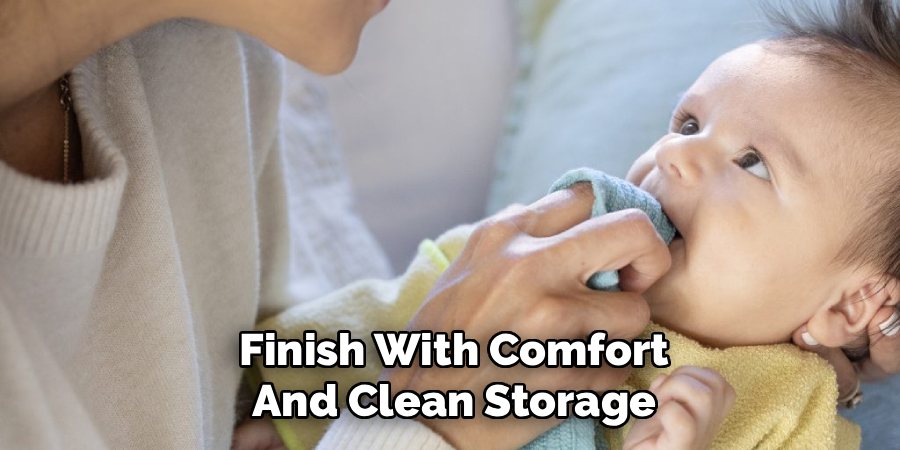
Step 8 – Finish With Comfort and Clean Storage
When you finish, give your baby a cuddle, soft words, or a short song. Ending with comfort helps your baby accept mouth cleaning as part of a soothing routine. Over time, this can make daily care easier.
Rinse the cloth well and place it in the laundry. If you used a silicone finger brush, wash it with warm water and mild soap, then let it air-dry fully.
Store oral care tools in a clean, dry place. Avoid leaving damp items in closed containers, where bacteria or odors can grow.
Common Mistakes When Cleaning a Baby’s Mouth
One common mistake is scrubbing too hard. Infant gums are soft, and strong pressure can cause irritation. If the tongue has milk residue, gentle wiping is enough. Thick white patches that do not wipe away should not be scraped, since they may be thrush.
Another mistake is using toothpaste too early or using adult products. Before teeth appear, warm water and a soft damp cloth are usually enough. Once teeth come in, ask your pediatrician or pediatric dentist about the right toothpaste amount.
Some caregivers push too far back on the tongue. This can cause gagging and make your baby dislike mouth cleaning. Stay near the front and middle of the tongue, and keep the motion slow.
A fourth mistake is cleaning only when there is a problem. A short daily routine helps your baby adjust before teething and first teeth arrive. It also gives you regular chances to notice changes in the mouth.
Expert Tips
Make mouth cleaning part of a predictable routine. After the last evening feeding, dim the lights, use a warm damp cloth, and keep your touch gentle. Babies often respond better when the steps feel familiar.
Use your baby’s cues as your guide. Open hands, relaxed cheeks, and steady breathing usually mean your baby feels comfortable. Turning away, crying, or clamping the mouth shut means it is time to pause.
Do not worry if every session is not perfect. Consistency matters more than doing a full cleaning every time. A few calm wipes each day can support gum care and prepare your baby for brushing later.
Frequently Asked Questions
When Should I Start Cleaning My Baby’s Mouth?
You can start cleaning your baby’s mouth during the newborn stage, even before teeth appear. Use a clean, soft damp cloth or gauze with warm water. Many parents do this once a day or after feedings. Starting early helps remove milk residue and gets your baby used to oral care before teething and first teeth.
Do I Need to Clean My Baby’s Tongue Every Day?
Daily tongue cleaning can help remove milk residue, but it should be gentle. Wipe only the front and middle of the tongue with a soft damp cloth. Do not scrape or push far back. If the white coating does not wipe away, or your baby seems uncomfortable, contact your pediatrician to check for thrush.
Is a Silicone Finger Brush Safe for Babies?
A silicone finger brush can be safe for older infants when used gently and kept clean. It may help massage gums during teething or clean first teeth. For newborns, a soft damp cloth is usually simpler and gentler. Always follow age guidance on the product and stop if your baby seems uncomfortable.
Should I Clean My Baby’s Mouth After Every Feeding?
You do not have to clean after every feeding, especially with a newborn who feeds often. Once daily is a good start for many families. You can also wipe the gums after a feeding when there is visible milk residue. The goal is gentle, regular baby oral hygiene, not constant cleaning that upsets your baby.
When Should My Baby See a Pediatric Dentist?
Many experts recommend a first dental visit by your baby’s first birthday or within six months after the first tooth appears. You should also call sooner if you notice bleeding, sores, tooth spots, mouth pain, or white patches that do not wipe away. A pediatric dentist can guide brushing, toothpaste use, teething care, and early cavity prevention.
Conclusion
Cleaning your baby’s mouth is a small habit with long-term value. A soft damp cloth, warm water, clean hands, and gentle pressure are enough for most newborn oral care. As your baby grows, you can adjust the routine for teething, first teeth, and early brushing.
Once you know how to clean a baby’s mouth, the process becomes simple and reassuring. You can remove milk residue, care for infant gums, notice changes early, and help your baby feel comfortable with oral hygiene.
Keep each session short, calm, and positive. If your baby resists, pause and try again later. With patience and consistency, mouth cleaning can become a quiet part of your feeding or bedtime routine and a strong first step toward healthy dental habits.

About
Joann Meril didn’t plan on becoming a parenting writer — it found her. After spending several years working as a certified nursing assistant in a pediatric clinic, Joann saw firsthand how anxious and under-informed new parents could feel, even with a hospital full of resources around them. When she had her own two children, that gap became personal. Suddenly she was the one googling things at 2 a.m., comparing baby monitors, and wondering if the swaddle she bought was actually safe.
That experience is what shaped her approach to writing. Joann believes parenting advice should be practical, honest, and free of unnecessary jargon or guilt. She tests products herself whenever possible, reads the actual safety standards instead of just the marketing copy, and isn’t afraid to say when something isn’t worth the money.
Today, Joann writes full-time, covering everything from newborn sleep routines to gear reviews to the small everyday wins that make parenting feel a little less overwhelming. When she’s not researching or writing, she’s usually chasing her own kids around the backyard or drinking coffee that’s gone cold for the third time that morning.
Joann lives in [City/State] with her husband and two children.
Credibility
- Background in pediatric caregiving (CNA)
- Mom of two, hands-on parenting experience
- Hand-tests baby gear before recommending it
- Focus: infant sleep, feeding, gear safety, early development