

A baby who feels warm can make any parent nervous, especially when you are not sure whether it is a true fever or normal warmth from crying, feeding, or being bundled. Learning how to check baby temperature helps you respond with confidence instead of guessing. A clear reading can guide your next step, whether that means removing an extra layer, watching symptoms, or calling your pediatrician.
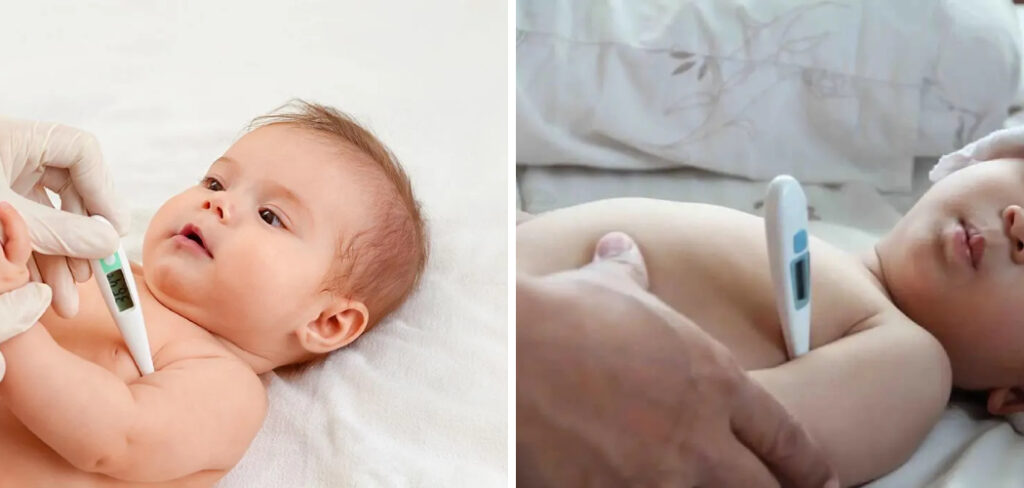
Babies cannot explain chills, aches, or discomfort, so temperature is one of the most useful signs you can check at home. The right method also depends on your baby’s age and the thermometer you use. This guide explains safe, beginner-friendly ways to take a baby’s temperature and understand the result.
Why Checking Baby Temperature Matters
Checking your baby’s temperature helps you spot fever in babies early, especially when other signs of illness are mild. A baby may seem sleepy, fussy, flushed, or warmer than usual before clear symptoms appear. A reliable temperature reading gives you practical information instead of relying only on touch.
For newborn care, this skill matters even more. Babies under 3 months need prompt medical advice if they have a fever, commonly defined as 100.4°F or 38°C or higher. Older infants may also need care if they seem very unwell, have trouble feeding, breathe poorly, or show signs of dehydration.
When you know the age-appropriate method, you can check quickly, stay calm, and share accurate details with your pediatrician.
Tools and Materials You’ll Need
You need a baby thermometer that fits your child’s age and the method you plan to use. A digital thermometer works well for many families and can be used for rectal or underarm temperature, depending on the product instructions. Some parents also use a forehead thermometer for quick checks, though results can vary with sweat, room temperature, or movement.
Keep disposable probe covers or clean tissues nearby for hygiene. You may also want mild soap, warm water, or rubbing alcohol wipes if your thermometer instructions allow them. A small amount of petroleum jelly may be used only if your pediatrician or thermometer directions recommend it for rectal use.
One optional convenience item is a notebook or phone note to track readings, times, and symptoms.
8 Step-by-Step Guide on How to Check Baby Temperature
Step 1 – Choose the Right Method for Your Baby’s Age
Start by choosing a temperature method that matches your baby’s age. Rectal temperature is often the most accurate method for newborns and young infants, but you should always follow your thermometer’s instructions and use a calm, gentle approach. If you feel unsure, ask your pediatrician which method they prefer for your baby.
Underarm temperature can be useful for a quick screen, but it may read lower than core temperature. Forehead thermometers are easy and fast, yet they can be affected by sweat, blankets, or a cool room. Learning how to check baby temperature begins with choosing the safest and most reliable option for your situation.
Step 2 – Prepare the Thermometer and Clean Your Hands
Wash your hands before you handle the thermometer. Clean hands lower the chance of spreading germs, especially when your baby already seems sick. The room should feel calm, warm, and quiet enough that you can focus on the reading.
Check that the baby thermometer has working batteries and a clean tip. If it uses probe covers, place one on before you begin. Read the display so you know whether it shows Fahrenheit or Celsius.
Use the thermometer only as directed. If one device is labeled for rectal use, keep it separate from any thermometer used by mouth or under the arm. This simple habit protects hygiene and prevents confusion later.
Step 3 – Keep Your Baby Calm and Still
A calm baby gives you a better reading. Hold your baby close for a moment, speak softly, and slow your own breathing. Your steady voice can help your baby relax, even if they feel tired or feverish.
If your baby has been crying, feeding, bathing, or wrapped in heavy blankets, wait a few minutes before checking. These things can briefly raise skin warmth and make some readings less accurate. You do not need a perfect setting, but a little patience helps.
Lay your baby on a safe, flat surface or hold them securely, depending on the method. Never leave your baby unattended with a thermometer, even for a few seconds.
Step 4 – Take a Rectal Reading When Recommended
For many newborns and young infants, a rectal temperature gives the most accurate reading. Use a digital thermometer designed for this purpose, and follow the manufacturer’s directions carefully. Avoid any force or complicated technique. If you feel nervous, ask your pediatrician to show you the safe method during a visit.
Keep your baby secure and supported. Move slowly, and stop if your baby seems in pain or you feel resistance. The goal is a careful reading, not speed.
After the thermometer beeps or signals that it is done, remove it gently and read the number right away. Clean the thermometer according to the instructions before storing it.
Step 5 – Use an Underarm Reading for a Quick Check
An underarm temperature is simple and less invasive, so many parents use it as a first check. Place the thermometer tip in the center of your baby’s dry armpit, then hold the arm snugly against the body. Skin contact matters because loose placement can give a low or unclear result.
Keep your baby still until the digital thermometer beeps. You may need to cuddle your baby or gently hold their arm in place. The reading may not be as exact as a rectal temperature, but it can help you decide whether to check again with a more accurate method.
If the number concerns you, call your pediatrician and explain which method you used.
Step 6 – Check the Forehead or Ear with Care
A forehead thermometer can be helpful when your baby is sleeping or upset. Follow the device directions, since some models scan across the forehead while others read at one spot. Wipe away sweat first, and make sure your baby has not been pressed against a warm blanket or cool window.
Ear thermometers can be convenient for older babies, but they are often less reliable for newborns because small ear canals make placement harder. If you use one, position it exactly as directed. A poor angle can change the result.
If a forehead or ear reading seems high, low, or inconsistent with your baby’s behavior, confirm it with a method your pediatrician recommends.
Step 7 – Read the Number and Watch Symptoms
Once you have the temperature reading, look at both the number and your baby’s overall condition. A normal baby temperature can vary slightly by method and time of day. Many parents think only the number matters, but behavior matters too.
Notice whether your baby feeds well, wakes normally, has wet diapers, and responds to comfort. Watch for signs of illness such as unusual sleepiness, fast breathing, persistent vomiting, rash, or weak crying. These clues help you decide how urgent the situation may be.
If your baby is under 3 months and has a fever of 100.4°F or 38°C or higher, contact a pediatrician right away.
Step 8 – Record the Reading and Decide What to Do Next
Write down the temperature, the time, the method, and any symptoms you notice. For example, “101°F rectal, 7:30 p.m., fussy, feeding less” gives your pediatrician useful context. A single number helps, but a pattern helps even more.
The final part of how to check baby temperature is knowing when to act. Call your pediatrician for a young infant with fever, a baby who seems very unwell, or any symptom that worries you. Trust your instincts if your baby looks different from normal.
If your baby seems comfortable and your pediatrician has not advised urgent care, keep monitoring, offer feeds, and avoid overdressing.
Common Mistakes When Taking a Baby’s Temperature
One common mistake is using the wrong method for the baby’s age. A forehead thermometer may be quick, but it may not be the best choice when you need the most accurate reading for a newborn. When in doubt, ask your pediatrician which method they want you to use.
Another mistake is checking too soon after a bath, feeding, crying spell, or time under thick blankets. These can affect skin temperature and make the reading misleading. Wait a short time, remove extra layers, and check again if the number does not match how your baby looks.
Some caregivers forget to note the method. A rectal temperature, underarm temperature, forehead reading, and ear thermometer result can differ. If you call your pediatrician, say exactly how you took it.
Poor hygiene is another issue. Clean the thermometer before and after use, and keep rectal thermometers separate. Finally, do not ignore serious symptoms because the temperature seems only mildly raised. A baby who is hard to wake, breathing poorly, refusing feeds, or showing fewer wet diapers needs medical advice.
Expert Tips
Use one reliable digital thermometer and learn it before your baby gets sick. Read the instructions, practice turning it on, and know how it signals a finished reading. This small step reduces stress when your baby feels warm at night.
Label thermometers by use if you keep more than one. Store them in a clean, dry place with probe covers if needed. Replace weak batteries, since a fading display or slow response can make readings harder to trust.
Focus on trends, not panic. A single temperature reading is useful, but your baby’s age, symptoms, feeding, sleepiness, breathing, and hydration all matter. If your instinct says something is wrong, call your pediatrician.
Frequently Asked Questions
What Temperature Counts as a Fever in a Baby?
A fever is often defined as 100.4°F or 38°C or higher, especially when measured rectally. The meaning can vary by age and method, so context matters. For babies under 3 months, call a pediatrician right away for a fever at this level. For older babies, call if the fever is high, lasts, or comes with worrying symptoms.
Is a Rectal Temperature Safe for a Newborn?
A rectal temperature can be safe and accurate when you use the right digital thermometer and follow the instructions carefully. It is often preferred for newborns and young infants because it reflects core temperature well. Still, many parents feel nervous about it. Ask your pediatrician to demonstrate the method if you are unsure or uncomfortable.
Can I Use a Forehead Thermometer on My Baby?
Yes, you can use a forehead thermometer for quick checks, but it may be less exact than a rectal reading for young infants. Sweat, room temperature, movement, and device placement can affect the number. If the reading seems high or your baby looks sick, confirm it with a method recommended by your pediatrician.
When Should I Call the Pediatrician?
Call right away if your baby is under 3 months and has a temperature of 100.4°F or 38°C or higher. You should also call if your baby seems very sleepy, has trouble breathing, refuses feeds, has fewer wet diapers, has a stiff body, or develops a concerning rash. If something feels wrong, it is better to ask.
Should I Add or Subtract Degrees from a Temperature Reading?
Do not guess by adding or subtracting degrees unless your pediatrician tells you to do so for a specific thermometer or method. Instead, report the exact number and how you took it. For example, say “99.8°F underarm” or “100.6°F rectal.” This gives your healthcare provider clearer information and helps them guide you safely.
Conclusion
Taking your baby’s temperature is a simple skill, but it can make a stressful moment feel more manageable. Choose an age-appropriate method, use a clean baby thermometer, follow the product directions, and pay attention to both the reading and your baby’s behavior. Rectal temperature is often the most accurate for newborns and young infants, while underarm, forehead, and ear methods may have a role depending on age and situation.
Now that you know how to check baby temperature, you can respond with more confidence when your baby feels warm or acts unwell. Keep your thermometer ready, record the method and number, and contact your pediatrician quickly for fever in babies under 3 months or any serious signs of illness. Your next step is simple: prepare your thermometer today so you are ready when you need it.

About
Joann Meril didn’t plan on becoming a parenting writer — it found her. After spending several years working as a certified nursing assistant in a pediatric clinic, Joann saw firsthand how anxious and under-informed new parents could feel, even with a hospital full of resources around them. When she had her own two children, that gap became personal. Suddenly she was the one googling things at 2 a.m., comparing baby monitors, and wondering if the swaddle she bought was actually safe.
That experience is what shaped her approach to writing. Joann believes parenting advice should be practical, honest, and free of unnecessary jargon or guilt. She tests products herself whenever possible, reads the actual safety standards instead of just the marketing copy, and isn’t afraid to say when something isn’t worth the money.
Today, Joann writes full-time, covering everything from newborn sleep routines to gear reviews to the small everyday wins that make parenting feel a little less overwhelming. When she’s not researching or writing, she’s usually chasing her own kids around the backyard or drinking coffee that’s gone cold for the third time that morning.
Joann lives in [City/State] with her husband and two children.
Credibility
- Background in pediatric caregiving (CNA)
- Mom of two, hands-on parenting experience
- Hand-tests baby gear before recommending it
- Focus: infant sleep, feeding, gear safety, early development