
A hot tub can be a relaxing part of your backyard, but it also creates serious risks for babies and young children. Warm water, slick surfaces, removable steps, and easy-to-open covers can turn a quiet patio into a danger zone in seconds. Many first-time caregivers search for how to baby proof a hottub because they want clear, practical steps that make sense without overcomplicating the job.
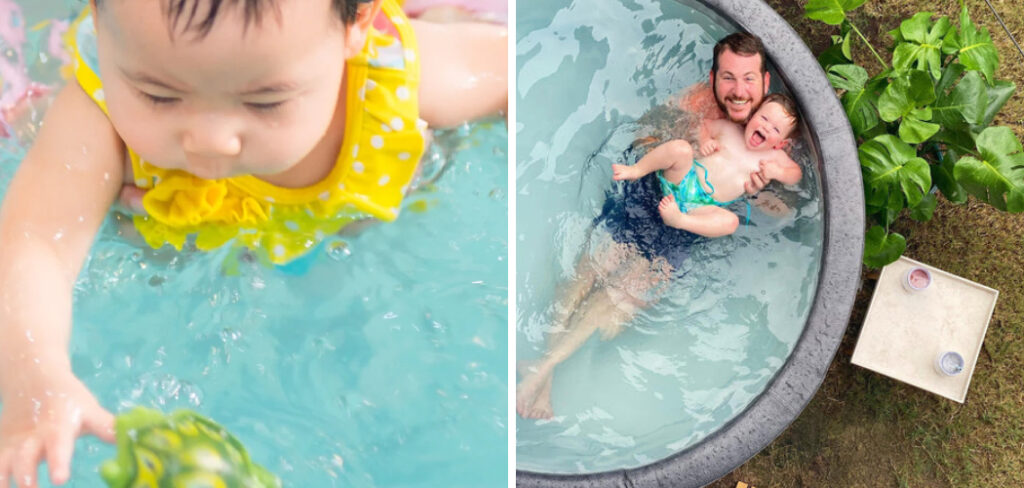
The most important point is this: baby-proofing a spa area does not make a hot tub safe for a baby to use. Babies and very young children should not be placed in hot tubs due to overheating, dehydration, and drowning risks. This guide will help you reduce access, control hazards, and build safer backyard habits around your hot tub.
Why Hot Tub Safety Matters for Families
Hot tub safety matters because young children move fast, explore silently, and do not understand danger. A toddler can slip through an open door, climb a step, or reach a spa cover before an adult realizes what happened. Unlike a pool, a hot tub may look small and harmless, but it still holds enough water for a drowning emergency.
There are other risks too. Hot water can raise a child’s body temperature quickly, and spa chemicals can burn skin, eyes, or the mouth if stored carelessly. Wet decking can cause falls, and loose toys can draw children toward the water. When you plan ahead, you create layers of protection that support drowning prevention, temperature safety, and better outdoor family safety.
Tools and Materials You’ll Need
You do not need fancy gear to make your hot tub area safer, but you do need the right barriers and habits. Start with strong physical controls, then add alarms, safer storage, and better visibility around the spa.
- Locking hard spa cover rated for your hot tub model
- Hot tub fence or four-sided code-compliant barrier
- Self-closing, self-latching childproof gate
- Lockable storage box or cabinet for spa chemicals
- Anti-slip mats, textured decking, or outdoor grip strips
- Pool alarm, door alarm, or gate alarm
- Outdoor lighting for the patio and spa area
- Thermometer or built-in temperature control check
- Optional: waterproof emergency instruction card posted nearby
Step-by-Step Guide on How to Baby Proof a Hottub
Step 1 – Install a Locking Hard Spa Cover
Start with the most direct barrier: a strong locking cover. A soft cover, loose tarp, or lightweight lid is not enough for toddler safety. Choose a hard spa cover that fits tightly, locks securely, and cannot be lifted by small hands.
Close and lock the cover every time the hot tub is not in active adult use. You should hear or feel the latch click into place, with no loose corner lifting in the wind. Check the straps, hinges, and lock points often because sun, rain, and cold weather can weaken parts over time.
When learning how to baby proof a hottub, think of the cover as one layer, not the whole safety plan.
Step 2 – Add a Four-Sided Barrier Around the Area
A hot tub should sit behind a reliable barrier, especially if babies, toddlers, or visiting children may be nearby. A four-sided fence helps separate the spa from the house, yard, and patio traffic. Check local building codes because height, spacing, and gate rules can vary by area.
The barrier should be hard to climb and free from footholds. Avoid placing chairs, planters, storage bins, or stacked firewood next to the fence. Children use anything they can push, pull, or climb.
A good hot tub fence gives you time. It slows access and makes it harder for a child to reach the water without an adult noticing.
Step 3 – Use a Self-Closing, Self-Latching Gate
Your gate matters as much as your fence. A childproof gate should swing closed on its own and latch without needing a push from you. If you have to remember to close it, someone will eventually forget.
Install the latch high enough that a young child cannot reach it. After installation, test it from different angles. Open it halfway, let it go, and watch whether it closes smoothly. Listen for the latch so you know it caught.
Keep the gate path clear of leaves, toys, and patio cushions. A small object near the hinge can stop the gate from closing fully, which weakens your entire backyard safety setup.
Step 4 – Remove or Block Steps When Not in Use
Hot tub steps can look like a fun climbing toy to a toddler. If your spa has movable steps, store them away when adults are not using the hot tub. Place them in a locked shed, garage, or fenced-off storage area.
If the steps are built in or too heavy to move, block access with a secure barrier. Do not rely on telling a child “no” or assuming they will not climb. Toddlers learn through touch, balance, and repetition.
Run your hand along the edge of the step area and look for grip points. If a child can grab, pull, and plant a foot, you need stronger access control.
Step 5 – Control Water Temperature Carefully
Temperature safety is a major part of hot tub safety. Babies and very young children should not use hot tubs because their bodies can overheat faster than adults. They can also become dehydrated quickly, even if the water only feels pleasantly warm to you.
Keep the temperature controls locked if your model allows it. Check the display before each adult use, and use a separate thermometer if the built-in reading seems off. Warm steam, flushed skin, dizziness, or unusual tiredness can signal heat stress in older users.
This is why how to baby proof a hottub includes preventing access, not preparing the spa for infant use.
Step 6 – Lock Away Spa Chemicals and Cleaning Supplies
Spa chemicals are useful for water care, but they can be dangerous in small hands. Chlorine, bromine, pH adjusters, test strips, and cleaning products should stay in locked storage. Keep them away from food, toys, towels, and anything a child may associate with play.
Choose a dry, ventilated storage space that children cannot open. Keep products in their original containers so labels, warnings, and directions stay clear. Never transfer chemicals into cups, jars, or drink bottles.
After treating the water, put every item away right away. The smell of chemicals, bright labels, and small scoops can attract curious children.
Step 7 – Improve Traction Around the Hot Tub
Wet surfaces around a spa can become slick fast. Bare feet, splashing water, sunscreen, and smooth decking all increase fall risk. Add anti-slip mats, textured pavers, or outdoor grip strips in the walking path around the hot tub.
Look at the area after dark and after rain. If the patio shines, feels slimy, or makes your feet slide, improve traction before someone falls. Good lighting also helps caregivers see water puddles, toys, and uneven edges.
Keep towels, sandals, and pool gear out of the walkway. A clutter-free path lowers the risk of trips while you carry a child or move quickly in an emergency.
Step 8 – Remove Tempting Toys and Set Supervision Rules
Children follow what looks fun. Floating toys, bright cups, bath animals, and colorful lights can draw a toddler straight toward the spa. Store toys away from the hot tub area, even if the cover is locked and the gate is closed.
Set clear family rules for supervision. One adult should be the assigned watcher when children are outside, even if no one plans to use the hot tub. Phones, grilling, pets, and conversations can all pull attention away.
Post emergency steps where adults can see them. Include the address, emergency number, CPR reminder, and how to open gates or covers quickly if needed.
Common Mistakes When Baby Proofing a Hot Tub
One common mistake is trusting the spa cover by itself. A locking cover is important, but it should not be the only layer. Covers can be left unlocked, damaged by weather, or opened by older children. A fence, gate, alarm, and supervision plan add backup when one layer fails.
Another mistake is leaving steps in place because they seem harmless. To a toddler, steps are an invitation. Once a child climbs up, the cover, controls, and water become easier to reach. Removable steps should be stored away when not in use, and fixed steps should be blocked.
Many families also forget about chemical storage. Spa chemicals may sit near the hot tub for convenience, but that puts strong products within reach. Locked storage protects children from burns, poisoning, and eye injuries.
A final mistake is assuming baby-proofing makes hot tub use safe for babies. It does not. The goal is to prevent access and reduce hazards around the area, not to make soaking safe for infants or very young children.
Expert Tips
Think in layers. A safer hot tub area should include a locking cover, a proper barrier, a self-latching gate, alarms, clear rules, and close supervision. No single product replaces adult attention, but each layer gives you more time to respond.
Walk through your backyard at a child’s height. Kneel down and look for climbable furniture, loose cords, open latches, sharp corners, slippery spots, and colorful objects near the spa. This simple view often reveals hazards adults miss.
Also plan for guests. Visiting relatives may not know your rules, and older children may open gates for younger ones. Give clear instructions before anyone goes outside.
Read More About How to Get Baby Poop Out of Carpet.
Frequently Asked Questions
Can babies go in a hot tub if the water is cooler?
Babies should not be placed in hot tubs, even if the water feels cooler than normal spa temperature. Their bodies do not regulate heat as well as adults, and they can overheat or dehydrate quickly. Hot tubs also create drowning risks because babies cannot sit, balance, or move safely in water. Focus on keeping them away from the spa area.
Is a locking spa cover enough for child safety?
A locking spa cover is essential, but it is not enough by itself. Locks can fail, straps can wear out, and adults may forget to secure them. A safer setup uses several layers, including a hot tub fence, self-latching gate, alarms, anti-slip surfaces, and active supervision. Each layer helps protect against a different type of risk.
What kind of fence should I use around a hot tub?
Use a code-compliant barrier that fully limits access to the hot tub area. Many families choose a four-sided fence with vertical pickets, limited gaps, and no easy footholds. The gate should self-close and self-latch. Check local rules before installing anything because height, spacing, and latch requirements can vary by city, county, or homeowners association.
Should I use a pool alarm for a hot tub?
A pool alarm or spa alarm can add a helpful safety layer, especially if children live in or visit the home. You can also use door alarms or gate alarms to alert you when someone enters the backyard. Alarms do not replace barriers or supervision, but they can give you extra warning when a child moves toward the hot tub area.
Where should I store hot tub chemicals?
Store spa chemicals in a locked cabinet, shed, or storage box that children cannot open. Keep them dry, upright, and in their original containers. Do not place them near snacks, toys, towels, or outdoor play items. After testing or treating the water, put every product away right away so curious hands cannot reach them.
Read Our Guide On How To Tell If Baby Has A Lip Tie.
Conclusion
Learning how to baby proof a hottub starts with one clear idea: your goal is to prevent access, not make the hot tub safe for babies to use. Very young children face serious risks from hot water, dehydration, slipping, chemicals, and drowning, so strong barriers and close supervision matter every day.
Start with a locking hard cover, then add a code-compliant fence, a self-closing and self-latching gate, and a plan for storing or blocking steps. Lock away spa chemicals, improve traction, remove tempting toys, and keep emergency rules visible. These actions work best when you use them together.
You do not need to make your backyard feel stressful or off-limits. You just need smart layers that match how young children explore. With a safer setup and clear family habits, you can enjoy your outdoor space while protecting the children who depend on you.

About
Joann Meril didn’t plan on becoming a parenting writer — it found her. After spending several years working as a certified nursing assistant in a pediatric clinic, Joann saw firsthand how anxious and under-informed new parents could feel, even with a hospital full of resources around them. When she had her own two children, that gap became personal. Suddenly she was the one googling things at 2 a.m., comparing baby monitors, and wondering if the swaddle she bought was actually safe.
That experience is what shaped her approach to writing. Joann believes parenting advice should be practical, honest, and free of unnecessary jargon or guilt. She tests products herself whenever possible, reads the actual safety standards instead of just the marketing copy, and isn’t afraid to say when something isn’t worth the money.
Today, Joann writes full-time, covering everything from newborn sleep routines to gear reviews to the small everyday wins that make parenting feel a little less overwhelming. When she’s not researching or writing, she’s usually chasing her own kids around the backyard or drinking coffee that’s gone cold for the third time that morning.
Joann lives in [City/State] with her husband and two children.
Credibility
- Background in pediatric caregiving (CNA)
- Mom of two, hands-on parenting experience
- Hand-tests baby gear before recommending it
- Focus: infant sleep, feeding, gear safety, early development