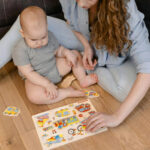

Rolling over is one of those baby milestones that can feel small one day and huge the next. Your baby may start by twisting their hips, tipping to one side, or surprising you with a full roll during floor play. If you are wondering how to get your baby to roll over, the goal is not to rush the milestone but to create safe chances for practice.
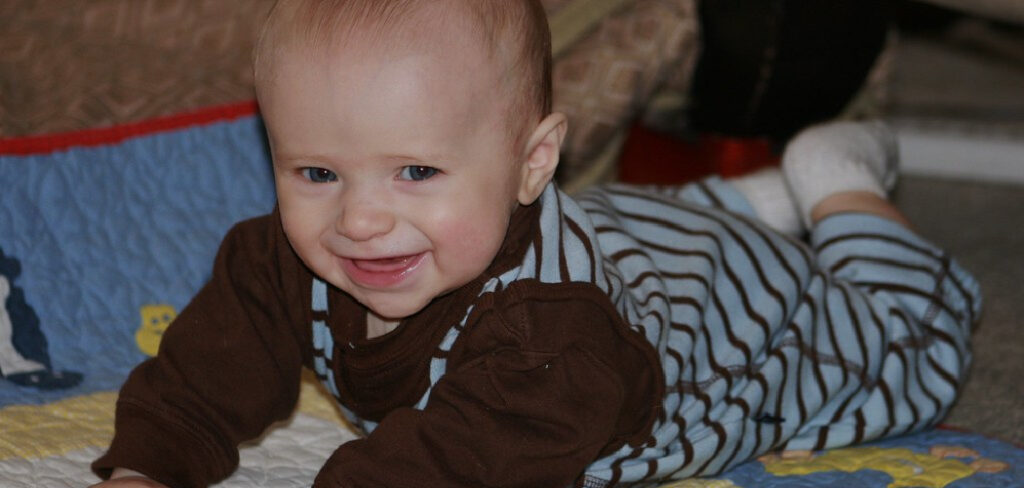
Babies build this skill through tummy time, reaching, kicking, weight shifting, and learning how their body moves. Each short play session teaches them something.
This guide will show you simple, safe ways to support rolling readiness while respecting your baby’s pace.
Why Rolling Over Matters
Rolling over supports gross motor development because it uses the neck, shoulders, core, hips, and legs together. Your baby learns how to lift the head, rotate the trunk, shift weight, and move with purpose. These skills also prepare them for sitting, crawling, and more active play later on.
Rolling also builds body awareness. When your baby reaches for a toy, turns toward your voice, or pushes against the floor, they learn where their body is in space. That awareness helps coordination grow.
This milestone usually appears in stages. Some babies roll belly to back first, while others roll back to belly first. Both patterns can be normal, especially when your baby has plenty of supervised practice.
Tools and Materials You’ll Need
You do not need special equipment to help your baby practice rolling. A firm, flat floor space is the most important tool because it gives your baby room to move safely. Use a clean play mat, soft blanket, or carpeted area that is free of pillows, cords, furniture edges, and small objects.
A few bright toys can encourage reaching and turning. Choose lightweight rattles, soft crinkle toys, or a high-contrast board book your baby can look toward. Your face and voice also work beautifully, especially for younger babies.
For convenience, an optional baby-safe mirror can make floor play more engaging. Many babies love looking at faces, and a mirror can motivate head turning and side-lying play.
7 Step-by-Step Guide on How to Get Your Baby to Roll Over
Step 1 – Start With Short Tummy Time Sessions
Tummy time helps your baby build neck strength, shoulder stability, and upper-body control. Start with short sessions when your baby is awake, calm, and supervised. Even two or three minutes can help if your baby is still getting used to the position.
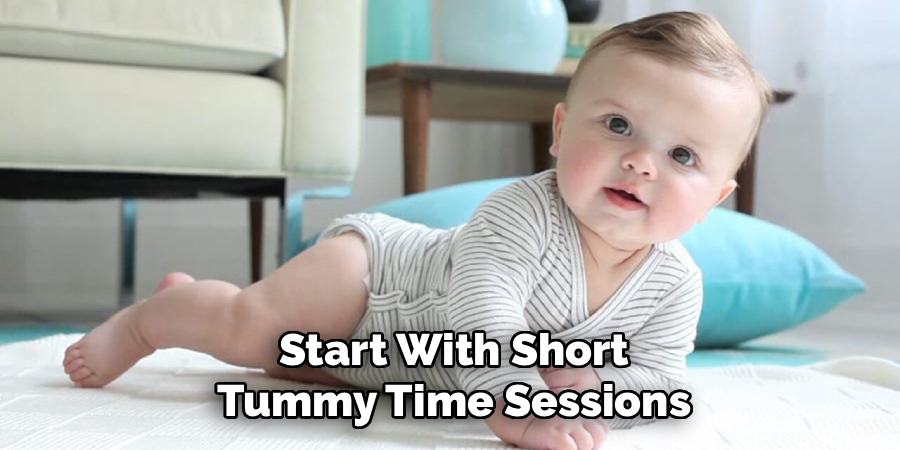
Place your baby on a firm mat and get down at eye level. Let them hear your voice and see your face. The floor may feel cool at first, so warm the space with your hands or use a soft mat.
When parents ask how to get your baby to roll over, tummy time is often the first answer because it builds the muscles needed for safe movement.
Step 2 – Watch for Developmental Readiness
Your baby will show signs when rolling is getting close. You may notice stronger head control, more kicking, lifted legs, or a habit of turning toward sounds. Some babies push up on their forearms during tummy time. Others arch, twist, or rock from side to side.
These small movements matter. They show that your baby is learning how to shift weight and control the body.
Avoid comparing your baby to another child. Baby milestones happen within a range. If your baby was born early or has medical needs, their timeline may look different. Your pediatrician can help you understand what is typical for your child.
Step 3 – Use Side-Lying Play
Side-lying play gives your baby a gentle halfway point between back and belly. Lay your baby on one side with your hand lightly supporting the hip or shoulder. Keep the position relaxed, not forced. Your baby should look comfortable and able to breathe easily.
Place a toy just in front of their chest or face. A soft rattle, crinkle toy, or your smiling face can invite reaching. When your baby reaches forward, the body naturally starts to rotate.
Practice on both sides so your baby builds balanced strength. If one side seems harder, keep the session shorter and positive. A calm, playful mood works better than long practice.
Step 4 – Encourage Reaching Across the Body
Reaching teaches your baby to rotate the shoulders and trunk. Lay your baby on their back and hold a toy slightly to one side. Let them look, reach, and stretch across the middle of the body.
Move slowly. If the toy moves too fast, your baby may lose interest or get frustrated. A gentle jingle or crinkle sound can help draw attention.
As your baby reaches, you may see one leg lift or the hips turn. That is the start of weight shifting. You can place your hand near the hip for comfort, but let your baby do as much of the work as possible. The effort builds coordination and confidence.
Step 5 – Guide the Hips, Not the Whole Body
If your baby seems close to rolling, you can offer light guidance at the hips. With your baby on their back, bend one knee and gently guide it across the body. This shows the rolling pattern without pulling the arms or twisting the neck.
Keep your touch slow and soft. Your baby should feel supported, not moved like a doll. Pause when they turn onto the side so they can finish the movement if ready.
This is a safe practice technique when done gently during supervised play. If your baby fusses, stiffens, or turns away, stop and try again later. Comfort comes before progress.
Step 6 – Make Floor Play Part of the Day
Babies learn rolling through repetition. Short, frequent floor play often works better than one long session. Try a few minutes after diaper changes, before a nap routine, or when your baby is alert and content.
Create a calm setting with good light, soft textures, and one or two toys. Too many toys can distract your baby from moving. Your voice, a simple song, or a toy placed just out of reach can encourage effort.
The best way to practice how to get your baby to roll over is to make movement feel like play. Your baby should explore, rest, try again, and enjoy your attention.
Step 7 – Keep Practice Safe and Positive
Always practice rolling on the floor, not on a couch, bed, changing table, or other raised surface. Once a baby begins to roll, it can happen quickly and without warning. A flat floor gives them space and keeps falls out of the picture.
Stay close and watch your baby’s cues. If they rub their eyes, cry, arch away, or seem tired, end the session. A rested baby learns better than a frustrated one.
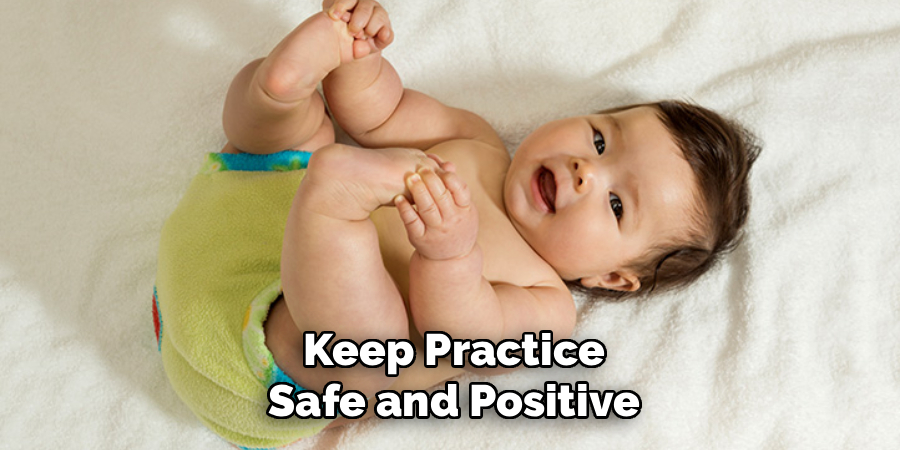
Celebrate effort, not just a full roll. A head turn, a hip twist, or a strong push through the arms all count. These small steps lead to the bigger milestone.
Common Mistakes When Helping a Baby Roll Over
One common mistake is practicing only when the baby is already tired. Rolling takes effort, and a sleepy baby may cry or resist even if they are physically ready. Choose a time when your baby is fed, alert, and comfortable.
Another mistake is forcing the movement. Pulling your baby by the arms or quickly flipping them from back to belly can feel scary and may strain their body. Gentle guidance at the hips is enough.
Some parents also skip tummy time because the baby dislikes it. Instead of avoiding it, make it shorter and easier. Try tummy time on your chest, across your lap, or for just one minute at a time.
A fourth mistake is using too much baby gear. Long stretches in swings, bouncers, or seats limit floor movement. Babies need open space to kick, turn, reach, and shift weight.
Finally, do not ignore uneven movement. If your baby strongly favors one side, seems very stiff or floppy, or misses several milestones, ask your pediatrician for guidance.
Expert Tips
Think of rolling as a whole-body skill, not a trick to teach. Your baby needs neck strength, core strength, hip movement, shoulder control, and curiosity. The best practice blends all of these through simple play.
Use your face before you use toys. Many babies will work harder to turn toward a parent’s smile or voice than toward an object. Get close, speak softly, and move from one side to the other.
Keep clothing comfortable during practice. Tight waistbands, slippery socks, or bulky outfits can make movement harder. A simple onesie or soft footed pajamas often gives your baby enough freedom to kick, twist, and explore.
Frequently Asked Questions
When do babies usually start rolling over?
Many babies start rolling between 4 and 6 months, but the range can vary. Some show early signs around 3 months, while others need more time. Belly-to-back rolling may come first because it can happen with a strong push from the arms. Back-to-belly rolling often takes more core control and coordination.
Is it okay if my baby hates tummy time?
Yes, many babies protest tummy time at first. Keep sessions short, calm, and frequent. Try placing your baby on your chest while you recline, or lay them across your lap for a gentle version. Get face-to-face and talk to them. Over time, those tiny sessions can build comfort and strength.
Should I help my baby roll or let it happen naturally?
You can help by creating safe chances to move, but avoid forcing the roll. Side-lying play, reaching games, and gentle hip guidance can support learning. Your baby still needs to control the movement. Think of yourself as a coach who sets up practice, not someone who completes the milestone for them.
What if my baby rolls only one way?
Rolling one way at first is common. Babies often have a preferred side as they learn. Encourage both sides by placing toys, your face, or sounds on the less-used side during supervised play. If your baby always turns one way, seems stiff, or cannot turn the head both ways, check with your pediatrician.
What should I do once my baby starts rolling?
Once rolling begins, stop swaddling for sleep if you have not already. Keep sleep spaces clear of loose blankets, pillows, and stuffed toys. During play, move practice to the floor and avoid raised surfaces. Rolling can happen suddenly, even during a diaper change, so keep one hand on your baby when they are elevated.
Read Our Guide On How To Open A Trump Baby Account.
Conclusion
Rolling over grows from small daily movements: lifting the head, reaching for toys, shifting weight, turning to your voice, and playing on the floor. You do not need fancy gear or long practice sessions. You need safe space, patient support, and a clear sense of your baby’s readiness.
If you are learning how to get your baby to roll over, focus on steady progress instead of speed. Offer tummy time, side-lying play, and gentle reaching games while watching your baby’s comfort cues. Celebrate the little attempts, because each one builds strength and coordination.
Your next step is simple: choose one calm moment today, place your baby on a safe floor mat, and spend a few minutes practicing playful movement together.

About
Joann Meril didn’t plan on becoming a parenting writer — it found her. After spending several years working as a certified nursing assistant in a pediatric clinic, Joann saw firsthand how anxious and under-informed new parents could feel, even with a hospital full of resources around them. When she had her own two children, that gap became personal. Suddenly she was the one googling things at 2 a.m., comparing baby monitors, and wondering if the swaddle she bought was actually safe.
That experience is what shaped her approach to writing. Joann believes parenting advice should be practical, honest, and free of unnecessary jargon or guilt. She tests products herself whenever possible, reads the actual safety standards instead of just the marketing copy, and isn’t afraid to say when something isn’t worth the money.
Today, Joann writes full-time, covering everything from newborn sleep routines to gear reviews to the small everyday wins that make parenting feel a little less overwhelming. When she’s not researching or writing, she’s usually chasing her own kids around the backyard or drinking coffee that’s gone cold for the third time that morning.
Joann lives in [City/State] with her husband and two children.
Credibility
- Background in pediatric caregiving (CNA)
- Mom of two, hands-on parenting experience
- Hand-tests baby gear before recommending it
- Focus: infant sleep, feeding, gear safety, early development