
Your little one needs breathing treatment, but the mask makes them cry, squirm, and pull away every single time. You’re tired, worried, and wondering if there’s a gentler way. Good news: there is.
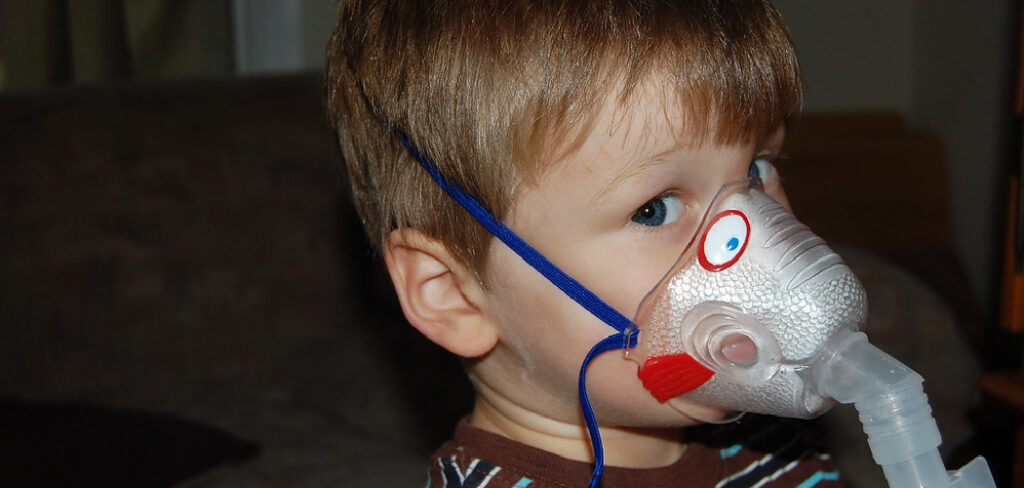
This guide walks you through how to use a nebulizer for baby without mask, using a method that’s actually backed by common pediatric practice. You’ll learn what to gather, exactly what to do step by step, mistakes to skip, and when to check in with your doctor. Let’s make this easier for both of you.
What “Without a Mask” Really Means
A nebulizer turns liquid medicine into a fine mist your baby breathes in. Most setups use a mask that seals around the nose and mouth. But many babies hate that snug feeling.
The mask-free method is often called the blow-by technique. Here’s how it works: instead of pressing a mask to your baby’s face, you hold the open end of the tube or a small cup near their nose and mouth so they breathe in the drifting mist. It’s gentler, and for fussy babies, it can mean the difference between a finished treatment and a meltdown.
One honest note: studies suggest a sealed mask delivers more medicine than blow-by. So this approach works best when your child simply won’t tolerate a mask. Always confirm with your pediatrician that blow-by is okay for your baby’s prescription.
Why This Matters for New Parents
Watching your baby struggle to breathe is frightening. Add a crying battle over a mask, and the whole thing feels overwhelming.
Here’s the reassuring part: a stressed, screaming baby actually breathes in less medicine. Crying leads to fast, shallow breaths, and a lot of the mist escapes. A calm baby breathes slower and deeper, which helps the treatment do its job.
So keeping your baby relaxed isn’t just kinder — it can make the treatment more effective. Learning the mask-free method gives you a practical tool when the standard approach simply isn’t working.
What You’ll Need
Gather everything before you start so you’re not scrambling mid-treatment. Having it all within reach keeps things smooth and quick.
- A nebulizer machine — the small compressor that powers the mist
- The medication cup — where you pour the prescribed liquid medicine
- Tubing — connects the machine to the cup
- A mouthpiece or open tube — used in place of the mask for blow-by
- Your baby’s prescribed medicine — measured exactly as directed
- A comfortable chair — you’ll be holding your baby for several minutes
- A favorite toy, book, or video — anything to keep your little one calm
- A soft cloth — for any drool or mist on the face
A quick tip: warm the room slightly if it’s chilly. A cold mist can startle a baby, while a comfortable room keeps them settled.
8 Step-by-Step Guide: How to Use a Nebulizer for Baby Without Mask
Follow these steps in order. Once you’ve done it a few times, it’ll feel like second nature.
Step 1: Wash Your Hands and Set Up
Clean hands keep germs away from the equipment and your baby. Wash thoroughly, then place the machine on a stable, flat surface.
Tip: Set up near an outlet so the tubing isn’t stretched tight.
Step 2: Add the Medicine
Pour the exact prescribed dose into the medication cup. Don’t eyeball it — use the dropper or measuring cap that came with the medicine.
Tip: Double-check the dose against your doctor’s instructions every single time.
Step 3: Connect Everything
Attach the tubing to both the machine and the medication cup. Connect the mouthpiece or use the open end of the tube for blow-by.
Tip: Give it a gentle tug to confirm the connections are secure.
Step 4: Get Your Baby Comfortable
Hold your baby upright on your lap, slightly leaning back against your chest. This position helps them breathe in the mist more easily than lying flat.
Tip: Try treatment after a feeding or during a nap-adjacent calm window, not when they’re already cranky.
Step 5: Turn On the Machine and Position the Mist
Switch on the nebulizer. You’ll see a steady stream of mist. Hold the open tube or mouthpiece about half an inch to one inch from your baby’s nose and mouth.
Tip: Closer is better. The nearer the mist, the more your baby actually breathes in.
Step 6: Keep Them Calm and Breathing
Distract your baby with a toy, song, or gentle talking. Keep the mist pointed toward their face for the full treatment, usually until the cup runs empty.
Tip: Slow, deep breaths help most. A relaxed baby naturally breathes this way.
Step 7: Finish Up
When the mist stops or sputters, the treatment is done. Turn off the machine and give your baby a cuddle.
Tip: Wipe any mist residue off their face with a soft cloth to prevent skin irritation.
Step 8: Clean the Equipment
Rinse the medication cup and mouthpiece with warm water after each use. Let them air-dry completely before the next treatment.
Tip: Never wash the tubing — moisture inside can harbor bacteria. Replace tubing as your manufacturer recommends.
Age-Specific Advice
Your baby’s age changes how you hold them and what to expect. Here’s a quick guide.
Newborns (0–1 Month)
Newborns are tiny and breathe rapidly, so positioning matters most. Cradle them close and keep the mist gentle and near. Always get specific clearance from your pediatrician before treating a newborn at home.
1–3 Months
At this stage, babies still can’t hold their heads steady. Support the head fully against your chest and keep the mist close. Soft singing or humming often keeps them calm.
3–6 Months
Curiosity kicks in here, which can help. Many babies in this range are fascinated by the machine’s hum and the mist. Use that interest to your advantage with eye contact and gentle chatter.
6+ Months
Older babies want to grab everything, including the tube. Hand them a separate toy to hold so their hands are busy. Sitting them upright in your lap usually works well now.
Common Mistakes to Avoid
Small errors can reduce how well the treatment works. Here are the ones parents make most.
- Holding the mist too far away. The farther the tube, the less medicine reaches your baby. Keep it within an inch of the face.
- Treating during a crying fit. A screaming baby breathes in very little mist. Pause, soothe, and restart when calm.
- Laying the baby flat. Lying down makes breathing the mist harder. Keep your little one upright or slightly reclined.
- Skipping the cleaning. Leftover medicine and moisture invite bacteria. Rinse and dry after every use.
- Guessing the dose. Too little won’t help; too much can harm. Measure exactly as prescribed every time.
Safety Tips
A few simple habits keep treatments safe and stress-free. Keep these in mind each session.
- Use only the prescribed medicine and dose. Never adjust amounts on your own.
- Stay with your baby the entire time. Treatments should never happen unsupervised.
- Keep the machine away from water. It’s electrical equipment, so dry hands and dry surfaces matter.
- Check the mist temperature. A startlingly cold mist can upset your baby. A comfortable room helps.
- Inspect the equipment before each use. Look for cracks, blockages, or worn tubing and replace as needed.
A calm, matter-of-fact approach helps your baby feel safe. If you stay relaxed, they often follow your lead.
Signs You’re Doing It Right
Wondering if it’s working? These are reassuring signs you’re on the right track.
- Your baby stays relatively calm during most of the treatment.
- You see steady mist flowing from the tube the whole time.
- The medication cup empties within about 10 to 15 minutes.
- Your baby’s breathing seems easier after the session.
- You feel a little more confident each time you do it.
If you notice these, take a breath and pat yourself on the back. You’re handling something genuinely hard, and doing it well.
When to Call a Doctor
Most treatments go smoothly, but some signs need a professional’s attention right away. Trust your instincts — you know your baby best.
Call your doctor or seek urgent care if your baby shows any of these:
- Fast, labored, or noisy breathing that doesn’t improve after treatment
- Bluish color around the lips, face, or fingertips
- Pulling in at the ribs or neck with each breath (called retractions)
- Refusing to feed or showing signs of dehydration
- Unusual sleepiness or being very hard to wake
- No improvement despite following the treatment plan
When in doubt, reach out. No question about your baby’s breathing is ever too small.
Frequently Asked Questions
Is the blow-by method as effective as using a mask?
A sealed mask generally delivers more medicine than blow-by. That said, blow-by is a reasonable option when your baby won’t tolerate a mask, since a calm baby breathing some medicine often beats a crying baby breathing very little. Confirm with your pediatrician first.
How close should I hold the tube to my baby’s face?
Keep it within about half an inch to one inch from the nose and mouth. The closer the mist, the more your baby actually breathes in. Distance is the single biggest factor in how well blow-by works.
How long does a nebulizer treatment take?
Most treatments last about 10 to 15 minutes, until the medication cup empties and the mist sputters out. Times vary by machine and medicine, so follow your specific instructions.
Can I give the treatment while my baby is sleeping?
Yes, and many parents find this easiest. A sleeping baby breathes slowly and deeply, which helps the mist reach the lungs. Just hold the tube close and avoid waking them.
How often should I clean the nebulizer?
Rinse the medication cup and mouthpiece with warm water after every use, then air-dry fully. Give parts a more thorough cleaning per your manufacturer’s directions, usually daily or weekly. Skip the tubing, since moisture inside it can breed bacteria.
Conclusion
Learning how to use a nebulizer for baby without mask can turn a stressful, tearful routine into a calm, manageable one. The blow-by method gives you a gentle alternative when the mask just won’t cooperate, and a relaxed baby often breathes in more medicine than a struggling one.
Keep the mist close, stay calm, measure your doses carefully, and lean on your pediatrician whenever you’re unsure. You’re learning a new skill while caring for someone you love deeply, and that takes real patience and courage.
You’ve got this — and with each treatment, it’ll feel a little easier.

About
Joann Meril didn’t plan on becoming a parenting writer — it found her. After spending several years working as a certified nursing assistant in a pediatric clinic, Joann saw firsthand how anxious and under-informed new parents could feel, even with a hospital full of resources around them. When she had her own two children, that gap became personal. Suddenly she was the one googling things at 2 a.m., comparing baby monitors, and wondering if the swaddle she bought was actually safe.
That experience is what shaped her approach to writing. Joann believes parenting advice should be practical, honest, and free of unnecessary jargon or guilt. She tests products herself whenever possible, reads the actual safety standards instead of just the marketing copy, and isn’t afraid to say when something isn’t worth the money.
Today, Joann writes full-time, covering everything from newborn sleep routines to gear reviews to the small everyday wins that make parenting feel a little less overwhelming. When she’s not researching or writing, she’s usually chasing her own kids around the backyard or drinking coffee that’s gone cold for the third time that morning.
Joann lives in [City/State] with her husband and two children.
Credibility
- Background in pediatric caregiving (CNA)
- Mom of two, hands-on parenting experience
- Hand-tests baby gear before recommending it
- Focus: infant sleep, feeding, gear safety, early development