
Few things feel softer than a freshly cleaned baby, and baby powder has long been part of that cozy ritual. But if you’re holding a bottle and wondering exactly where, when, and how much to use, you’re not alone. Powder is one of those products that seems simple until you actually have a wriggly baby in front of you.
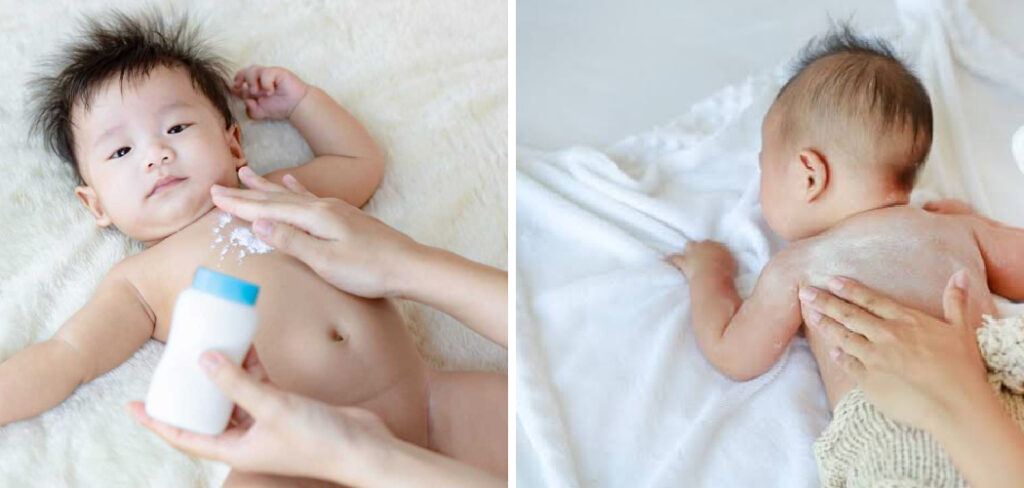
The good news is that applying baby powder safely is easy once you know a few key steps. The most important part isn’t the powder itself — it’s how you handle it to keep the dust away from your baby’s face. This guide walks you through how to apply baby powder the right way, with step-by-step instructions, age-specific tips, common mistakes to skip, and clear signs that things are going well.
Why This Matters for New Parents
Baby powder is meant to keep skin dry and comfortable, especially in the folds where moisture builds up. When skin stays damp, it can chafe and lead to irritation or diaper rash. A light dusting of powder can help soak up that extra wetness.
Here’s the key concern: The biggest risk with baby powder isn’t the powder touching the skin — it’s your baby breathing it in. Loose powder can float into the air as a fine cloud, and tiny lungs are sensitive to those airborne particles.
That’s why how you apply baby powder matters far more than whether you use it at all. With the right technique, you keep the dust low and away from your baby’s face. Done carefully, powder can be a gentle addition to your routine.
It’s also worth knowing that powder is optional. Many parents skip it entirely and rely on thorough drying and barrier creams instead. If you do choose to use it, a little care goes a long way.
What You’ll Need
A bit of prep keeps each application quick and calm. Gather these items before you start so you’re not reaching around with a powdery hand.
- Cornstarch-based baby powder: Many parents and pediatricians prefer cornstarch over talc-based powders. Check the label to see which type you have.
- A clean, dry baby: Powder works on dry skin only, so finish drying first.
- A changing area: A flat, safe surface like a changing table or a mat on the floor.
- A diaper and wipes: Have the next diaper ready so the process flows smoothly.
- A small bowl or your own hand: A spot to shake the powder into, away from your baby’s face.
One quick note: Choose a powder made specifically for babies, and avoid scented adult products. Baby formulas are made to be gentle on delicate skin.
How to Apply Baby Powder: 6 Step-by-Step Guide
Follow these steps in order. The whole process takes under a minute once you find your rhythm.
Step 1: Make Sure Your Baby Is Clean and Dry
Powder only does its job on dry skin. Gently pat your baby dry after a bath or diaper change, paying attention to the folds at the thighs, neck, and bottom.
Tip: Damp skin plus powder can turn into a pasty buildup in the creases, which traps moisture instead of absorbing it. Drying first prevents this.
Step 2: Move the Powder Away From Your Baby’s Face
This is the most important step. Turn your face and your baby’s face away from the bottle before you open or shake it.
Tip: Keep the powder bottle low, near the changing surface, not up near chest or head height. This keeps any dust cloud far from your baby’s nose and mouth.
Step 3: Shake Powder Into Your Hand First
Never shake powder directly onto your baby. Instead, sprinkle a small amount into your own hand or a small bowl, well away from your baby’s face.
Tip: Shaking into your hand gives you control over the amount and stops a puff of dust from drifting up. A light dusting is all you need.
Step 4: Apply Gently With Your Hand
Rub the powder lightly between your fingers, then smooth a thin layer onto your baby’s skin. Focus on the areas that stay damp, like the diaper region and skin folds.
Tip: Less is more. A thin, even layer absorbs moisture better than a thick coating, which can cake up and cause irritation.
Step 5: Smooth Into the Folds
Use your fingertips to gently work the powder into the creases at the thighs and bottom. These are the spots where moisture and chafing tend to build.
Tip: Don’t pour powder directly into deep folds. Apply it to your hand first, then press it gently where it’s needed.
Step 6: Diaper Up and Clean the Area
Once the powder is applied, put on a fresh diaper and dress your baby. Wipe down any powder that settled on the changing surface.
Tip: A quick wipe of the area keeps loose dust from being stirred up the next time you’re nearby.
Age-Specific Advice
Your baby’s needs and sensitivities shift as they grow. Here’s how to adjust at each stage.
Newborns (0–1 Month)
Newborn lungs and skin are especially delicate, so many pediatricians suggest skipping powder altogether at this age. Thorough drying and a barrier cream often work just as well.
Best approach: If you do use powder, keep the amount very small and your technique extra careful. When in doubt, ask your pediatrician what they recommend for newborns.
1–3 Months
Your baby is still very sensitive to airborne dust, so the shake-into-your-hand method matters more than ever. Babies this age can’t move away from a powder cloud on their own.
Tip: Apply powder only when needed, such as during a diaper change in a warm, humid stretch. There’s no need to powder at every change.
3–6 Months
Babies start rolling and grabbing now, which means the powder bottle becomes a tempting target. Keep it out of reach during and after application.
Tip: Apply quickly and cap the bottle right away. A curious baby can grab and shake an open bottle in a second.
6+ Months and Beyond
Older babies are mobile and fast, so storage becomes your main focus. Keep powder somewhere your baby can’t pull it down or get into.
Tip: Continue using only a light dusting. As your baby crawls and explores, you’ll likely find you need powder less often than you did early on.
Common Mistakes to Avoid
A few easy slip-ups catch many parents off guard. Knowing them ahead of time keeps every application safe and simple.
Shaking powder directly onto your baby. This sends a cloud of dust into the air right near your baby’s face. Shake into your hand first, every time.
Using too much. A thick layer can clump in the folds and trap moisture instead of absorbing it. A thin, even dusting works better and feels more comfortable.
Applying to damp skin. Powder on wet skin turns pasty and can irritate the creases. Always dry your baby thoroughly first.
Powdering near your baby’s face or chest. The closer the powder is to the nose and mouth, the more your baby may breathe in. Keep the bottle and your hands low.
Leaving the bottle within reach. An open bottle is a grab-and-shake hazard for an older baby. Cap it and store it away as soon as you’re done.
Safety Tips
Baby powder can be used safely, but the airborne dust is the main thing to manage. These steady habits keep every application low-risk.
- Keep powder away from the face: This is the single most important rule. Turn faces away and keep the bottle low.
- Shake into your hand, not onto your baby: This controls the amount and reduces the dust cloud.
- Use a small amount: A light layer does the job without filling the air with particles.
- Choose cornstarch-based formulas: Many parents prefer these, and they’re widely recommended for babies.
- Store the bottle out of reach: Keep it closed and away from curious hands.
- Avoid using powder on broken or irritated skin: Powder can worsen open or raw areas. Use a barrier cream there instead, and check with your doctor if irritation persists.
If your baby coughs or seems bothered by airborne dust, pause and let the air clear. Moving the application away from the face usually solves it.
Signs You’re Doing It Right
Wondering whether your technique is on track? These signs offer reassurance.
Your baby’s skin stays dry and smooth. Less moisture in the folds means the powder is doing its job.
No clumps in the creases. A thin, even layer that blends into the skin shows you’re using the right amount.
No dust cloud in the air. If you barely see any powder floating, your low-and-into-the-hand technique is working well.
Calm, comfortable skin. No new redness, chafing, or irritation suggests the powder suits your baby’s skin.
If most of these ring true, you’re handling this beautifully. Like so much of early parenthood, it gets easier with practice.
When to Call a Doctor
Powder is gentle for most babies, but a few signs mean it’s worth reaching out. Trust your instincts — you know your baby best.
Call your doctor if you notice:
- A rash that gets worse or won’t clear: Redness, bumps, or raw skin that doesn’t improve may need a different approach.
- Coughing, wheezing, or breathing trouble after powder use: If your baby seems to struggle to breathe, stop using powder and seek help right away.
- Skin that looks irritated or broken where you applied powder: This may need a cream or treatment instead.
- Signs of an allergic reaction: Swelling, hives, or unusual fussiness after application warrants a call.
When in doubt, reach out. Doctors and nurses would always rather you ask than wait and worry alone.
Frequently Asked Questions
Do I even need to use baby powder?
No. Powder is entirely optional. Many parents rely on thorough drying and a barrier cream to prevent moisture and rash. If you like the feel of powder, a careful light dusting is fine.
Is cornstarch or talc powder better for babies?
Many parents and pediatricians prefer cornstarch-based powders. Whichever you choose, the safest practice is the same: keep it away from your baby’s face and use a small amount.
How often should I apply baby powder?
Only as needed, usually during diaper changes in warm or humid conditions. There’s no need to powder at every single change. Let your baby’s skin guide you.
Can baby powder help with diaper rash?
Powder can help keep the area dry, which supports healthy skin. For active rash, though, a barrier cream is usually more effective. If rash persists, check with your doctor.
What’s the safest way to keep powder out of the air?
Shake the powder into your hand first, keep the bottle low and away from your baby’s face, and apply with your fingers. This keeps the dust cloud to a minimum.
Final Thoughts on How to Apply Baby Powder
Learning how to apply baby powder comes down to one simple habit: keep the dust low and away from your baby’s face. Dry your baby first, shake a small amount into your hand, and smooth a thin layer into the folds. Cap the bottle and store it safely when you’re done.
The technique may feel fussy the first time, and that’s completely normal. Within a few changes, the low-and-into-the-hand method becomes second nature, and the whole thing takes seconds.
Whether you use powder daily or skip it entirely, you’re already doing the most important thing — paying attention to your baby’s comfort. Take it one calm change at a time, lean on your pediatrician with any questions, and trust that you’ve got this.

About
Joann Meril didn’t plan on becoming a parenting writer — it found her. After spending several years working as a certified nursing assistant in a pediatric clinic, Joann saw firsthand how anxious and under-informed new parents could feel, even with a hospital full of resources around them. When she had her own two children, that gap became personal. Suddenly she was the one googling things at 2 a.m., comparing baby monitors, and wondering if the swaddle she bought was actually safe.
That experience is what shaped her approach to writing. Joann believes parenting advice should be practical, honest, and free of unnecessary jargon or guilt. She tests products herself whenever possible, reads the actual safety standards instead of just the marketing copy, and isn’t afraid to say when something isn’t worth the money.
Today, Joann writes full-time, covering everything from newborn sleep routines to gear reviews to the small everyday wins that make parenting feel a little less overwhelming. When she’s not researching or writing, she’s usually chasing her own kids around the backyard or drinking coffee that’s gone cold for the third time that morning.
Joann lives in [City/State] with her husband and two children.
Credibility
- Background in pediatric caregiving (CNA)
- Mom of two, hands-on parenting experience
- Hand-tests baby gear before recommending it
- Focus: infant sleep, feeding, gear safety, early development