
Your baby is snuffly, fussy, and can’t seem to settle. That little congested nose makes feeding harder and sleep shorter — for both of you. The good news is that you can help, and you don’t need to be a nurse to do it.
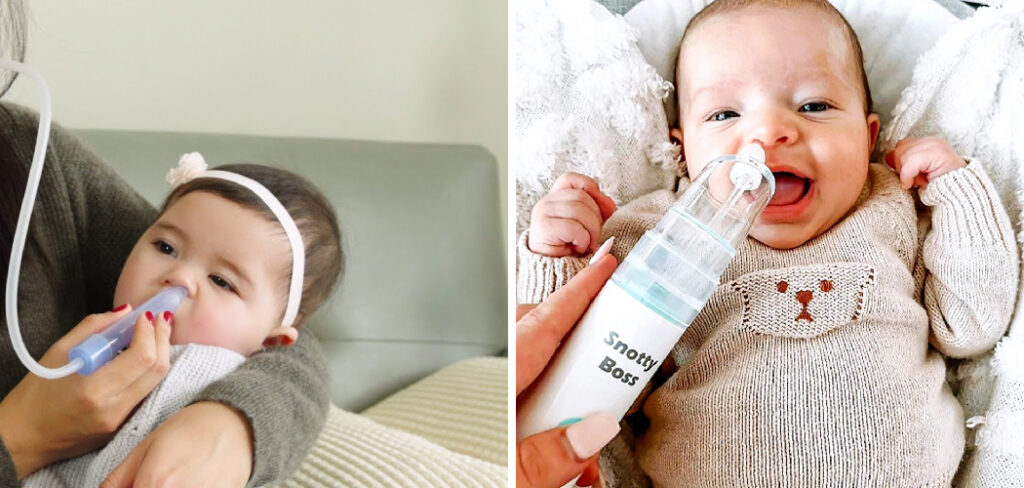
A baby nasal aspirator is a simple tool that clears mucus from your baby’s nose. Babies can’t blow their noses yet, so they rely on you. This guide walks you through exactly how to use a baby nasal aspirator, which type to choose, how to do it safely, and when it’s time to call the doctor.
Why This Matters for New Parents
Babies breathe mostly through their noses, especially in the early months. When that nose is blocked, everything gets harder — feeding, sleeping, and staying calm. Clearing it can bring quick relief.
If the idea of putting anything near your baby’s nose makes you nervous, that’s normal. Plenty of parents worry they’ll hurt their little one or do it wrong. The truth is that nasal aspirators are designed to be gentle, and with a little practice, you’ll feel confident fast.
Here’s the reassuring part: clearing a stuffy nose is one of the most helpful things you can do during a cold. It won’t cure the cold, but it makes your baby more comfortable while their body fights it off.
What You’ll Need
You don’t need much to do this well. A few simple items make the whole process easier and gentler.
- A nasal aspirator: Choose one that fits your comfort level (more on types below).
- Saline drops or spray: Salt-water drops that loosen thick mucus so it comes out more easily.
- A clean, soft tissue or cloth: For wiping the nose and your hands.
- A warm towel or burp cloth: To support your baby and catch drips.
- Warm soapy water: For cleaning the aspirator afterward.
The Three Main Types of Aspirators
There’s no single “best” one — it depends on what feels right to you.
- Bulb syringe: A rubber bulb you squeeze and release. It’s cheap, common, and often given to you at the hospital.
- Oral suction aspirator: A tube you suck on while a filter keeps mucus away from your mouth. It gives you more control, and many parents find it more effective.
- Electric aspirator: A battery-powered device that does the suction for you. It’s the priciest option but the easiest to use one-handed.
8 Step-by-Step Guide: How to Use a Baby Nasal Aspirator
Take it slow the first few times. Your baby may wiggle or fuss, and that’s okay — it doesn’t mean you’re hurting them.
- Wash your hands. Clean hands keep germs away from your baby’s nose. Give the aspirator a quick check to make sure it’s clean and dry.
- Position your baby. Lay your baby on their back or hold them slightly reclined. Tip: A second pair of hands helps, but you can do this solo by gently cradling the head.
- Add saline drops. Put 2–3 saline drops in one nostril and wait about 10–15 seconds. This softens the mucus so it lifts out more easily. Tip: Saline alone sometimes triggers a sneeze that does the work for you.
- Prepare the aspirator. If you’re using a bulb syringe, squeeze the air out before placing it in the nose. For oral or electric types, just have it ready.
- Gently suction one nostril. Place the tip just inside the nostril — not deep — and create suction. For a bulb, slowly release your squeeze. For oral, give a steady, gentle suck. Tip: Aim toward the back of the nose, not straight up.
- Clean the tip and repeat. Wipe the mucus onto a tissue, then do the other nostril. You can repeat once or twice per side if needed.
- Comfort your baby. Wipe their nose, offer a cuddle, and praise yourself too. You just did something genuinely helpful.
- Clean the aspirator. Wash it with warm soapy water and let it air-dry fully. Trapped moisture can grow mold, so drying matters.
Age-Specific Advice
Your approach shifts a little as your baby grows. The basics stay the same, but the details change.
Newborns (0–4 weeks)
Newborns are tiny, and their nasal passages are even tinier. Use the gentlest suction possible and the soft-tipped end of your aspirator. Saline drops are your best friend here — they often loosen enough mucus that you barely need suction at all.
1–3 Months
Babies this age still breathe mainly through their nose, so clearing it before feeds and naps helps a lot. They may squirm more now, so swaddling the arms can keep things calm. Stick to once or twice per session to avoid irritating the nose.
3–6 Months
Your baby is stronger and may actively resist. Distraction works wonders — a toy, a song, or a familiar face nearby. You’ll likely notice colds appear more often as they explore the world with their hands and mouth.
6+ Months
Older babies wriggle, twist, and protest. Try doing it quickly and confidently rather than slowly. Many parents find an electric aspirator easiest at this stage because it frees up a hand to hold a busy baby.
Common Mistakes to Avoid
A few small missteps can make the process less effective or more uncomfortable. Here’s what to watch for.
- Inserting the tip too deep. This can irritate the delicate nasal lining. Keep the tip just at the opening of the nostril.
- Suctioning too often. More than a few times a day can dry out and irritate the nose. Stick to before feeds and sleep, plus when clearly needed.
- Skipping the saline. Dry mucus is stubborn. A few drops first makes everything gentler and far more effective.
- Forgetting to clean the aspirator. Mucus left inside can grow bacteria or mold. Wash and fully dry it after each use.
- Pressing on too hard. Forceful suction won’t clear more — it just upsets your baby. Gentle and steady wins.
Safety Tips
Using a nasal aspirator is safe when you keep a few simple habits in mind.
- Be gentle every time. Soft suction protects the thin tissue inside the nose.
- Use saline made for babies. Avoid medicated nasal sprays unless your doctor recommends them.
- Watch the depth. The tip belongs at the nostril opening, never pushed inside.
- Clean and dry thoroughly. This prevents germs from building up in the tool.
- Stop if there’s bleeding. A tiny streak can happen from dryness, but stop suctioning and check in with your doctor if it continues.
These steps aren’t about fear — they’re just good habits that keep the process smooth and comfortable.
Signs You’re Doing It Right
It’s easy to second-guess yourself, so here are the signs things are going well.
- Your baby breathes more easily after you finish.
- Feeding gets smoother because they can breathe and suck at the same time.
- You see mucus come out into the aspirator or onto the tissue.
- Your baby settles and seems more comfortable within a few minutes.
- No bleeding or lasting redness appears around the nose.
If you’re seeing even a couple of these, you’re doing a great job. Some sessions clear a lot, and others clear a little — both are perfectly normal.
When to Call a Doctor
Most stuffy noses clear up on their own with a little help. But some signs mean it’s time to check in with your pediatrician.
Call your doctor if your baby:
- Struggles to breathe — flaring nostrils, ribs pulling in with each breath, or grunting.
- Has a fever, especially under 3 months of age (any fever in a newborn warrants a call).
- Refuses to feed or shows signs of dehydration like fewer wet diapers.
- Has thick green or bloody mucus that doesn’t improve.
- Stays congested for more than 10–14 days or seems to be getting worse.
Trust your gut here. You know your baby best, and there’s no harm in calling when something feels off.
Frequently Asked Questions
How often can I use a baby nasal aspirator?
A few times a day is fine — typically before feeds and sleep, plus when your baby seems blocked. Avoid overusing it, since too much suction can dry out and irritate the nose.
Do I need to use saline drops every time?
Not always, but they help a lot with thick or dry mucus. For light congestion, a quick suction alone may do the trick. When in doubt, a few saline drops never hurt.
Which type of aspirator is best?
There’s no single best choice — it comes down to your comfort. Bulb syringes are simple and cheap, oral aspirators give more control, and electric ones are easiest to use one-handed.
Can I hurt my baby with a nasal aspirator?
When used gently and at the nostril opening, it’s very safe. Problems usually come from inserting the tip too deep or suctioning too hard, both of which are easy to avoid.
Why does my baby cry during suctioning?
Crying is usually about the strange sensation, not pain. Many babies fuss simply because they don’t like being held still. A quick cuddle afterward settles most of them right away.
Final Thoughts
Learning how to use a baby nasal aspirator is one of those small skills that makes a big difference. A clear nose means easier feeding, better sleep, and a calmer baby — which means a calmer you, too.
You don’t have to be perfect at this. With a little saline, a gentle touch, and a few practice runs, you’ll handle a stuffy nose like a pro. Your baby is lucky to have someone who cares enough to learn — and that someone is you. You’ve got this.

About
Joann Meril didn’t plan on becoming a parenting writer — it found her. After spending several years working as a certified nursing assistant in a pediatric clinic, Joann saw firsthand how anxious and under-informed new parents could feel, even with a hospital full of resources around them. When she had her own two children, that gap became personal. Suddenly she was the one googling things at 2 a.m., comparing baby monitors, and wondering if the swaddle she bought was actually safe.
That experience is what shaped her approach to writing. Joann believes parenting advice should be practical, honest, and free of unnecessary jargon or guilt. She tests products herself whenever possible, reads the actual safety standards instead of just the marketing copy, and isn’t afraid to say when something isn’t worth the money.
Today, Joann writes full-time, covering everything from newborn sleep routines to gear reviews to the small everyday wins that make parenting feel a little less overwhelming. When she’s not researching or writing, she’s usually chasing her own kids around the backyard or drinking coffee that’s gone cold for the third time that morning.
Joann lives in [City/State] with her husband and two children.
Credibility
- Background in pediatric caregiving (CNA)
- Mom of two, hands-on parenting experience
- Hand-tests baby gear before recommending it
- Focus: infant sleep, feeding, gear safety, early development