

You picked up your baby, checked the diaper, offered a feeding, and still the crying continues. If you have ever found yourself searching “how to make a baby cry less, you are not alone. Most new parents reach a moment where the tears feel endless and a little mysterious.
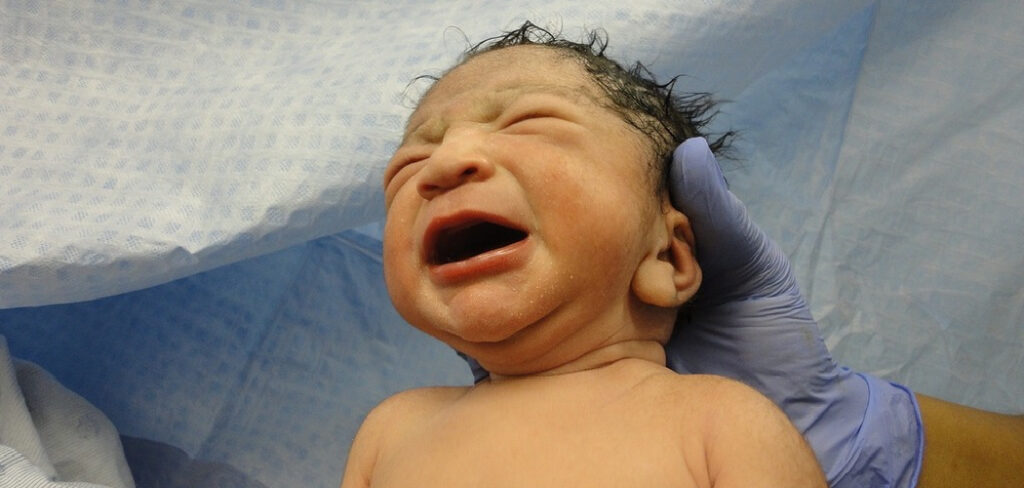
Here is the good news: crying is normal, and you can learn to read and respond to it. This article walks you through why babies cry, how to soothe them step by step, what to expect at different ages, and when crying signals something that needs a doctor.
Why This Matters for New Parents
Crying is your baby’s first language. It is the only way a newborn can tell you something is wrong, uncomfortable, or simply too much.
That fact is worth holding onto when you feel frazzled. Your baby is not crying to upset you, and tears do not mean you are doing a bad job. Even healthy babies can cry for several hours a day, especially in those early weeks.
Crying tends to follow a pattern, too. It often picks up around 2 weeks of age, peaks near 2 months, and may continue to climb until 4 or 5 months. Many babies cry more in the evening for no obvious reason.
Knowing this helps you stay calm. When you understand that crying is expected, you can focus your energy on responding rather than worrying that you have failed.
One more thing to settle right now: you cannot spoil a baby by comforting them. Responding to cries with closeness builds trust and tells your baby their needs will be met.
5 Step-by-Step Guide: How to Identify and Respond to Crying
Before you try a dozen soothing tricks, start with the basics. Often a baby’s cry is a straightforward request, and a quick check solves it.
Step 1: Run the basic checklist. Work through your baby’s physical needs first:
- Are they hungry or thirsty?
- Do they need to be burped?
- Are they too hot or too cold?
- Is their diaper wet or dirty?
If one of these is the culprit, you may not need anything else. Feed, change, or adjust their clothing and see if the crying eases.
Step 2: Check for signs of illness. If the checklist comes up empty and your baby keeps crying, look for a fever or signs they feel unwell. Trust your gut here — if the cry sounds different or your baby seems “off,” that is worth paying attention to.
Step 3: Try the CALM Baby progression. Once you have ruled out hunger, a dirty diaper, and illness, move through calming techniques gently, starting with less and adding more only as needed:
- Look at your baby and let them see your eyes.
- Talk to them softly while keeping eye contact.
- Place a hand on their belly or chest.
- Gently bring their arms in toward their body, or curl their legs up.
- Roll them onto their side while they are awake.
- Pick them up and hold them at your shoulder.
- Hold and rock them.
- Swaddle them snugly, then rock.
- Offer a pacifier, or help their hand reach their mouth.
- Feed them if you think it will help.
The order matters. You are doing the least at the start and the most at the end, which gives your baby the chance to settle with gentle help rather than a flood of input.
Step 4: Give each technique time. This is where many parents rush. Try one strategy — one or two sensory inputs — for about 5 minutes before switching to the next. It feels long, but your baby needs that time to process the sensation and calm down. Sometimes the crying even escalates briefly before it eases.
Step 5: Add other soothing tools. Beyond the progression, these often help:
- Rhythmic motion: Stand and gently bounce by bending your knees, or rock and walk. It can mimic the feeling of the womb.
- White noise: A fan, a white-noise machine, or even a running vacuum or clothes dryer can be calming.
- Swaddling: A snug (not tight) blanket gives a sense of security.
- A stroller or car ride: The steady movement settles many babies. Just remember car seats are for travel, not routine sleep.
- Touch and sound: Lightly rub their back, sing, or talk in a low, soothing voice.
What works one day may not work the next. That is normal. If a strategy works some of the time, lead with it next time and give it a fair try.
Age-Specific Advice
Your baby’s cries change as they grow, so your response should change too. Here is what to expect at each stage.
Newborn (0–1 month)
Newborns cry to communicate basic needs: hunger, a dirty diaper, tiredness, or feeling cold. Swaddling, gentle rocking, and skin-to-skin contact are your best friends now.
Keep stimulation low. A newborn’s nervous system is still adjusting to lights, sounds, and the world, so a quiet, calm environment often soothes faster than busy activity.
1–3 Months
This is often the peak crying window. Evening fussiness is common, and some babies cry hard with no clear cause.
Lean on consistency. Use the same calming routine each time so your baby starts to recognize and respond to it. White noise and motion tend to work well here.
3–6 Months
Crying usually starts to ease as your baby learns to self-soothe. Their nervous system is maturing, which means they can handle more and settle a little easier.
Your baby also becomes more interested in the world. A change of scenery, an interesting toy, or facing outward while you hold them can distract from low-level fussing.
6+ Months
Older babies cry for new reasons: teething, frustration, separation, or boredom. The soothing tools you relied on early may stop working as your baby grows heavier and more aware.
Be willing to adapt. A swing your baby has outgrown or a bouncing trick that is now hard on your back may need to be swapped for safer, age-appropriate comfort.
Common Mistakes to Avoid
Even loving, attentive parents fall into a few common traps. Here are the ones worth watching for.
Trying too many techniques at once. When nothing works, the instinct is to rock, walk, pat, sing, and hand the baby off all in quick succession. The problem: this floods an already overwhelmed baby with input and can make crying worse. Pick one strategy and give it five minutes.
Adding more stimulation, not less. A fussy baby is often overstimulated. Try dialing things down instead — talk more quietly, move more slowly, soften your facial expressions.
Switching strategies too fast. Giving up on a technique after 30 seconds doesn’t give your baby time to respond. Slow down and let each approach work.
Assuming you’ve failed. When you can’t stop the crying, it’s easy to feel like a bad parent. You’re not. Some crying simply has no quick fix, and your worth is not measured by how fast you can quiet your baby.
Using risky soothing tricks. Some intense moves — like bouncing on a gym ball with your baby — carry a real fall risk and can be too much for a baby whose head control isn’t strong yet. Choose gentler options.
Safety Tips
Most of caring for a crying baby is gentle and intuitive. But a few safety rules are non-negotiable, and they matter most in the moments you feel pushed to your limit.
Never shake your baby. Shaking can cause abusive head trauma (also called shaken baby syndrome) — serious, sometimes fatal head injury. A baby’s brain is fragile and their neck muscles are weak, so shaking makes the head whip back and forth and damages the brain. There is no safe amount of shaking.
It is always okay to put your baby down. If you feel your frustration rising, place your baby in a safe spot like their crib, walk away, and take a few minutes to breathe. Stepping away is responsible parenting, not weakness.
Calm yourself before returning. A few quick resets:
- Take slow, counted deep breaths.
- Call a trusted friend or family member.
- Step outside for a moment of fresh air.
- Ask someone you trust to take over for a bit.
Swaddle safely. Keep swaddles snug but not too tight, and never put your baby down to sleep anywhere unsafe. Crying will not hurt your baby, but an unsafe setting can.
Signs You’re Doing It Right
Wondering if your efforts are working? The signs are often quieter than you’d expect.
- Your baby calms more quickly over time. With a consistent routine, many babies settle faster as they get used to it.
- They respond to your voice and touch. Eye contact, softening, or relaxing in your arms are all good signs.
- They eat, grow, and gain weight normally. Steady growth tells you the crying is part of normal development, not a deeper problem.
- You’re building trust. Each time you respond with comfort, you teach your baby their needs will be met — the foundation of healthy emotional development.
You won’t soothe every cry instantly, and that’s okay. Showing up consistently matters far more than getting it perfect.
When to Call a Doctor
Most crying is normal. But certain signs mean you should check in with your child’s healthcare provider rather than wait it out.
Call your doctor if your baby:
- Has a fever of 100.4°F (38°C) or higher.
- Has a strange-sounding or unusually high-pitched cry.
- Is vomiting or has loose stools (diarrhea).
- Won’t feed, sucks poorly, or drinks less than usual.
- Becomes more irritable when held or touched.
- Has changed breathing or seems to work harder to breathe.
- Is more sleepy or sluggish than normal.
Crying for more than 3 hours a day, more than 3 days a week, for more than 3 weeks may point to colic — long stretches of crying in an otherwise healthy baby. Colic is common and usually fades by 3 to 4 months, but it’s still worth a conversation with your provider to rule out other causes.
Above all, trust your instincts. If something feels wrong, seek medical advice — you know your baby.
Frequently Asked Questions
Why does my baby cry for no reason?
Sometimes there genuinely is no clear cause. Babies may cry to release stress, especially in the evening. If you’ve checked hunger, diaper, and comfort and your baby seems healthy, it’s okay to let them cry a little while you stay nearby.
Can I spoil my baby by picking them up too much?
No. You cannot spoil a newborn with comfort. Holding and responding to your baby builds trust and supports healthy emotional development.
How long should I let my baby cry?
There’s no fixed rule. Respond to your baby’s cries, and if you’re trying a soothing technique, give it about 5 minutes before switching. If you ever feel overwhelmed, it’s fine to put your baby down safely and take a short break.
Is it normal for crying to get worse before it gets better?
Yes. Crying often increases around 2 weeks, peaks near 2 months, and may keep climbing until 4 or 5 months before easing. A brief escalation when you start soothing is also common.
What if nothing I do calms my baby?
Some days, no technique works, and that’s not a reflection of your parenting. Make sure your baby is safe, take a breather, and ask for help when you need it. If the crying feels extreme or different, check in with your doctor.
Conclusion
So, what’s the real answer to “how to make a baby cry” less? It’s less about a single trick and more about learning your baby, responding with patience, and giving each calming step time to work. Crying is normal, expected, and temporary — and the crying will stop eventually.
Be gentle with yourself on the hard days. You’re learning your baby’s language one cry at a time, and that takes practice for both of you. Trust your instincts, lean on your support system, and remember: showing up with love and patience is exactly what your little one needs.

About
Joann Meril didn’t plan on becoming a parenting writer — it found her. After spending several years working as a certified nursing assistant in a pediatric clinic, Joann saw firsthand how anxious and under-informed new parents could feel, even with a hospital full of resources around them. When she had her own two children, that gap became personal. Suddenly she was the one googling things at 2 a.m., comparing baby monitors, and wondering if the swaddle she bought was actually safe.
That experience is what shaped her approach to writing. Joann believes parenting advice should be practical, honest, and free of unnecessary jargon or guilt. She tests products herself whenever possible, reads the actual safety standards instead of just the marketing copy, and isn’t afraid to say when something isn’t worth the money.
Today, Joann writes full-time, covering everything from newborn sleep routines to gear reviews to the small everyday wins that make parenting feel a little less overwhelming. When she’s not researching or writing, she’s usually chasing her own kids around the backyard or drinking coffee that’s gone cold for the third time that morning.
Joann lives in [City/State] with her husband and two children.
Credibility
- Background in pediatric caregiving (CNA)
- Mom of two, hands-on parenting experience
- Hand-tests baby gear before recommending it
- Focus: infant sleep, feeding, gear safety, early development