
Few sounds make a parent’s heart sink faster than a baby struggling to breathe through a stuffy, wheezy chest. When your doctor suggests a nebulizer, you might feel relieved and nervous at the same time — relieved there’s help, nervous about how to actually use the thing. If you’ve got a Frida Baby nebulizer sitting on your counter, you’re in good hands.
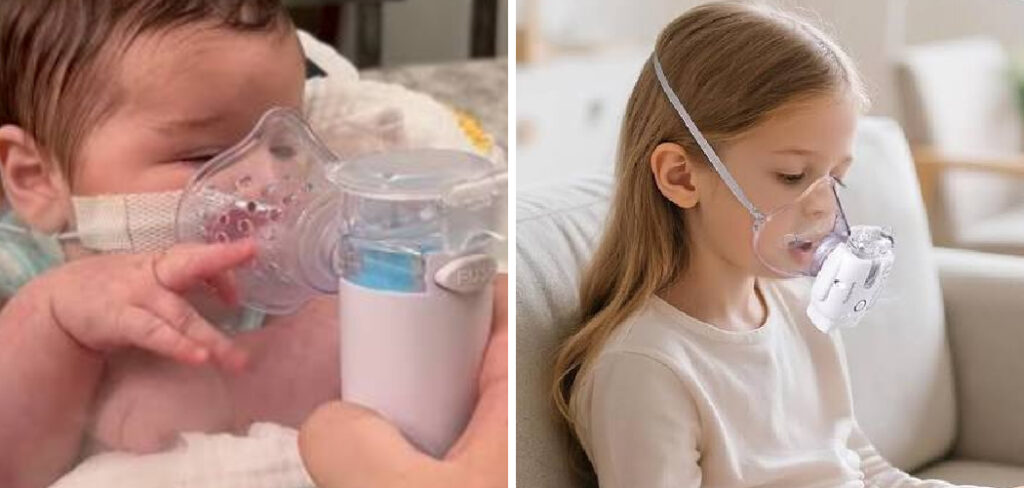
A nebulizer turns liquid medicine into a fine mist your baby can breathe in. That mist reaches the lungs directly, which is exactly what your little one needs when their airways are tight or congested. This guide walks you through how to use the Frida Baby nebulizer step by step, with age-specific tips, common mistakes to skip, and clear signs that tell you when to call your doctor.
Why This Matters for New Parents
Breathing problems feel scary because breathing isn’t optional. When your baby is congested or wheezy, getting medicine into their lungs quickly can make a real difference in how they feel.
Here’s the core idea: A nebulizer delivers medicine as a breathable mist instead of a pill or syrup. For babies, who can’t swallow pills and may fight a dropper, breathing in a mist is often the gentlest way to get treatment where it’s needed.
You might worry that the machine looks complicated or that the mask will upset your baby. Both concerns are normal. The good news is that the Frida Baby nebulizer is designed with babies in mind — the mask is small and soft, and the routine becomes second nature after a session or two.
It’s also worth saying plainly: a nebulizer only delivers the medicine your doctor prescribes. The device itself doesn’t treat anything. Your job is simply to set it up correctly and help your baby breathe the mist for a few minutes.
What You’ll Need
A little prep makes each session smoother and shorter. Gather these items before you start so you’re not searching mid-treatment with a fussy baby on your lap.
- Your Frida Baby nebulizer unit: The main machine that powers the mist.
- The medicine cup: The small chamber where you pour the prescribed liquid.
- The mask or mouthpiece: Babies almost always use the soft mask rather than a mouthpiece.
- The tubing: The thin tube that connects the machine to the medicine cup.
- Your prescribed medication: Exactly the type and dose your doctor ordered.
- A power source: A wall outlet, or a charged battery if your model is portable.
- A comfortable spot: A chair, your lap, or a propped-up cushion where your baby can sit semi-upright.
- A distraction: A favorite toy, a song, or a screen to keep your baby calm.
One quick note: Only ever put the medicine your doctor prescribed into the cup. Never add anything extra, and never guess at a dose.
8 Step-by-Step Guide: How to Use the Frida Baby Nebulizer
Follow these steps in order. The first time may feel slow, but you’ll find your rhythm quickly.
Step 1: Wash Your Hands
Clean hands keep germs out of the medicine and away from the mask. Give them a good wash with soap and water before you touch any of the parts.
Tip: Do this every single time, even when you’re in a rush. It takes ten seconds and protects your baby’s lungs.
Step 2: Set Up the Machine
Place the nebulizer on a flat, stable surface near an outlet. Connect one end of the tubing to the machine’s air port.
Tip: Keep the unit on a hard surface like a table rather than a soft couch, so the air vents stay clear and the machine doesn’t overheat.
Step 3: Add the Medicine
Open the medicine cup and pour in the exact dose your doctor prescribed. Close the cup tightly so nothing spills.
Tip: If your medicine comes in a pre-measured vial, simply empty the whole vial in. If you’re measuring yourself, double-check the amount against your doctor’s instructions.
Step 4: Connect the Mask
Attach the medicine cup to the mask, then connect the free end of the tubing to the cup. Everything should fit snugly with no loose pieces.
Tip: Give the connections a gentle tug to make sure they’re secure. A loose fit means less mist reaches your baby.
Step 5: Get Your Baby Comfortable
Hold your baby in a semi-upright position, either on your lap or propped against a cushion. An upright posture helps the medicine reach the lungs more easily than lying flat.
Tip: Wrap a younger baby loosely in a blanket if they tend to swat at the mask. Many parents find this keeps little hands busy and the baby calmer.
Step 6: Turn It On and Position the Mask
Switch on the machine — you’ll hear a soft hum and see the mist begin. Hold the mask gently over your baby’s nose and mouth.
Tip: A snug-but-soft fit works best. If your baby hates having the mask touch their face, hold it about half an inch away. Even nearby mist still works, just a touch more slowly.
Step 7: Stay Through the Session
Keep your baby calm and the mask in place for the full treatment time, usually around 5 to 10 minutes. The session is done when the mist stops or the cup is empty.
Tip: Sing, read, or play a video to pass the time. Tapping the medicine cup lightly near the end helps the last drops turn to mist.
Step 8: Clean the Parts
After each use, take apart the mask, cup, and tubing. Rinse the mask and cup with warm water, then let them air-dry on a clean towel.
Tip: Don’t rinse the tubing — moisture inside it can cause problems. Follow the manufacturer’s cleaning schedule for a deeper weekly wash.
Age-Specific Advice
Your baby’s size, patience, and ability to cooperate change as they grow. Here’s how to adjust at each stage.
Newborns (0–1 Month)
Newborns can’t hold still or understand what’s happening, so they may startle at the mask and mist. Stay calm — your steadiness helps them settle.
Best approach: Hold your newborn close and snug, and consider doing treatments during a drowsy or sleepy moment. The soft mask is designed to fit tiny faces.
1–3 Months
Your baby is a bit more alert now and may track the mist with their eyes. They still can’t cooperate, so gentle holding is key.
Tip: Try treatments after a feed when your baby is content. A full, sleepy baby is far more likely to sit through a session.
3–6 Months
Babies this age get grabby and curious, which means they may pull at the mask or tubing. Distraction becomes your best friend.
Tip: Hand your baby a toy to hold, or use a song or video to keep their attention while you manage the mask.
6+ Months and Beyond
Older babies are stronger and more opinionated, and may actively resist the mask. Turning the session into a familiar routine helps a lot.
Tip: Let your baby touch the mask (while off) so it feels less strange. Some parents make a game of “breathing the dragon smoke” once their child is old enough to play along.
Common Mistakes to Avoid
A few easy missteps trip up many parents. Knowing them ahead of time saves you stress.
Skipping the cleaning routine. A dirty mask or cup can harbor germs that go straight to your baby’s lungs. Rinse and air-dry the parts after each use.
Laying your baby flat during treatment. Lying down makes it harder for the mist to reach the airways. Keep your baby semi-upright instead.
Rushing or cutting the session short. Stopping early means your baby gets less than the full dose. Aim to finish the whole treatment, even if it takes patience.
Guessing at the dose or medicine. Only ever use the exact medication and amount your doctor prescribed. Never add or substitute anything.
Holding the mask too far away the whole time. A little distance is fine for a fussy baby, but a large gap wastes most of the mist. Get the mask as close as your baby will tolerate.
Safety Tips
The Frida Baby nebulizer is built to be gentle, but a few steady habits keep every session safe.
- Use only prescribed medicine: Never put anything in the cup that your doctor didn’t order.
- Keep the machine on a stable surface: This prevents tipping and keeps the air vents clear.
- Watch the cords and small parts: Keep tubing and pieces away from your baby’s reach to avoid tangling or choking.
- Don’t leave your baby unattended: Stay with your little one for the entire treatment.
- Clean parts regularly: Follow the cleaning schedule to keep germs out of the mist.
- Store it safely: Once your baby is older and grabby, keep the unit somewhere they can’t pull it down.
If anything seems off — a strange smell, no mist, or a loose connection — stop and check the setup before continuing. A few extra seconds of care are always worth it.
Signs You’re Doing It Right
Wondering if the treatment is going well? These signs offer reassurance.
You see a steady mist. A consistent stream of fine mist means the machine and connections are working as they should.
Your baby breathes more easily afterward. Less wheezing, a clearer nose, or calmer breathing suggests the medicine is doing its job.
Your baby tolerates the mask. Over a few sessions, most babies fuss less and settle more quickly. That growing comfort is a good sign.
The routine feels faster each time. As your confidence builds, setup and cleanup take less time and far less worry.
If most of these ring true, you’re handling this beautifully. Like so much of early parenthood, it gets easier with practice.
When to Call a Doctor
A nebulizer helps manage symptoms, but some signs mean your baby needs medical attention right away. Trust your instincts — you know your baby best.
Call your doctor or seek urgent care if you notice:
- Fast or labored breathing: Your baby’s chest or belly is working hard, or breathing seems quicker than usual.
- Skin pulling in around the ribs or neck: This “tugging” with each breath signals real effort to breathe.
- Bluish color: A blue or gray tint around the lips, face, or fingertips needs emergency help immediately.
- Flaring nostrils or grunting: These can be signs your baby is struggling to get enough air.
- No improvement, or worsening symptoms: If treatments don’t seem to help, or your baby gets worse, call your doctor.
- High fever or unusual sleepiness: A baby who is very hard to wake or unusually limp needs prompt attention.
When in doubt, reach out. Doctors and nurses would always rather you call than wait and worry alone.
Final Thoughts on How to Use the Frida Baby Nebulizer
Learning how to use the Frida Baby nebulizer comes down to a simple, repeatable routine: wash your hands, set up the parts, add the prescribed medicine, hold your baby upright, and stay through the full session. A quick clean afterward keeps everything ready for next time.
The first treatment or two may feel slow and a little nerve-wracking, and that’s completely normal. With each session, your hands grow steadier, your baby settles faster, and the whole thing starts to feel routine.
Helping your baby breathe easier is one of the most loving things you can do, and you’re doing it well. Take it one calm session at a time, lean on your doctor whenever you have questions, and trust that you’ve got this.

About
Joann Meril didn’t plan on becoming a parenting writer — it found her. After spending several years working as a certified nursing assistant in a pediatric clinic, Joann saw firsthand how anxious and under-informed new parents could feel, even with a hospital full of resources around them. When she had her own two children, that gap became personal. Suddenly she was the one googling things at 2 a.m., comparing baby monitors, and wondering if the swaddle she bought was actually safe.
That experience is what shaped her approach to writing. Joann believes parenting advice should be practical, honest, and free of unnecessary jargon or guilt. She tests products herself whenever possible, reads the actual safety standards instead of just the marketing copy, and isn’t afraid to say when something isn’t worth the money.
Today, Joann writes full-time, covering everything from newborn sleep routines to gear reviews to the small everyday wins that make parenting feel a little less overwhelming. When she’s not researching or writing, she’s usually chasing her own kids around the backyard or drinking coffee that’s gone cold for the third time that morning.
Joann lives in [City/State] with her husband and two children.
Credibility
- Background in pediatric caregiving (CNA)
- Mom of two, hands-on parenting experience
- Hand-tests baby gear before recommending it
- Focus: infant sleep, feeding, gear safety, early development