
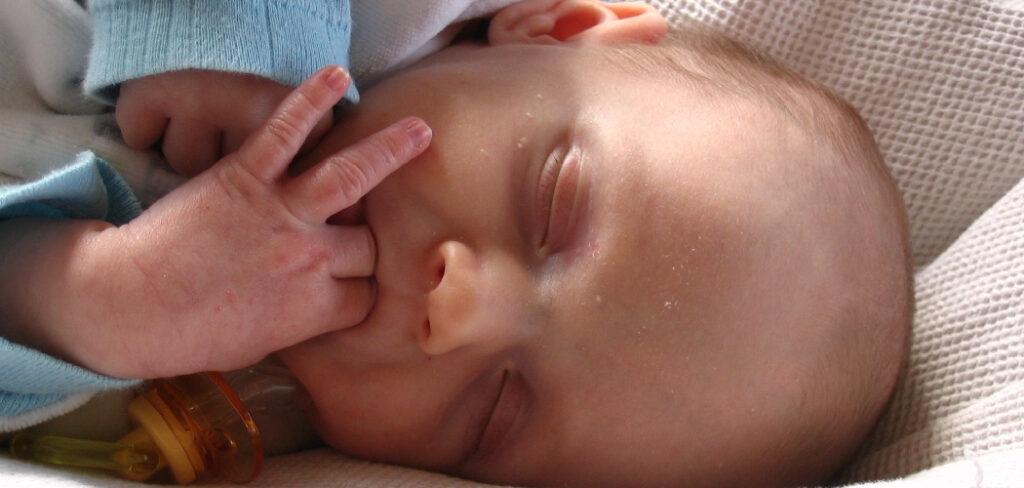
Tiny baby nails can feel surprisingly sharp, especially when your newborn waves their hands near their face during sleep, feeding, or diaper changes. Many first-time parents worry about nicking delicate skin, filing too short, or choosing the wrong tool.
The good news is that baby nail care becomes much easier when you use gentle pressure, good lighting, and a calm routine. If you are learning how to file baby nails, you mainly need to know when to start, how to support each tiny finger, and how to smooth sharp edges without rushing.
This guide will walk you through a safe, simple method so you can handle newborn nail care with more confidence.
Why Learning to File Baby Nails Matters
Baby nails grow fast, and they can be thin, soft, and sharp at the same time. When the edges catch on clothing or brush against the skin, your baby may scratch their face, scalp, or chest without meaning to. Regular filing helps keep those edges smooth while protecting delicate skin.
For first-time parents and caregivers, this skill also builds confidence with everyday baby grooming. You learn how to hold your baby’s hand safely, spot irritation early, and choose tools that fit your baby’s age and movement level. A calm nail routine can make hand care feel less stressful for both of you.
Tools and Materials You’ll Need
Gather your supplies before you start. Keeping everything close helps you stay calm and avoid searching for tools while your baby is moving.
- Infant nail file or soft emery board made for babies
- Clean towel or blanket for support
- Good lighting, such as daylight or a bright lamp
- Warm washcloth for wiping hands if needed
- Baby-safe nail scissors or clippers, only if you already feel confident using them
- Clean storage case for nail tools
- Hand sanitizer or soap and water for cleaning your hands
- Optional convenience item: electric baby nail trimmer with a soft filing pad
Always keep tools clean and dry. If a file looks worn, rough, dirty, or damaged, replace it.
8 Step-by-Step Guide on How to File Baby Nails
Step 1 – Choose a Calm Moment
Pick a time when your baby is relaxed, fed, and not overtired. Many parents find that sleep time trimming works well because the hands stay softer and less active. You can also try after a bath, when the nails may feel slightly more flexible.
A calm setting matters when you are learning how to file baby nails because sudden squirming can make even a gentle file feel stressful. Sit somewhere stable, with your baby supported on your lap, a bed, or a changing pad.
If your baby starts crying hard, pulling away, or clenching both fists, pause. You can always try again later.
Step 2 – Check the Lighting and Your Position
Good lighting helps you see the difference between the nail edge and the skin underneath. Natural light near a window works well, but a bright lamp can also help. Avoid dim rooms where shadows hide the curve of the nail.
Sit in a position that lets your shoulders relax. If you feel tense, your hands may move too quickly or press too hard. Keep the file, towel, and any backup tool close by.
Look at the nail before you touch it. Notice where the sharp corner sits, how long the nail is, and whether any skin looks red or irritated.
Step 3 – Support Your Baby’s Hand
Hold your baby’s hand gently but securely. Place one finger behind the finger you plan to file, and use your thumb to steady the fingertip. This support keeps the nail from bending and helps protect delicate skin.
Never force your baby’s fist open. If the hand is clenched, stroke the back of the hand or wait for the fingers to relax naturally. Babies often open their hands during sleep, feeding, or quiet cuddling.
Keep your touch light and warm. Your baby may respond better when you move slowly and talk in a soft, steady voice.
Step 4 – Start With the Sharpest Edge
Begin with the nail that looks most likely to scratch. Often, the corners on the thumb or index finger feel the sharpest. Place the infant nail file at the edge, not on the skin.
Use tiny strokes and watch the nail closely. You should hear or feel a faint, soft rasping sound, not a harsh scrape. If the file drags or catches, lighten your pressure.
This is where how to file baby nails becomes a careful, slow process. You are not trying to shorten the nail quickly. You are smoothing the sharp edge so it feels safer against the skin.
Step 5 – File in One Direction
Move the emery board in one direction instead of sawing back and forth. Short, one-way strokes help reduce splitting, especially with soft nails. Keep the motion smooth and controlled.
Follow the natural curve of the nail. Avoid digging into the sides, where the skin can be tender. If the nail is very thin, you may only need a few gentle strokes.
Stop after each small section and feel the edge with your fingertip. If it no longer feels sharp, move on. Overworking one spot can make the nail too short or leave the skin sensitive.
Step 6 – Smooth the Corners
The corners are often the reason babies scratch their face. After you smooth the center edge, angle the file slightly and soften each corner with light strokes. Keep the file on the nail only.
Do not round the nail too deeply into the sides. A soft, natural curve is enough. Filing too far down at the corners can bother the skin and may increase the chance of redness.
If your baby wiggles, stop with the file away from the hand. Wait until the finger is still again before you continue. Safety matters more than finishing every nail at once.
Step 7 – Check Each Nail Before Moving On
After each nail, run your fingertip gently across the edge. It should feel smooth, not jagged, pointed, or rough. Look for tiny flakes that may still catch on mittens, blankets, or clothing.
If you use an electric baby nail trimmer, choose the softest age-appropriate pad and keep the pressure very light. Let the tool do the work. Pressing harder does not make it safer or faster.
Check the skin around the nail as well. Stop if you see redness, swelling, bleeding, discharge, or anything that looks unusual. Contact your pediatrician if irritation worsens or signs of infection appear.
Step 8 – Clean Up and Comfort Your Baby
When you finish, wipe your baby’s hands with a soft, clean cloth if there is any nail dust. Put the file away in a clean case or drawer. Wash your hands and clean the tool according to its instructions.
Give your baby a cuddle, feeding, or quiet moment afterward. This helps make baby hand care feel calm and familiar, not like a stressful task.
You do not need to finish all ten nails in one sitting. If you only smooth two or three sharp edges, that still helps. Small, safe sessions are better than rushing through a full nail routine.
Common Mistakes When Filing Baby Nails
One common mistake is working in poor lighting. Baby nails are small, and the skin under the nail can be hard to see. If you cannot clearly see the edge, wait until you have brighter light.
Another mistake is filing too aggressively. A baby’s nails are soft, so heavy pressure can bend the nail, irritate nearby skin, or remove more than you planned. Gentle strokes work better than force.
Choosing the wrong moment can also make the process harder. A hungry, overtired, or upset baby may clench their fists and move suddenly. Try during sleep, after feeding, or when your baby is calm and settled.
Over-shortening is another issue. You only need to smooth sharp edges, not file the nail down to the skin. Leaving a small white edge is usually safer and more comfortable.
Finally, do not ignore irritation. Redness, swelling, bleeding that does not stop, discharge, or warmth around the nail may signal a problem. If you notice these signs, ask your pediatrician for guidance.
Expert Tips
Keep nail care short and predictable. Many babies do better with a few nails at a time instead of one long grooming session. You might file one hand during a nap and the other later in the day.
Use the gentlest tool that works for your baby. A soft emery board is simple and quiet, while an electric baby nail trimmer may help if you feel nervous about manual filing. Always test the file or pad on your own skin first so you understand the pressure.
Make nail checks part of your routine. During diaper changes or bath time, quickly feel for sharp edges. This helps prevent scratches before they happen.
Frequently Asked Questions
How Often Should I File My Baby’s Nails?
Many newborns need nail care once or twice a week because their nails can grow quickly. Some babies need it more often, especially if they scratch their face. Instead of following a strict schedule, check the edges every few days. If a nail feels sharp or catches on fabric, it is time to smooth it.
Is Filing Safer Than Clipping Baby Nails?
Filing is often easier for beginners because it removes sharp edges slowly and lowers the chance of cutting skin. Clippers can work well, but they require a steady hand and a clear view. If you feel nervous, start with an infant nail file or soft emery board. As you gain confidence, you can decide whether clippers fit your routine.
Can I File My Baby’s Nails While They Sleep?
Yes, many parents find sleep time trimming easier because the baby’s hands are more relaxed. Make sure you have enough light and can support each finger without waking or startling your baby. Move slowly and stop if your baby pulls away. You do not need to finish every nail during one nap.
What Should I Do If I Accidentally Irritate the Skin?
Stop filing right away and gently check the area. If the skin is only a little pink, leave it alone and watch it. Do not keep rubbing or filing that nail. If you see swelling, discharge, warmth, worsening redness, or bleeding that does not stop with gentle pressure, contact your pediatrician for advice.
Are Electric Baby Nail Trimmers Worth It?
An electric baby nail trimmer can be helpful if you feel anxious using a manual file. Many models have soft pads designed for different ages and may feel smoother on tiny nails. Use the lowest gentle setting, keep the pad on the nail only, and avoid pressing down. A simple emery board can still work very well.
Conclusion
Filing your baby’s nails may feel intimidating at first, but the process becomes easier when you slow down and focus on safety. Choose a calm moment, use bright light, support each finger, and smooth only the sharp edges. Keep your pressure gentle, pause when your baby squirms, and never force a tiny hand open.
Once you understand how to file baby nails, you can make newborn nail care a simple part of your routine. You will know what tools to use, when to stop, and how to protect delicate skin from scratches and irritation.
Start with one or two nails if that feels more manageable. With practice, you will build confidence and create a calm baby grooming habit that keeps your little one’s hands smooth, clean, and comfortable.

About
Joann Meril didn’t plan on becoming a parenting writer — it found her. After spending several years working as a certified nursing assistant in a pediatric clinic, Joann saw firsthand how anxious and under-informed new parents could feel, even with a hospital full of resources around them. When she had her own two children, that gap became personal. Suddenly she was the one googling things at 2 a.m., comparing baby monitors, and wondering if the swaddle she bought was actually safe.
That experience is what shaped her approach to writing. Joann believes parenting advice should be practical, honest, and free of unnecessary jargon or guilt. She tests products herself whenever possible, reads the actual safety standards instead of just the marketing copy, and isn’t afraid to say when something isn’t worth the money.
Today, Joann writes full-time, covering everything from newborn sleep routines to gear reviews to the small everyday wins that make parenting feel a little less overwhelming. When she’s not researching or writing, she’s usually chasing her own kids around the backyard or drinking coffee that’s gone cold for the third time that morning.
Joann lives in [City/State] with her husband and two children.
Credibility
- Background in pediatric caregiving (CNA)
- Mom of two, hands-on parenting experience
- Hand-tests baby gear before recommending it
- Focus: infant sleep, feeding, gear safety, early development