
Diaper changes can feel awkward at first, especially when you are caring for a newborn and everything seems tiny, soft, and easy to irritate. The good news is that baby boy hygiene is simple once you understand what to clean, what to avoid, and how gentle your touch should be. If you are learning how to wipe a baby boy, focus on slow movements, clean materials, and protecting sensitive skin from moisture and rubbing.
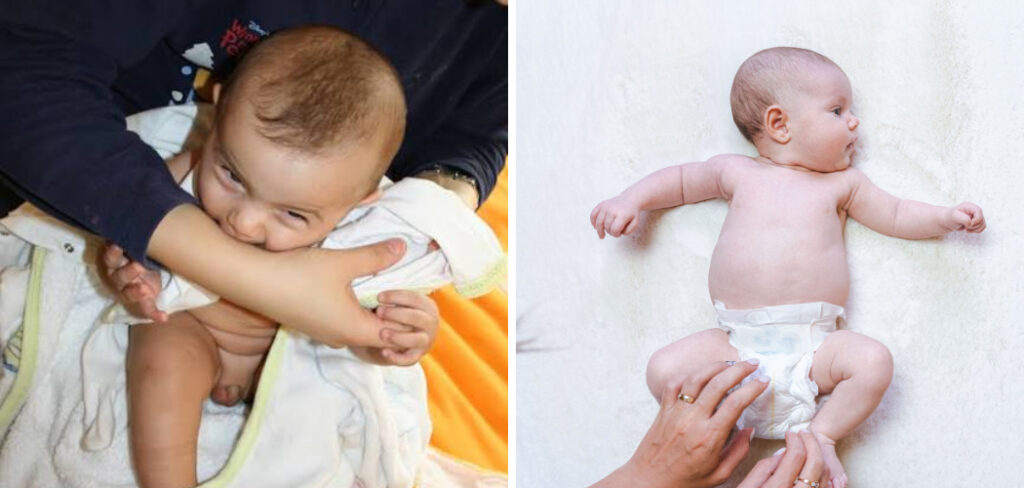
A calm diaper change also helps your baby feel secure. With the right setup, you can clean the penis, scrotum, skin folds, and bottom without stress or overthinking each step. This guide explains a safe, practical baby care routine for routine diaper changes.
Why Proper Baby Boy Cleaning Matters
Proper cleaning helps prevent diaper rash, odor, irritation, and trapped stool or urine around delicate skin folds. Baby boys have sensitive skin, and moisture can collect around the penis, scrotum, thighs, and bottom during the day. A careful diaper change keeps these areas clean without harsh scrubbing.
For first-time parents and caregivers, learning this skill builds confidence. You know what is normal, how to handle messy diapers, and when to be extra gentle. Good hygiene also helps you notice early signs of redness, swelling, discharge, or rash.
The key is balance. You want your baby clean and dry, but you do not need to overclean. Gentle wiping, warm water when needed, and a clean diaper do most of the work.
Tools and Materials You’ll Need
Set up your changing area before you open the diaper. You will need baby wipes or a soft cloth with warm water, a clean diaper, a changing pad or changing table, and a small trash bag or diaper pail nearby. Keep everything within arm’s reach so one hand can stay on your baby.
For sensitive skin, choose fragrance-free wipes or plain warm water with a clean cloth. You may also need barrier cream if your baby has redness or is prone to diaper rash. Use only a thin layer unless your pediatrician suggests otherwise.
One optional convenience item is a small waterproof changing mat. It helps protect surfaces during diaper changes at home or away.
8 Step-by-Step Guide on How to Wipe a Baby Boy
Step 1 – Set Up a Safe Changing Space
Start by placing your baby on a flat, secure changing surface. A changing table with a safety strap is helpful, but you still need to keep one hand on your baby at all times. Babies can wiggle suddenly, even when they are very young.
Open the clean diaper and place it nearby. Pull out a few baby wipes or wet a soft cloth with warm water. If you use barrier cream, open it now so you are not searching with one hand later.
The fastest way to stay calm is to prepare first. When everything is ready, the diaper change feels smoother, cleaner, and safer for both of you.
Step 2 – Open the Diaper and Pause Before Wiping
Gently unfasten the dirty diaper and fold the front down. Pause for a moment before removing it completely, especially with a baby boy. Cool air can trigger urination, and a brief pause gives you time to cover the penis with the front of the diaper or a small cloth.
Look at the diaper contents so you know how much cleaning is needed. A wet diaper may only need light wiping, while a bowel movement needs more careful cleaning around the genitals, bottom, and skin folds.
When parents ask how to wipe a baby boy, this pause is one of the most useful early habits. It prevents mess and gives you control.
Step 3 – Wipe the Lower Belly and Groin Area
Begin with the cleanest areas first. Use a fresh wipe or damp cloth to clean the lower belly, the crease where the diaper sits, and the groin folds near the thighs. Move gently and avoid rubbing back and forth.
Skin folds can trap moisture, lint, and small traces of stool. Lift each fold softly with your fingers and wipe only what you can see. The skin should look clean, not scrubbed.
If the wipe feels cold, hold it in your hand for a few seconds before using it. That small detail can help your baby stay relaxed during the diaper change.
Step 4 – Clean the Penis Gently
Wipe the penis with a soft, light touch from base to tip, cleaning only the outside. If your baby is uncircumcised, do not pull back or force the foreskin. In babies and young children, the foreskin may still be attached, and forced retraction can cause pain, tearing, or irritation.
Clean around the base of the penis where moisture can collect. Use a new part of the wipe if the area is soiled. If your baby has been circumcised recently, follow the care instructions from your healthcare provider, since healing skin may need special handling.
Keep your movements slow. Gentle cleaning protects delicate tissue and reduces redness.
Step 5 – Clean the Scrotum and Skin Folds
The scrotum has soft, wrinkled skin, so stool and moisture can hide in small folds. Lift it gently and wipe underneath using a fresh wipe or a clean section of cloth. Do not pinch, stretch, or press hard.
Move slowly around the sides where the scrotum meets the thighs. These areas can become damp, especially after long naps or overnight diapers. If the skin looks red, pat instead of rubbing.
This is another important part of how to wipe a baby boy because missed moisture can lead to irritation. Clean what you can see, then give the skin a moment to air before closing the diaper.
Step 6 – Wipe the Bottom Front to Back
Lift your baby’s legs by gently holding both ankles together, or roll your baby slightly to one side if that feels easier. Wipe the bottom from front to back. This helps move stool away from the genitals and keeps the diaper area cleaner.
Use as many wipes as needed. A messy diaper may take several passes, and that is normal. Each wipe should move stool away rather than spreading it around.
Pay attention to the crease between the buttocks and the folds near the upper thighs. These spots often need a second look. Once the wipe comes away clean, you can move on to drying.
Step 7 – Dry the Skin and Apply Barrier Cream if Needed
After wiping, let the skin dry for a few seconds. You can also pat the area with a clean, soft cloth. Dry skin is important because trapping moisture under a diaper can worsen diaper rash and make sensitive skin sting.
If you see mild redness or your baby often gets rashes, apply a thin layer of barrier cream to the areas that rub against the diaper. Avoid thick layers unless you need extra protection for a rash. The cream should act like a shield, not a paste that hides stool during the next change.
If redness looks severe, spreads, bleeds, or does not improve, contact your pediatrician.
Step 8 – Put on the Clean Diaper and Check the Fit
Slide the clean diaper under your baby with the tabs at the back. Bring the front up between the legs and fasten both sides evenly. The diaper should sit snugly around the waist and thighs without squeezing the skin.
Point the penis downward before closing the diaper. This helps direct urine into the absorbent area and may prevent leaks near the waistband. Run a finger gently around the leg openings to make sure the cuffs are out.
Once the diaper is secure, wash your hands and clean the changing surface if needed. A consistent routine turns newborn care into a calm, repeatable habit.
Common Mistakes When Cleaning a Baby Boy During Diaper Changes
One common mistake is wiping too aggressively. Baby skin is thin and sensitive, so rough rubbing can cause redness even when the area is not very dirty. If stool sticks to the skin, use warm water and a soft cloth instead of pressing harder.
Another mistake is forgetting the skin folds. Moisture and stool can hide around the groin, under the scrotum, near the thighs, and between the buttocks. A quick surface wipe may miss these spots, which can lead to odor or diaper rash.
Some caregivers also pull back the foreskin on an uncircumcised baby. Do not do this. Clean only the outside unless your child’s healthcare provider gives specific instructions for a medical reason.
Using too many scented products can also cause problems. Fragranced wipes, powders, or heavy creams may irritate sensitive skin. Choose simple, gentle products and avoid baby powder, which can be inhaled.
Finally, closing the diaper while the skin is still damp can trap moisture. Pat dry first, then fasten the clean diaper.
Expert Tips
Keep diaper changes simple and consistent. Use fragrance-free baby wipes or warm water for daily cleaning, and save extra products for times when your baby truly needs them. More products do not always mean better hygiene.
Watch your baby’s skin during each change. A little pinkness after wiping can be normal, but bright redness, open sores, swelling, or a rash that does not improve needs medical advice. If your baby seems in pain during urination or cleaning, call your pediatrician.
For overnight changes, focus on being gentle and efficient. Use soft lighting, avoid loud movement, and keep supplies ready. A calm routine helps your baby settle back down faster and makes caregiving feel more manageable.
Frequently Asked Questions
Should I Wipe My Baby Boy After Every Wet Diaper?
Yes, it is usually a good idea to gently wipe or clean the diaper area during wet diaper changes, especially if the skin feels damp. Some parents use a wipe every time, while others use warm water or pat dry if the diaper is only lightly wet. If your baby has sensitive skin, avoid over-rubbing and focus on keeping the area clean and dry.
How Do I Clean an Uncircumcised Baby Boy?
Clean only the outside of the penis with a gentle wipe or soft cloth and warm water. Do not pull back the foreskin, because it may still be naturally attached. Forced retraction can hurt your baby and cause irritation. As your child grows, your pediatrician can explain age-appropriate hygiene when the foreskin becomes naturally movable.
What Should I Do If My Baby Boy Gets Diaper Rash?
Change diapers often, clean gently, and let the skin dry before putting on a new diaper. Apply a thin layer of barrier cream to protect irritated skin from moisture. Avoid scented wipes and harsh rubbing. Call your pediatrician if the rash has blisters, bleeding, swelling, fever, pus, or does not improve after a few days of careful care.
Can I Use Water Instead of Baby Wipes?
Yes, warm water and a soft cloth work well, especially for newborn care and sensitive skin. Water can be less irritating than some wipes and is useful when the skin looks red. Make sure the cloth is clean and soft. After cleaning, pat the area dry before putting on a clean diaper to reduce trapped moisture.
Why Does My Baby Boy Pee During Diaper Changes?
Cool air on the skin can trigger urination, which is very common during diaper changes. To reduce surprises, open the diaper, pause, and keep the front of the diaper or a small cloth over the penis for a moment. You can also place the clean diaper under the dirty one before fully removing it to catch leaks.
Conclusion
Wiping a baby boy is a gentle, practical skill that becomes easier with repetition. The main ideas are simple: prepare your supplies, clean from the least soiled areas to the messiest areas, wipe skin folds carefully, avoid pulling back the foreskin, and let the skin dry before fastening the clean diaper.
You do not need perfect technique on day one. You only need a calm routine, clean materials, and a light touch. Over time, you will learn what your baby’s skin looks like when it is healthy and what signs may need extra care.
Once you understand how to wipe a baby boy, diaper changes feel less stressful and more natural. Start with the next change: set up your space, move slowly, and focus on keeping your baby clean, dry, and comfortable.

About
Joann Meril didn’t plan on becoming a parenting writer — it found her. After spending several years working as a certified nursing assistant in a pediatric clinic, Joann saw firsthand how anxious and under-informed new parents could feel, even with a hospital full of resources around them. When she had her own two children, that gap became personal. Suddenly she was the one googling things at 2 a.m., comparing baby monitors, and wondering if the swaddle she bought was actually safe.
That experience is what shaped her approach to writing. Joann believes parenting advice should be practical, honest, and free of unnecessary jargon or guilt. She tests products herself whenever possible, reads the actual safety standards instead of just the marketing copy, and isn’t afraid to say when something isn’t worth the money.
Today, Joann writes full-time, covering everything from newborn sleep routines to gear reviews to the small everyday wins that make parenting feel a little less overwhelming. When she’s not researching or writing, she’s usually chasing her own kids around the backyard or drinking coffee that’s gone cold for the third time that morning.
Joann lives in [City/State] with her husband and two children.
Credibility
- Background in pediatric caregiving (CNA)
- Mom of two, hands-on parenting experience
- Hand-tests baby gear before recommending it
- Focus: infant sleep, feeding, gear safety, early development