
A stuffy nose can make a baby feel miserable fast. Even a small amount of mucus can affect feeding, sleep, and comfort because babies breathe mostly through their noses, especially in the early months. If you are trying to learn how to use boogie mist on baby, the good news is that saline mist is simple, gentle, and beginner-friendly when used the right way.
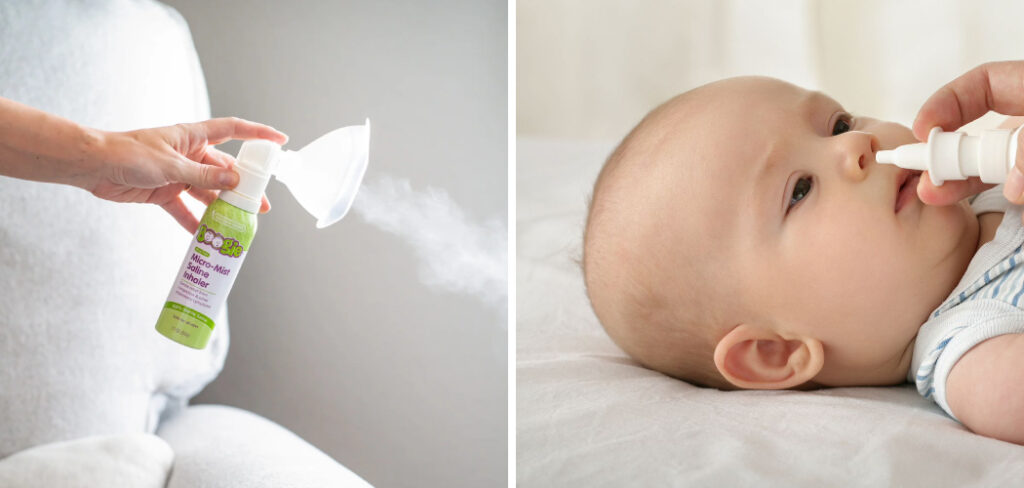
Boogie Mist is a saline nasal spray designed to moisten nasal passages and help loosen dried or thick mucus. It does not treat the cause of congestion, but it can make your baby more comfortable while their body works through a cold, dry air, or mild irritation.
This guide explains the safe, practical steps for using Boogie Mist with confidence.
Why Using Boogie Mist Helps Relieve Baby Congestion
Baby congestion can feel stressful because your little one may sniffle, snort, fuss, or struggle to drink comfortably. Saline mist helps by adding moisture to the nasal passages, which can soften crusty mucus and make it easier for mucus to move out naturally.
For first-time parents, this skill is helpful because it gives you a gentle way to support breathing comfort without using medicated cold products. Babies are often too young for many over-the-counter remedies, so simple care matters.
Using saline nasal spray can also help before feeding or sleep. When your baby’s nose feels clearer, they may latch better, take a bottle more calmly, and rest with less noisy breathing. If symptoms seem severe, your pediatrician can guide you.
Tools and Materials You’ll Need
You only need a few basic items before using Boogie Mist. Have the saline mist bottle ready, and check the label so you understand the spray direction, age guidance, and any use instructions. Make sure the nozzle looks clean and the cap has been stored properly.
Keep soft tissues, a clean burp cloth, or a gentle baby wipe nearby to catch loosened mucus. You may also want a bulb syringe or nasal aspirator if your baby has thick mucus that needs extra help after the mist has softened it.
A changing pad, firm bed surface, or your lap can work well for positioning. One optional convenience item is a small mirror, which can help you see your baby’s nostrils more clearly while you work.
8 Step-by-Step Guide on How to Use Boogie Mist on Baby
Step 1 – Wash Your Hands and Check the Bottle
Start with clean hands. Wash with soap and warm water, then dry them well before touching your baby’s face or the saline mist bottle. Babies touch their faces often, and clean hands help reduce the spread of germs during cold symptoms.
Next, check the Boogie Mist bottle. Look at the nozzle, cap, and expiration date. If the spray tip looks dirty, damaged, or clogged, do not place it near your baby’s nose. A clean spray tip helps keep the process safe and comfortable.
The first rule of how to use boogie mist on baby is to keep everything calm, clean, and simple. Your baby will respond better if you move slowly and avoid rushing.
Step 2 – Choose the Right Time
Timing can make the process much easier. Try using saline mist when your baby is calm, awake, and not extremely hungry. A baby who is already crying hard may turn their head, stiffen, or swallow extra air, which can make nasal care harder.
Good times often include before a feeding, before a nap, or after a warm bath. Steam from the bathroom air can help loosen mucus, and the saline mist can add extra moisture afterward.
Avoid using it right after a full feeding if your baby spits up easily. Gentle nasal care works best when your baby feels settled. Keep your voice soft and reassuring so the moment feels safe rather than surprising.
Step 3 – Position Your Baby Safely
Place your baby on their back on a firm, flat surface, or hold them slightly reclined in your arms. Keep the head supported, but do not force the chin too far up or down. A neutral position helps the mist enter the nostril without dripping straight out.
If your baby wiggles, use your forearm or body to provide gentle support. You are not trying to pin them down. You are creating a steady, secure position so the spray can be quick and controlled.
Keep tissues or a cloth within reach. Once the saline mist moistens the nasal passages, you may see thin mucus, bubbles, or a small sneeze. That is common and often helpful.
Step 4 – Prime the Spray if Needed
Some saline spray bottles need a quick test spray before use, especially if they are new or have not been used for a while. Point the nozzle away from your baby and press until a fine mist comes out. This helps you avoid a sudden uneven spray.
Notice the feel and sound of the mist. It should come out lightly, not as a harsh stream. If it seems blocked, check the product instructions for cleaning guidance.
Do not test the spray near your baby’s face. Babies can startle easily from unexpected moisture or sound. Priming the bottle first gives you better control and helps the actual spray feel smoother and faster for your child.
Step 5 – Aim the Nozzle Gently at One Nostril
Bring the nozzle close to one nostril, but avoid pushing it deep inside the nose. The tip should sit at the opening or just near it, depending on the product design. The nasal passages are delicate, so gentle placement matters.
Press the spray as directed on the label. A light saline mist may feel cool or surprising to your baby. They may blink, wiggle, sneeze, or make a small snorting sound as the moisture spreads through the nose.
A key part of how to use boogie mist on baby is remembering that more pressure does not mean better results. A small, controlled spray is usually enough to moisten mucus and support easier clearing.
Step 6 – Repeat on the Other Nostril
After the first nostril, pause for a moment. Let your baby breathe, blink, or sneeze if needed. Wipe away any visible mucus with a soft cloth, using gentle strokes around the nose instead of rubbing the skin hard.
Then repeat the same process on the other nostril. Keep your movements slow and steady. If your baby turns their head, wait until they settle rather than chasing the nostril with the bottle.
Some babies tolerate both sides easily, while others need a short break between sprays. That is fine. The goal is comfort, not perfection. If your baby becomes very upset, stop and try again later when they are calmer.
Step 7 – Let the Saline Mist Loosen Mucus
Give the saline mist a little time to work. You may notice your baby sneezing, swallowing, or making wet nasal sounds as mucus softens. These sounds can be unpleasant, but they often mean the saline is doing its job.
Hold your baby upright against your chest for a minute or two. The warmth of your body, your steady breathing, and gentle pats can help them relax. Gravity may also help loosened mucus move forward.
Do not rush straight into suction unless your baby clearly needs it. Sometimes saline alone is enough. If the nose still sounds blocked, a bulb syringe or nasal aspirator may help remove softened mucus.
Step 8 – Use Suction Only When Needed
If congestion remains thick, use a bulb syringe or nasal aspirator after the saline has had time to soften the mucus. Follow the device instructions carefully. For a bulb syringe, squeeze the bulb first, place the tip gently at the nostril opening, then slowly release to draw mucus out.
Keep suction brief and gentle. Too much suction can irritate the nasal lining and make stuffiness worse. Clean the device well after use, since mucus can trap germs.
Watch your baby’s comfort. If they cry hard, bleed, or seem distressed, stop. You can try again later or call your pediatrician for advice, especially if congestion affects feeding, breathing, or sleep.
Common Mistakes When Using Boogie Mist on Baby
One common mistake is spraying too often without checking the label or watching your baby’s response. Saline is gentle, but frequent spraying or repeated suction can irritate tiny nasal passages. Use it as directed, and ask your pediatrician if you feel your baby needs it constantly.
Another mistake is inserting the nozzle too far into the nostril. The spray tip should stay near the opening, not deep inside. Babies can jerk their heads suddenly, and a deep nozzle can scratch or irritate the nose.
Some parents use suction immediately and aggressively. Saline mist works best when it has a short moment to loosen mucus. If you suction too hard or too many times, your baby’s nose may become more swollen and sensitive.
A fourth mistake is ignoring signs of illness that need medical care. Call your pediatrician if your baby has trouble breathing, poor feeding, fewer wet diapers, fever in a young infant, bluish lips, wheezing, or symptoms that worry you.
Finally, avoid sharing nasal spray bottles between children. Keep your baby’s bottle clean and personal.
Expert Tips
Use Boogie Mist before moments when clear nasal passages matter most, such as feeding and sleep. A baby with a stuffy nose may pull off the breast or bottle often because breathing and sucking feel difficult at the same time.
Pair saline mist with simple comfort measures. Keep your baby hydrated with regular feeds, use a cool-mist humidifier if the air is dry, and hold your baby upright for short periods when congestion sounds heavy. Clean dried mucus around the nose gently to prevent skin irritation.
Trust your instincts. Mild congestion is common, but labored breathing is not. If your baby’s ribs pull in, nostrils flare, breathing seems fast, or feeding drops sharply, contact a pediatrician promptly.
Frequently Asked Questions
Is Boogie Mist Safe for Newborns?
Boogie Mist is a saline product, and saline nasal sprays are often used for babies, including young infants. Still, you should always read the product label and follow age guidance. For newborns, especially babies under 3 months, call your pediatrician if congestion comes with fever, poor feeding, unusual sleepiness, or breathing trouble.
How Often Can I Use Saline Mist on My Baby?
Follow the directions on the bottle, since use may vary by product. Many parents use saline mist before feeding or sleep when congestion is most bothersome. Avoid repeated spraying all day unless your pediatrician recommends it. If your baby seems to need constant help clearing mucus, it may be time to ask for medical advice.
Should I Use a Bulb Syringe After Every Spray?
No, you do not need to suction after every saline spray. Sometimes the mist alone moistens the nasal passages enough for your baby to sneeze or breathe more comfortably. Use a bulb syringe or nasal aspirator only when mucus remains thick and bothersome. Gentle, occasional suction is safer than frequent, forceful suction.
What If My Baby Sneezes After Using Boogie Mist?
Sneezing after saline mist is normal. The mist may tickle the nasal passages, and sneezing can help clear loosened mucus. Wipe the nose gently and give your baby a moment to settle. If sneezing continues with rash, swelling, wheezing, or signs of distress, stop using the product and contact your pediatrician.
Can Boogie Mist Help My Baby Sleep Better?
It may help if nasal congestion is making sleep difficult. Saline mist can soften mucus and make breathing through the nose feel easier, especially before naps or bedtime. It will not cure a cold or guarantee longer sleep, but it can improve comfort. Keep safe sleep rules in place, including placing your baby on their back.
Conclusion
Using saline mist can feel intimidating the first time, but the process is simple once you know what to do. Start with clean hands, check the bottle, position your baby safely, spray gently, and give the saline time to loosen mucus. If needed, use a bulb syringe or nasal aspirator with light suction and plenty of care.
The goal is not to make your baby’s nose perfectly clear. The goal is to improve comfort so feeding, rest, and breathing feel easier during mild congestion. Watch your baby’s cues, keep the experience calm, and avoid overusing suction.
When you understand how to use boogie mist on baby, you can respond to stuffy noses with more confidence and less stress. If symptoms seem serious, unusual, or persistent, your pediatrician is the best person to guide your next step.

About
Joann Meril didn’t plan on becoming a parenting writer — it found her. After spending several years working as a certified nursing assistant in a pediatric clinic, Joann saw firsthand how anxious and under-informed new parents could feel, even with a hospital full of resources around them. When she had her own two children, that gap became personal. Suddenly she was the one googling things at 2 a.m., comparing baby monitors, and wondering if the swaddle she bought was actually safe.
That experience is what shaped her approach to writing. Joann believes parenting advice should be practical, honest, and free of unnecessary jargon or guilt. She tests products herself whenever possible, reads the actual safety standards instead of just the marketing copy, and isn’t afraid to say when something isn’t worth the money.
Today, Joann writes full-time, covering everything from newborn sleep routines to gear reviews to the small everyday wins that make parenting feel a little less overwhelming. When she’s not researching or writing, she’s usually chasing her own kids around the backyard or drinking coffee that’s gone cold for the third time that morning.
Joann lives in [City/State] with her husband and two children.
Credibility
- Background in pediatric caregiving (CNA)
- Mom of two, hands-on parenting experience
- Hand-tests baby gear before recommending it
- Focus: infant sleep, feeding, gear safety, early development