

A loose baby tooth can feel exciting for a child and stressful for an adult. You want to help, but you also do not want to pull too soon, hurt tender gums, or turn a simple milestone into a scary memory. Most primary teeth fall out naturally when the root has dissolved and the permanent tooth is ready to come in.

Learning how to get a baby tooth out safely starts with patience, clean hands, and knowing when a wiggly tooth is truly ready. You do not need force, tools from the garage, or dramatic tricks. This guide explains how to check readiness, support child comfort, remove a ready tooth gently, and know when a dental visit is the better choice.
Why Learning to Remove a Loose Baby Tooth Safely Matters
A loose tooth is part of normal childhood development, but the way you handle it can shape how your child feels about oral care. A calm, gentle approach helps your child trust you, stay relaxed, and understand that tooth loss does not have to hurt.
Safe removal also protects the gum tissue. Pulling too early can cause bleeding, pain, or fear around future dental care. When you know what to look for, you can tell the difference between a tooth that is ready and one that needs more time.
The main goal is simple: help nature along only when the tooth is barely attached and your child feels comfortable.
Tools and Materials You’ll Need
- Clean hands washed with soap and warm water
- A small piece of clean gauze for gripping the tooth
- A cup of water for rinsing the mouth
- A tissue or towel in case of light bleeding
- Good lighting so you can see the tooth and gums clearly
- A calm, seated spot where your child feels secure
- A small reward or comfort item to help your child relax
- Optional: a mirror so your child can see what is happening and feel more involved
Keep everything simple and clean. You should not need tweezers, string, hard pulling, or any sharp object.
8 Step-by-Step Guide on How to Get a Baby Tooth Out
Step 1 – Check Whether the Tooth Is Truly Ready
Start by looking closely at the loose tooth. A ready baby tooth usually moves easily in several directions, not just forward and backward. It may lean to one side, sit higher than nearby teeth, or feel like it is hanging by a tiny piece of gum tissue.
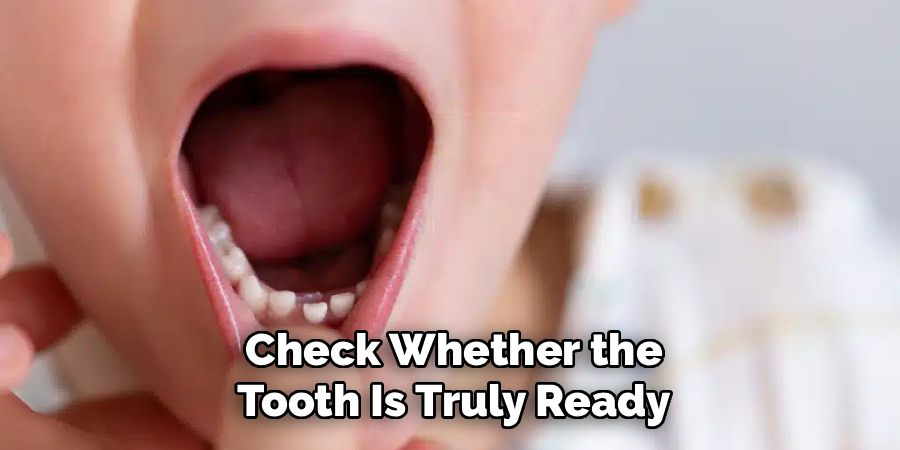
Ask your child to wiggle it with their tongue. This gives you useful information without adding pressure. If the tooth moves freely and your child feels little or no pain, it may be close to coming out.
If the tooth only moves a little or your child winces, wait. Natural tooth loss works best when the tooth is ready.
Step 2 – Wash Hands and Prepare the Area
Before touching your child’s mouth, wash your hands well with soap and warm water. Dry them with a clean towel. This simple step helps protect tender gums from germs and keeps the process more hygienic.
Have your child rinse with water to clear away food or saliva. Seat them in a comfortable spot with good light. A bathroom, kitchen chair, or couch can work well as long as your child sits still.
If you are learning how to get a baby tooth out for the first time, preparation matters. A calm setup helps both of you avoid rushed movements.
Step 3 – Let Your Child Wiggle the Tooth First
Children often do best when they stay in control at the start. Ask your child to move the wiggly tooth with their tongue or clean fingers. They can gently push it forward, back, and side to side.
This may be enough to loosen the last fibers holding the tooth in place. It also helps your child feel what is happening rather than being surprised. If they giggle, pause, or want a break, let them.
Do not rush this step. A tooth that is ready may loosen more within a few minutes of gentle movement, chewing soft food, or tongue pressure.
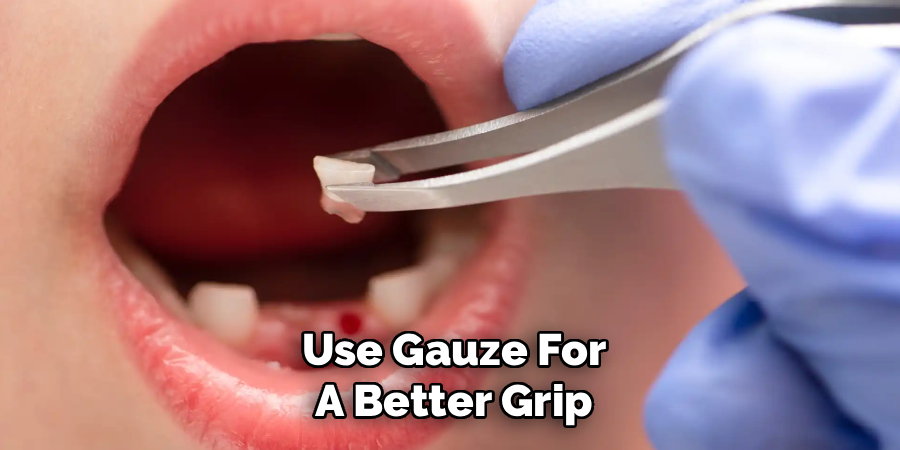
Step 4 – Use Gauze for a Better Grip
If the tooth is very loose and your child wants help, wrap a small piece of clean gauze around it. Gauze gives you a steady grip because baby teeth can be slippery with saliva. Hold the tooth near the crown, not the gums.
Use light pressure only. Your fingers should feel steady, not tense. If the tooth slips out of the gauze, reset instead of squeezing harder.
Watch your child’s face while you do this. If they pull away, tear up, or say it hurts, stop. Pain often means the tooth is not ready for removal yet.
Step 5 – Try a Gentle Twist, Not a Hard Pull
When a primary tooth is ready, a tiny twist can help release it. Hold the tooth with gauze and turn it gently, almost like you are testing a loose button. The movement should feel small and controlled.
Do not yank downward or snap the tooth to one side. Gentle twisting works with the way the tooth is already loosening. Hard pulling can irritate the gum tissue and cause more bleeding than necessary.
If the tooth does not release with mild pressure, leave it alone. Waiting another day or two is often the safest choice.
Step 6 – Stop If There Is Pain or Resistance
A baby tooth should come out with little discomfort when it is ready. Your child may feel pressure, surprise, or a strange popping feeling, but sharp pain is a sign to stop. Resistance also tells you the tooth still has support under the gum.
This is one of the most important parts of how to get a baby tooth out safely. You are not trying to win a tug-of-war. You are checking whether nature has already done most of the work.
If the gum looks swollen, very red, or infected, do not pull. Call a dentist for guidance.
Step 7 – Manage Light Bleeding Calmly
A small amount of bleeding is common after a loose tooth comes out. Place clean gauze over the spot and ask your child to bite down gently. Keep pressure light and steady for a few minutes.
Stay calm, even if your child feels nervous about the taste of blood. Reassure them that a little bleeding can happen and usually stops quickly. Offer water to rinse once the bleeding slows.
A calm approach to how to get a baby tooth out includes what happens afterward. Your child will remember your tone as much as the tooth coming out.
Step 8 – Keep the Mouth Clean Afterward
After the tooth is out, help your child rinse gently with water. Avoid harsh swishing right away if the gums feel tender. The small opening should begin to feel better soon.
Encourage normal oral hygiene, but ask your child to brush carefully around the area that night. Soft brushing keeps the mouth clean without irritating the gums. Avoid crunchy, sharp foods for a short time if the spot feels sore.
Check the area later in the day. Mild tenderness is common, but ongoing pain, heavy bleeding, swelling, or fever needs professional dental advice.
Common Mistakes to Avoid When Removing a Loose Baby Tooth
One common mistake is pulling a tooth too early. If the tooth is only slightly loose, the root may not be fully dissolved. Pulling at that stage can hurt, cause extra bleeding, and make your child scared of future loose teeth.
Another mistake is using string, doors, pliers, tweezers, or other dramatic methods. These can cause sudden force, gum injury, or damage to nearby teeth. A clean piece of gauze and gentle fingers are safer for a tooth that is truly ready.
Some adults also ignore the child’s comfort. If your child says stop, stop. Fear can turn a normal milestone into a struggle.
Finally, do not assume every loose tooth should come out at home. If the permanent tooth is erupting behind the baby tooth, the tooth is loose after an injury, or the gums look infected, schedule a dental visit.
Expert Tips
Let the tooth loosen during daily life before you try to remove it. Eating an apple slice, brushing normally, or wiggling with the tongue can help a ready tooth come out without much effort. The less you interfere, the more pain-free removal tends to be.
Choose timing wisely. Do not try right before school, bedtime, or a busy event if your child feels anxious. A calm weekend morning or quiet evening gives you more patience.
Praise your child for bravery, but avoid pressure. Some children want to pull the tooth themselves, while others need reassurance. Either response is normal.
Frequently Asked Questions
How Do I Know If a Baby Tooth Is Ready to Come Out?
A baby tooth is usually ready when it moves easily in several directions and causes little or no pain. It may look tilted, raised, or barely attached. If your child can wiggle it freely with their tongue, that is a good sign. If the tooth feels firm or painful, give it more time.
Is It Okay to Pull a Loose Tooth at Home?
Yes, it can be okay when the tooth is extremely loose and your child feels comfortable. Use clean hands, gauze, and gentle movement only. Never force the tooth. If there is pain, swelling, injury, or doubt, wait and ask a dentist. Home removal should feel easy, not like a struggle.
What Should I Do If the Gum Bleeds?
Place clean gauze over the spot and ask your child to bite down gently for a few minutes. Light bleeding is common after a baby tooth comes out. Keep your voice calm and offer water once bleeding slows. If bleeding is heavy, lasts longer than expected, or worries you, contact a dental professional.
What If the Adult Tooth Is Coming in Behind the Baby Tooth?
This can happen, especially with lower front teeth. If the baby tooth is loose, it may still fall out on its own. Encourage gentle wiggling and good brushing. If the baby tooth is not loosening, the adult tooth looks crowded, or you feel unsure, schedule a dental visit for an exam.
Should I Give My Child Pain Medicine Before Pulling a Tooth?
Do not use medicine just to force a tooth out. A ready baby tooth should not need much pain control. If your child has ongoing pain, swollen gums, or trouble eating, the issue may need dental attention. Ask your child’s dentist or healthcare provider before giving medication for tooth pain.
Conclusion
A loose baby tooth is usually a normal, healthy sign that your child is growing. The safest approach is to wait until the tooth moves freely, keep everything clean, and use only gentle pressure. Gauze can help you grip the tooth, but patience matters more than technique.
Remember that pain, firm resistance, swelling, injury, or unusual bleeding means you should stop and get professional guidance. You are not failing if the tooth needs more time or a dentist’s help.
With a calm voice and a careful touch, how to get a baby tooth out becomes less stressful for both you and your child. Today, start by checking the tooth’s readiness, supporting your child’s comfort, and letting the tooth come out only when it is truly ready.

About
Joann Meril didn’t plan on becoming a parenting writer — it found her. After spending several years working as a certified nursing assistant in a pediatric clinic, Joann saw firsthand how anxious and under-informed new parents could feel, even with a hospital full of resources around them. When she had her own two children, that gap became personal. Suddenly she was the one googling things at 2 a.m., comparing baby monitors, and wondering if the swaddle she bought was actually safe.
That experience is what shaped her approach to writing. Joann believes parenting advice should be practical, honest, and free of unnecessary jargon or guilt. She tests products herself whenever possible, reads the actual safety standards instead of just the marketing copy, and isn’t afraid to say when something isn’t worth the money.
Today, Joann writes full-time, covering everything from newborn sleep routines to gear reviews to the small everyday wins that make parenting feel a little less overwhelming. When she’s not researching or writing, she’s usually chasing her own kids around the backyard or drinking coffee that’s gone cold for the third time that morning.
Joann lives in [City/State] with her husband and two children.
Credibility
- Background in pediatric caregiving (CNA)
- Mom of two, hands-on parenting experience
- Hand-tests baby gear before recommending it
- Focus: infant sleep, feeding, gear safety, early development