

A nipple shield can be a helpful bridge when breastfeeding feels hard, especially in the early days of sore nipples, latch struggles, or a sleepy newborn. But once feeding feels more stable, many parents wonder how to move toward direct breastfeeding without upsetting the progress they have made. If you are searching for how to wean baby off nipple shield, you are likely ready for a gentle plan that protects your baby’s intake and your comfort.
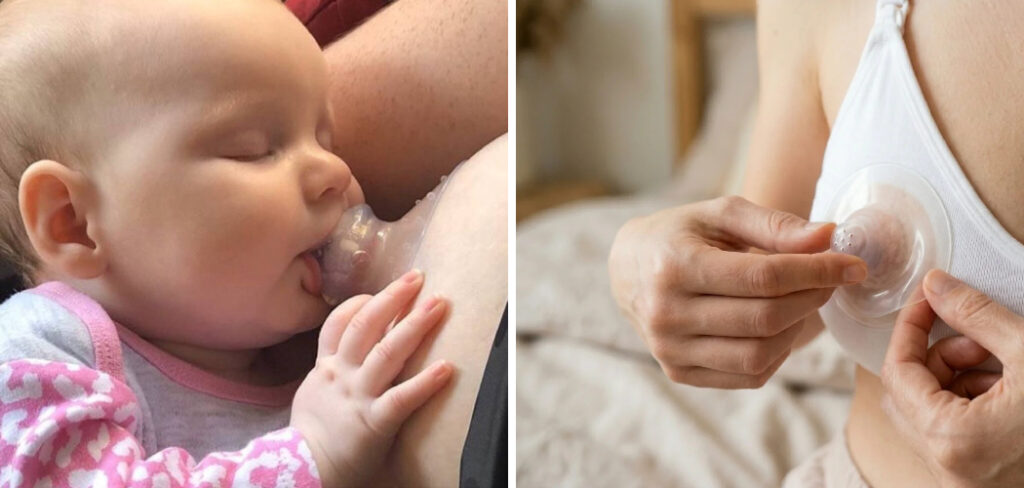
The key is patience. Some babies transition in a few feeds, while others need days or weeks of practice. You will learn how to watch feeding cues, improve latch, support milk transfer, and know when to get extra help. This guide explains a calm, step-by-step way to make the transition easier.
Why Learning to Transition Away From a Nipple Shield Matters
Learning to move away from a nipple shield can make breastfeeding feel simpler and more natural over time. Without the shield, your baby may latch more directly, stimulate milk supply more effectively, and feed with less setup during each nursing session. It can also reduce the need to wash, store, and remember the shield during night feeds or outings.
That said, a nipple shield is not “bad” or a failure. It can be a useful tool when recommended for latch problems, flat or inverted nipples, prematurity, or feeding challenges. The goal is not to rush. The goal is to help your baby breastfeed well while keeping milk transfer, weight gain, and breast comfort on track.
Tools and Materials You’ll Need
You do not need many supplies to begin weaning from a nipple shield. Keep the shield nearby during practice so you can use it if your baby becomes frustrated or cannot latch well. A clean burp cloth, a comfortable nursing pillow, and a quiet feeding space can help you focus on positioning and your baby’s cues.
You may also want a water bottle, nipple cream if your provider has approved it, and a simple feeding log to track wet diapers, nursing patterns, and comfort. If you pump, having your pump nearby may help soften the breast or trigger letdown before latching. For convenience, an optional dim night-light can make overnight attempts calmer without fully waking your baby.
7 Step-by-Step Guide on How to Wean Baby Off Nipple Shield
Step 1 – Choose a Calm Feeding Time
Start during a nursing session when your baby is relaxed, not overly hungry. A frantic baby may clamp, pull away, or cry before learning a new latch pattern. Early hunger cues, such as stirring, rooting, lip smacking, and bringing hands to the mouth, give you the best opening.
Pick a time when you also feel calm. Sit with good back support, keep water close, and take a slow breath before bringing baby to the breast. If the room feels quiet and warm, your baby may settle more easily. This first step in how to wean baby off nipple shield is less about success and more about creating a safe practice moment.
Step 2 – Begin With Skin-to-Skin Contact
Skin-to-skin helps many babies organize their feeding instincts. Place your baby against your bare chest with only a diaper on, then cover both of you with a light blanket if needed. The warmth, smell, and heartbeat can help your baby relax and begin rooting toward the breast.
Let your baby nuzzle, lick, and explore without pressure. These small movements matter because they help your baby connect the breast with comfort, not stress. If your baby becomes fussy, pause and cuddle before trying again. A peaceful start often leads to a better direct latch.
Step 3 – Trigger Letdown Before Removing the Shield
Some babies prefer the shield because milk flows faster once they begin sucking. To make the bare breast more rewarding, try to trigger letdown first. You can hand express a few drops, use gentle breast massage, or pump briefly until milk starts to bead at the nipple.
When your baby smells and tastes milk right away, they may stay interested longer. This also helps if your baby gets impatient at the breast. Keep your touch gentle and your shoulders relaxed. If milk begins to flow, bring your baby close quickly so they can connect the breast with immediate reward.
Step 4 – Start With the Shield, Then Slip It Off
For many families, a gradual switch works better than removing the shield at the start. Let your baby begin feeding with the shield until sucking becomes steady and rhythmic. Once your milk is flowing and your baby looks calmer, break the latch gently with a clean finger and remove the shield.
Then bring your baby back to the breast right away. Aim the nipple toward the roof of the mouth and wait for a wide-open gape. If your baby latches for even a few sucks, that counts as progress. This is one of the most practical ways to practice how to wean baby off nipple shield without turning the feed into a struggle.
Step 5 – Focus on Positioning and a Deep Latch
Positioning can make the difference between a shallow latch and a comfortable feed. Bring your baby to your breast instead of leaning your breast toward your baby. Keep baby’s ear, shoulder, and hip in one line, with their tummy facing your body.
Wait for a wide mouth, then bring baby in close so the chin touches the breast first. You want more areola in the mouth, not just the nipple. A deep latch usually feels like tugging, not pinching. If you feel sharp pain, break the latch and try again. Pain that continues is a reason to contact a lactation consultant.
Step 6 – Keep Practice Short and Positive
Short attempts protect your baby’s energy and your confidence. Try direct latch practice for a few minutes, then use the shield if your baby becomes upset or cannot transfer milk well. Feeding comes first. Weaning can wait until your baby feels ready to try again.
Think of each attempt as skill-building. One calm latch, a few strong sucks, or a shorter shield feed can all show progress. Babies learn through repetition, but they also need comfort. If either of you feels tense, pause, cuddle, and return to the method that helps your baby feed well.
Step 7 – Track Milk Transfer and Baby’s Response
As you reduce shield use, watch signs that your baby is getting enough milk. Listen for swallowing, notice relaxed hands after feeding, and track wet and dirty diapers. Your breasts may feel softer after a good nursing session, and your baby may seem settled for a normal stretch of time.
Do not judge progress by latch alone. A baby can latch briefly but still need help with milk transfer. If feeds become very long, diapers decrease, weight gain slows, or your baby seems weak or constantly hungry, seek support from a lactation consultant or your baby’s healthcare provider. A safe transition always protects intake.
Common Mistakes When Weaning Off a Nipple Shield
One common mistake is removing the nipple shield too quickly. If your baby depends on it for organizing the latch or drawing milk, sudden removal can lead to crying, breast refusal, or shorter feeds. A gradual approach often works better and feels less stressful.
Another mistake is practicing only when your baby is very hungry. Hunger can make babies frantic, which makes a new latch harder. Try during early feeding cues or after a small amount of milk has already taken the edge off.
Some parents also ignore their own pain. A little tenderness can happen during adjustment, but sharp, lasting, or worsening pain is not something to push through. Pain may point to a shallow latch, nipple damage, or a positioning issue.
A fourth mistake is focusing only on getting rid of the shield instead of watching milk transfer. Your baby’s intake matters more than the tool used. If weight gain, diaper output, or feeding comfort changes, ask for expert guidance before continuing.
Expert Tips
Try the easiest feeds first. Many babies do better with direct latch attempts during morning feeds, dream feeds, or calm middle-of-the-night nursing sessions when they are sleepy and less resistant. Avoid starting with the hardest time of day, such as late evening cluster feeding.
Use breast compression during direct latch attempts to help milk flow. Gentle pressure can encourage swallowing and keep your baby engaged. You can also switch sides if your baby becomes frustrated.
Most importantly, stay flexible. Some babies wean from the shield in one day, while others need a slow transition. If pain, poor weight gain, or feeding difficulty continues, a lactation consultant can assess latch, positioning, milk transfer, and your full feeding plan.
Frequently Asked Questions
How long does it take to wean off a nipple shield?
The timeline varies widely. Some babies stop using the shield within a few nursing sessions, while others need several weeks of gradual practice. Age, latch skill, milk flow, oral strength, and feeding history all matter. If your baby feeds well with the shield, you can move slowly and protect breastfeeding confidence while building direct latch skills.
Is it okay to keep using a nipple shield sometimes?
Yes, many families use a nipple shield part-time during the transition. You might use it for tired feeds, night feeds, or moments when your baby becomes frustrated. Occasional use can prevent stress and help your baby keep feeding well. The main goal is effective breastfeeding, not removing the shield before your baby is ready.
What if my baby cries when I remove the shield?
Pause and comfort your baby before trying again. Crying often means the change feels hard, the milk flow is not fast enough, or your baby is too hungry to practice. You can start with the shield, wait for letdown, then try removing it mid-feed. If your baby stays upset, finish with the shield and try later.
Can nipple shield weaning affect milk supply?
It can if your baby transfers less milk during the transition. Milk supply depends on regular, effective milk removal. Watch swallowing, diaper output, breast softness after feeds, and weight gain. If your baby nurses less effectively without the shield, you may need to pump or use breast compression while you get help with latch.
When should I call a lactation consultant?
Call a lactation consultant if breastfeeding hurts, your nipples become damaged, your baby struggles to latch, feeds take a very long time, or weight gain is a concern. You should also get help if diaper output drops or your baby seems sleepy and hard to feed. Early support can make the transition safer and less stressful.
Conclusion
Weaning from a nipple shield works best when you treat it as a gradual learning process, not a test you and your baby must pass right away. Start with calm feeds, use skin-to-skin contact, support letdown, and try removing the shield after your baby has begun sucking well. Keep watching milk transfer, diaper output, comfort, and your baby’s mood.
If you are learning how to wean baby off nipple shield, remember that progress may look small at first. A few direct sucks, one easier latch, or one feed with less shield use can all be meaningful steps. Stay patient, protect your baby’s intake, and ask for help if pain, poor weight gain, or feeding difficulty continues.
Your next step is simple: choose one calm feeding today and practice gently for a few minutes.

About
Joann Meril didn’t plan on becoming a parenting writer — it found her. After spending several years working as a certified nursing assistant in a pediatric clinic, Joann saw firsthand how anxious and under-informed new parents could feel, even with a hospital full of resources around them. When she had her own two children, that gap became personal. Suddenly she was the one googling things at 2 a.m., comparing baby monitors, and wondering if the swaddle she bought was actually safe.
That experience is what shaped her approach to writing. Joann believes parenting advice should be practical, honest, and free of unnecessary jargon or guilt. She tests products herself whenever possible, reads the actual safety standards instead of just the marketing copy, and isn’t afraid to say when something isn’t worth the money.
Today, Joann writes full-time, covering everything from newborn sleep routines to gear reviews to the small everyday wins that make parenting feel a little less overwhelming. When she’s not researching or writing, she’s usually chasing her own kids around the backyard or drinking coffee that’s gone cold for the third time that morning.
Joann lives in [City/State] with her husband and two children.
Credibility
- Background in pediatric caregiving (CNA)
- Mom of two, hands-on parenting experience
- Hand-tests baby gear before recommending it
- Focus: infant sleep, feeding, gear safety, early development