

Bright red, sweet, and juicy, strawberries are one of those foods that almost beg to be shared with your little one. If you’ve been wondering how to prepare strawberries for baby in a way that’s safe, simple, and actually fun, you’re in the right place. Starting solids can feel a little nerve-wracking, but trust me, this fruit is a wonderful one to introduce.
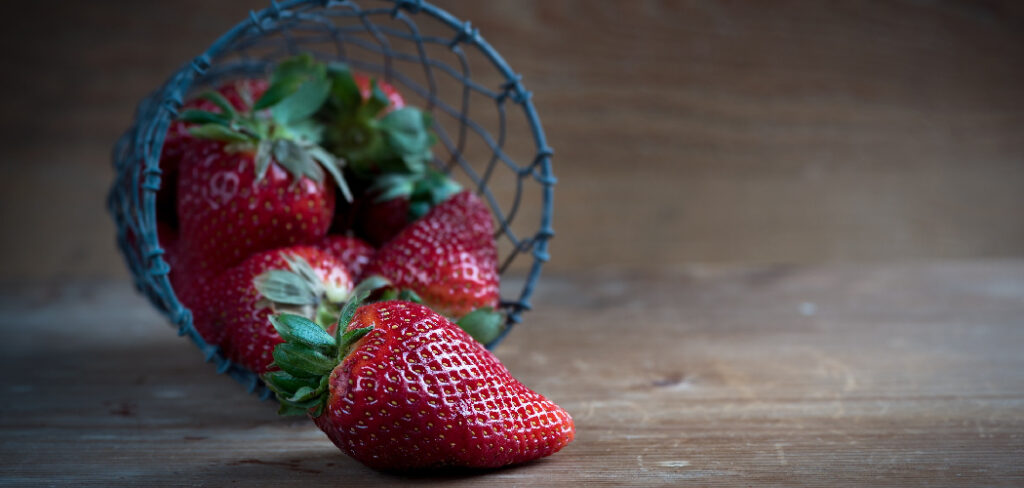
In this guide, we’ll walk through everything together: the benefits, the right age to start, step-by-step prep, serving ideas by stage, and how to keep things safe. Let’s make this easy.
Benefits of Strawberries for Babies
Strawberries pack a lot of goodness into a tiny package. They’re rich in vitamin C, which helps your baby’s body absorb iron and supports a healthy immune system. That’s a big deal during the busy months of growth and development.
They also contain fiber, which keeps your baby’s little digestive system moving smoothly. Plus, strawberries have antioxidants, natural compounds that help protect the body’s cells.
Beyond the nutrition, strawberries offer something just as valuable: flavor and texture exploration. The sweet-tart taste and soft, slightly grainy feel give your baby a brand-new sensory experience. Early variety like this helps build an adventurous eater over time.
When Can Babies Start Eating Strawberries
Most babies are ready for strawberries around 6 months of age, the same time most solids get introduced. Your baby should be able to sit up with support, hold their head steady, and show interest in food before you begin.
You don’t need to wait to introduce strawberries just because they’re a fruit that some people consider “allergenic.” Current pediatric guidance actually encourages offering a wide range of foods, including mild allergens, early on. We’ll cover allergy safety in detail later, so you’ll feel fully prepared.
If your baby was born early or has existing food allergies, check with your pediatrician first. A quick chat can give you extra peace of mind.
What You’ll Need
Good news, you don’t need fancy equipment. Most of what you need is probably already in your kitchen.
Here’s a simple checklist:
- Fresh, ripe strawberries (organic if possible, since berries can hold pesticide residue)
- A colander for washing
- A small knife and cutting board
- A blender, food processor, or fork for pureeing or mashing
- A small saucepan or steamer (optional, for softening)
- Ice cube trays or small containers for freezing leftovers
That’s it. Simple tools, big results.
Step-by-Step Preparation Guide on How to Prepare Strawberries for Baby
Preparing strawberries for your baby takes just a few minutes. Follow these steps and you’ll have a safe, smooth serving ready to go.
- Choose ripe berries. Look for bright red strawberries that are soft but not mushy. Ripe berries are sweeter and easier to mash.
- Wash thoroughly. Rinse the strawberries under cool running water for about 30 seconds. Gently rub the surface to remove dirt and residue. Skip soap, plain water works best.
- Remove the stems and leaves. Use a small knife to cut off the green tops. Trim away any bruised or hard spots too.
- Soften if needed. For young babies, steam the strawberries for 2 to 3 minutes until very soft. This makes them gentler on tiny tummies and easier to puree. Older babies can usually handle raw, ripe berries.
- Puree or mash. Blend the strawberries until smooth for a first puree. For older babies, mash with a fork to leave some texture. Add a little breast milk, formula, or water to thin it out if needed.
- Check the temperature. If you steamed the berries, let them cool to room temperature before serving. Always test with a clean spoon first.
And that’s your baby’s first strawberry serving, ready in minutes.
How to Serve by Age and Stage
Your baby’s needs change as they grow, so the way you serve strawberries should change too. Here’s how to adjust.
6+ Months: Smooth Puree
At this early stage, smooth is the goal. Steam and blend the strawberries into a silky puree with no lumps. You can mix it with iron-rich baby cereal or banana for a creamier texture and milder flavor.
8+ Months: Mashed With Soft Lumps
Once your baby is comfortable with purees, introduce a little more texture. Mash ripe strawberries with a fork, leaving small soft lumps. This helps your baby practice moving food around their mouth and learning to chew.
9 to 12+ Months: Soft Finger Foods
Now your baby is ready to explore self-feeding. Offer large, soft strawberry pieces they can grip, or quartered berries for babies with a pincer grasp. Always make sure pieces are soft and easy to squish between your fingers.
Whole strawberries and round slices are a choking risk, so cut them lengthwise into thin strips or small quarters depending on your baby’s age and skill.
Storage and Freezing Tips
Made too much? No problem. Strawberry puree stores beautifully, so nothing has to go to waste.
For the fridge, keep leftover puree in an airtight container for up to 48 hours. Give it a stir before serving, since berries can separate a little.
For longer storage, freezing is your best friend. Spoon puree into ice cube trays, freeze until solid, then pop the cubes into a labeled freezer bag. They’ll keep for up to 3 months.
To thaw, move a cube to the fridge overnight or warm it gently in a bowl of warm water. Stir well and check the temperature before serving. Never refreeze puree that’s already been thawed.
Common Mistakes to Avoid
Even the most careful parents slip up sometimes, and that’s completely okay. Here are a few common mistakes so you can sidestep them easily.
Serving whole or round-sliced strawberries too early. Their size and shape can block a tiny airway. Always cut berries into thin strips or small soft pieces for babies under 12 months.
Adding sugar or honey. Strawberries are naturally sweet, so there’s no need to add anything. Honey especially should never be given before 12 months, as it carries a risk of infant botulism, a rare but serious illness.
Using under-ripe berries. Firm, sour strawberries are harder to mash and tougher on little tummies. Wait for soft, ripe ones.
Skipping the wash. Berries can carry dirt and residue, so always rinse well, even organic ones.
Introducing too much at once. When trying strawberries for the first time, offer a small amount and watch how your baby responds before making it a regular part of meals.
Allergy Information and Safety Tips
Strawberries are considered a mild allergen, meaning true allergies are uncommon but possible. Knowing what to look for helps you stay calm and confident.
When you first offer strawberries, serve them on their own without mixing in lots of new foods. This way, if a reaction happens, you’ll know what caused it. Offer the first taste earlier in the day, not right before bedtime, so you can keep an eye on your baby.
Some babies develop a harmless red rash around the mouth after eating strawberries. This is usually a skin reaction to the fruit’s natural acidity, not a true allergy. It typically fades on its own within an hour.
A true allergic reaction is different and more serious. Watch for hives, swelling of the lips or face, vomiting, or trouble breathing. These signs need immediate medical attention.
On the choking side, remember that texture matters more than anything. Always serve strawberries soft, and cut them into safe shapes for your baby’s stage. Stay nearby and supervise every meal, and make sure your baby is sitting upright while eating.
Signs Baby Is Ready and Enjoying It
Wondering if it’s going well? Your baby will give you plenty of happy little clues.
Look for signs of interest like opening their mouth for the spoon, reaching for the food, or leaning in for more. Smacking lips, smiles, and excited kicks are all good signs that strawberries are a hit.
You’ll also notice your baby swallowing the puree rather than pushing it all back out. Some pushing out is normal at first, since it takes practice to learn how to eat. Over a few tries, you’ll see them get the hang of it.
No rash, no fussiness, and a happy tummy afterward all mean your little one is tolerating strawberries well. Celebrate these small wins, they add up.
When to Call a Doctor
Most strawberry experiences are smooth and joyful, but it’s smart to know when to seek help. Trust your instincts, you know your baby best.
Call your doctor or seek emergency care right away if your baby shows signs of a serious allergic reaction. These include swelling of the lips, tongue, or face, widespread hives, vomiting, wheezing, or any difficulty breathing. In an emergency with breathing trouble, call your local emergency number immediately.
Reach out to your pediatrician if you notice ongoing digestive issues like persistent diarrhea, blood in the stool, or repeated vomiting after eating strawberries. It’s also worth a call if a mild rash keeps appearing or seems to bother your baby.
And if your baby ever chokes, meaning they can’t cough, cry, or breathe, get emergency help and use infant first aid right away. Taking an infant CPR class before starting solids can give you real peace of mind.
Frequently Asked Questions
Can I give my baby raw strawberries?
Yes, once your baby is around 6 months and the berries are ripe and soft. For very young babies, steaming makes them gentler and easier to puree. Older babies can usually handle raw, ripe berries cut into safe shapes.
Do strawberries cause constipation in babies?
No, strawberries are more likely to help with digestion than cause constipation. They contain fiber and water, both of which support smooth, regular bowel movements.
Why does my baby get a red rash around the mouth after strawberries?
This is usually a harmless reaction to the fruit’s natural acidity, not a true allergy. The rash typically fades within an hour. If it spreads or comes with other symptoms like swelling, contact your doctor.
How many strawberries can my baby eat in a day?
Start with a small amount, like one or two mashed berries, when introducing them. Once your baby tolerates them well, a few strawberries as part of a balanced meal is plenty. Variety across different foods matters most.
Can I mix strawberries with other foods?
Absolutely, once your baby has tried strawberries on their own with no reaction. They pair wonderfully with banana, yogurt, oatmeal, and apple. Mixing flavors keeps mealtimes interesting and helps build an adventurous eater.
Conclusion
Learning how to prepare strawberries for baby is one of those small but joyful milestones in your feeding journey. With ripe berries, the right texture for your baby’s stage, and a little supervision, you’ve got everything you need to make it safe and fun.
Remember, introducing new foods is a process, not a one-time event. Some days your baby will dive in happily, and other days they’ll turn away, and both are completely normal. Stay patient, keep things relaxed, and let your little one explore at their own pace.
You’re doing a wonderful job, and these early tastes are laying the foundation for a lifetime of healthy, happy eating. Here’s to many messy, smiley strawberry moments ahead.

About
Joann Meril didn’t plan on becoming a parenting writer — it found her. After spending several years working as a certified nursing assistant in a pediatric clinic, Joann saw firsthand how anxious and under-informed new parents could feel, even with a hospital full of resources around them. When she had her own two children, that gap became personal. Suddenly she was the one googling things at 2 a.m., comparing baby monitors, and wondering if the swaddle she bought was actually safe.
That experience is what shaped her approach to writing. Joann believes parenting advice should be practical, honest, and free of unnecessary jargon or guilt. She tests products herself whenever possible, reads the actual safety standards instead of just the marketing copy, and isn’t afraid to say when something isn’t worth the money.
Today, Joann writes full-time, covering everything from newborn sleep routines to gear reviews to the small everyday wins that make parenting feel a little less overwhelming. When she’s not researching or writing, she’s usually chasing her own kids around the backyard or drinking coffee that’s gone cold for the third time that morning.
Joann lives in [City/State] with her husband and two children.
Credibility
- Background in pediatric caregiving (CNA)
- Mom of two, hands-on parenting experience
- Hand-tests baby gear before recommending it
- Focus: infant sleep, feeding, gear safety, early development