
Getting sick while caring for a baby can feel stressful, especially when your little one depends on you for feeding, comfort, and close contact. A cold, cough, fever, or stomach bug may make you worry about every sneeze, touch, and feeding session. The good news is that you can lower the risk of spreading household germs without cutting off the care and bonding your baby needs.
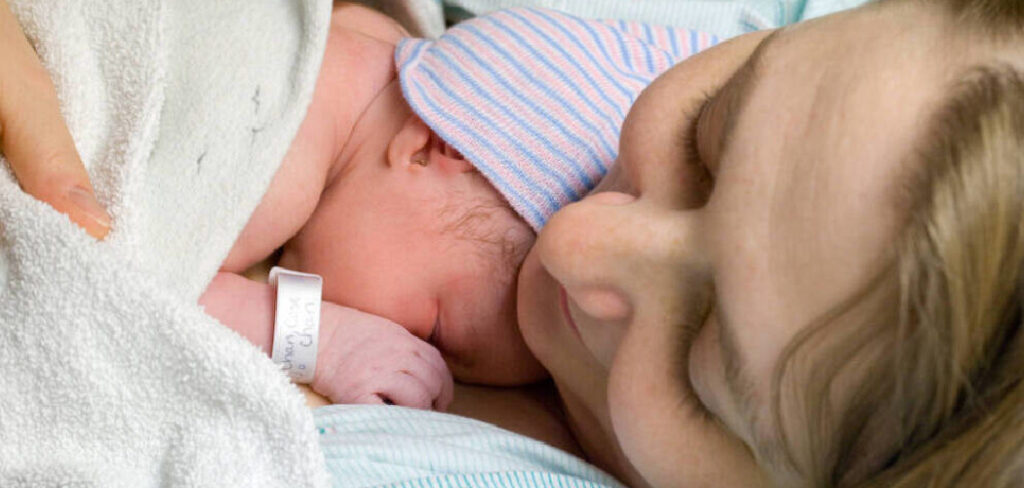
Learning how to keep baby from getting sick when mom is starts with simple habits like hand hygiene, mask use, cleaner surfaces, and smart feeding choices. These steps are especially helpful for newborns and young infants whose immune systems are still developing.
This guide explains practical ways to reduce exposure while keeping your baby fed, soothed, and safely cared for.
Why Protecting Baby Matters When Mom Is Sick
Babies, especially newborns, have developing immune systems. They can catch common viruses from respiratory droplets, hands, shared surfaces, and close face-to-face contact. While many infant illnesses stay mild, young babies can become dehydrated or develop breathing problems faster than older children.
Protecting your baby does not mean avoiding them completely. Feeding, diaper changes, skin-to-skin care, and comfort still matter. The goal is to reduce exposure during the moments when germs spread most easily, such as coughing, sneezing, kissing, and touching your face before touching the baby.
Good infection-reduction habits also support your own postpartum recovery. When you rest, hydrate, and accept help, you give your body a better chance to heal while keeping your baby’s routine steady.
Tools and Materials You’ll Need
You do not need special equipment to protect your baby from common household germs. A few basic supplies can make daily care safer and easier.
- Mild soap and access to warm running water
- Alcohol-based hand sanitizer for times when washing is not possible
- Clean tissues and a lined trash can
- Well-fitting masks that cover your nose and mouth
- Disinfecting wipes or spray for high-touch surfaces
- Clean burp cloths, towels, and feeding supplies
- A thermometer for you and your baby
- Water bottle or electrolyte drink to support hydration
- Optional convenience item: a cool-mist humidifier for dry air or congestion
Keep supplies near your feeding chair, changing area, and bathroom so you can use them without extra effort.
7 Step-by-Step Guide on How to Keep Baby From Getting Sick When Mom Is
Step 1 – Wash Your Hands Before Every Baby Care Task
Hand hygiene is one of the strongest ways to reduce exposure. Wash before feeding, pumping, changing diapers, preparing bottles, or touching your baby’s face. Warm soapy water should cover your palms, fingers, thumbs, wrists, and under your nails.
Scrub long enough to feel the slick soap turn foamy, then rinse well and dry with a clean towel. If you cannot reach a sink, use hand sanitizer and rub until your hands feel dry.
When you think about how to keep baby from getting sick when mom is, start here. Your hands touch tissues, phones, doorknobs, blankets, and your own face all day.
Step 2 – Wear a Mask During Close Contact
If you have a cough, sore throat, runny nose, or fever, wear a mask when holding, feeding, or soothing your baby. A good mask should cover both your nose and mouth without slipping. It helps block respiratory droplets when you talk, breathe, cough, or sneeze.
Put on a fresh mask before a feeding session. Try not to touch the front of it, and wash your hands after removing it. If the mask feels damp, replace it.
A mask may feel odd at first, but your baby still knows your voice, touch, smell, and rhythm. You can bond while using this simple layer of protection.
Step 3 – Keep Feeding Safe and Comfortable
If you breastfeed, you can often continue breastfeeding when sick, but call your healthcare professional if you have concerns about your illness or medication. Your milk may provide helpful antibodies, and feeding can comfort your baby during a stressful time.
Before nursing, wash your hands and consider wearing a mask. Sit in a quiet feeding chair with cool water nearby, tissues within reach, and a clean burp cloth over your shoulder. If you are too tired or unwell, pumping may let another healthy caregiver feed the baby.
If your baby uses bottles, clean feeding parts carefully and avoid sharing cups, spoons, or pacifiers between family members.
Step 4 – Reduce Kissing and Face-to-Face Germ Spread
This step can be hard because babies invite closeness. Still, try to avoid kissing your baby’s face, hands, and pacifier while you are sick. Germs spread easily when saliva and respiratory droplets land near the mouth, nose, or eyes.
You can still show love in safer ways. Stroke your baby’s back, hold their hand after washing yours, sing softly, or rest your cheek near their blanket without touching their face.
A key part of how to keep baby from getting sick when mom is is changing the highest-risk habits for a few days. This does not weaken your bond. It protects it.
Step 5 – Sanitize High-Touch Surfaces Daily
Household germs often linger on the things you touch without thinking. Wipe down doorknobs, light switches, faucet handles, phone screens, remote controls, pump buttons, and changing table surfaces. Picture the wiped-down doorknob drying clean before the next person touches it.
Follow the directions on your disinfecting product, including how long the surface should stay wet. Keep sprays and wipes out of your baby’s reach.
Focus on areas near feeding and diaper changes. You do not need to deep-clean the whole house while sick. Targeted cleaning reduces germs without draining the energy you need for recovery.
Step 6 – Ask a Healthy Caregiver to Help When Possible
If another healthy adult is available, let them take over some close-contact tasks. They can handle diaper changes, bottle feeds, baths, laundry, or rocking while you rest nearby. This helps reduce exposure and gives your body time to recover.
If you are breastfeeding, the helper can bring the baby to you after you wash your hands and put on a mask. After feeding, they can burp, change, and settle the baby.
Accepting help is not a failure. It is a smart plan for postpartum recovery, especially if you have fever, body aches, congestion, or a cough that keeps you awake.
Step 7 – Watch Baby Closely for Early Symptoms
Keep an eye on your baby’s feeding, wet diapers, breathing, temperature, and alertness. Early signs of illness may include fever, cough, congestion, poor feeding, unusual sleepiness, vomiting, or fewer wet diapers. A baby who seems “not like themselves” deserves attention.
Use a thermometer if your baby feels warm, and write down symptoms so you can explain them clearly if you call the pediatrician. For babies under 3 months, contact a healthcare professional right away for a fever or concerning symptoms.
Seek medical care urgently for breathing trouble, signs of dehydration, blue lips, extreme sleepiness, or symptoms that worsen quickly.
Common Mistakes When Mom Is Sick Around Baby
One common mistake is trying to “push through” without changing any habits. It may feel easier to care for your baby as usual, but coughing near their face, skipping handwashing, or sharing utensils can increase exposure. Small changes can lower risk without disrupting your whole routine.
Another mistake is stopping breastfeeding without asking a healthcare professional. In many common illnesses, breastfeeding can continue with extra hygiene steps. If you take medication, check whether it is safe during breastfeeding instead of guessing.
Some parents overuse cleaning products near the baby. Strong sprays, harsh scents, or wet chemical residue can irritate tiny airways and skin. Clean high-touch surfaces, but keep products away from feeding areas until surfaces are dry.
It is also easy to miss your own warning signs. If you have a high fever, worsening symptoms, dizziness, or trouble caring for your baby safely, call your healthcare provider and ask for help.
Finally, do not delay calling the pediatrician when a young infant seems unwell. Babies can change quickly, and early guidance can prevent worry from turning into an emergency.
Expert Tips
Set up a “sick care station” before you sit down with your baby. Keep tissues, sanitizer, a mask, water, your phone, and a trash bag within reach. This keeps you from touching extra surfaces or walking around while coughing.
Ventilation can help, too. If weather allows, crack a window briefly or run a fan away from the baby to move stale air. A cool-mist humidifier may ease dry air and congestion; the soft sound of a humidifier can also make the room feel calmer.
Most importantly, protect both of you. Rest, hydrate, eat simple meals, and ask for support. Your recovery is part of your baby’s care plan.
Frequently Asked Questions
Can I Breastfeed My Baby While I Am Sick?
In many common illnesses, you can continue breastfeeding with careful handwashing and mask use. Breast milk may contain antibodies that support your baby’s immune system. However, check with your healthcare professional if you have a serious illness, need medication, or feel too weak to feed safely. Pumping may be an option if you need more rest.
Should I Stay Away From My Baby Completely?
Most sick moms do not need to stay away completely, especially if they are the main caregiver or breastfeeding. Instead, reduce close germ exposure by washing hands, wearing a mask, avoiding kisses, and asking a healthy caregiver to help. If you have a severe illness or specific medical concern, ask your healthcare professional what level of separation is best.
When Should I Call the Pediatrician?
Call the pediatrician if your baby is under 3 months and has a fever or seems unwell. Also call for breathing concerns, poor feeding, fewer wet diapers, unusual sleepiness, persistent vomiting, or symptoms that worsen. Trust your instincts. If your baby looks or acts very different, it is better to ask for medical advice early.
Can My Baby Catch a Cold From My Clothes?
It is possible for germs to land on clothing, but hands, respiratory droplets, and close face contact usually spread illness more easily. If you cough on your shirt or hold used tissues against it, change before cuddling your baby. Clean burp cloths, fresh nursing pads, and regular laundry can help reduce household germs without making you over-worry.
How Can I Protect My Baby at Night?
Wash your hands before nighttime feeds, wear a mask during close contact, and keep tissues and sanitizer nearby. If another healthy adult can bring the baby to you, burp them, or handle diaper changes, accept the help. Keep following safe sleep rules: place your baby on their back on a firm, flat surface without loose bedding.
Conclusion
Being sick while caring for a baby is tiring, emotional, and often unavoidable. You do not need a perfect system to protect your little one. Focus on the steps that matter most: clean hands, mask use during close contact, safer feeding routines, fewer kisses near the face, sanitized high-touch surfaces, and help from a healthy caregiver when possible.
Watch your baby for fever, cough, congestion, poor feeding, breathing changes, or signs of dehydration. Contact a pediatrician or healthcare professional quickly for infants under 3 months, high fever, breathing concerns, worsening symptoms, or anything that feels wrong.
Learning how to keep baby from getting sick when mom is gives you a calm plan during a hard moment. With practical habits, rest, and timely medical guidance, you can lower risk while still giving your baby the comfort and care they need.

About
Joann Meril didn’t plan on becoming a parenting writer — it found her. After spending several years working as a certified nursing assistant in a pediatric clinic, Joann saw firsthand how anxious and under-informed new parents could feel, even with a hospital full of resources around them. When she had her own two children, that gap became personal. Suddenly she was the one googling things at 2 a.m., comparing baby monitors, and wondering if the swaddle she bought was actually safe.
That experience is what shaped her approach to writing. Joann believes parenting advice should be practical, honest, and free of unnecessary jargon or guilt. She tests products herself whenever possible, reads the actual safety standards instead of just the marketing copy, and isn’t afraid to say when something isn’t worth the money.
Today, Joann writes full-time, covering everything from newborn sleep routines to gear reviews to the small everyday wins that make parenting feel a little less overwhelming. When she’s not researching or writing, she’s usually chasing her own kids around the backyard or drinking coffee that’s gone cold for the third time that morning.
Joann lives in [City/State] with her husband and two children.
Credibility
- Background in pediatric caregiving (CNA)
- Mom of two, hands-on parenting experience
- Hand-tests baby gear before recommending it
- Focus: infant sleep, feeding, gear safety, early development