
Flying with a baby can feel stressful, especially when you hear that tiny ears may hurt during takeoff or landing. The good news is that most ear discomfort on a plane is temporary, and simple steps can help your baby handle cabin pressure changes more comfortably.
If you are wondering how to protect baby ears during flight, the key is to support swallowing, manage congestion, reduce noise, and plan around the most pressure-sensitive moments of the trip. You do not need complicated gear or advanced medical knowledge. You just need a calm plan, a few helpful items, and an understanding of what your baby may be feeling. This guide will show you practical, beginner-friendly ways to keep your baby’s ears safer and more comfortable in the air.
Why Protecting Baby Ears on a Plane Matters
Babies have small, still-developing Eustachian tubes, which help balance pressure between the middle ear and the outside environment. During takeoff and landing, cabin pressure shifts quickly. Adults often yawn, chew, or swallow to relieve that “blocked ear” feeling, but babies cannot do this on command.
That pressure can lead to fussing, crying, pulling at the ears, or trouble settling. Noise in the cabin can also feel intense for infants, especially near the engines or during announcements. While flying does not usually damage a healthy baby’s ears, discomfort can make the trip harder for everyone. A few smart choices can lower the chance of infant ear pain and help your baby feel more secure.
Tools and Materials You’ll Need
You do not need to pack a full medicine cabinet. Focus on items that support feeding, swallowing, comfort, and baby hearing protection.
- Bottles, breast milk, formula, or a plan to nurse during pressure changes
- Pacifiers for sucking and swallowing when your baby is not hungry
- Baby-safe ear protection, such as soft infant earmuffs for noise reduction
- A nasal saline spray or drops for mild congestion, if your pediatrician approves
- Burp cloths, bibs, and extra clothes for feeding during the flight
- A favorite blanket, soft toy, or sleep sack for comfort
- Diapers, wipes, and a changing pad for delays
- Optional convenience item: a baby carrier to keep your hands free while boarding and settling in
8 Step-by-Step Guide on How To Protect Baby Ears During Flight
Step 1 – Check Your Baby’s Health Before You Fly
A few days before your trip, pay close attention to your baby’s breathing, feeding, sleep, and mood. A baby with a stuffy nose, fever, ear infection, or heavy congestion may have more trouble with pressure changes. Mucus can block the Eustachian tubes, making it harder for the ears to adjust.
If your baby has been sick, call your pediatrician before flying. Ask whether travel is safe and whether saline drops or another baby-safe option may help. Avoid giving decongestants or pain medicine unless your doctor recommends it. A quick health check can prevent a difficult flight and help you feel more confident before leaving home.
Step 2 – Choose Flight Times That Support Your Baby’s Routine
When possible, book flights that match your baby’s natural feeding or sleep schedule. A baby who is overtired may cry harder, resist feeding, and have more trouble calming during takeoff or landing. A rested baby is usually easier to comfort when the cabin gets loud or the seatbelt sign turns on.
Try to leave extra time between arriving at the airport and boarding. Rushing through security with a hungry, overstimulated baby can make the flight feel harder before it even begins. If you can, choose a direct flight to reduce repeated pressure changes. Fewer takeoffs and landings mean fewer moments when your baby’s ears must adjust.
Step 3 – Feed or Offer a Pacifier During Takeoff
One of the most helpful ways to ease ear pressure is to encourage swallowing. Nursing, bottle-feeding, or offering a pacifier can help your baby’s ears adjust as the plane climbs. This is one of the easiest habits to build when learning how to protect baby ears during flight because it works with a baby’s natural sucking reflex.
Try not to start feeding too early while waiting on the runway. If your baby finishes before the plane actually takes off, they may not be swallowing during the pressure change. Keep the bottle, breast, or pacifier ready, then begin as the aircraft starts moving fast and lifting into the air.
Step 4 – Plan Carefully for Landing
Landing often causes more ear discomfort than takeoff because pressure increases as the plane descends. Many parents notice crying begins about 30 minutes before arrival, even before they realize the plane is going down. Watch for changes in engine sound, seatbelt announcements, or flight attendants preparing the cabin.
Offer a feeding or pacifier during descent, not just when the wheels touch the ground. If your baby is asleep, you may not need to wake them right away. Some babies sleep through landing without trouble. If they stir, fuss, or grimace, gently offer sucking or swallowing support. Keep your movements calm and slow so your baby senses reassurance from you.
Step 5 – Keep Congestion Under Control
Congestion can make pressure changes feel worse because the ears, nose, and throat are connected. If your baby has a mild stuffy nose, ask your pediatrician whether saline drops are appropriate before the flight. Saline may help loosen mucus so your baby can breathe and feed more comfortably.
Use a bulb syringe or nasal aspirator only if you already know how to use it safely. Too much suction can irritate delicate nasal passages. In the dry cabin air, small sips of milk or formula can also help keep your baby comfortable. If your baby has a fever, severe cough, or suspected ear infection, get medical advice before traveling.
Step 6 – Use Baby Hearing Protection for Cabin Noise
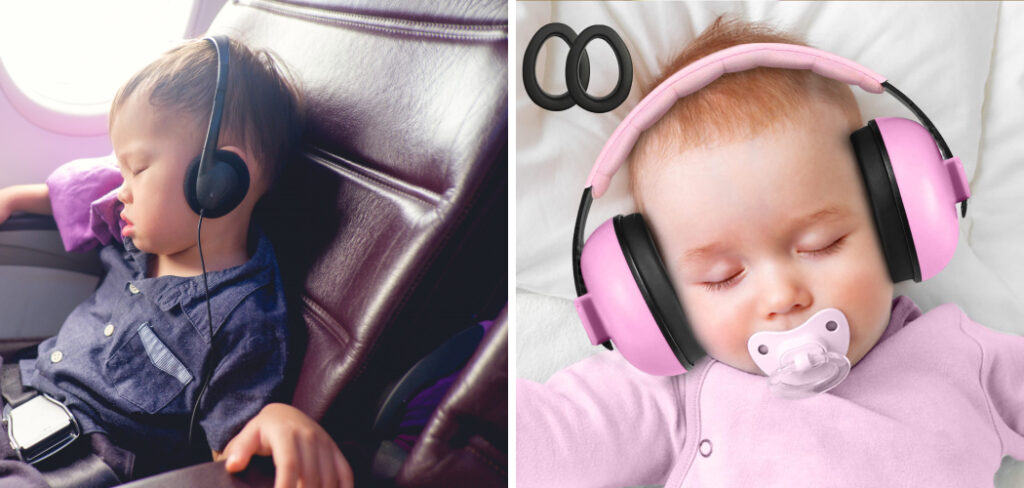
Ear pressure is not the only issue during a flight. Airplanes can be loud, especially during boarding, engine startup, takeoff, and landing. Baby hearing protection, such as soft infant earmuffs, can reduce noise and help your baby rest. Choose a product made for infants, with a gentle fit that does not press hard on the head.
Test the earmuffs at home before travel. Let your baby wear them for short periods during calm moments, such as story time or a nap routine. On the plane, remove them if your baby seems uncomfortable, overheated, or upset. Noise reduction should support comfort, not become another source of stress.
Step 7 – Comfort Your Baby With Calm, Steady Cues
Your baby reads your body language, voice, and touch. If you feel tense, they may become more unsettled. During pressure changes, hold your baby securely, speak softly, and use familiar soothing habits. A warm blanket, gentle rocking, or quiet humming can help create a sense of safety in a strange environment.
Expect some crying, even if you do everything right. Crying does not mean you failed. It may actually help your baby move air and pressure through the ears. Stay focused on comfort rather than silence. Other passengers may notice, but your baby’s needs come first. Calm care helps both of you get through the moment.
Step 8 – Watch for Ear Pain After the Flight
After landing, your baby may still feel pressure for a little while. You might notice ear pulling, fussiness, trouble feeding, or waking more often after the trip. Many babies settle once they swallow, yawn, cry, or feed again. Continue offering comfort and fluids as usual.
If symptoms last more than a day, or if your baby has fever, drainage from the ear, strong crying, or seems unusually tired, call your pediatrician. These signs may point to an ear infection or another issue that needs care. A complete approach to how to protect baby ears during flight includes watching your baby after the plane lands, not only while you are in the air.
Common Mistakes When Protecting Baby Ears During Flight
One common mistake is feeding too early. Parents often offer a bottle or breast as soon as they sit down, but boarding can take a long time. If your baby finishes before takeoff, they may not be swallowing when cabin pressure starts to shift. Try to time feeding with the actual climb and descent.
Another mistake is assuming all crying means ear pain. Babies cry on planes for many reasons, including hunger, tiredness, heat, boredom, or a wet diaper. Check the basics before assuming pressure is the only cause.
Some parents use adult earplugs or poorly fitting headphones. These can be unsafe or uncomfortable for infants. Use baby hearing protection designed for small heads, and never place anything deep in a baby’s ear canal.
It is also risky to ignore congestion. A mild cold can make ear pressure harder to manage. If your baby seems sick before travel, ask your pediatrician for guidance instead of guessing.
Finally, many caregivers forget to prepare for landing. Descent is often the hardest part. Keep feeding supplies and pacifiers within reach before the plane starts going down.
Expert Tips
Think of ear comfort as a timing issue, not a perfect technique. The best support usually happens during takeoff and landing, when pressure changes most. Keep your feeding items easy to reach, and avoid packing pacifiers or bottles in the overhead bin.
If you are traveling with another adult, divide roles before boarding. One person can handle bags, boarding passes, and overhead storage while the other focuses on the baby. This lowers stress and helps you respond faster.
For babies with repeated ear infections, premature birth history, or breathing concerns, talk with your pediatrician before flying. Personalized advice matters. Most healthy babies fly without serious ear problems, but expert guidance gives you peace of mind.
Frequently Asked Questions
Can flying damage my baby’s ears?
Flying rarely causes lasting ear damage in healthy babies. Most discomfort comes from temporary ear pressure during takeoff and landing. Babies may cry because they cannot clear their ears on purpose like adults can. Feeding, sucking, and swallowing usually help. If your baby has an ear infection, fever, or severe congestion, check with your pediatrician before the flight.
Should I wake my baby for takeoff or landing?
You do not always need to wake a sleeping baby. If your baby sleeps peacefully through takeoff or landing, that may mean their ears are adjusting well. If they stir, fuss, grimace, or start crying, offer a pacifier, bottle, or breast. Sleep can be one of the best comforts during travel, so avoid waking them unless they seem uncomfortable.
Do pacifiers really help with ear pressure?
Yes, pacifiers can help because sucking encourages swallowing. Swallowing helps open the Eustachian tubes, which balance pressure in the middle ear. A pacifier is especially useful if your baby is not hungry during takeoff or descent. It may not stop every cry, but it gives your baby a simple way to manage pressure changes.
Is baby hearing protection necessary on airplanes?
Baby hearing protection is not always required, but it can help reduce cabin noise. Airplanes can be loud during engine startup, takeoff, and landing. Soft infant earmuffs may help some babies sleep and stay calm. Choose earmuffs made for babies, and check the fit often. They should feel secure but not tight or heavy.
What if my baby has a cold before the flight?
A mild cold may be manageable, but congestion can increase the risk of infant ear pain. Call your pediatrician if your baby has fever, thick congestion, poor feeding, unusual sleepiness, or signs of an ear infection. Ask whether saline drops are safe to use. If your baby seems very unwell, it may be better to delay travel when possible.
Conclusion
Flying with a baby is easier when you understand what causes ear discomfort and how to respond. Pressure changes during takeoff and landing can bother small ears, but swallowing, feeding, and pacifier use can make a real difference. Managing congestion, using safe baby hearing protection, and keeping comfort items close also help create a smoother trip.
You do not need to control every moment. Babies may still cry, and that is normal. Your job is to stay calm, watch your baby’s cues, and use simple tools at the right times. If your baby is sick, has a history of ear problems, or shows strong symptoms after flying, your pediatrician can guide you.
With a little planning, how to protect baby ears during flight becomes much less intimidating, and you can focus more on getting to your destination safely and confidently.

About
Joann Meril didn’t plan on becoming a parenting writer — it found her. After spending several years working as a certified nursing assistant in a pediatric clinic, Joann saw firsthand how anxious and under-informed new parents could feel, even with a hospital full of resources around them. When she had her own two children, that gap became personal. Suddenly she was the one googling things at 2 a.m., comparing baby monitors, and wondering if the swaddle she bought was actually safe.
That experience is what shaped her approach to writing. Joann believes parenting advice should be practical, honest, and free of unnecessary jargon or guilt. She tests products herself whenever possible, reads the actual safety standards instead of just the marketing copy, and isn’t afraid to say when something isn’t worth the money.
Today, Joann writes full-time, covering everything from newborn sleep routines to gear reviews to the small everyday wins that make parenting feel a little less overwhelming. When she’s not researching or writing, she’s usually chasing her own kids around the backyard or drinking coffee that’s gone cold for the third time that morning.
Joann lives in [City/State] with her husband and two children.
Credibility
- Background in pediatric caregiving (CNA)
- Mom of two, hands-on parenting experience
- Hand-tests baby gear before recommending it
- Focus: infant sleep, feeding, gear safety, early development