

A baby cannot point to their throat and say it hurts, so you have to read small clues. Changes in feeding, crying, sleep, drooling, and breathing can all help you understand what may be going on. If you are a new parent, learning how to know if baby has sore throat can make a stressful moment feel more manageable.

A sore throat in babies often comes with a cold, cough, congestion, fever, or general fussiness. Sometimes it is mild and improves with comfort care, but other times your baby needs medical advice. This guide will help you spot common signs, respond calmly, and know when to call your pediatrician.
Why Recognizing a Sore Throat in Babies Matters
Recognizing infant sore throat signs early helps you protect your baby’s feeding, comfort, and hydration. Babies rely on breast milk, formula, or age-appropriate fluids for energy and fluid balance. If swallowing hurts, they may feed less, pull away, cry during feeds, or refuse the bottle or breast.
Early awareness also helps you track symptoms like fever, cough, congestion, drooling, and fewer wet diapers. These details matter when you speak with a pediatrician. You do not need to diagnose the cause at home, but you can notice patterns. That gives your baby the best chance of getting the right care at the right time.
Tools and Materials You’ll Need
You do not need special medical equipment to check for possible throat discomfort, but a few simple items help. Keep a reliable digital thermometer nearby so you can check for fever. Use a soft cloth for drool, saline drops for stuffy noses if your pediatrician recommends them, and a clean nasal suction device for congestion.
A feeding log can also help you track how much your baby drinks and how often they feed. Pay close attention to wet diapers, mood, sleep, and crying. If your baby is old enough for water or soothing fluids, follow your pediatrician’s guidance. An optional convenience item is a phone note or baby-tracking app to record symptoms.
8 Step-by-Step Guide on How to Know if Baby Has Sore Throat
Step 1 – Watch for Feeding Changes
Feeding is often the first place you notice throat discomfort. A baby with painful swallowing may start feeding, then pull away quickly. They may arch their back, turn their head, cough, or cry when milk touches the throat.
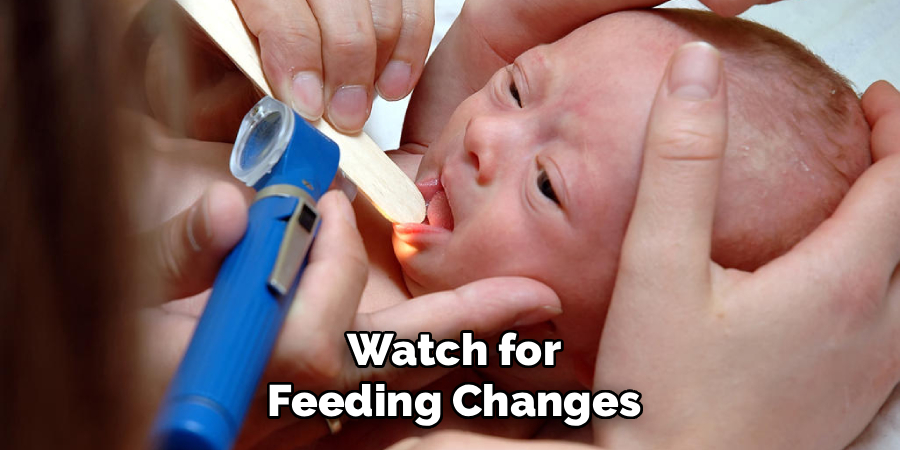
Look for feeding refusal, shorter feeds, or a weaker suck than usual. Some babies seem hungry but stop after a few swallows because the sensation feels scratchy or sharp. If you are learning how to know if baby has sore throat, compare today’s feeding pattern with your baby’s normal routine. A sudden change, especially with fever or congestion, deserves close attention.
Step 2 – Listen for a Hoarse Cry
Your baby’s cry can offer useful clues. A hoarse cry may sound raspy, rough, strained, or lower than usual. You might notice the cry seems “scratchy,” especially after coughing or waking from sleep.
A sore throat can make crying sound different because the throat tissues may feel irritated or swollen. Your baby may also cry more often because swallowing saliva hurts. Listen during quiet moments, not only during intense crying. A mild hoarse cry with a runny nose may fit a viral infection, but a weak cry, noisy breathing, or trouble catching breath needs urgent medical attention.
Step 3 – Notice Drooling and Swallowing Discomfort
Drooling can be normal, especially during teething, but sudden heavy drooling can also mean swallowing feels uncomfortable. Watch whether your baby lets saliva pool, gags more often, or seems upset when trying to swallow.
You may see facial grimacing, lip trembling, or crying after swallowing. Some babies rub their face, turn away from feeds, or seem unsettled when lying flat. Teething usually comes with chewing and gum tenderness, while throat pain often pairs with cough, fever, or congestion. If drooling is severe or your baby cannot swallow well, call a pediatrician promptly.
Step 4 – Check for Fever, Cough, and Congestion
A sore throat in babies often appears with other symptoms. Check your baby’s temperature with a digital thermometer and write down the number, time, and method used. Fever can suggest an infection, though not every sore throat causes one.
Listen for coughing and watch for nasal congestion. A blocked nose can make feeding harder because babies need to pause often to breathe. Thick mucus may drip down the throat and cause irritation. If you are trying to understand how to know if baby has sore throat, look at the whole symptom pattern instead of one sign alone. Fever in young babies always deserves careful medical guidance.
Step 5 – Track Hydration and Wet Diapers
Hydration matters more than the exact label for the illness. If swallowing hurts, your baby may drink less, which can lead to dehydration. Count wet diapers and compare them with your baby’s usual pattern.
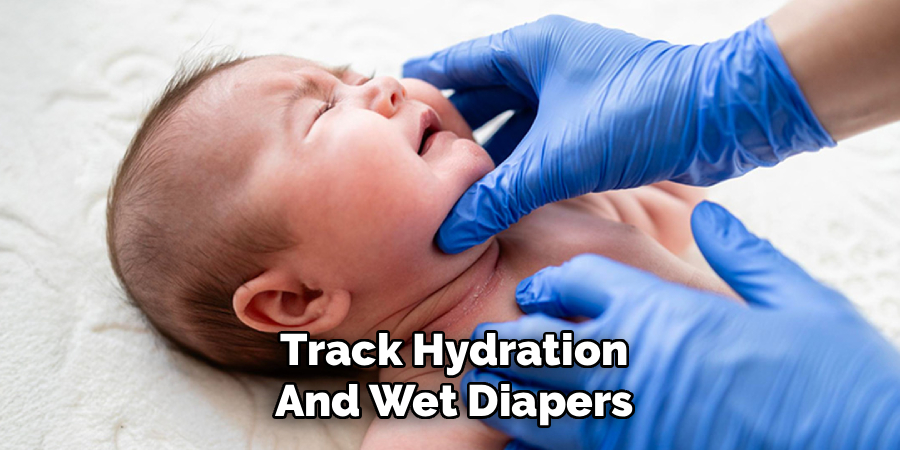
Watch for a dry mouth, fewer tears when crying, sunken soft spot, unusual sleepiness, or very dark urine. These signs can mean your baby needs medical help. A baby who feeds less for one short period may recover with comfort and monitoring, but ongoing poor intake is different. If your baby has fewer wet diapers than expected or seems weak, call your pediatrician the same day.
Step 6 – Assess Mood, Comfort, and Sleep
A baby with throat pain may seem clingier, more irritable, or harder to settle. You may notice they wake more often, cry when laid down, or want to be held upright. Congestion and postnasal drip can make symptoms feel worse at night.
Pay attention to changes from your baby’s normal temperament. Some babies become fussy and restless, while others seem unusually quiet. Both can matter. Comfort measures like cuddling, keeping the room comfortably humid, and offering frequent feeds may help. Avoid guessing based only on mood, though. Combine behavior changes with feeding, temperature, breathing, and diaper patterns.
Step 7 – Look Gently in the Mouth
You can look inside your baby’s mouth, but do it gently and with realistic expectations. Wash your hands, use good lighting, and avoid pushing anything deep into the mouth. If your baby resists, stop and try again later.
You may notice redness near the back of the throat, swollen tonsil areas, white patches, or extra mucus. However, many parents cannot see the throat clearly, and home checks cannot confirm the cause. A red throat may come from a viral infection, crying, reflux, or irritation. Your role is to observe, not diagnose. Share what you see with your pediatrician.
Step 8 – Know When to Call the Pediatrician
Call your pediatrician if your baby has fever, poor feeding, fewer wet diapers, persistent crying, worsening cough, or symptoms that do not improve. You should also call if your baby seems unusually sleepy, has trouble swallowing, or develops a rash.
Seek urgent care right away for breathing trouble, bluish lips, severe drooling, dehydration signs, or a weak, hard-to-wake baby. For newborns and young infants, fever needs quick medical advice. Trust your instincts. You know your baby’s usual behavior better than anyone, and a clear symptom timeline can help the doctor decide the safest next step.
Read Our Complete Guide On How To Stop Baby Scratching Face At Night.
Common Mistakes When Checking for a Baby’s Sore Throat
One common mistake is assuming every feeding problem means a sore throat. Babies may feed poorly because of gas, reflux, ear pain, nasal congestion, teething, tiredness, or normal growth changes. Look for a pattern instead of relying on one moment.
Another mistake is trying to inspect the throat too forcefully. Putting a spoon, finger, or object too far into your baby’s mouth can cause gagging or injury. A gentle look is enough. If you cannot see clearly, let a clinician examine your baby safely.
Some parents also overlook hydration because they focus only on fever. Wet diapers, tears, alertness, and mouth moisture can reveal how well your baby is coping. Poor intake matters even when the temperature is not high.
Finally, avoid giving over-the-counter throat medicines, honey, or adult remedies without medical advice. Honey is unsafe for babies under 12 months, and many cold products are not appropriate for infants. When in doubt, call your pediatrician.
Expert Tips
Think like an observer, not a detective who must solve everything at home. Track what you see: feeding length, wet diapers, temperature, sleep, cough, congestion, drooling, and crying quality. These details help your pediatrician far more than a single guess.
Offer smaller, more frequent feeds if your baby is willing. Keep the nose clear before feeding when congestion is present, since easier breathing can make swallowing less stressful. Use comfort measures that match your baby’s age and your doctor’s advice. Most mild throat irritation from a viral infection improves with time, fluids, and rest, but worsening symptoms should never be ignored.
Frequently Asked Questions
Can babies get sore throats from a cold?
Yes, babies can develop throat irritation from a cold or viral infection. Mucus can drain down the back of the throat and cause coughing, redness, and discomfort. You may notice congestion, sneezing, mild fever, feeding changes, or a hoarse cry. Most viral symptoms improve with supportive care, but young babies need closer monitoring.
How can I tell the difference between teething and a sore throat?
Teething often causes gum swelling, chewing, mild drooling, and fussiness. A sore throat is more likely when you also see feeding refusal, painful swallowing, cough, fever, congestion, or a hoarse cry. The two can overlap, which makes it tricky. If your baby drinks less, has fever, or seems very uncomfortable, call your pediatrician.
When is a sore throat in a baby an emergency?
Seek urgent care if your baby has trouble breathing, bluish lips, severe drooling, signs of dehydration, extreme sleepiness, or difficulty swallowing. A fever in a very young infant also needs prompt medical advice. Trust your instincts if your baby seems seriously unwell. Fast care is safer than waiting when breathing, hydration, or alertness changes.
Can I give my baby medicine for throat pain?
Do not give throat sprays, cough medicine, cold medicine, honey, or pain relievers unless your pediatrician says they are safe for your baby’s age and weight. Some products can harm infants. Your doctor may recommend age-appropriate fever or pain relief in certain cases. Always use the correct dose and measuring tool.
What can I do at home to comfort my baby?
You can offer frequent feeds, hold your baby upright, use a cool-mist humidifier, and clear nasal congestion with saline and suction if recommended. Keep the room comfortable and let your baby rest. Watch wet diapers closely. Avoid smoke, strong scents, and unsafe remedies. If symptoms worsen or feeding drops, contact your pediatrician.
Learn How To Use Eucalyptus Oil For Baby Cold.
Conclusion
Learning to read your baby’s signals takes practice, and you do not need to get it perfect every time. Focus on the clearest clues: feeding changes, painful swallowing, hoarse cry, drooling, fever, cough, congestion, hydration, wet diapers, mood, and sleep. These signs help you understand whether your baby may have throat discomfort and whether symptoms are mild, worsening, or urgent.
Remember that a home check cannot replace medical care. You can observe patterns, offer comfort, and track symptoms, but your pediatrician should guide diagnosis and treatment. If your baby is very young, has a fever, drinks poorly, has fewer wet diapers, or seems unusually sleepy, call for advice.
The more calmly you observe, the better you can respond. With this guide, you now have a practical way to understand how to know if baby has sore throat and when to seek help.

About
Joann Meril didn’t plan on becoming a parenting writer — it found her. After spending several years working as a certified nursing assistant in a pediatric clinic, Joann saw firsthand how anxious and under-informed new parents could feel, even with a hospital full of resources around them. When she had her own two children, that gap became personal. Suddenly she was the one googling things at 2 a.m., comparing baby monitors, and wondering if the swaddle she bought was actually safe.
That experience is what shaped her approach to writing. Joann believes parenting advice should be practical, honest, and free of unnecessary jargon or guilt. She tests products herself whenever possible, reads the actual safety standards instead of just the marketing copy, and isn’t afraid to say when something isn’t worth the money.
Today, Joann writes full-time, covering everything from newborn sleep routines to gear reviews to the small everyday wins that make parenting feel a little less overwhelming. When she’s not researching or writing, she’s usually chasing her own kids around the backyard or drinking coffee that’s gone cold for the third time that morning.
Joann lives in [City/State] with her husband and two children.
Credibility
- Background in pediatric caregiving (CNA)
- Mom of two, hands-on parenting experience
- Hand-tests baby gear before recommending it
- Focus: infant sleep, feeding, gear safety, early development