
Your body just did something extraordinary. It grew a whole person, and now it’s recovering while you survive on broken sleep and a lot of love. So if you’re wondering how to lose baby weight without making your life harder than it already is, you’re in exactly the right place.
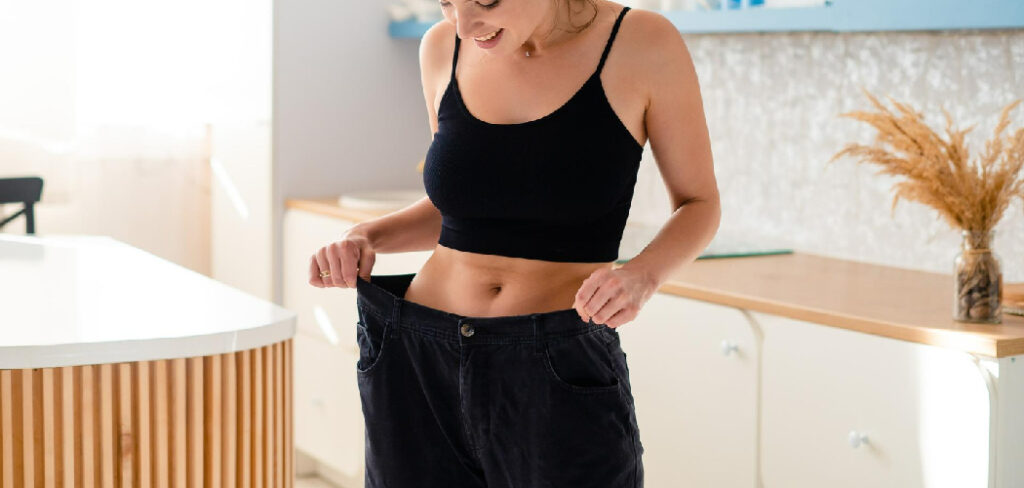
This guide walks you through the practical, doable stuff. No crash diets, no guilt, no pressure to “bounce back.” Just a calm, friendly plan for feeling good in your body again, one small step at a time.
Why This Matters for New Parents
Here’s the honest truth: losing baby weight isn’t really about a number on the scale. It’s about energy, strength, and feeling like yourself.
You need stamina to carry a car seat, rock a fussy baby at 3 a.m., and get through long days. Gentle, healthy weight loss helps you build that energy back up. It also supports your mood, your sleep, and your long-term health.
But let’s set expectations clearly. Your body took about nine months to change, and it’s reasonable for it to take a similar stretch of time to settle. Studies suggest steady, slow weight loss tends to last longer than fast results. There’s no prize for rushing.
One more thing worth saying out loud: some weight is meant to stay for a while, especially if you’re breastfeeding. That’s your body being smart, not stubborn.
What You’ll Need
You don’t need much to start. In fact, fancy equipment often gets in the way more than it helps. Here’s a short, realistic list.
- Comfortable clothes and supportive shoes: Anything you can move and stretch in without fuss.
- A water bottle: Hydration supports your energy, your milk supply, and your appetite signals.
- A simple way to move: A stroller for walks, a yoga mat, or just open floor space at home.
- A few easy, nourishing foods: Think fruit, eggs, yogurt, nuts, and whole grains you can grab one-handed.
- Patience and self-kindness: The two most useful tools you own right now.
That’s genuinely it. You can add more later if you want, but none of it is required to begin.
7 Step-by-Step Guide on How to Lose Baby Weight
Think of this as a flexible plan, not a rigid rulebook. Take what works and leave the rest.
Step 1: Wait for the Green Light
Before anything structured, get cleared by your doctor or midwife. Most providers recommend waiting until your postpartum checkup, often around six weeks, before starting real exercise or cutting calories.

Tip: If you had a cesarean (C-section) — surgery to deliver your baby through your belly — your recovery may take longer. Don’t compare your timeline to anyone else’s.
Step 2: Start With Walking
Walking is the gentlest way back into movement, and it counts. A short stroll with the stroller does more than you’d think for your body and your mind.
Tip: Begin with 10 minutes a day and build up slowly. Fresh air also helps with the postpartum blues.
Step 3: Eat Enough, Not Less
This sounds backwards, but eating too little can stall your progress and drain your energy. Your body needs fuel to recover and, if you’re nursing, to make milk.
Focus on adding good things rather than cutting everything out. Protein, vegetables, fruit, and whole grains keep you full and steady.
Tip: Prep grab-and-go snacks during nap time so you’re not reaching for sugar when you crash.
Step 4: Drink Water Often
Dehydration can feel a lot like hunger, which leads to extra snacking. Keep a water bottle wherever you usually sit to feed or hold your baby.

Tip: Drink a glass each time you nurse or prepare a bottle. It builds an easy, automatic habit.
Step 5: Rebuild Your Core Gently
Pregnancy stretches your belly muscles, and sometimes they separate slightly — a common, normal condition called diastasis recti. Jumping into crunches too soon can make it worse.
Start with gentle moves like deep breathing, pelvic tilts, and slow walks. Build strength before intensity.
Tip: Ask your doctor whether you’d benefit from seeing a pelvic floor physical therapist. Many parents find it genuinely helpful.
Step 6: Prioritize Sleep Wherever You Can
Poor sleep raises hunger hormones and makes weight loss harder. This is one of the most overlooked parts of how to lose baby weight.
You won’t get perfect sleep with a newborn, and that’s okay. Rest when you can, and accept help so you can nap.
Tip: A 20-minute daytime rest can do more for your appetite control than an extra workout.
Step 7: Add Strength Movement Over Time
Once you’re cleared and walking feels easy, add light strength work. Bodyweight squats, wall push-ups, and lifting your baby all build muscle, and muscle helps your body use energy better.
Tip: Two short sessions a week is plenty to start. Consistency beats intensity every time.
Common Mistakes to Avoid
Even the most well-meaning parents fall into a few traps. Knowing them ahead of time makes them easier to dodge.
- Starting too fast. Intense workouts or strict diets right after birth can slow healing and burn you out. Ease in instead.
- Skipping meals. Going hungry tanks your energy and often leads to overeating later. Eat regularly to stay steady.
- Comparing yourself to others. That celebrity “post-baby body” usually involves trainers, chefs, and editing. Your timeline is yours alone.
- Ignoring your mental health. Stress and low mood affect your weight and your wellbeing. Caring for your mind is part of the plan, not separate from it.
- Treating breastfeeding as a guaranteed shortcut. Nursing burns calories for some people, but not everyone loses weight from it. Don’t rely on it as your only strategy.
Safety Tips
A few simple guidelines keep your recovery on track and protect your body while you heal.
- Get medical clearance first. Always check with your provider before starting exercise or restricting food.
- Don’t cut calories too low while breastfeeding. Very low intake can reduce your milk supply. Most nursing parents need extra calories, not fewer.
- Stop if something hurts. Pain, dizziness, or heavy bleeding is a signal to rest and check in with your doctor.
- Avoid extreme diets and detox products. They can be unsafe postpartum, especially while nursing, and rarely lead to lasting results.
- Listen to your pelvic floor. Leaking urine or a feeling of heaviness means you need a gentler approach, not more effort.
Signs You’re Doing It Right
Progress isn’t always visible on the scale, so watch for these encouraging signs instead.
- Your energy is improving. You feel a little less drained than last week.
- Your clothes fit more comfortably. Even small changes count.
- You’re sleeping a touch better when you get the chance.
- You feel stronger lifting and carrying your baby.
- Your mood feels steadier. Movement and nourishment lift you up.
If you’re noticing even one or two of these, you’re on the right path. Slow and steady really is the goal here.
When to Call a Doctor
Most of the postpartum journey is normal, but a few signs deserve prompt attention. Reach out to your doctor if you notice any of the following.
- Heavy bleeding that soaks a pad in an hour or returns after slowing.
- Severe or worsening belly pain, especially after a C-section.
- Signs of infection, such as fever, chills, or a wound that’s red, warm, or leaking.
- Persistent sadness, anxiety, or feeling disconnected from your baby. These can signal postpartum depression, and treatment helps.
- Rapid, unexplained weight loss without trying, or no progress at all despite healthy habits over several months.
Calling your doctor is never an overreaction. When in doubt, ask.
Frequently Asked Questions
How soon can I start trying to lose baby weight?
Gentle movement like walking can often begin within days, if you feel up to it and had a smooth delivery. For structured exercise and any calorie reduction, wait until your provider clears you, usually around your six-week checkup.
Does breastfeeding help you lose baby weight?
It can. Breastfeeding burns extra calories, so some parents lose weight more easily while nursing. But this varies a lot, and others hold onto weight until they wean. Either way is normal.
How long does it really take to lose baby weight?
For most people, it takes several months to a year, sometimes longer. A loss of about one to two pounds a week is a healthy, sustainable pace once you’re cleared to start.
Can I diet while breastfeeding?
You can eat in a mild calorie deficit, but don’t go too low. Severe restriction can reduce your milk supply and your energy. Focus on nourishing foods and let weight loss happen gradually.
Why am I not losing weight even though I’m trying?
Several things may be at play: not enough sleep, stress, hormone shifts, or eating too little, which can backfire. If healthy habits aren’t moving the needle after a few months, check in with your doctor.
Final Thoughts on How to Lose Baby Weight
Learning how to lose baby weight isn’t about racing back to who you were before. It’s about building energy, strength, and confidence for the version of you that exists now — a parent doing one of the hardest, most loving jobs there is.
Go gently. Move a little, eat enough, sleep when you can, and ask for help without guilt. Those small, steady choices add up far more than any quick fix ever could.
You’re already doing more than you give yourself credit for. Be patient with your body, kind to your mind, and trust that you’re exactly where you need to be.

About
Joann Meril didn’t plan on becoming a parenting writer — it found her. After spending several years working as a certified nursing assistant in a pediatric clinic, Joann saw firsthand how anxious and under-informed new parents could feel, even with a hospital full of resources around them. When she had her own two children, that gap became personal. Suddenly she was the one googling things at 2 a.m., comparing baby monitors, and wondering if the swaddle she bought was actually safe.
That experience is what shaped her approach to writing. Joann believes parenting advice should be practical, honest, and free of unnecessary jargon or guilt. She tests products herself whenever possible, reads the actual safety standards instead of just the marketing copy, and isn’t afraid to say when something isn’t worth the money.
Today, Joann writes full-time, covering everything from newborn sleep routines to gear reviews to the small everyday wins that make parenting feel a little less overwhelming. When she’s not researching or writing, she’s usually chasing her own kids around the backyard or drinking coffee that’s gone cold for the third time that morning.
Joann lives in [City/State] with her husband and two children.
Credibility
- Background in pediatric caregiving (CNA)
- Mom of two, hands-on parenting experience
- Hand-tests baby gear before recommending it
- Focus: infant sleep, feeding, gear safety, early development