
You noticed white patches in your baby’s mouth, and now you’re worried. Maybe feeding has become fussier than usual, or those spots just won’t wipe away. Take a breath — thrush is common, treatable, and rarely serious.
This guide walks you through how to get rid of thrush in babies step by step. You’ll learn what causes it, what supplies help, how to treat it safely, and when it’s time to call your doctor.
What Is Thrush, Exactly?
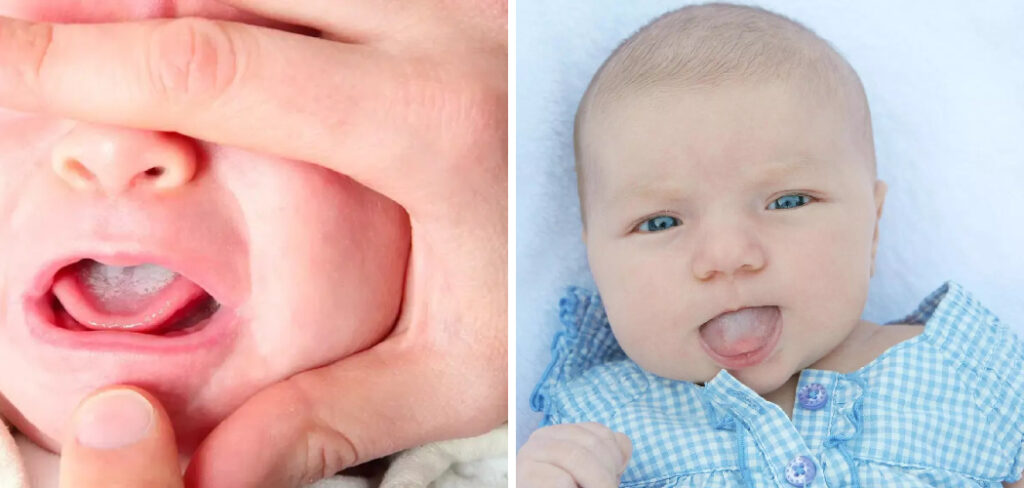
Thrush is a mild yeast infection in your baby’s mouth. It’s caused by a fungus called Candida — the same harmless yeast that normally lives in our bodies. Sometimes it grows a little too much, especially in tiny mouths with developing immune systems.
You’ll usually spot it as creamy white patches on the tongue, gums, or inside the cheeks. Unlike milk residue, these patches don’t wipe off easily. If you try to gently remove one, you may see a red, slightly raw spot underneath.
Why This Matters for New Parents
Anything in your baby’s mouth can feel scary, especially when you’re already running on little sleep. The good news: thrush is one of the most common and manageable issues in the first months of life.
Here’s why it’s worth treating promptly:
- Comfort: Thrush can make your baby’s mouth sore, which may lead to fussy or shorter feeds.
- Spread: It can pass between your baby’s mouth and your nipples if you’re breastfeeding, creating a back-and-forth cycle.
- Feeding: A sore mouth sometimes means a baby eats less, which understandably worries parents.
None of this means you’ve done something wrong. Thrush happens to plenty of healthy, well-cared-for babies — it’s simply a quirk of a developing immune system.
What You’ll Need
Most thrush treatment is simple. Your doctor will guide the medication, but a few supplies make the process smoother.
- Prescribed antifungal medication: Usually an oral gel or liquid drops your doctor recommends.
- Clean spoon or oral syringe: For measuring and applying medication accurately.
- Sterilizing equipment: A steam sterilizer, sterilizing tablets, or a large pot for boiling.
- Spare bottles, nipples, and pacifiers: So you can rotate clean ones while others are being sterilized.
- Clean burp cloths and breast pads: Especially helpful if you’re breastfeeding.
- A nipple antifungal cream (if breastfeeding): Your doctor may prescribe this for you too.
Keep these together in one spot. When you’re tired, having everything in one place makes treatment far less stressful.
6 Step-by-Step Guide: How to Get Rid of Thrush in Babies
Here’s a clear, practical routine to follow. Always confirm the exact medication and dose with your doctor first.
1. Confirm it’s actually thrush.
Try gently wiping one white patch with a clean, damp cloth. Milk residue wipes away easily. Thrush stays put and may leave a red area underneath. When in doubt, have your doctor take a look.
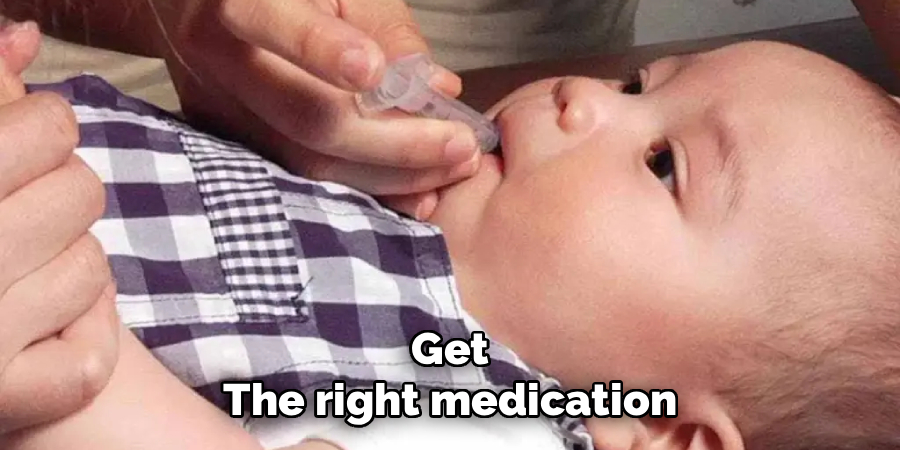
2. Get the right medication.
Thrush usually needs a prescribed antifungal — it won’t clear on its own as quickly. Your doctor may suggest an oral gel or liquid. Tip: Ask exactly how much to use and how often, then write it down.
3. Apply the medication correctly.
Wash your hands first. Using a clean finger or the applicator, dab the gel onto the white patches and around the inside of the mouth. Tip: Treat after feeds, not before, so the medication isn’t washed away.
4. Treat both sides if breastfeeding.
If your nipples are sore, pink, or itchy, you likely need treatment too. Apply your prescribed cream after each feed. This stops the infection bouncing back and forth between you and your baby.
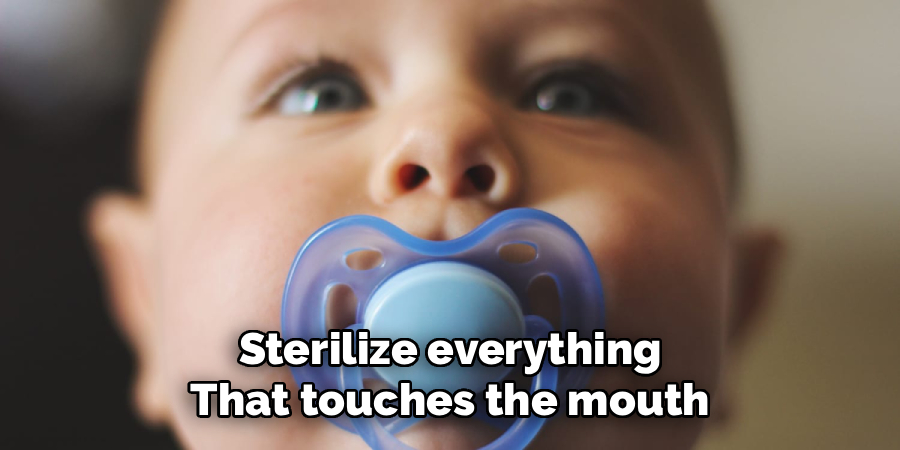
5. Sterilize everything that touches the mouth.
Boil or sterilize bottles, nipples, pacifiers, and teethers daily during treatment. Yeast clings to these items and can reinfect your baby.
6. Keep going for the full course.
Continue treatment for as long as your doctor advises — often a few days after the patches disappear. Stopping early is the most common reason thrush comes back.
Age-Specific Advice
Thrush looks similar at every age, but your approach shifts slightly as your baby grows.
Newborns (0–4 weeks)
Newborns are especially prone to thrush because their immune systems are brand new. Be extra gentle when applying medication, and watch feeds closely. If your baby refuses to feed or seems unusually unsettled, call your doctor sooner rather than later.
1–3 Months
At this stage, babies often still rely fully on milk. Sterilize feeding equipment carefully and check your nipples (if breastfeeding) for signs of infection. A consistent post-feed treatment routine works well here.
3–6 Months
Drooling and hand-to-mouth exploration increase now. Anything your baby chews — teethers, toys, fingers — can carry yeast. Wash these often, and keep up with the full medication course even when things look better.
6+ Months
Once solids and more toys enter the picture, hygiene matters even more. Clean cups, spoons, and toys regularly. Thrush is less common at this age, so if it keeps returning, mention it to your doctor.
Common Mistakes to Avoid
A few simple missteps can drag thrush out longer than necessary. Here’s what to watch for.
- Stopping treatment too early. The patches may vanish before the yeast is fully gone. Finish the full course your doctor recommends.
- Skipping sterilization. Treating the mouth but not the bottles and pacifiers lets the infection return. Sterilize daily.
- Treating only the baby. If you’re breastfeeding and have symptoms, treat yourself too. Otherwise you’ll keep passing it back and forth.
- Using home remedies without advice. Honey, in particular, is unsafe for babies under one year and won’t treat thrush. Stick to what your doctor prescribes.
- Mistaking milk for thrush. Wiping at milk residue is harmless, but over-scrubbing real thrush patches can hurt. Check gently before assuming.
Safety Tips
Treating thrush is straightforward, but a few safety reminders keep things smooth.
- Always confirm dosing with your doctor or pharmacist. Never guess medication amounts for a baby.
- Never give honey to babies under 12 months. It carries a risk of infant botulism, a rare but serious illness.
- Avoid scrubbing the mouth. Gentle dabbing is enough; harsh wiping can cause bleeding.
- Use clean hands and clean tools every time. This prevents adding more germs.
- Don’t share medication between children. Each prescription is dosed for one child.
These habits protect your baby and help the treatment work as intended.
Signs You’re Doing It Right
It’s reassuring to know your efforts are paying off. Watch for these positive changes within a few days of starting treatment.
- The white patches start shrinking or fading.
- Your baby feeds more comfortably and willingly.
- Fussiness during feeds eases up.
- Any redness inside the mouth begins to calm.
- If you were treating your nipples, soreness improves too.
Improvement is usually gradual, not instant. If you see small steps in the right direction, you’re on track.
When to Call a Doctor
Most thrush clears with simple treatment, but some signs deserve a professional’s attention. Call your doctor if:
- The thrush hasn’t improved after about a week of treatment.
- Your baby refuses to feed or shows signs of dehydration — fewer wet diapers, dry lips, or unusual sleepiness.
- White patches spread to the throat or appear alongside a diaper rash that won’t clear.
- Your baby develops a fever.
- The thrush keeps coming back despite proper treatment.
You know your baby best. If something feels off, it’s always okay to check in — that’s exactly what your doctor is there for.
Frequently Asked Questions
How long does thrush take to go away in babies?
With proper treatment, you’ll often see improvement within a few days, and full clearing usually takes one to two weeks. Always finish the complete course, even after the patches disappear.
Can thrush in babies go away on its own?
Mild cases sometimes clear without treatment, but it’s not the reliable approach. Treating it helps your baby feel comfortable faster and lowers the chance of it spreading or returning.
Is baby thrush contagious?
It can pass between your baby’s mouth and your nipples during breastfeeding, and it can linger on bottles and pacifiers. That’s why treating both sides and sterilizing equipment matters so much.
What causes thrush in babies?
It’s usually an overgrowth of natural yeast, often after antibiotics or simply because of an immature immune system. It’s rarely a sign of poor hygiene or anything you did wrong.
Can I prevent thrush from coming back?
Yes, in most cases. Sterilize feeding items regularly, treat yourself if you’re breastfeeding, and finish every medication course completely. These habits make repeat infections far less likely.
Final Thoughts
Learning how to get rid of thrush in babies feels overwhelming at first, but you’ve now got a clear, practical plan. Confirm it’s thrush, follow your doctor’s treatment, sterilize what touches your baby’s mouth, and finish the full course.
Thrush is common, gentle to treat, and almost always temporary. Trust your instincts, lean on your doctor when you need to, and know that you’re doing a wonderful job caring for your little one.

About
Joann Meril didn’t plan on becoming a parenting writer — it found her. After spending several years working as a certified nursing assistant in a pediatric clinic, Joann saw firsthand how anxious and under-informed new parents could feel, even with a hospital full of resources around them. When she had her own two children, that gap became personal. Suddenly she was the one googling things at 2 a.m., comparing baby monitors, and wondering if the swaddle she bought was actually safe.
That experience is what shaped her approach to writing. Joann believes parenting advice should be practical, honest, and free of unnecessary jargon or guilt. She tests products herself whenever possible, reads the actual safety standards instead of just the marketing copy, and isn’t afraid to say when something isn’t worth the money.
Today, Joann writes full-time, covering everything from newborn sleep routines to gear reviews to the small everyday wins that make parenting feel a little less overwhelming. When she’s not researching or writing, she’s usually chasing her own kids around the backyard or drinking coffee that’s gone cold for the third time that morning.
Joann lives in [City/State] with her husband and two children.
Credibility
- Background in pediatric caregiving (CNA)
- Mom of two, hands-on parenting experience
- Hand-tests baby gear before recommending it
- Focus: infant sleep, feeding, gear safety, early development