
That angry red rash on your baby’s bottom can stop you in your tracks. You change the diaper, you clean carefully, and yet it keeps coming back — sometimes redder, sometimes with little bumps around the edges. If your pediatrician sent you home with a tube of nystatin cream, you probably have questions about how to use nystatin cream for babies
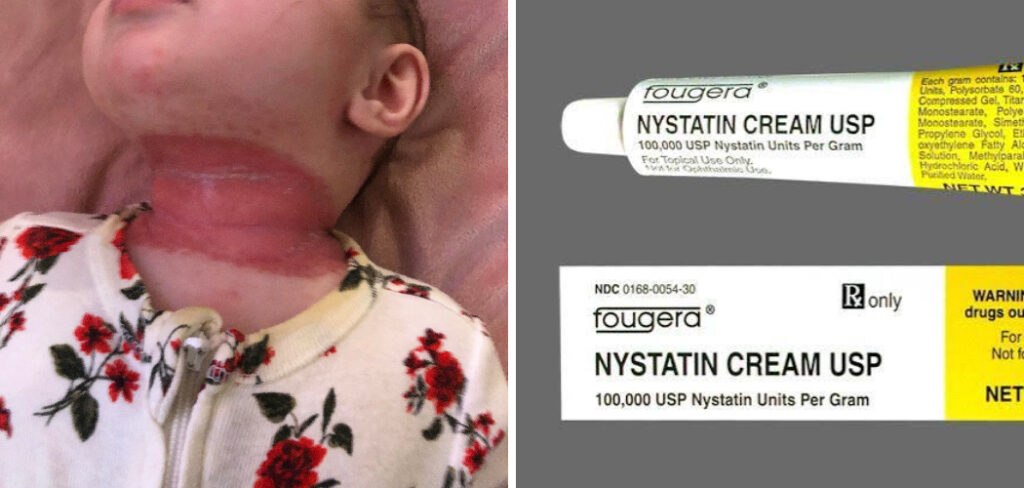
This guide walks you through exactly that. You’ll learn what nystatin cream does, how to apply it step by step, the mistakes to skip, and the signs that tell you it’s working. Let’s take the worry out of it together.
Why This Matters for New Parents
Nystatin cream is an antifungal medicine. In plain terms, it treats infections caused by yeast — a type of fungus that loves warm, damp places like a diaper area.
A regular diaper rash and a yeast diaper rash can look similar, but they need different care. A yeast rash often shows up as a bright red patch with smaller red dots or “satellite” spots scattered around the main rash. It also tends to stick around even after you’ve tried your usual diaper cream.
That’s where nystatin comes in. Your doctor prescribed it because they suspect yeast is the real culprit, and ordinary diaper creams won’t clear that up on their own. Using it correctly helps your baby feel comfortable faster and keeps the rash from getting worse.
Here’s the reassuring part: yeast diaper rashes are very common, especially after a round of antibiotics or a stretch of warm, sweaty days. You didn’t do anything wrong, and this is very treatable.
How to Use Nystatin Cream for Babies: 7 Step-by-Step Guide
Applying nystatin cream is simple once you know the rhythm. Follow these steps at each diaper change, or as often as your doctor recommends — usually two to four times a day.
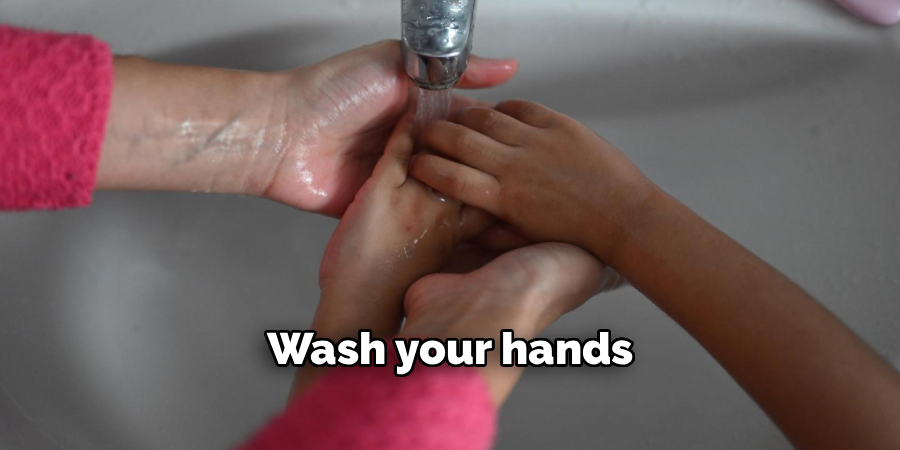
Step 1: Wash your hands. Clean hands keep extra germs away from your baby’s already-irritated skin. A quick scrub with soap and water does the job.
Step 2: Gently clean the diaper area. Use warm water and a soft cloth or a fragrance-free wipe. Pat the skin clean rather than rubbing, since sore skin is sensitive.
Step 3: Let the skin dry fully. This step matters more than it seems. Yeast thrives in moisture, so let the area air-dry for a minute or two before you apply anything. You can gently pat with a soft towel to speed it up.
Step 4: Apply a thin layer of nystatin cream. Squeeze a small amount onto your finger and spread a thin, even coat over the rash and a little beyond its edges. A thin layer works just as well as a thick glob — more cream doesn’t mean faster healing.

Step 5: Wait a moment before the next product. If your doctor also recommended a barrier cream (like a zinc oxide diaper cream) on top, let the nystatin absorb for a minute first, then layer the barrier cream over it.
Step 6: Put on a fresh diaper. Fasten it snugly but not too tight, so air can still move a little around the skin.
Step 7: Wash your hands again. This keeps the yeast from spreading to other spots, including your own skin.
Stick with this routine consistently, even on days when the rash looks better. Consistency is what clears yeast for good.
Common Mistakes to Avoid
Small habits can slow down healing without you realizing it. Here are the ones to watch for.
- Stopping too soon. The rash often looks better before the yeast is fully gone. Keep applying the cream for the full number of days your doctor recommended, usually around 7 to 10 days.
- Applying too much cream. A thick layer doesn’t speed things up and can leave the skin damp. A thin, even coat is all your baby needs.
- Skipping the drying step. Putting cream on damp skin traps moisture, which is exactly what yeast loves. Always let the area dry first.
- Using it for the wrong rash. Nystatin only treats yeast. If the rash isn’t caused by yeast, the cream won’t help — which is why a doctor’s diagnosis matters before you start.
- Mixing up the order of creams. If you’re using both nystatin and a barrier cream, apply the nystatin first so it reaches the skin directly.
Safety Tips
Nystatin is considered gentle and safe for babies when used as directed. Still, a few simple habits keep things on track.
- Use only what your doctor prescribed. Stick to the amount and schedule they gave you.
- Keep it for external use only. Nystatin cream goes on the skin, not in the mouth, eyes, or any other area unless your doctor specifically says so.
- Store it properly. Keep the tube at room temperature and out of your baby’s reach.
- Check the expiration date. An old or expired tube may not work as well.
- Avoid sharing tubes. Use a fresh, separate tube for each child to prevent spreading the infection.
One quick note on reactions: nystatin rarely causes side effects, but mild irritation can happen. If the area looks more inflamed after starting the cream rather than calmer, pause and check with your doctor.
Signs You’re Doing It Right
It helps to know what progress looks like, so you’re not left guessing. Most yeast rashes start improving within a few days of consistent treatment.
Watch for these encouraging signs:
- The redness fades. The bright, angry color softens to a calmer pink.
- The satellite spots shrink. Those little dots around the main rash start to disappear.
- Your baby seems more comfortable. Less fussing during diaper changes is a good clue.
- The skin feels smoother. Bumpy or raw patches begin to settle and heal.
If you see steady improvement day by day, you’re on the right track. Healing isn’t always perfectly linear, so a little up and down is normal as long as the overall trend is better.
When to Call a Doctor
Most yeast diaper rashes clear up smoothly with nystatin. But some signs mean it’s time to check in with your pediatrician.
Reach out if you notice any of the following:
- No improvement after 5 to 7 days of regular use.
- The rash spreads to new areas or gets worsened and more raw.
- Open sores, blisters, or oozing appear on the skin.
- Pus, crusting, or a foul smell develops, which can signal a different kind of infection.
- Your baby has a fever or seems unusually unwell, sleepy, or hard to soothe.
- Signs of an allergic reaction show up, such as swelling, hives, or increased irritation right where you applied the cream.
You know your baby best. If something feels off, calling your doctor is always the right move — they would rather hear from you than have you worry alone.
Frequently Asked Questions
How long does nystatin cream take to work on babies?
You’ll often see improvement within 2 to 3 days, with the rash clearing over about 7 to 10 days. Keep using it for the full course your doctor recommended, even once it looks better.
Can I use nystatin cream and a regular diaper cream together?
Yes, and many doctors suggest it. Apply the nystatin first so it reaches the skin, let it absorb for a minute, then add a barrier cream like zinc oxide on top to protect against moisture.
Is nystatin cream safe for newborns?
Nystatin is widely used for babies, including newborns, when prescribed by a doctor. Always follow the exact instructions you were given for your baby’s age and rash.
How often should I apply nystatin cream to my baby?
Most often it’s two to four times a day, typically at diaper changes. Your doctor’s instructions take priority, so follow the schedule on your prescription.
What if I miss a dose?
Don’t worry. Simply apply it at the next diaper change and continue your normal routine. There’s no need to double up to make up for a missed application.
Final Thoughts on How to Use Nystatin Cream for Babies
Treating a yeast diaper rash can feel stressful, especially when you’re already juggling so much as a new parent. But once you know how to use nystatin cream for babies, the routine becomes second nature: clean gently, dry fully, apply a thin layer, and stay consistent.
Yeast rashes are common, treatable, and not a sign you’ve done anything wrong. With a little patience and steady care, your baby’s skin will heal — and those tear-free diaper changes will be back before you know it. You’ve got this.

About
Joann Meril didn’t plan on becoming a parenting writer — it found her. After spending several years working as a certified nursing assistant in a pediatric clinic, Joann saw firsthand how anxious and under-informed new parents could feel, even with a hospital full of resources around them. When she had her own two children, that gap became personal. Suddenly she was the one googling things at 2 a.m., comparing baby monitors, and wondering if the swaddle she bought was actually safe.
That experience is what shaped her approach to writing. Joann believes parenting advice should be practical, honest, and free of unnecessary jargon or guilt. She tests products herself whenever possible, reads the actual safety standards instead of just the marketing copy, and isn’t afraid to say when something isn’t worth the money.
Today, Joann writes full-time, covering everything from newborn sleep routines to gear reviews to the small everyday wins that make parenting feel a little less overwhelming. When she’s not researching or writing, she’s usually chasing her own kids around the backyard or drinking coffee that’s gone cold for the third time that morning.
Joann lives in [City/State] with her husband and two children.
Credibility
- Background in pediatric caregiving (CNA)
- Mom of two, hands-on parenting experience
- Hand-tests baby gear before recommending it
- Focus: infant sleep, feeding, gear safety, early development