

A baby blanket is one of the most rewarding first knitting projects because it is simple, useful, and full of meaning. You do not need fancy shaping, tiny sleeves, or complicated seams. You need soft yarn, steady hands, and a clear plan you can follow one row at a time.
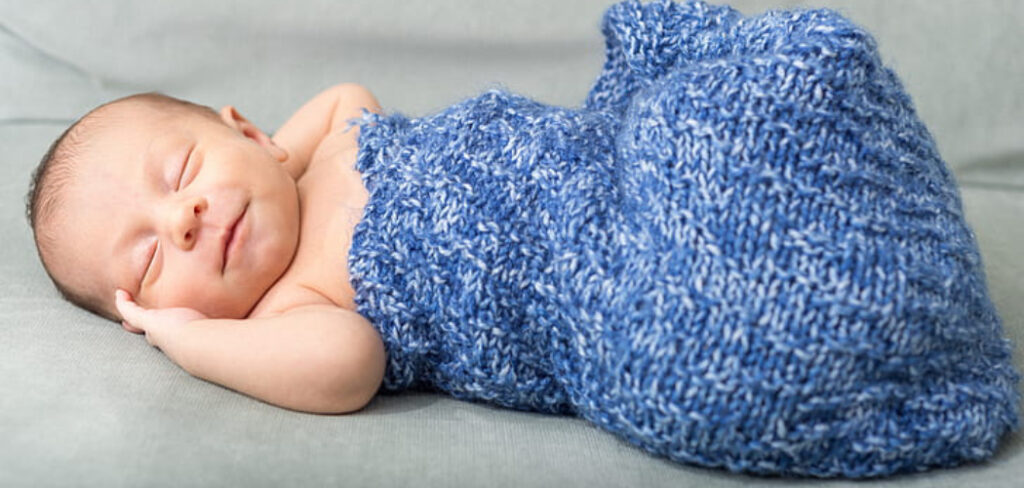
If you are learning how to knit a baby blanket, start with a basic stitch pattern and a manageable blanket size so the project feels calm instead of overwhelming. You will learn how to choose yarn, cast on, knit even rows, finish the edges, and make a safe handmade baby gift. This guide shows beginners how to make a simple, soft, washable baby blanket from start to finish.
Why Knitting a Baby Blanket Is a Great Beginner Skill
Knitting a baby blanket teaches the core skills every new knitter needs. You practice the cast on, knit stitch, row counting, even tension, and bind off without worrying about fitted sizing. A blanket also gives you room to build muscle memory, which matters more than speed at first.
Unlike small projects that may feel fiddly, a blanket has a steady rhythm. The soft yarn moves through your fingers, the fabric grows visibly, and each row gives you a small win. You can start with garter stitch, then try seed stitch or a simple border later. By the end, you understand how knitted fabric behaves, including why some edges curl and how finishing improves the final look.
Tools and Materials You’ll Need
Choose beginner-friendly supplies that feel comfortable in your hands and safe for a baby. Avoid overly fuzzy novelty yarn because it can hide stitches and make mistakes harder to fix.
- Soft machine-washable yarn made from baby-safe fibers, such as acrylic, cotton blend, or superwash wool
- Knitting needles in the size recommended on the yarn label
- Circular needles, especially for wider blanket sizes
- Scissors for trimming yarn ends
- Tapestry needle for weaving in ends
- Stitch markers to help track borders or pattern repeats
- Measuring tape to check width and length
- Gauge swatch supplies, using the same yarn and needles
- Optional convenience item: a row counter for easy row counting
Step-by-Step Guide on How to Knit a Baby Blanket
Step 1 – Choose a Simple Beginner Pattern
Start with a beginner knitting pattern that uses one main stitch. Garter stitch is the easiest choice because you knit every row. It creates a squishy, warm fabric with soft ridges that feel pleasant against small hands and cheeks.
If you want a little texture, seed stitch also works well, but it asks you to switch between knit and purl stitches. Stockinette stitch looks smooth, yet its edges curling can frustrate beginners unless you add a border. For your first blanket, choose simple over fancy. Learning how to knit a baby blanket feels much easier when the pattern lets you focus on rhythm, comfort, and clean edges.
Step 2 – Pick Baby-Friendly Yarn
Your yarn choice affects the whole project. Look for soft yarn that feels smooth, not scratchy, when you rub it against your neck or wrist. Babies have delicate skin, so choose baby-safe fibers and check the label for machine washing.
Washable yarn matters because baby blankets get used often. Spit-up, stroller rides, naps, and floor time all call for easy care. Choose a light or medium yarn weight if you want clear stitches and a blanket that grows at a steady pace. Skip slippery, fuzzy, or heavily textured yarn for now. It may look cute in the skein, but it can make each stitch harder to see.
Step 3 – Make a Gauge Swatch
A gauge swatch is a small test square that shows how your yarn, needles, and tension work together. Cast on enough stitches to make a square about four inches wide, then knit several rows in your chosen stitch pattern. The fabric should feel soft, flexible, and even.
Measure how many stitches fit across four inches. If your swatch is too small, try larger knitting needles. If it is too wide, try smaller needles. Baby blanket size does not need to be exact like a sweater, but gauge still helps you plan. It keeps your blanket from becoming unexpectedly tiny, huge, stiff, or loose.
Step 4 – Cast On the Right Number of Stitches
Now cast on the number of stitches needed for your chosen width. Many beginner baby blankets range from about 30 by 36 inches to 36 by 40 inches. A smaller stroller blanket can be easier for a first project, while a larger crib-style blanket takes more time.
Use a relaxed cast on so the starting edge does not pull tight. If your edge feels stiff or puckered, loosen your hands slightly or cast on with a needle one size larger. This first row sets the tone. A smooth, stretchy beginning makes the blanket easier to knit and nicer to hold.
Step 5 – Knit the First Rows Slowly
The first few rows often feel awkward, and that is normal. Hold the knitting needles gently, keep your shoulders relaxed, and let the yarn slide without yanking. Listen for the soft click of the needles and watch each loop form.
If you use garter stitch, knit every stitch across the row, then turn your work and repeat. This is where how to knit a baby blanket becomes a steady practice instead of a mystery. Check that your stitches sit neatly on the needle and do not twist. After a few rows, the fabric begins to feel thicker, softer, and easier to manage.
Step 6 – Keep Your Tension Even
Even tension makes your blanket look polished. Try to wrap the yarn with the same pressure each time. If some stitches look loose and others look tight, slow down and breathe before each row.
Do not pull the working yarn hard after every stitch. That can create stiff fabric and tight edges. Instead, guide the yarn with light control. Place stitch markers near the border if your pattern includes one, and use row counting to stay consistent. Small habits help a lot here. When your hands settle into a repeatable rhythm, the blanket surface starts to look calm and even.
Step 7 – Knit Until You Reach the Desired Length
Keep knitting until the blanket reaches your planned length. Lay it flat now and then, without stretching it, and measure from the cast-on edge. The fabric may look slightly uneven while it is still on the needles, so do not judge it too early.
As the blanket grows, the weight will rest in your lap. Circular needles help because they hold the fabric more comfortably than straight needles. Take breaks if your hands feel tired. A baby blanket is not a race. Consistent rows over several evenings will give you a warmer, neater result than rushing through tired stitches.
Step 8 – Bind Off and Finish the Blanket
When your blanket is long enough, bind off loosely. A tight bind off can make the final edge narrower than the rest of the blanket. Knit two stitches, pass the first over the second, and continue until one loop remains. Cut the yarn and pull the tail through.
Next, use a tapestry needle for weaving in ends along the edge or inside nearby stitches. Trim only after the ends feel secure. Light blocking can help the fabric relax, especially if the border looks uneven. Avoid buttons, beads, loose ribbons, or unsafe embellishments. A clean, soft finish is safer and more timeless for a baby.
Common Mistakes When Knitting a Baby Blanket
One common mistake is choosing yarn by color alone. A beautiful yarn may shed, itch, or hide your stitches. For a beginner, smooth washable yarn is usually better than fuzzy novelty yarn because you can see each loop clearly and fix errors faster.
Another mistake is skipping the gauge swatch. A baby blanket does not need perfect sizing, but gauge still affects drape, softness, and how much yarn you need. If your fabric feels stiff in the swatch, it will feel stiff in the finished blanket too.
Many beginners also pull the yarn too tightly. Tight tension makes knitting harder, slows your hands, and can create narrow edges. Aim for steady, relaxed loops that slide along the needle without falling off.
Finally, some knitters forget about finishing. Weaving in ends, checking corners, and blocking the fabric can turn a simple rectangle into a polished handmade baby gift. Finishing also helps you catch loose tails before the blanket gets used.
Expert Tips
Choose a pattern you can repeat without checking instructions every minute. Garter stitch with a seed stitch border is a smart next step if you want texture but still want a calm project. Use stitch markers to separate the border from the center panel so you do not lose track.
Buy one extra skein if the yarn dye lot matters. Baby blankets use more yarn than many beginners expect, and matching later can be hard. Also, wash your finished blanket before gifting it. This softens the fibers, removes handling dust, and shows you how the yarn behaves after care. If it survives a gentle wash and dry, it is ready for real life.
Frequently Asked Questions
What Is the Best Stitch for a Beginner Baby Blanket?
Garter stitch is the best first choice because you knit every row. It lies flat, feels soft, and creates a cozy texture without complicated counting. Seed stitch is another good option once you know both knit and purl stitches. Stockinette stitch looks smooth, but it needs a border because the edges tend to curl.
What Size Should a Baby Blanket Be?
A common baby blanket size is about 30 by 36 inches, which works well for strollers, tummy time, and general use. A smaller 24 by 30 inch blanket is easier for beginners and quicker to finish. Larger blankets, around 36 by 40 inches, take more yarn and time but give the baby more room to grow.
Should I Use Straight or Circular Needles?
Circular needles are often easier for blankets, even when knitting flat. They hold many stitches without crowding, and the cable supports the fabric’s weight in your lap. Straight needles can work for narrow blankets, but they may feel heavy as the project grows. Choose the style that feels steady and comfortable in your hands.
How Much Yarn Do I Need for a Baby Blanket?
Yarn amount depends on blanket size, yarn weight, stitch pattern, and gauge. Many small baby blankets need several skeins, while larger versions need more. Check your pattern’s yardage estimate, then buy a little extra if possible. Textured stitches may use more yarn than plain garter stitch, so plan ahead before you cast on.
Can I Knit a Baby Blanket Without a Pattern?
Yes, you can make a simple blanket without a detailed pattern if you understand the basics. Choose your yarn, make a gauge swatch, decide the width, cast on enough stitches, and knit until the fabric reaches the length you want. A simple garter stitch rectangle with neat finishing can look beautiful, practical, and heartfelt.
Conclusion
A baby blanket is a kind first project because it gives you space to learn without demanding perfection. You practice the cast on, knit stitch, tension, measuring, bind off, weaving in ends, and simple finishing while creating something useful and meaningful. Choose soft machine-washable yarn, use baby-safe fibers, keep the pattern simple, and avoid loose embellishments.
The best part is that every row builds confidence. Your first blanket may not look machine-made, but that is part of its charm. With steady hands and patient practice, you can learn how to knit a baby blanket and create a warm handmade baby gift that feels personal from the first stitch to the final edge. Pick your yarn, make a small swatch, and start with one simple row today.

About
Joann Meril didn’t plan on becoming a parenting writer — it found her. After spending several years working as a certified nursing assistant in a pediatric clinic, Joann saw firsthand how anxious and under-informed new parents could feel, even with a hospital full of resources around them. When she had her own two children, that gap became personal. Suddenly she was the one googling things at 2 a.m., comparing baby monitors, and wondering if the swaddle she bought was actually safe.
That experience is what shaped her approach to writing. Joann believes parenting advice should be practical, honest, and free of unnecessary jargon or guilt. She tests products herself whenever possible, reads the actual safety standards instead of just the marketing copy, and isn’t afraid to say when something isn’t worth the money.
Today, Joann writes full-time, covering everything from newborn sleep routines to gear reviews to the small everyday wins that make parenting feel a little less overwhelming. When she’s not researching or writing, she’s usually chasing her own kids around the backyard or drinking coffee that’s gone cold for the third time that morning.
Joann lives in [City/State] with her husband and two children.
Credibility
- Background in pediatric caregiving (CNA)
- Mom of two, hands-on parenting experience
- Hand-tests baby gear before recommending it
- Focus: infant sleep, feeding, gear safety, early development