

Getting a newborn to settle in a bassinet can feel harder than you expected. Your baby may sleep peacefully in your arms, then wake the second their back touches the mattress. This is common, especially in the early weeks when babies crave warmth, motion, and closeness.
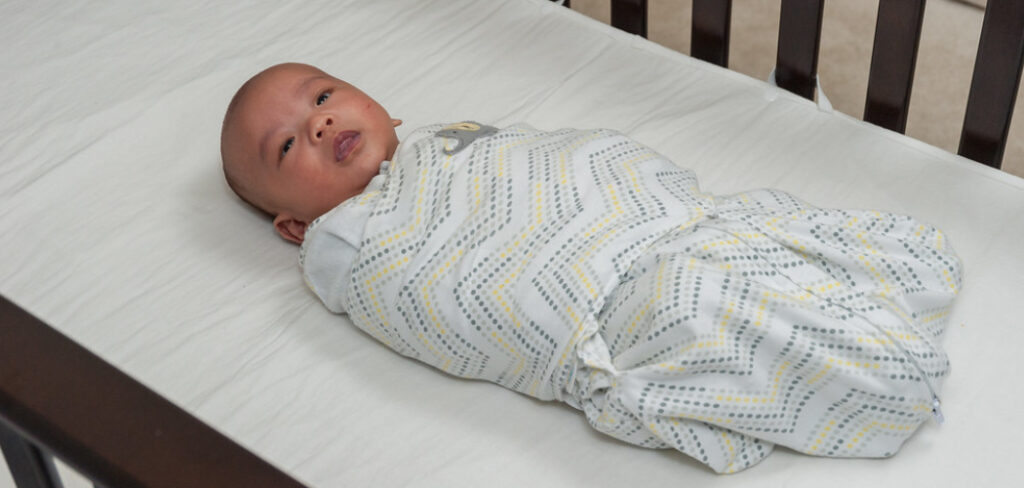
If you are learning how to get your baby to sleep in bassinet, the key is to combine safe sleep habits with a calm, repeatable routine. You do not need tricks or unsafe products. You need timing, consistency, and a setup that helps your baby feel secure.
This guide will show you simple, safe steps to help your baby rest more comfortably in their bassinet.
Why Helping Your Baby Sleep Well in a Bassinet Matters
A bassinet gives your baby a safe, close sleep space during the early months. Room sharing can help you respond to night wakings, feeding cues, and comfort needs without placing your baby in an unsafe sleep setting.
Good bassinet sleep also supports your rest. When your baby learns to settle on a firm, flat surface, you can sleep with more peace of mind. Safe sleep matters every time: place your baby on their back, keep the bassinet empty, and use only a fitted sheet on the mattress.
Learning this skill also builds a foundation for healthy sleep habits as your baby grows.
Tools and Materials You’ll Need
You do not need a long list of baby gear. Start with safe, simple items that support comfort without adding risk.
- A safety-approved bassinet with a firm, flat mattress
- A tight fitted sheet made for that exact mattress size
- A swaddle if appropriate for your baby’s age and stage
- A sleep sack for babies who should not be swaddled
- A pacifier, if your baby uses one
- A white noise machine set at a safe, low volume
- A dim night-light for feeds and diaper changes
- A room thermometer to help monitor temperature
- Optional convenience item: a bedside caddy for diapers, wipes, burp cloths, and pacifiers
Avoid pillows, blankets, bumpers, stuffed animals, loose sheets, and sleep positioners.
8 Step-by-Step Guide on How to Get Your Baby to Sleep in Bassinet
Step 1 – Set Up a Safe Sleep Space
Start with the bassinet itself. Place it on a stable, level surface and follow the manufacturer’s directions for assembly, weight limits, and use. The mattress should feel firm, not soft or cushioned, and it should fit snugly inside the bassinet.
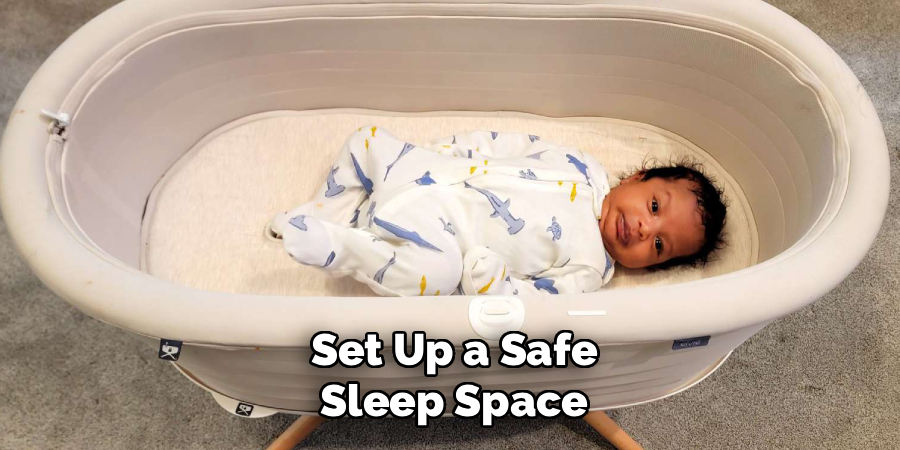
Use only a fitted sheet made for that mattress. Keep the sleep space empty, even if it looks plain. No blankets, pillows, bumpers, toys, loungers, or positioners should be in the bassinet. Always place your baby on their back for every sleep, including naps and nighttime sleep.
Step 2 – Learn Your Baby’s Sleep Cues
Good timing can make bassinet sleep much easier. Watch for early sleep cues like staring, slower movements, red eyebrows, yawning, or turning away from noise. These signs often appear before crying.
An overtired baby may arch, clench their fists, kick hard, or scream when placed down. At that point, soothing takes longer because their body is already stressed. A big part of how to get your baby to sleep in bassinet is placing them down before they pass the point of exhaustion.
Use wake windows as a guide, but trust your baby’s behavior too.
Step 3 – Create a Short Bedtime Routine
A predictable bedtime routine tells your baby that sleep is coming. Keep it simple and repeat it in the same order most nights. You might change the diaper, dim the lights, feed, burp, swaddle if appropriate, turn on white noise, and sing one soft song.
The room should feel calm. Use a quiet voice, slow hands, and low light. Your baby may not understand the routine at first, but they will begin to recognize the pattern. Over time, the same sounds, smells, and movements can help their body relax.
Step 4 – Feed and Burp Before Placing Baby Down
Many newborn sleep struggles come from hunger, gas, or discomfort. Before bassinet sleep, make sure your baby has had a good feed and a chance to burp. Hold them upright for a few minutes if they seem gassy or have mild spit-up.
Try not to rush this part. A baby with trapped air may wake soon after being placed flat. Gentle back pats, a quiet room, and a calm hold can help them settle. If your baby often seems in pain after feeds, spits up forcefully, or has poor weight gain, talk with your pediatrician.
Step 5 – Use Swaddling or a Sleep Sack Safely
Some newborns sleep better when their startle reflex is softened. A swaddle can help if your baby is young, not rolling, and accepts it well. The fabric should be snug around the chest but loose enough at the hips for healthy movement.
Stop swaddling as soon as your baby shows signs of rolling, even if it happens early. At that point, use a sleep sack instead. A sleep sack keeps your baby warm without loose blankets. Dress your baby in light layers and check their neck or chest for overheating, not their hands or feet.
Step 6 – Place Baby Down Drowsy but Awake
The phrase “drowsy but awake” means your baby is calm, heavy-eyed, and close to sleep, but not fully asleep yet. This helps them learn where they are falling asleep. For some babies, this takes practice and may only work once in a while at first.
Lower your baby slowly into the bassinet, feet first, then bottom, then shoulders and head. Keep one hand on their chest for a moment. If you want to know how to get your baby to sleep in bassinet with less crying, this slow transfer can help reduce the sudden “falling” feeling.
Step 7 – Soothe Without Picking Up Right Away
If your baby wiggles or fusses, pause before picking them up. Some babies make noise as they settle. Try gentle shushing, a hand on the chest, or soft rhythmic pats on the mattress beside them, not on their body if it wakes them more.
Keep the room dark and your voice low. White noise can help cover household sounds and mimic the steady whoosh babies heard before birth. If crying grows stronger or your baby seems distressed, pick them up, calm them, and try again. The goal is support, not forcing sleep.
Step 8 – Practice One Sleep at a Time
You do not need every nap and night sleep to happen in the bassinet right away. Start with the easiest sleep of the day. For many babies, the first nap or the first stretch of nighttime sleep works best.

Celebrate small wins. Ten minutes in the bassinet is progress. A calm transfer is progress. One night waking that ends with a successful return to the bassinet is progress. Babies learn through repetition, and parents gain confidence the same way.
If sleep problems feel extreme or unusual, ask your pediatrician for guidance.
Common Mistakes When Helping a Baby Sleep in a Bassinet
One common mistake is making the bassinet more “cozy” with unsafe items. Soft blankets, pillows, padded liners, nests, and sleep positioners may look comforting, but they can increase risk. A safe bassinet should look simple and empty.
Another mistake is waiting too long to start the sleep routine. An overtired baby often fights sleep harder and wakes more often. Watch early sleep cues and use age-appropriate wake windows to guide your timing.
Parents also sometimes place a fully sleeping baby down too quickly. A sudden transfer from warm arms to a cool mattress can trigger waking. Move slowly, keep the room dim, and pause with a steady hand on your baby’s chest.
It is also easy to change the routine every night. New sounds, new timing, and new soothing methods can make sleep feel unpredictable. Keep your steps simple and repeatable.
Finally, do not ignore ongoing distress. If your baby cries intensely, feeds poorly, struggles to breathe, or seems in pain, contact your pediatrician.
Expert Tips
Think of bassinet sleep as a skill your baby practices, not a test they pass in one night. Start with safety, then build comfort through rhythm and repetition. A clean diaper, full feed, good burp, dim room, and steady white noise can make the bassinet feel more familiar.
Keep expectations realistic. Newborns wake often because they need food, comfort, and help regulating their bodies. Night wakings are normal, especially in the early months. If your baby suddenly sleeps worse, check for growth spurts, illness, reflux symptoms, room temperature, or a needed routine change. When in doubt, ask your pediatrician.
Frequently Asked Questions
Why does my baby wake up as soon as I put them in the bassinet?
Your baby may wake because the mattress feels cooler, flatter, and less snug than your arms. The transfer can also trigger the startle reflex. Try placing your baby down slowly, keeping one hand on their chest, and using white noise. Make sure they are fed, burped, and sleepy but not overtired.
Is it safe for my baby to sleep in a bassinet all night?
Yes, a baby can sleep in a bassinet overnight if the product meets safety standards and your baby is within the age, weight, and milestone limits. Always place your baby on their back on a firm, flat mattress. Keep the bassinet empty except for a fitted sheet, and stop using it when the manual says to transition.
Should I swaddle my baby for bassinet sleep?
Swaddling can help some newborns sleep by calming the startle reflex. Use a safe swaddle that allows hip movement and does not cover the face. Stop swaddling when your baby shows signs of rolling. If your baby dislikes swaddling or is too old for it, try a sleep sack instead.
What if my baby only sleeps while being held?
Many newborns prefer contact sleep because they feel warm, secure, and close to your heartbeat. Practice short bassinet attempts during one sleep period each day. Use a steady routine, place your baby down drowsy, and soothe with your voice or hand. If you feel too tired to stay awake while holding your baby, place them in the bassinet.
When should I call a pediatrician about sleep problems?
Call your pediatrician if your baby has trouble breathing, poor feeding, weak weight gain, frequent forceful vomiting, extreme crying, or unusual sleepiness. Also ask for help if your baby seems in pain when placed flat. Some sleep struggles are normal, but medical issues like reflux, illness, or feeding problems may need care.
Conclusion
Learning how to get your baby to sleep in bassinet takes patience, but small steps can change your nights. Start with the safest setup: back sleeping, a firm flat mattress, a fitted sheet, and an empty bassinet. Then focus on comfort through timing, a short bedtime routine, safe swaddling or a sleep sack, white noise, and slow transfers.
Your baby may not settle perfectly right away. That does not mean you are doing anything wrong. Newborn sleep changes often, and progress can look like one calm nap, one smoother bedtime, or one longer stretch between night wakings.
Stay consistent, stay safe, and adjust as your baby grows. If sleep feels unusually hard or your baby seems uncomfortable, reach out to your pediatrician for support.

About
Joann Meril didn’t plan on becoming a parenting writer — it found her. After spending several years working as a certified nursing assistant in a pediatric clinic, Joann saw firsthand how anxious and under-informed new parents could feel, even with a hospital full of resources around them. When she had her own two children, that gap became personal. Suddenly she was the one googling things at 2 a.m., comparing baby monitors, and wondering if the swaddle she bought was actually safe.
That experience is what shaped her approach to writing. Joann believes parenting advice should be practical, honest, and free of unnecessary jargon or guilt. She tests products herself whenever possible, reads the actual safety standards instead of just the marketing copy, and isn’t afraid to say when something isn’t worth the money.
Today, Joann writes full-time, covering everything from newborn sleep routines to gear reviews to the small everyday wins that make parenting feel a little less overwhelming. When she’s not researching or writing, she’s usually chasing her own kids around the backyard or drinking coffee that’s gone cold for the third time that morning.
Joann lives in [City/State] with her husband and two children.
Credibility
- Background in pediatric caregiving (CNA)
- Mom of two, hands-on parenting experience
- Hand-tests baby gear before recommending it
- Focus: infant sleep, feeding, gear safety, early development