

Sixty-degree weather can feel mild, cool, breezy, or even chilly depending on the sun, wind, humidity, and where you live. For a baby, those small changes matter because infants do not regulate body temperature as well as adults. One moment your baby may feel cozy in a stroller, and the next a light breeze can cool their cheeks and hands.
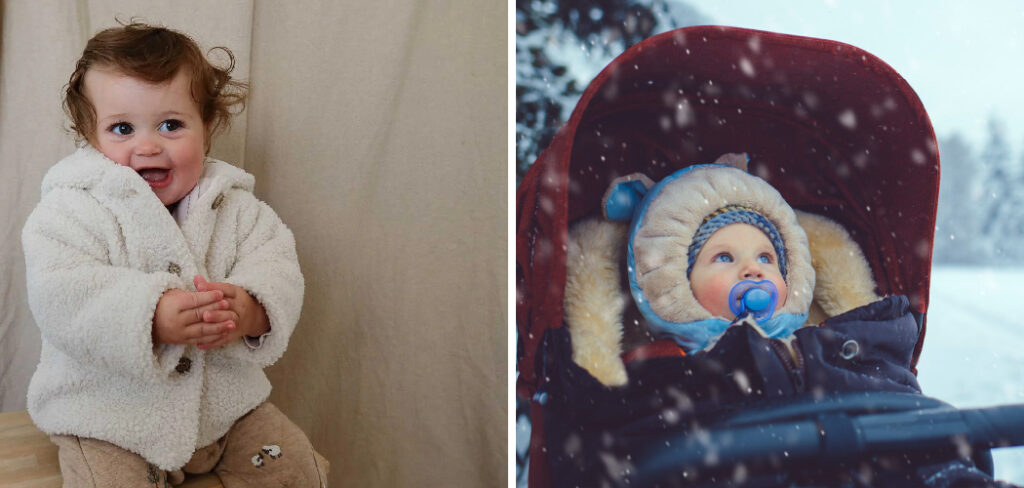
Learning how to dress baby for 60 degree weather helps you choose layers that keep your baby warm without causing overheating. The goal is not to bundle your baby heavily, but to use soft, breathable pieces that you can adjust as the day changes.
This guide explains how to build a safe, comfortable baby outfit for 60-degree days at home, in the car, and outdoors.
Why Dressing Your Baby Properly in 60-Degree Weather Matters
Dressing your baby well in 60-degree weather supports comfort, safety, and better infant temperature regulation. At this temperature, the air is cool enough that a short-sleeve outfit may not be enough, but it is usually not cold enough for thick winter gear.
The right outfit helps your baby stay warm during a stroller walk, quick errand, daycare drop-off, or outdoor play with siblings. It also helps you avoid overdressing, which can make a baby sweaty, fussy, and uncomfortable.
Good baby layering gives you flexibility. You can remove a light jacket in a warm car, add a blanket in the stroller, or adjust a hat if the breeze picks up. Small changes help your baby stay warm but not hot.
Tools and Materials You’ll Need
You do not need special gear for most 60-degree days. A few soft, practical items will help you dress your baby with confidence.
- Cotton onesie or long-sleeve bodysuit
- Soft pants, leggings, or footed pants
- Lightweight sweater, hoodie, or light jacket
- Socks or footed clothing
- Breathable hat for breezy outdoor time
- Thin stroller blanket
- Weather app to check wind, sun, and temperature changes
- Safe car seat outfit without bulky layers
- Optional convenience item: a small diaper bag pouch with an extra layer and socks
Choose breathable fabrics like cotton, bamboo, or soft knit blends. These materials feel gentle on baby skin and make it easier to manage warmth.
7 Step-by-Step Guide on How to Dress Baby for 60 Degree Weather
Step 1 – Check the Full Weather Picture
Start by looking beyond the number on the weather app. Sixty degrees in bright sun can feel pleasant, while 60 degrees with clouds and wind can feel much cooler. A light breeze during a stroller walk may make your baby’s cheeks feel cool even when the air seems mild to you.
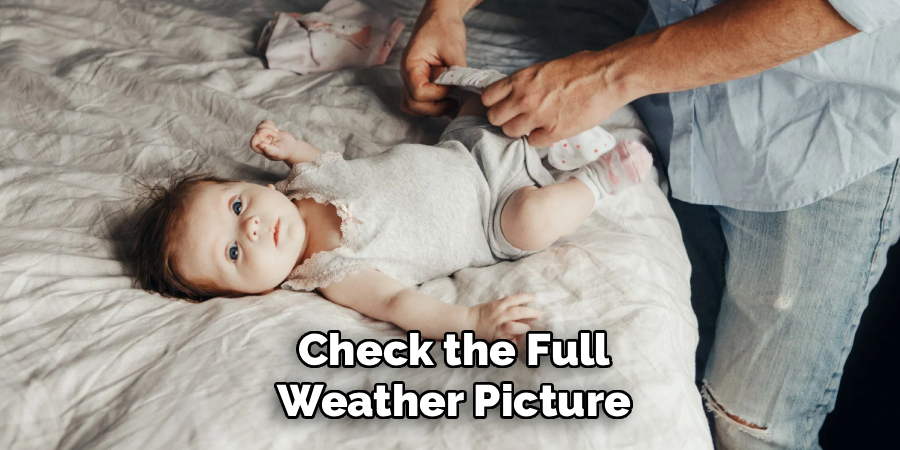
A practical first step in how to dress baby for 60 degree weather is checking wind, shade, rain, and how long you will be outside. A five-minute walk to the car needs less planning than an hour at the park.
Think about your baby’s location too. A stroller, carrier, or car seat can change how warm they feel.
Step 2 – Start With a Soft Base Layer
Begin with a soft cotton onesie or long-sleeve bodysuit. This layer sits directly against your baby’s skin, so it should feel smooth, dry, and breathable. Cotton is a reliable choice because it helps absorb light moisture without trapping too much heat.
For most 60-degree days, a long-sleeve bodysuit works better than a short-sleeve one. It covers the arms while still giving you room to add or remove layers.
Make sure the base layer fits well. Clothing that bunches under the back, neck, or diaper area can bother your baby, especially during naps, stroller rides, or time in a car seat.
Step 3 – Add Comfortable Pants and Socks
Next, cover your baby’s legs and feet. Soft pants, leggings, joggers, or footed pants all work well for cool weather baby clothes. The fabric should bend easily when your baby kicks, curls, or stretches.
Socks matter because babies can lose warmth through uncovered feet, especially in a stroller or carrier. Choose socks that stay on without leaving tight marks around the ankles. If the socks keep slipping off, footed pants may be easier.
Do not judge your baby’s warmth by feet alone. Cold hands or feet can happen even when your baby’s chest feels warm and comfortable. The chest, back, and neck give you a better temperature check.
Step 4 – Choose a Light Outer Layer
Add a light jacket, thin fleece, cardigan, or soft hoodie when you go outside. This outer layer should feel warm enough to block cool air but not thick or heavy. When you touch the fabric, it should feel cozy, not bulky.
For 60-degree weather, a light jacket often works better than a winter coat. It gives your baby warmth during a breezy stroller walk and can come off easily when you move indoors.
If your baby is in a car seat, remove puffy coats or thick outerwear before buckling. Bulky layers can interfere with harness fit. Use a thin layer under the harness and add a blanket over the straps if needed.
Step 5 – Use Baby Layering for Easy Adjustments
Baby layering works best when each piece has a clear purpose. A bodysuit keeps the skin covered, pants protect the legs, socks warm the feet, and a light outer layer blocks cool air. Together, these pieces create comfort without too much heat.
As you practice how to dress baby for 60 degree weather, think in removable layers. If your baby gets warm in a sunny spot, remove the jacket. If the wind picks up, add a hat or stroller blanket.
Your baby should feel warm but not sweaty. If the back of the neck feels damp, hot, or sticky, remove a layer and check again after a few minutes.
Step 6 – Pick the Right Hat and Blanket
A hat can help on breezy or cloudy days, especially for younger babies with little hair. Choose a lightweight cotton or knit hat that covers the ears without sliding over the eyes. It should feel snug but not tight.
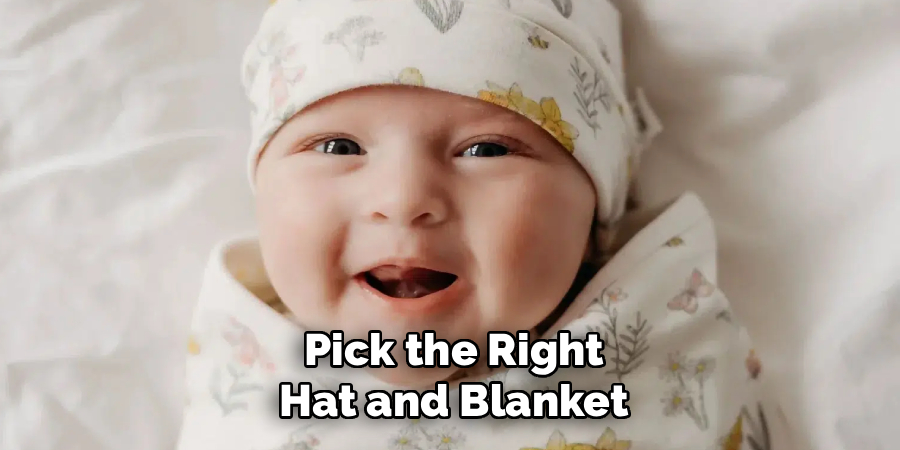
A thin blanket is useful for stroller walks, but use it carefully. Lay it over your baby’s legs and torso where you can see it. Avoid covering the face or tucking it so tightly that your baby cannot move comfortably.
Indoors or in a warm car, your baby may not need a hat or blanket at all. These items are best as adjustable tools, not automatic outfit pieces.
Step 7 – Check Your Baby’s Neck or Chest
After your baby has been dressed for 10 to 15 minutes, check their temperature by touching the back of the neck, upper back, or chest. Warm, dry skin usually means the outfit is working well. Hot, sweaty skin means your baby may have too many layers.
Cool hands do not always mean your baby is cold. Babies often have cooler fingers because their circulation is still developing. If the chest feels warm, your baby is likely comfortable.
Watch behavior too. Fussiness, flushed cheeks, damp hair, or unusual sleepiness can signal overheating. Shivering, pale skin, or a cool chest may mean your baby needs more warmth.
Common Mistakes When Dressing a Baby for 60-Degree Weather
One common mistake is dressing your baby based only on how you feel. Adults move more, regulate temperature better, and may tolerate cool air differently. Use your comfort as a starting point, then check your baby’s neck or chest for a more accurate sign.
Another mistake is using bulky coats in the car seat. Thick jackets can compress during a crash and make the harness too loose. Dress your baby in thin, warm layers, buckle the harness snugly, and place a blanket over the straps if the car feels cold.
Some caregivers also overdress babies because they worry about cold hands. Hands and feet may feel cool even when the core body is warm. A warm chest matters more than chilly fingers.
A fourth mistake is forgetting that indoor and outdoor settings change quickly. A baby dressed perfectly for a stroller walk may become too warm in a store, car, or sunny room. Removable layers solve this problem.
Finally, avoid fabrics that trap heat or irritate skin. Heavy fleece, stiff denim, and scratchy wool can make a mild day uncomfortable.
Expert Tips
Use the “one light layer more than you” rule as a guide, not a strict law. If you wear a long-sleeve shirt, your baby may need a long-sleeve bodysuit plus a light jacket outdoors. If you are comfortable in a sweater, your baby may need a similar layer and socks.
Plan for transitions. A baby may need a jacket outside, no jacket in the car seat, and only a bodysuit and pants indoors.
Keep an extra pair of socks and a thin layer in the diaper bag. Weather can shift, spills happen, and babies often lose socks at the least convenient time.
Frequently Asked Questions
Is 60 Degrees Too Cold for a Baby?
Sixty degrees is not usually too cold for a healthy baby when they are dressed in proper layers. A long-sleeve bodysuit, pants, socks, and a light jacket often work well outdoors. Wind, shade, and time outside matter, so check your baby’s chest or neck often. If your baby feels warm and dry, the outfit is likely appropriate.
Should My Baby Wear a Hat in 60-Degree Weather?
A baby may need a hat in 60-degree weather if it is windy, cloudy, or you will be outside for a while. A lightweight hat can protect the ears and help hold warmth. Skip the hat indoors, in a warm car, or if your baby’s head feels sweaty. Choose breathable fabric and make sure the hat does not cover the face.
What Should a Baby Wear for a Stroller Walk at 60 Degrees?
For a stroller walk, try a long-sleeve bodysuit, soft pants, socks, and a light jacket. Add a thin blanket over the legs if the air feels breezy. Keep your baby’s face uncovered and check for warmth during the walk. If the sun comes out or your baby feels sweaty, remove a layer.
How Do I Know if My Baby Is Overheating?
Check the back of the neck, chest, or upper back. If the skin feels hot, damp, or sweaty, your baby may be too warm. Other signs include flushed cheeks, fussiness, rapid breathing, or damp hair. Remove one layer, move to a cooler area, and check again soon. Overheating can happen even on mild days.
What Should My Baby Wear to Sleep When It Is 60 Degrees?
Sleep outfits depend on the indoor room temperature, not the outdoor temperature. If the room is around 60 degrees, your baby may need footed pajamas and a wearable sleep sack with an appropriate warmth rating. Avoid loose blankets in the crib. Check your baby’s chest to make sure they feel warm, not sweaty or cold.
Conclusion
Dressing a baby for mild, cool weather becomes easier when you focus on layers, fabric, and regular temperature checks. Start with a breathable base layer, add pants and socks, then use a light jacket, hat, or blanket as the setting requires. For car seats, skip bulky coats and rely on thin layers plus a blanket over the harness.
Once you understand how to dress baby for 60 degree weather, you can handle stroller walks, errands, daycare drop-offs, and quick outdoor trips with more confidence. Remember that 60 degrees can feel different in sun, shade, wind, or rain, so stay flexible.
Your best tool is a simple touch check at the neck or chest. Warm and dry is the goal. With a few smart clothing choices, your baby can stay safe, cozy, and comfortable through the whole day.

About
Joann Meril didn’t plan on becoming a parenting writer — it found her. After spending several years working as a certified nursing assistant in a pediatric clinic, Joann saw firsthand how anxious and under-informed new parents could feel, even with a hospital full of resources around them. When she had her own two children, that gap became personal. Suddenly she was the one googling things at 2 a.m., comparing baby monitors, and wondering if the swaddle she bought was actually safe.
That experience is what shaped her approach to writing. Joann believes parenting advice should be practical, honest, and free of unnecessary jargon or guilt. She tests products herself whenever possible, reads the actual safety standards instead of just the marketing copy, and isn’t afraid to say when something isn’t worth the money.
Today, Joann writes full-time, covering everything from newborn sleep routines to gear reviews to the small everyday wins that make parenting feel a little less overwhelming. When she’s not researching or writing, she’s usually chasing her own kids around the backyard or drinking coffee that’s gone cold for the third time that morning.
Joann lives in [City/State] with her husband and two children.
Credibility
- Background in pediatric caregiving (CNA)
- Mom of two, hands-on parenting experience
- Hand-tests baby gear before recommending it
- Focus: infant sleep, feeding, gear safety, early development